Calcium And Vitamin D Supplements: Expert Guide To Strong Bones
Discover the benefits, recommended dosages, food sources, and safety tips for calcium and vitamin D supplements to support bone health.
Calcium and vitamin D are crucial nutrients for maintaining strong bones and preventing conditions like osteoporosis. Vitamin D enhances calcium absorption in the intestines, while calcium provides the building blocks for bone mineralization. Together, they help reduce the risk of fractures, particularly in older adults with deficiencies.
What Are Calcium and Vitamin D Supplements?
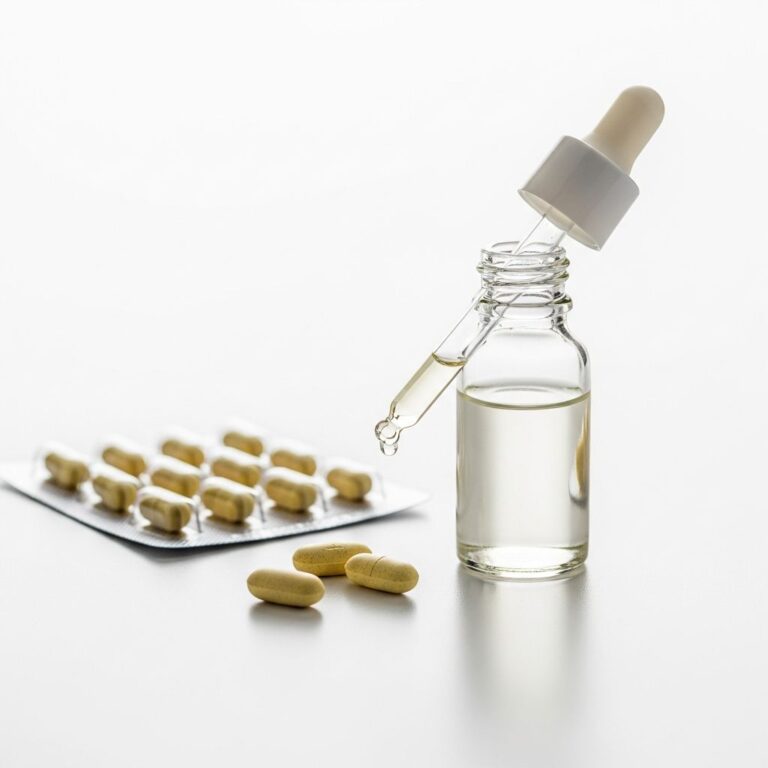
Calcium supplements provide elemental calcium in forms like calcium carbonate or citrate to support daily intake needs. Vitamin D supplements, available as D2 (ergocalciferol) or D3 (cholecalciferol), aid in calcium absorption and bone health. Both are often recommended for those unable to meet needs through diet alone, especially individuals at risk for deficiency.
In elderly populations, low dietary calcium and vitamin D deficiency lead to negative calcium balance, secondary hyperparathyroidism, increased bone resorption, and reduced bone mineralization. Supplementation addresses these issues by restoring balance and supporting bone integrity.
Benefits of Calcium and Vitamin D Supplements
The primary benefit is fracture prevention. Meta-analyses of randomized trials show that vitamin D at 800 IU per day combined with calcium reduces non-vertebral fracture incidence by 10-20%, particularly in older adults with low baseline vitamin D and calcium intake.
- Fracture Risk Reduction: Eleven of thirteen meta-analyses demonstrated significant decreases in fracture incidence with combined supplementation. Vitamin D alone showed no effect, but pairing it with calcium yielded consistent benefits in targeted groups.
- Bone Mineral Density Improvement: Trials confirm increased hip bone density with supplementation, countering baseline mineralization deficits.
- Targeted Efficacy: Greatest effects seen in vitamin D-deficient individuals over 70 with low calcium intake, such as nursing home residents.
Organizations like the Bone Health and Osteoporosis Foundation emphasize these nutrients for osteoporosis management, noting vitamin D’s role in achieving healthy 25-hydroxy vitamin D levels of 30-60 ng/ml.
Recommended Dosages
Dosage varies by age, sex, and health status. The Institute of Medicine suggests vitamin D up to 800 IU daily with calcium for moderate anti-fracture effects. The US Preventive Services Task Force notes insufficient evidence for doses above 400 IU vitamin D or 1000 mg calcium daily.
| Nutrient | Daily Recommendation (Adults) | Upper Limit |
|---|---|---|
| Calcium | 1000-1200 mg | 2000-2500 mg |
| Vitamin D | 600-800 IU (15-20 mcg) | 4000 IU (100 mcg) |
Note: Use tools like the International Osteoporosis Foundation’s Calcium Calculator to assess personal intake. Supplements can be taken separately; vitamin D does not need to coincide with calcium dosing.
Who Needs Supplements?
Not everyone requires supplements if diet and sun exposure suffice. However, certain groups are at higher risk for deficiency:
- People with limited sun exposure or who cover skin outdoors.
- Nursing home residents or homebound individuals.
- Those with malabsorption conditions like celiac or inflammatory bowel disease.
- Individuals on medications affecting vitamin D, such as anti-seizure drugs.
- People with dark skin, obesity, or older adults.
Related Stories



For osteoporosis or low bone mass patients with confirmed deficiency, providers may prescribe vitamin D to reach optimal levels. Routine population-wide supplementation is ineffective; target those with verified low status and poor intake.
Food Sources of Calcium and Vitamin D
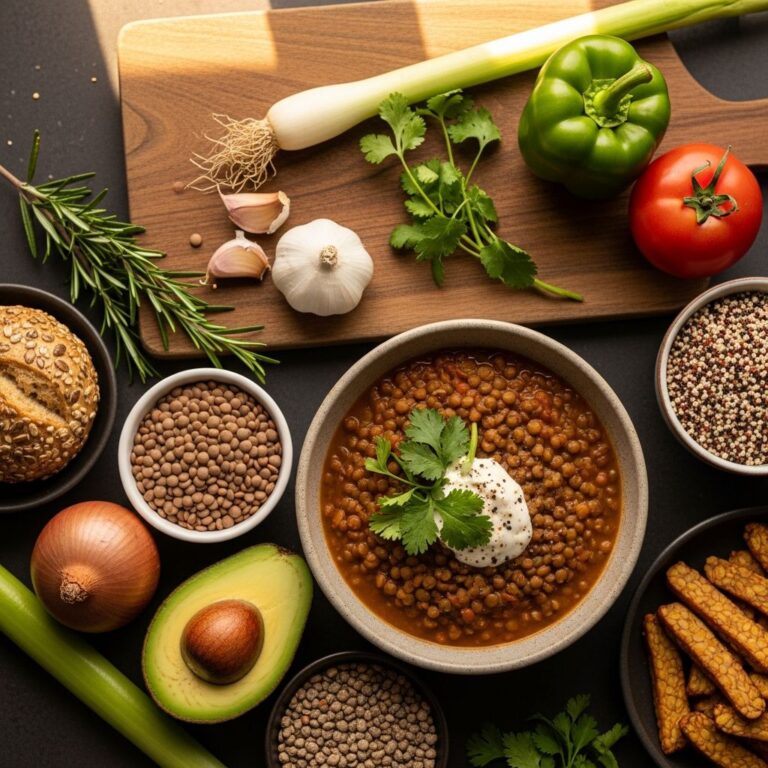
Prioritize dietary sources before supplements. Below is a comprehensive guide to calcium-rich foods, categorized for easy meal planning.
| Category | Food | Serving Size | Estimated Calcium (mg) |
|---|---|---|---|
| Produce | Collard greens, frozen | 8 oz | 360 |
| Produce | Broccoli rabe | 8 oz | 200 |
| Produce | Kale, frozen | 8 oz | 180 |
| Produce | Soy beans, green, boiled | 8 oz | 175 |
| Produce | Bok choy, cooked | 8 oz | 160 |
| Produce | Figs, dried | 2 figs | 65 |
| Produce | Broccoli, fresh, cooked | 8 oz | 60 |
| Produce | Oranges | 1 whole | 55 |
| Seafood | Sardines, canned with bones | 3 oz | 325 |
| Seafood | Salmon, canned with bones | 3 oz | 180 |
| Seafood | Shrimp, canned | 3 oz | 125 |
| Dairy | Ricotta, part-skim | 4 oz | 335 |
| Dairy | Yogurt, plain, low-fat | 6 oz | 310 |
| Dairy | Milk (skim, low-fat, whole) | 8 oz | 300 |
| Dairy | Yogurt with fruit, low-fat | 6 oz | 260 |
| Dairy | Mozzarella, part-skim | 1 oz | 210 |
| Dairy | Cheddar | 1 oz | 205 |
| Dairy | Yogurt, Greek | 6 oz | 200 |
| Dairy | American Cheese | 1 oz | 195 |
| Dairy | Feta Cheese | 4 oz | 140 |
| Dairy | Cottage Cheese, 2% | 4 oz | 105 |
| Dairy | Frozen yogurt, vanilla | 8 oz | 105 |
| Dairy | Ice Cream, vanilla | 8 oz | 85 |
| Dairy | Parmesan | 1 tbsp | 55 |
| Fortified Foods | Almond/rice/soy/oat milk, fortified | 8 oz | 300 |
| Fortified Foods | Orange juice, fortified | 8 oz | 300 |
| Fortified Foods | Tofu, prepared with calcium | 4 oz | 205 |
| Fortified Foods | Waffle, frozen, fortified | 2 pieces | 200 |
| Fortified Foods | Oatmeal, fortified | 1 packet | 140 |
| Fortified Foods | English muffin, fortified | 1 muffin | 100 |
| Fortified Foods | Cereal, fortified | 8 oz | 100-1000 |
| Other | Mac & cheese, frozen | 1 package | 325 |
| Other | Pizza, cheese, frozen | 1 serving | 115 |
| Other | Pudding, chocolate, with 2% milk | 4 oz | 160 |
| Other | Beans, baked, canned | 4 oz | 160 |
*Calcium content is estimated and may vary; check labels.
Vitamin D sources include fatty fish, fortified foods, and sunlight. Supplements bridge gaps when needed.
How to Take Supplements Safely
Take calcium carbonate with meals for better absorption; citrate can be taken anytime. Vitamin D is fat-soluble, so pair with fatty foods if possible, though full doses can be taken at once. Compliance is key—effects on bone resorption cease upon discontinuation.
- Split calcium doses if over 500-600 mg to maximize absorption.
- Avoid high, infrequent vitamin D doses, which may harm.
- Monitor for hypercalcemia symptoms like nausea or kidney stones.
Consult providers, especially with conditions or medications affecting absorption.
Risks and Side Effects
Excess calcium may increase cardiovascular or kidney stone risks, though evidence is mixed. Vitamin D overdose is rare below 4000 IU but can cause toxicity. Targeted use in deficient individuals minimizes risks.
Trials like RECORD showed no overall benefit in non-deficient groups due to poor compliance (40-60%).
Expert Guidelines and Controversies
The Endocrine Society advocates higher vitamin D doses, while IOM and USPSTF are cautious. Ongoing trials will clarify. Focus on per-protocol analyses showing benefits in compliant, high-risk groups.
Frequently Asked Questions (FAQs)
Do I need to take calcium and vitamin D together?
Vitamin D aids calcium absorption, but they don’t need to be taken simultaneously. Combined use is most effective for fracture prevention in deficient individuals.
Can vitamin D alone prevent fractures?
No, meta-analyses confirm vitamin D alone is ineffective; it requires calcium for significant non-vertebral fracture reduction.
How much calcium do I need daily?
Adults typically need 1000-1200 mg. Calculate personal needs using online tools and prioritize diet.
Who is at risk for vitamin D deficiency?
High-risk groups include those with limited sun exposure, dark skin, obesity, malabsorption issues, or certain medications.
Are supplements better than food sources?
Food is preferable, but supplements are vital for those unable to meet needs through diet alone.
References
- Vitamin D supplements with or without calcium to prevent fractures — A.A. M. Hoehle et al. 2014-05-15. https://pmc.ncbi.nlm.nih.gov/articles/PMC4015453/
- Calcium/Vitamin D Requirements, Recommended Foods — Bone Health and Osteoporosis Foundation. 2023-05-23. https://www.bonehealthandosteoporosis.org/patients/treatment/calciumvitamin-d/
Similar Articles








Read full bio of medha deb