Calcium Channel Blockers: 3 Classes, Uses, Side Effects
Explore how calcium channel blockers manage heart conditions, their types, uses, and safety tips for better health outcomes.
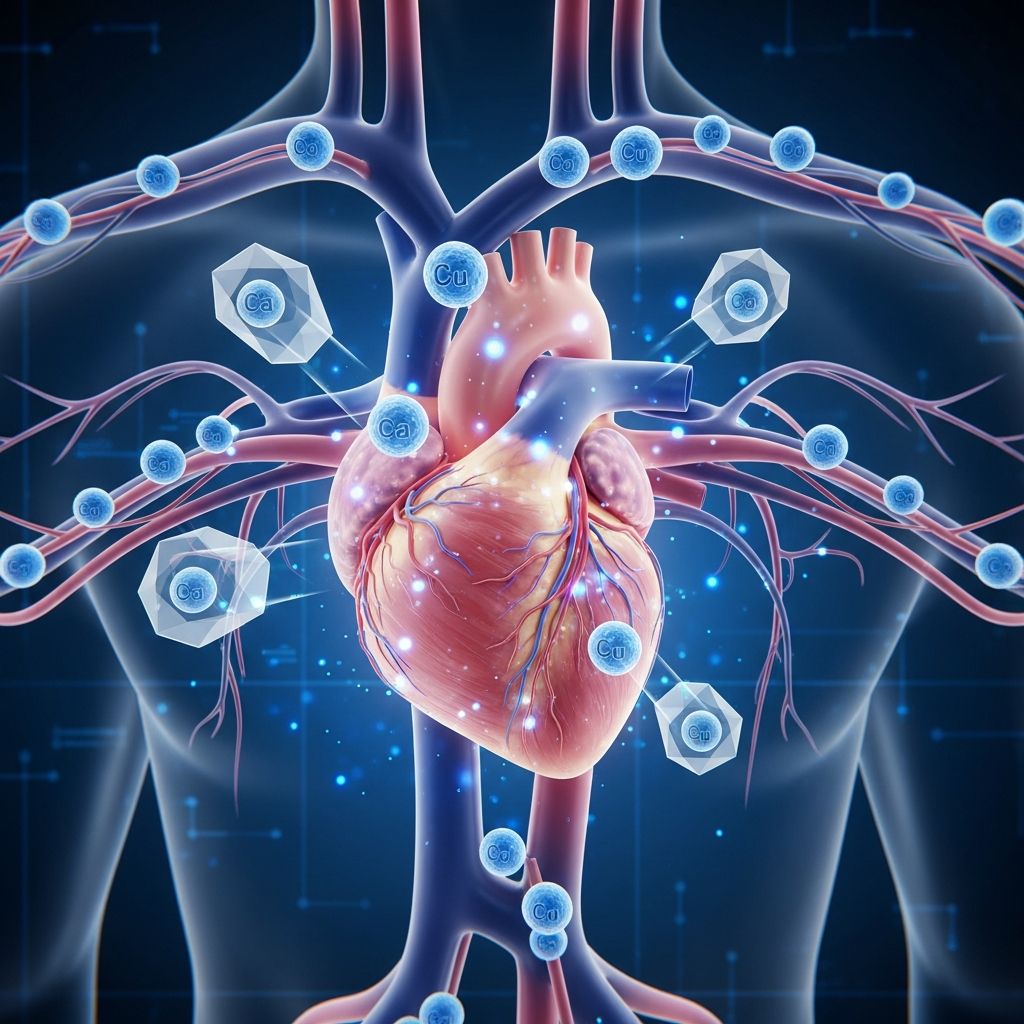
Calcium channel blockers represent a cornerstone in modern cardiovascular therapy, effectively targeting high blood pressure, chest pain, and certain heart rhythm disorders by modulating calcium entry into heart and blood vessel cells. These medications promote vessel relaxation and reduce cardiac workload, offering relief for millions worldwide.
The Science Behind Calcium Channel Blockers
At their core, these drugs interfere with L-type voltage-gated calcium channels found in vascular smooth muscle, cardiac muscle cells, and nodal tissues. By binding to these channels, they prevent calcium influx, which normally triggers muscle contraction. This leads to vasodilation in arteries, easing blood flow and lowering pressure against vessel walls.
In the heart, reduced calcium entry diminishes contractility (negative inotropy), slows heart rate (negative chronotropy), and decelerates electrical conduction, particularly at the atrioventricular node (negative dromotropy). These effects collectively decrease oxygen demand, making them ideal for angina management.
Primary Medical Applications
- Hypertension Control: Dihydropyridines excel here due to potent vasodilation without major heart rate impacts.
- Angina Pectoris: Both vessel relaxation and reduced myocardial oxygen needs alleviate chest pain.
- Arrhythmias: Non-dihydropyridines slow supraventricular rates effectively.
- Other Uses: Migraine prevention, pulmonary hypertension, and Raynaud’s phenomenon.
Classes of Calcium Channel Blockers
These medications fall into three main chemical classes, each with distinct vascular versus cardiac selectivity, influencing their clinical roles.
| Class | Examples | Key Effects | Main Indications |
|---|---|---|---|
| Dihydropyridines | Amlodipine, Nifedipine, Felodipine | Strong vasodilation, minimal heart rate change | Hypertension, angina |
| Non-Dihydropyridines: Phenylalkylamines | Verapamil | AV node suppression, rate control | Arrhythmias, hypertension |
| Non-Dihydropyridines: Benzothiazepines | Diltiazem | Balanced vasodilation and rate reduction | Angina, hypertension, arrhythmias |
How They Differ in Action
Dihydropyridines prioritize vascular smooth muscle, causing pronounced blood pressure drops ideal for essential hypertension. In contrast, non-dihydropyridines like verapamil and diltiazem exert stronger cardiac effects, making them suitable for rate control in atrial fibrillation.
Voltage-dependent binding enhances their efficacy; depolarized cells (as in hypertension-induced spasms) bind blockers more avidly, amplifying therapeutic impact.
Starting Treatment: Dosage and Administration
Therapy begins with low doses, titrated based on response and tolerance. Amlodipine typically starts at 5 mg daily, while verapamil may initiate at 40-80 mg three times daily for immediate-release forms. Extended-release options improve adherence with once-daily dosing.
Take with or without food, but avoid grapefruit juice, which inhibits metabolism and raises blood levels, risking toxicity.
Expected Benefits and Timeline
- Blood Pressure Reduction: Noticeable within 1-2 weeks, peak at 4-6 weeks.
- Angina Relief: Symptoms improve rapidly, often within days.
- Long-Term Protection: Lowers stroke, heart attack risk over years.
Related Stories



Common Side Effects and Management
Most effects stem from vasodilation: headaches, flushing, ankle swelling (edema, especially dihydropyridines). Heart rate slowing occurs with non-dihydropyridines, potentially causing fatigue or dizziness.
| Side Effect | Frequency | Management Tips |
|---|---|---|
| Headache/Flushing | Common (10-30%) | Hydrate, use acetaminophen; resolves in weeks |
| Edema | Moderate (5-15%) | Elevate legs, reduce salt; switch drugs if severe |
| Bradycardia/Constipation | Less common (<10%) | Monitor pulse; laxatives for verapamil |
Serious Risks and Precautions
Avoid in heart failure (worsens pump function), severe aortic stenosis, or with certain drugs like beta-blockers (risks heart block). Pregnancy category varies; consult specialists.
Grapefruit, St. John’s wort interactions alter levels—discuss diet and supplements with providers.
Drug Interactions to Watch
- CYP3A4 Inhibitors (e.g., ketoconazole): Increase CCB levels.
- Beta-Blockers: Additive bradycardia.
- Statins: Some CCBs raise simvastatin exposure.
Monitoring for Optimal Use
Regular checks: blood pressure, heart rate (>50 bpm target), kidney function, electrolytes. ECG if arrhythmia history. Annual reviews assess ongoing need.
Lifestyle Synergies for Enhanced Results
Combine with DASH diet, exercise (150 min/week), weight management, and smoking cessation. Limit alcohol to <14 units/week. Potassium-rich foods counter potential depletion.
Special Populations: Adjustments Needed
- Elderly: Start 50% dose; heightened sensitivity.
- Kidney/Liver Impairment: Dose reduce, monitor closely.
- Diabetes: Minimal glucose impact; safe option.
Stopping or Switching Therapy
Taper gradually to avoid rebound hypertension. Never abrupt cessation. Transitions to alternatives like ACE inhibitors require medical oversight.
FAQs on Calcium Channel Blockers
Are they safe long-term?
Yes, with monitoring; studies show cardiovascular risk reduction over decades.
Do they cause weight gain?
No direct effect; edema may mimic it—diuretics help if needed.
Can I exercise on them?
Absolutely; improves outcomes. Rise slowly to prevent dizziness.
Best for which age group?
All adults; tailored dosing for seniors.
Overdose symptoms?
Hypotension, bradycardia—seek emergency care.
Future Directions in CCB Research
Ongoing studies explore T-type and N-type blockers for renoprotection, neuroprotection. Tissue-selective agents promise fewer side effects.
References
- Calcium Channel Blockers — Physio-pedia. 2023. https://www.physio-pedia.com/Calcium_Channel_Blockers
- Calcium Channel Blockers – StatPearls — NCBI Bookshelf. 2023-10-01. https://www.ncbi.nlm.nih.gov/books/NBK482473/
- Calcium-Channel Blockers (CCBs) — CV Pharmacology. 2023. https://cvpharmacology.com/vasodilator/ccb
- Calcium Channel Blockers: Uses & Side Effects — Cleveland Clinic. 2023-11-15. https://my.clevelandclinic.org/health/treatments/22316-calcium-channel-blockers
- Discovery and Development of Calcium Channel Blockers — Frontiers in Pharmacology. 2017-05-12. https://www.frontiersin.org/journals/pharmacology/articles/10.3389/fphar.2017.00286/full
Similar Articles








Read full bio of Sneha Tete