Calcium Deficiency Symptoms: Signs, Causes & Treatment
Recognize calcium deficiency symptoms early: muscle cramps, fatigue, and bone weakness explained.

Calcium is one of the most essential minerals in the human body, playing a critical role in maintaining strong bones, regulating muscle function, supporting heart health, and enabling proper nerve transmission. When your body doesn’t get enough calcium—a condition known as hypocalcemia or calcium deficiency—it can trigger a range of symptoms affecting multiple body systems. Understanding these signs is crucial for early detection and prevention of serious long-term complications.
What Is Calcium Deficiency?
Calcium deficiency, or hypocalcemia, occurs when calcium levels in the blood fall below normal ranges. The body maintains strict control over calcium levels in the bloodstream, as this mineral is vital for numerous physiological processes. When dietary calcium intake is insufficient, the body compensates by extracting calcium from the bones, which can weaken them over time and lead to serious skeletal disorders.
A calcium deficiency may develop gradually or suddenly, depending on the underlying cause. Interestingly, mild or early-stage calcium deficiency often produces no symptoms, which means many people are unaware they have low calcium levels until complications arise or blood tests reveal the condition.
Early Symptoms of Calcium Deficiency
The early signs of calcium deficiency can be subtle and easily overlooked. Many people experience no symptoms during the initial stages, making calcium deficiency a silent condition that requires vigilance, especially for those at higher risk.
Muscle-Related Symptoms
Among the most common early indicators of calcium deficiency are muscle problems. When calcium levels drop, your muscles cannot function optimally, leading to:
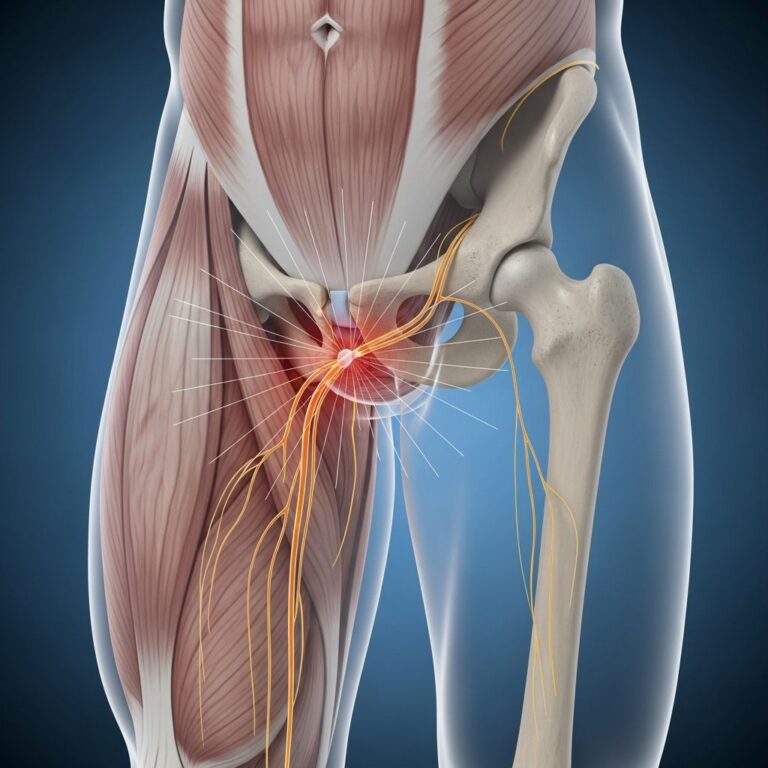
- Muscle aches, cramps, and spasms throughout the body
- Pain in the thighs and arms during walking or movement
- Numbness and tingling in the hands, arms, feet, and legs
- Sensations around the mouth, including perioral numbness
- Muscle weakness and stiffness
These muscle symptoms may come and go intermittently, but they typically do not improve with rest or activity. The cramping often affects the back, legs, and feet, and can be particularly bothersome at night or during physical exertion.
Fatigue and General Weakness
Persistent fatigue and general weakness are among the earliest signs that calcium levels may be dropping. This exhaustion differs from typical tiredness because it does not respond well to rest and may be accompanied by a sense of heaviness throughout the body. The fatigue can impact daily functioning and quality of life.
Skin and Hair Changes
Long-term calcium deficiency can manifest through visible changes to skin and hair quality. These include:
- Dry, scaly skin that may feel rough or uncomfortable
- Brittle, weak, or broken nails
- Coarse, dry hair that lacks shine
- Hair loss in patches, a condition called alopecia
- Skin conditions such as eczema or psoriasis
Related Stories



These symptoms typically develop after prolonged calcium deficiency and indicate that the body’s mineral balance has been disrupted at a deeper level.
Dental Problems Associated with Calcium Deficiency
Your teeth are made largely of calcium, and when the body lacks sufficient calcium, it pulls this vital mineral from your teeth to maintain blood calcium levels. This can result in multiple dental complications:
- Tooth decay and cavities
- Brittle or weakened teeth prone to breaking
- Weak or sensitive tooth roots
- Irritated or inflamed gums
- Loose teeth that may lead to tooth loss
In infants and young children, calcium deficiency during tooth development can impair the formation of healthy adult teeth, potentially causing permanent dental problems. Adults experiencing calcium deficiency may notice their teeth becoming more sensitive to temperature and developing more cavities than usual.
Bone Health and Long-Term Effects
Osteopenia: The Early Stage
One of the most significant long-term effects of calcium deficiency is its impact on bone density. When the body consistently lacks adequate calcium, bones begin to lose mineral density in a condition called osteopenia. During this stage, bone density is lower than normal but not yet at the level classified as osteoporosis. Osteopenia often produces no symptoms, which is why it’s frequently discovered only through bone density screening tests.
Osteoporosis: Brittle Bones
If calcium deficiency continues untreated, osteopenia can progress to osteoporosis, a more serious condition characterized by significantly weakened, brittle bones. Osteoporosis substantially increases the risk of fractures from minor falls or even simple bumps. People with osteoporosis may also experience:
- Chronic bone and joint pain
- Loss of height over time due to vertebral compression
- Stooped posture or kyphosis
- Increased susceptibility to fractures
- Reduced mobility and independence
The development of osteoporosis from calcium deficiency can take years, making prevention through adequate calcium intake especially important.
Other Bone Disorders
Beyond osteoporosis, prolonged calcium deficiency can cause osteomalacia (soft bones) in adults and rickets in children. Osteomalacia involves defective bone mineralization and bone softening, leading to bone pain and muscle weakness. In children, rickets can cause irreversible changes to skeletal structure if not treated promptly.
Neurological and Mental Health Symptoms
As calcium deficiency becomes more severe, it can significantly affect the nervous system and mental health. Calcium is essential for proper nerve function and neurotransmitter regulation, so low levels can trigger:
- Depression and mood disturbances
- Anxiety and irritability
- Memory loss and confusion
- Difficulty concentrating or brain fog
- Delirium or disorientation
- Hallucinations in severe cases
- Personality changes
These psychological symptoms may develop gradually and are often reversible once calcium levels are restored to normal. However, severe or prolonged deficiency can cause permanent brain changes, including calcification of brain tissue.
Severe Calcium Deficiency Symptoms
When calcium levels drop significantly, more serious and potentially life-threatening symptoms can occur. These require immediate medical attention:
- Tetany (involuntary muscle contractions and stiffening)
- Throat muscle spasms leading to difficulty breathing
- Seizures or convulsions
- Cardiac arrhythmias (irregular heartbeat)
- Abnormally slow heartbeat
- Congestive heart failure in extreme cases
- Severe tingling and numbness throughout the body
- Loss of consciousness or coma in rare cases
These severe symptoms indicate a medical emergency and require immediate professional treatment to prevent death.
Special Considerations: Calcium Deficiency and PMS
Research has established a link between low calcium levels and severe premenstrual syndrome (PMS). Women with insufficient calcium intake often experience more intense PMS symptoms, including mood changes, fluid retention, and pain. Ensuring adequate calcium intake may help reduce the severity of premenstrual symptoms.
Causes of Calcium Deficiency
Understanding what causes calcium deficiency is essential for prevention and treatment. Common causes include:
- Inadequate dietary intake: Not consuming enough calcium-rich foods
- Vitamin D deficiency: Vitamin D is necessary for calcium absorption
- Parathyroid disorders: Abnormal parathyroid hormone levels affect calcium regulation
- Kidney or liver disease: These organs are crucial for calcium metabolism
- Certain medications: Some drugs interfere with calcium absorption
- Malabsorption conditions: Celiac disease, inflammatory bowel disease, and other conditions reduce calcium absorption
- Lactose intolerance: Difficulty consuming dairy products reduces calcium intake
Best Sources of Dietary Calcium
The safest and most effective way to prevent or treat calcium deficiency is through dietary sources. Calcium-rich foods include:
- Dairy products: milk, yogurt, and cheese
- Leafy green vegetables: broccoli, spinach, and kale
- Legumes: beans and lentils
- Nuts and seeds: almonds, sesame seeds, and tahini
- Fish with bones: canned salmon and sardines
- Fortified foods: calcium-fortified cereals, plant-based milks, and juices
- Other sources: figs, tofu, and soy products
Incorporating these foods into your daily diet can help maintain optimal calcium levels and support overall bone and muscle health.
Treatment and Prevention
Treatment for calcium deficiency depends on the underlying cause and severity. Options include:
- Increasing dietary calcium intake through food sources
- Taking calcium supplements as recommended by a healthcare provider
- Ensuring adequate vitamin D intake to support calcium absorption
- Addressing underlying conditions that impair calcium absorption
- Reviewing medications that may interfere with calcium metabolism
Prevention is always preferable to treatment. Maintaining adequate calcium intake throughout life, especially during childhood, adolescence, and early adulthood, helps build strong bones and prevents deficiency-related complications later.
Frequently Asked Questions
Q: How much calcium do I need daily?
A: Daily calcium requirements vary by age and sex. Adults aged 19–50 need 1,000 mg daily, while women over 50 and men over 70 need 1,200 mg daily. Children and adolescents typically require 1,000–1,300 mg daily, depending on age.
Q: Can calcium deficiency develop suddenly?
A: Yes, calcium deficiency can develop suddenly due to certain medical conditions, medications, or acute illnesses. However, deficiency from inadequate dietary intake typically develops gradually over months or years.
Q: Are calcium supplements safe?
A: Calcium supplements are generally safe when taken as recommended, but they can interact with certain medications. Discuss supplement use with your healthcare provider to ensure they’re appropriate for your situation.
Q: Can you reverse osteoporosis caused by calcium deficiency?
A: While you cannot completely reverse osteoporosis, adequate calcium and vitamin D intake, combined with exercise and certain medications, can help slow bone loss and reduce fracture risk.
Q: How is calcium deficiency diagnosed?
A: Calcium deficiency is diagnosed through a blood test that measures serum calcium levels. Your doctor may also order additional tests to determine the underlying cause.
Q: What’s the difference between hypocalcemia and osteoporosis?
A: Hypocalcemia refers to low calcium levels in the blood, while osteoporosis is a bone disease characterized by low bone density. Hypocalcemia can lead to osteoporosis if untreated, but they are distinct conditions.
References
- Calcium Deficiency Disease (Hypocalcemia): 7 Symptoms and Causes — Medical News Today. 2023. https://www.medicalnewstoday.com/articles/321865
- Calcium – Health Professional Fact Sheet — National Institutes of Health Office of Dietary Supplements. 2024. https://ods.od.nih.gov/factsheets/Calcium-HealthProfessional/
- Hypocalcemia (Low Level of Calcium in the Blood) — Merck Manuals. 2024. https://www.merckmanuals.com/home/hormonal-and-metabolic-disorders/electrolyte-balance/hypocalcemia-low-level-of-calcium-in-the-blood
- Hypocalcemia: Causes, Symptoms & Treatment — Cleveland Clinic. 2023. https://my.clevelandclinic.org/health/diseases/23143-hypocalcemia
- Symptoms of Calcium Deficiency: Fatigue, Weakness, and More — GoodRx. 2024. https://www.goodrx.com/well-being/diet-nutrition/signs-of-calcium-deficiency
- Calcium Disorders, High or Low — Saint John’s Physician Partners. 2024. https://www.sjpp.org/endocrinology-and-diabetes/types-of-care/calcium-disorders/
Similar Articles








Read full bio of medha deb