Calcium Supplements In Kidney Disease: Risks And Safe Use
Explore the vital role, risks, and guidelines for using calcium supplements in managing chronic kidney disease effectively.
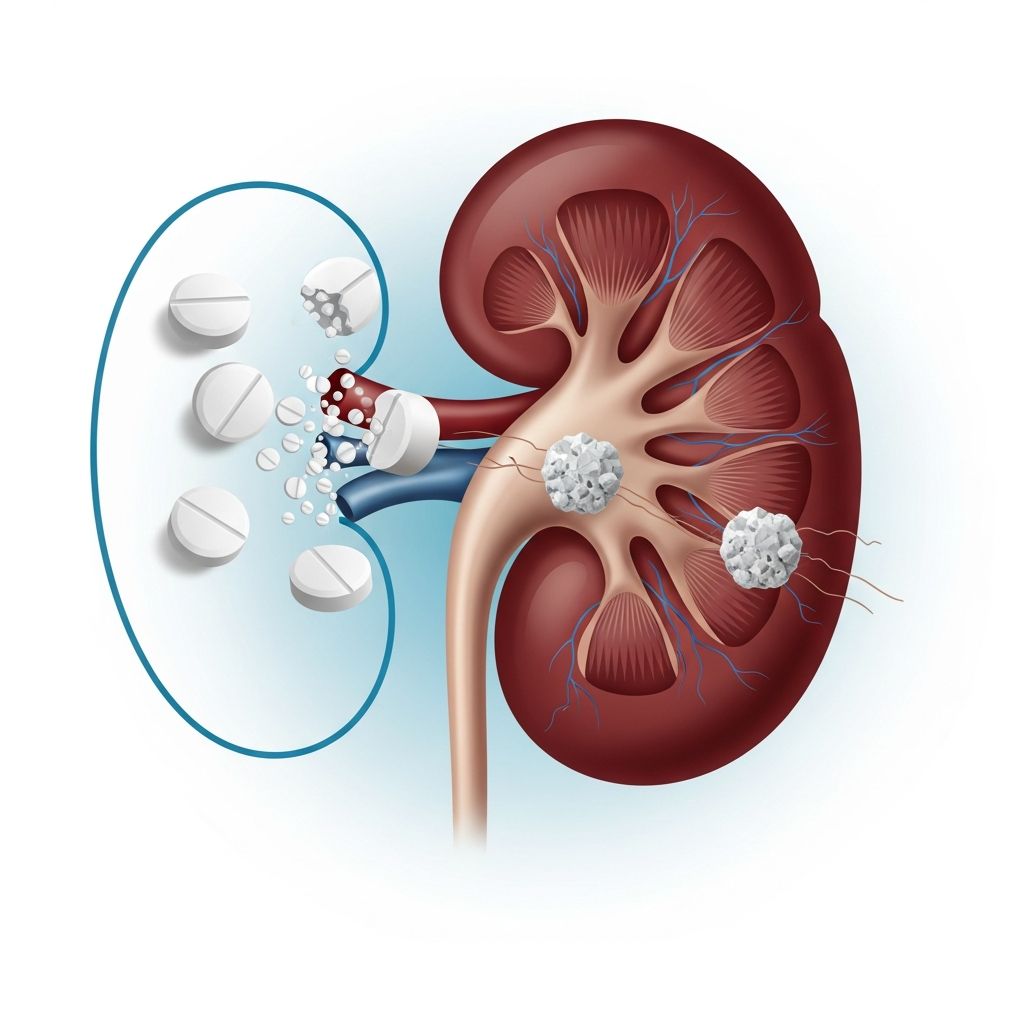
Calcium supplements play a complex role in chronic kidney disease (CKD) management, helping address bone mineral imbalances while posing risks like vascular calcification and kidney stone formation if not carefully controlled.
Understanding Calcium Balance in CKD
In healthy individuals, kidneys regulate calcium through vitamin D activation and phosphate balance. CKD disrupts this, leading to low serum calcium (hypocalcemia), high phosphate (hyperphosphatemia), and secondary hyperparathyroidism, which weakens bones and raises cardiovascular risks.
Low serum calcium signals worsening kidney function, as impaired kidneys fail to produce active vitamin D, reducing gut calcium absorption. High phosphate further binds calcium, lowering blood levels and accelerating progression to kidney failure.
Why Calcium Supplements Are Prescribed for Kidney Patients
Supplements correct hypocalcemia and support renal osteodystrophy—a bone disease from CKD mineral imbalances. Calcium-based phosphate binders treat both low calcium and high phosphate by binding dietary phosphate in the gut.
- Low calcium levels prompt supplementation alongside vitamin D analogs.
- Calcium carbonate or acetate binders lower phosphate absorption.
- They aid bone health but require monitoring to avoid overload.
Recommended Calcium Intake Limits
Guidelines cap total calcium—from diet, supplements, and binders—at 2,000 mg daily for CKD patients, per National Kidney Foundation’s KDOQI. Some experts advocate lowering to 1,000 mg to minimize risks like vascular calcification.
| Patient Calcium Status | Approach | Rationale |
|---|---|---|
| Low serum calcium | Supplements + binders if needed | Corrects hypocalcemia, supports bones |
| Normal or high | Limit/avoid supplements & binders | Prevents overload, calcification |
| With hyperphosphatemia | Calcium-based binders cautiously | Binds phosphate but monitor total intake |
Potential Risks of Excess Calcium in CKD
Over-supplementation increases vascular calcification, where calcium deposits harden arteries and contribute to heart disease—a leading CKD mortality cause. Studies link high supplemental calcium to myocardial infarction and coronary heart disease.
Kidney Stone Formation Concerns
While dietary calcium may reduce oxalate absorption and stone risk, supplements often elevate it. A large trial of postmenopausal women showed 17% higher kidney stone incidence with 1,000 mg daily calcium plus vitamin D versus placebo. Timing matters: meal-time intake mimics diet benefits, but between-meal doses may heighten risk.
- Supplemental calcium >500 mg/day raises urinary oxalate issues.
- CKD patients face amplified stone risk from mineral imbalances.
Other Adverse Effects
Excess calcium correlates with gastrointestinal issues like constipation, colorectal concerns, and possibly prostate cancer or heart events, though evidence varies. In CKD, calcification extends to kidneys, worsening function.
Calcium vs. Non-Calcium Phosphate Binders
Debate surrounds calcium-based versus non-calcium binders like sevelamer or lanthanum. Calcium binders effectively control phosphate but load calcium, promoting calcification. Non-calcium options avoid this but may cost more or cause GI side effects.
Recent balance studies in CKD highlight calcium loading dangers, urging preference for non-calcium binders in many cases.
Monitoring and Testing for Safe Use
Regular blood tests track serum calcium, phosphate, PTH, and vitamin D. Doctors adjust based on:
Related Stories



- Calcium-phosphate product (should stay <55 mg²/dL²).
- Bone turnover markers.
- Imaging for vascular or soft tissue calcification.
Dual-energy X-ray absorptiometry (DXA) assesses bone density, guiding therapy.
Dietary Sources Over Supplements
Food-based calcium is safer, binding oxalates in the gut unlike supplements. CKD-friendly options include low-phosphorus dairy, leafy greens, and fortified foods—limited by potassium/phosphate content.
- Prioritize diet; supplement only if deficient.
- Avoid high-oxalate foods with supplements.
Special Considerations for CKD Stages
Early CKD (stages 1-3) may need less intervention; advanced stages (4-5) demand tight control pre-dialysis. Dialysis patients risk hypercalcemia from binders.
| CKD Stage | Calcium Strategy |
|---|---|
| 1-3 | Diet-focused, monitor levels |
| 4-5 | Binders if hyperphosphatemia; cap intake |
| Dialysis | Non-calcium binders preferred |
Interactions and Contraindications
Calcium absorbs poorly with high-fiber meals or certain meds. Avoid with hypercalcemia, adynamic bone disease, or low-turnover states. Combine cautiously with vitamin D.
Patient Education and Lifestyle Tips
Work with dietitians for renal diets balancing calcium, phosphate, and potassium. Stay hydrated to prevent stones; exercise supports bones safely.
FAQs
Are calcium supplements safe for all CKD patients?
No—only if hypocalcemic and under supervision. High levels contraindicate them.
Do calcium binders increase heart risks?
Yes, via calcification; non-calcium alternatives may be safer.
How much calcium is too much daily?
>2,000 mg total; aim lower per recent expert views.
Can diet replace supplements?
Often yes, safer for stone prevention.
What tests monitor calcium therapy?
Serum calcium, phosphate, PTH, vitamin D.
Emerging Research and Future Directions
Ongoing trials compare binder types for hard outcomes like mortality and fractures. Personalized approaches based on genetics or biomarkers may optimize safety.
References
- The good, the bad, and the ugly of calcium supplementation — PMC. 2018-11-26. https://pmc.ncbi.nlm.nih.gov/articles/PMC6276611/
- Calcium and Chronic Kidney Disease — DaVita. N/A. https://davita.com/diet-nutrition/articles/calcium-and-chronic-kidney-disease/
- Which Supplements Are Bad for the Kidneys? 10 Facts — MyKidneyDiseaseTeam. N/A. https://www.mykidneydiseaseteam.com/resources/which-supplements-are-bad-for-the-kidneys
- Calcium supplementation in chronic kidney disease — PubMed. 2014-08-25. https://pubmed.ncbi.nlm.nih.gov/25134623/
- Kidney Failure Risk Factor: Serum Calcium — National Kidney Foundation. N/A. https://www.kidney.org/kidney-failure-risk-factor-serum-calcium
- Calcium and calcium supplements: Achieving the right balance — Mayo Clinic. N/A. https://www.mayoclinic.org/healthy-lifestyle/nutrition-and-healthy-eating/in-depth/calcium-supplements/art-20047097
Similar Articles








Read full bio of medha deb