Calendula Benefits: 5 Key Uses For Skin, Wound Healing & More
Discover the science-backed skin, wound healing, and anti-inflammatory benefits of calendula for natural wellness.

Calendula officinalis, commonly known as pot marigold, is a vibrant flowering plant revered in traditional medicine for its versatile therapeutic properties. Rich in antioxidants like flavonoids, triterpenoids, carotenoids, and polyphenols, calendula offers anti-inflammatory, antimicrobial, and wound-healing benefits supported by both historical use and modern research. Native to the Mediterranean, its bright orange-yellow petals have been used in Ayurveda, homeopathy, and Unani systems to treat wounds, rashes, infections, and digestive issues. While topical applications are most common and generally safe, oral use requires caution, especially during pregnancy. This article delves into its key benefits, uses, and evidence-based applications.
What Is Calendula?
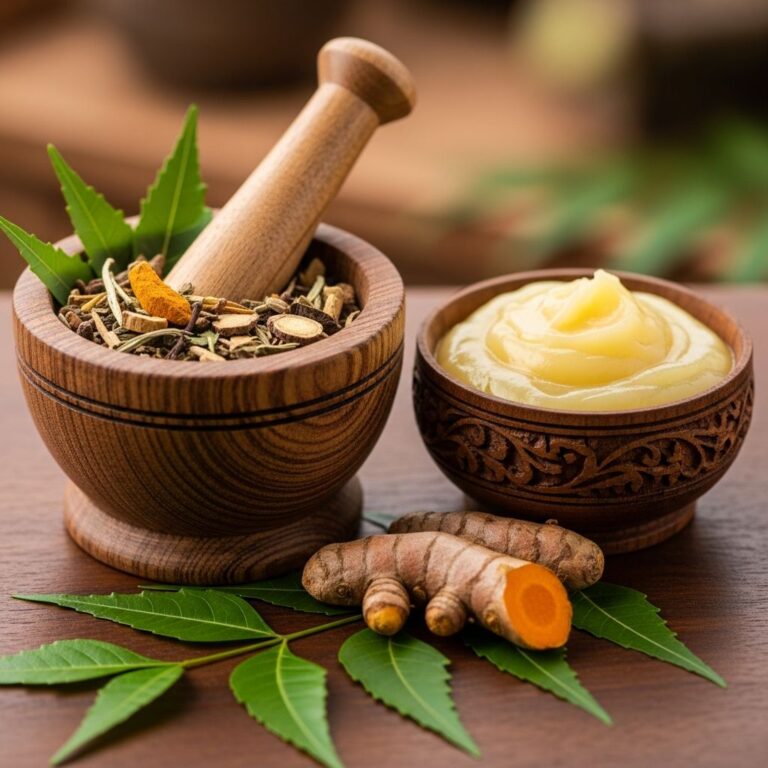
Calendula officinalis is an annual herb from the Asteraceae family, distinct from ornamental marigolds (Tagetes genus). Its daisy-like flowers bloom from spring to fall, thriving in sunny, well-drained soils. Traditionally brewed into teas, infused into oils, or extracted for creams, calendula’s bioactive compounds—flavonoids for color and anti-inflammation, triterpenoids for healing, and carotenoids for antioxidant protection—underpin its efficacy. These neutralize free radicals, reduce oxidative stress, and modulate inflammation via compounds like tumor necrosis factor-alpha (TNFα). In herbalism, it’s a premier skin ally, but evidence varies; human trials support wound care, while others need more research.
Calendula Benefits
Skin Health
Calendula excels in skincare, hydrating dry skin, easing eczema, and reducing wrinkles. Its antioxidants combat oxidative stress, a key aging factor, while emollient properties nourish and protect. Studies show it boosts skin firmness, elasticity, and hydration; in vitro research confirms collagen stimulation for smoother skin. For eczema, anti-inflammatory effects soothe flare-ups, though direct trials are limited. It’s ideal for sensitive skin, including babies, in lotions for diaper rash or stretch marks via carotenoid-driven regeneration.
- Hydration and Anti-Aging: Calendula creams moisturize, reducing fine lines by shielding against environmental damage.
- Eczema and Dermatitis: Soothes irritation; traditional use for rashes.
- Stretch Marks: Twice-daily oil massage promotes cell turnover.
Wound Healing
Calendula accelerates wound closure by stimulating granulation tissue, collagen production, and new skin growth while preventing infection. Animal and in vitro studies highlight its role in the inflammation phase, with human trials showing promise: a 12-week study on venous leg ulcers reported 72% complete healing vs. 32% in controls; another on diabetic foot ulcers achieved 78% closure with daily spray. Effective for minor cuts, burns, scrapes, and ulcers, it pairs well with arnica.
- Mechanism: Antibacterial/antiviral properties protect sites; promotes protein expression for repair.
- Evidence: Faster healing in burns and post-surgical wounds per reviews.
Anti-Inflammatory Effects
Flavonoids and triterpenoids reduce swelling, pain, and chronic inflammation linked to arthritis, gingivitis, and metabolic issues. It modulates TNFα, easing conditions like IBD or GERD. Topically, it calms diaper dermatitis; orally, teas aid heartburn.
Antimicrobial and Antifungal
Calendula combats bacteria, fungi, and parasites. In vitro, flower oil inhibited 23 Candida strains, aiding vaginal candidiasis and oral thrush. It fights leishmania parasites causing ulcers and may treat bacterial vaginosis via creams reducing odor and pain. Antiviral effects noted in reviews.
Related Stories



Oral Health
For gingivitis, a six-month study of 240 participants found calendula mouthwash reduced inflammation by 46% vs. 35% in controls. Effective for sore throats, ulcers, and conjunctivitis.
Other Potential Benefits
Anti-cancer: Flavonoids/triterpenes kill leukemia, colon, and pancreatic cells in vitro by activating death proteins. Digestive: Teas heal peptic ulcers, GERD. Menstrual: Eases dysmenorrhea. Limited evidence for heart health, muscle recovery.
| Benefit | Evidence Level | Primary Uses |
|---|---|---|
| Wound Healing | Strong (human trials) | Cuts, ulcers, burns |
| Skin Nourishment | Moderate (in vitro/human) | Eczema, dryness, aging |
| Anti-Inflammatory | Moderate | Arthritis, rashes |
| Antimicrobial | In vitro/ prelim human | Infections, candida |
| Oral Health | Human trial | Gingivitis, ulcers |
How to Use Calendula
Topical: Oils, creams, ointments for wounds/skin (apply 2x daily); baths with drops for moisture. Oral: Teas for digestion (1-2 cups/day); mouthwashes. Forms: Extracts, tinctures, gels. Start patch-tested.
Side Effects and Precautions
Generally safe topically, even for infants. Allergies possible (Asteraceae family). Oral use risks uterine contractions—avoid in pregnancy/breastfeeding. Consult doctors for cancers/fever.
Frequently Asked Questions (FAQs)
Is calendula safe for babies?
Yes, topical use nourishes sensitive skin and treats diaper rash effectively.
Can calendula heal wounds?
Yes, studies show faster closure for ulcers and cuts via collagen boost.
Does calendula fight infections?
In vitro evidence supports antifungal/antibacterial action against Candida and more.
Is calendula good for skin aging?
Antioxidants hydrate and firm skin, reducing wrinkles per studies.
Can I drink calendula tea while pregnant?
No, it may cause contractions; avoid oral use.
References
- 6 Incredible Calendula Benefits For Skin, Plus Tips For Use — Mustela USA. 2023. https://www.mustelausa.com/blogs/mustela-mag/calendula-benefits
- Calendula: Benefits, 13 Uses, Warnings, Side Effects, Dosage — MedicineNet. 2024. https://www.medicinenet.com/calendula/article.htm
- 7 Potential Benefits of Calendula Tea and Extracts — Vinmec. 2023. https://www.vinmec.com/eng/blog/7-potential-benefits-of-calendula-tea-and-extracts-en
- Calendula’s Uses: A Medicinal & Edible Flower — Chestnut School of Herbal Medicine. 2023. https://chestnutherbs.com/uses-and-benefits-of-calendula/
- An Updated Review on the Multifaceted Therapeutic Potential of Calendula officinalis — PMC (NCBI). 2023-04-20. https://pmc.ncbi.nlm.nih.gov/articles/PMC10142266/
- 6 Ways to Use Calendula Oil for Your Skin — Healthline. 2023. https://www.healthline.com/health/calendula-oil
Similar Articles








Read full bio of medha deb