Calf Muscle: Anatomy, Function & Common Conditions
Understanding calf muscle anatomy, function, and how to keep them healthy and strong.
Understanding the Calf Muscle
The calf muscle is one of the most important and frequently used muscles in the human body. Located at the back of your lower leg, the calf comprises multiple muscles that work together to enable movement, provide stability, and support your body weight during everyday activities. Whether you’re walking, running, jumping, or simply standing, your calf muscles are actively engaged. Understanding the anatomy and function of these muscles is essential for maintaining leg health, preventing injuries, and optimizing athletic performance.
Calf Muscle Anatomy
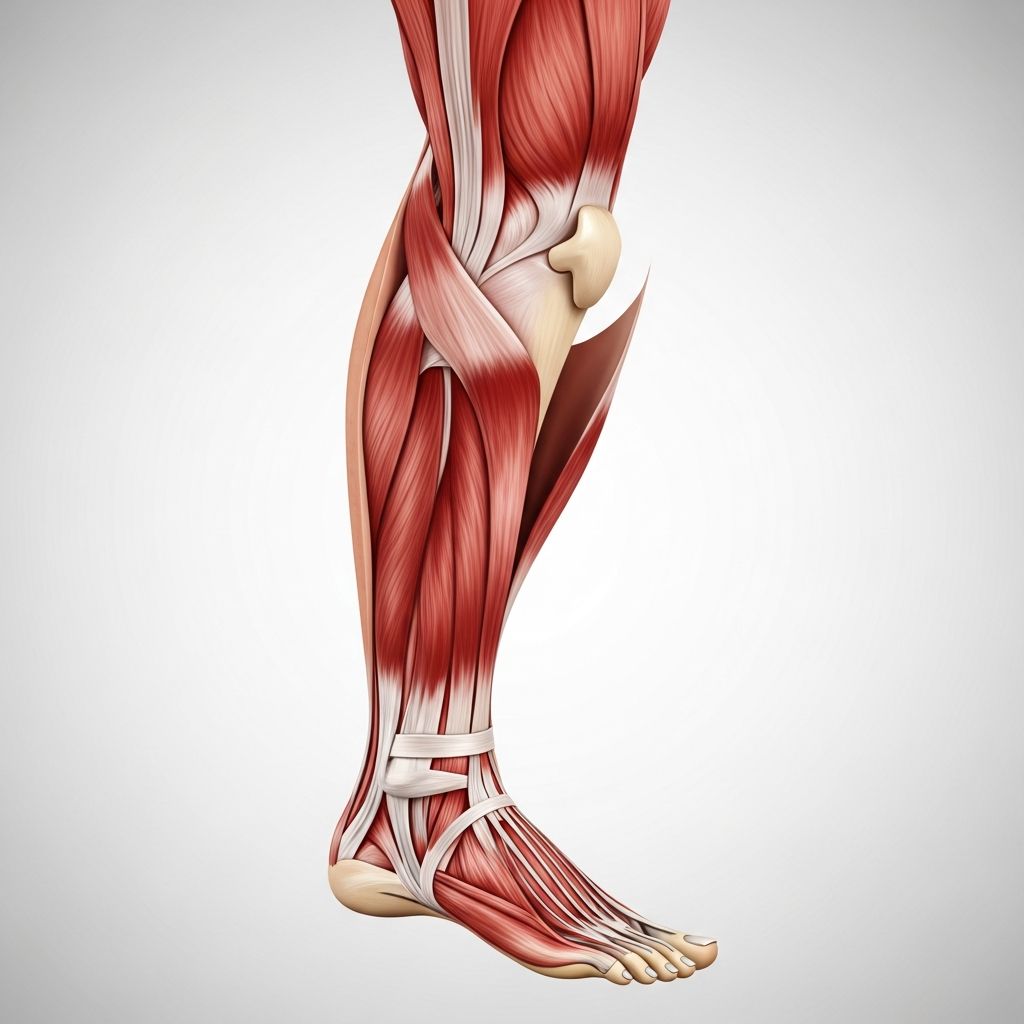
The calf region is composed of two primary muscles that work in coordination: the gastrocnemius and the soleus. These muscles are located in the posterior (back) compartment of the lower leg and share a common insertion point at the heel bone through the Achilles tendon.
The Gastrocnemius Muscle
The gastrocnemius is the larger and more superficial of the two calf muscles, making it the muscle you can typically see and feel when looking at your leg from behind. This muscle originates from two points on the femur (thighbone) above the knee, specifically from the medial and lateral femoral condyles. Because of these dual attachment points above the knee, the gastrocnemius crosses two joints: the knee joint and the ankle joint. This dual-joint involvement gives the gastrocnemius unique functional capabilities compared to other calf muscles.
The gastrocnemius extends downward along the back of your leg and joins with the soleus muscle to form the common Achilles tendon, which attaches to the calcaneus (heel bone). The muscle fibers of the gastrocnemius are relatively short but powerful, making it ideal for explosive movements and providing the primary propelling force during running and jumping activities.
The Soleus Muscle
The soleus muscle lies deep to the gastrocnemius, meaning it sits underneath it. This muscle originates from the tibia (shinbone) and fibula (smaller calf bone) in the lower leg, below the knee joint. Unlike the gastrocnemius, the soleus only crosses the ankle joint, not the knee joint. This anatomical difference means the soleus functions independently of knee position.
The soleus is composed primarily of slow-twitch muscle fibers, making it exceptionally well-suited for sustained activities and postural control. This muscle provides the greatest force for sustained plantarflexion, which is critical during prolonged standing and walking. While the soleus may not be as visually prominent as the gastrocnemius, it is incredibly strong and contributes significantly to the overall power of the calf.
The Achilles Tendon Connection
Both the gastrocnemius and soleus muscles converge to form the Achilles tendon, which is the thickest and strongest tendon in your entire body. This remarkable tendon connects your calf muscles directly to your heel bone and serves as the critical link that transmits the force generated by calf muscle contractions to your foot. The Achilles tendon is composed of collagen, which provides strength and structural integrity, and elastin, which enables stretching and elastic recoil during movement.
Related Stories



The Role of Supporting Structures
Beyond the primary calf muscles, several other structures support calf function and movement. The fibula, your smaller calf bone, provides structural support to the leg without bearing significant weight. The fibula runs from just below your knee to your ankle and supports numerous muscles, tendons, nerves, and ligaments. The tibia (shinbone) is the larger weight-bearing bone that works alongside the fibula to form the skeletal foundation of the lower leg.
Additional muscles in the posterior compartment of the lower leg include the plantaris, tibialis posterior, flexor digitorum longus, and flexor hallucis longus. These muscles work synergistically with the gastrocnemius and soleus to produce coordinated movement and maintain stability in your feet and ankles.
Functions of the Calf Muscle
The calf muscles perform several essential functions that enable a wide range of physical activities and maintain proper body mechanics.
Plantarflexion
The primary function of the calf muscles is plantarflexion, which is the downward pointing of your foot at the ankle joint. When you stand on your tiptoes, press the gas pedal in a car, or point your foot downward, you are performing plantarflexion. This movement is essential for numerous daily activities and athletic endeavors.
Propulsion and Movement
The calf muscles provide the propelling force necessary for running, jumping, and climbing stairs. During these dynamic activities, the calf muscles contract forcefully to lift your heel off the ground and propel your body forward or upward. The gastrocnemius, with its powerful fast-twitch fibers, is particularly important for explosive movements like sprinting and jumping, while the soleus maintains continuous tension during sustained activities.
Postural Support
The calf muscles, especially the soleus, play a crucial role in maintaining upright posture and balance. When you stand, your calf muscles work continuously to adjust your ankle position and keep your body aligned over your feet. This postural function is essential for preventing falls and maintaining stability on uneven surfaces.
Assisting Knee Flexion
Because the gastrocnemius originates above the knee joint, it assists in knee flexion as a secondary function. When you bend your knee, the gastrocnemius helps contribute to this movement, though the primary knee flexors are the hamstring muscles.
Calf Muscle Compartmentalization
The calf region is organized into distinct fascial compartments, each containing specific muscles with unique functions. The posterior compartment, where the primary calf muscles reside, is divided into superficial and deep layers.
Superficial Posterior Compartment
The superficial posterior compartment contains the gastrocnemius, soleus, and plantaris muscles. These muscles are primarily responsible for powerful plantarflexion and contribute to knee flexion. They are innervated by the tibial nerve and work together to produce the forceful movements necessary for activities like jumping and sprinting.
Deep Posterior Compartment
The deep posterior compartment includes the tibialis posterior, flexor digitorum longus, and flexor hallucis longus. While these muscles are not typically considered part of the “calf” in common usage, they support calf function by assisting with plantarflexion, toe flexion, and arch support. These deeper muscles are essential for maintaining proper foot mechanics and preventing injuries.
Innervation and Nerve Supply
The calf muscles receive their nerve supply from the tibial nerve, a branch of the sciatic nerve. This nerve provides both motor innervation (enabling muscle contraction) and sensory innervation to the calf region. Proper nerve function is essential for coordinated calf muscle contractions and proprioceptive feedback about foot and ankle position.
Common Calf Muscle Conditions
Understanding common conditions affecting the calf muscle can help you recognize symptoms and seek appropriate treatment.
Calf Strains
Calf strains occur when the muscle fibers are stretched or torn beyond their normal range of motion. These injuries typically result from sudden movements, inadequate warm-up before exercise, or sudden increases in activity intensity. Symptoms include pain, swelling, bruising, and difficulty walking or moving the ankle.
Muscle Cramps
Calf cramps are involuntary muscle contractions that cause sudden, intense pain. These can result from dehydration, electrolyte imbalances, muscle fatigue, or prolonged sitting or standing. Stretching and gentle massage often provide relief.
Achilles Tendinitis
Since the Achilles tendon is the direct continuation of the calf muscles, inflammation of this tendon (tendinitis) often involves the calf region. Overuse, tight calf muscles, and improper footwear can contribute to this painful condition.
Deep Vein Thrombosis (DVT)
Although not a muscle condition per se, blood clots in the deep veins of the calf can cause swelling, pain, and warmth in the calf region. This is a serious medical condition requiring immediate attention.
Maintaining Calf Muscle Health
Proper care of your calf muscles is essential for maintaining mobility, preventing injuries, and optimizing athletic performance.
Regular Stretching
Maintaining flexibility in the calf muscles through regular stretching helps prevent muscle tightness, reduces injury risk, and improves range of motion. Simple stretches like standing calf stretches against a wall or downward-facing dog yoga poses can be performed daily.
Strengthening Exercises
Calf raises, jump rope, and other exercises that target the calf muscles help build strength and endurance. Strong calf muscles support better athletic performance and reduce injury risk.
Gradual Training Progression
Increasing exercise intensity or volume too quickly is a common cause of calf injuries. Gradual progression allows your muscles to adapt and strengthens the muscle fibers and supporting connective tissues.
Proper Footwear
Wearing supportive shoes with appropriate cushioning helps reduce stress on the calf muscles and Achilles tendon during daily activities and exercise.
Warm-up and Cool-down
Always warm up before intense exercise and cool down afterward. This helps prepare your muscles for activity and aids in recovery.
Frequently Asked Questions
Q: What causes calf muscle pain?
A: Calf muscle pain can result from muscle strains, cramps, overuse, poor stretching habits, or conditions affecting the Achilles tendon. Sudden increases in physical activity or inadequate warm-up often trigger pain.
Q: How long does a calf muscle strain take to heal?
A: Mild calf strains typically heal within 2-3 weeks with appropriate rest, ice, compression, and elevation (RICE protocol). More severe strains may require 4-6 weeks or longer for complete recovery.
Q: Can I run with a calf strain?
A: Running with an acute calf strain can worsen the injury. It’s best to rest the muscle initially and gradually return to running as pain subsides. Consult a healthcare provider before resuming intensive exercise.
Q: Why do my calf muscles cramp at night?
A: Night cramps can result from dehydration, electrolyte imbalances, muscle fatigue, or prolonged muscle contraction. Stretching before bed and staying hydrated may help prevent these cramps.
Q: What’s the difference between the gastrocnemius and soleus?
A: The gastrocnemius is the larger, visible muscle that crosses both the knee and ankle joints, providing explosive power. The soleus lies beneath it, crosses only the ankle joint, and specializes in sustained plantarflexion for postural support.
Q: How can I prevent calf injuries?
A: Prevent calf injuries by stretching regularly, warming up before exercise, gradually increasing activity intensity, wearing supportive footwear, and maintaining overall lower leg strength and flexibility.
References
- Gastrocnemius Muscle: Calf Muscle, Plantar Flexion, & Movement — Britannica. 2024. https://www.britannica.com/science/gastrocnemius-muscle
- What Is the Achilles Tendon? — Cleveland Clinic. 2024. https://my.clevelandclinic.org/health/body/achilles-tendon-calcaneal-tendon
- Leg Muscle Anatomy Guide: Compartments & Functions — BodySpec. 2024. https://www.bodyspec.com/blog/post/leg_muscle_anatomy_guide
- Fibula (Calf Bone): Anatomy, Function & Common Conditions — Cleveland Clinic. 2024. https://my.clevelandclinic.org/health/body/23122-fibula-calf-bone
- Leg Muscles: Anatomy and Function — Cleveland Clinic. 2024. https://my.clevelandclinic.org/health/body/22220-leg-muscles
- Tendon (Sinew): What It Is, Anatomy & Function — Cleveland Clinic. 2024. https://my.clevelandclinic.org/health/body/21738-tendon
Similar Articles








Read full bio of Sneha Tete