Calisthenics: An Effective Low-Frills Way to Stay Fit
Master bodyweight training: Build strength, endurance, and flexibility with minimal equipment.
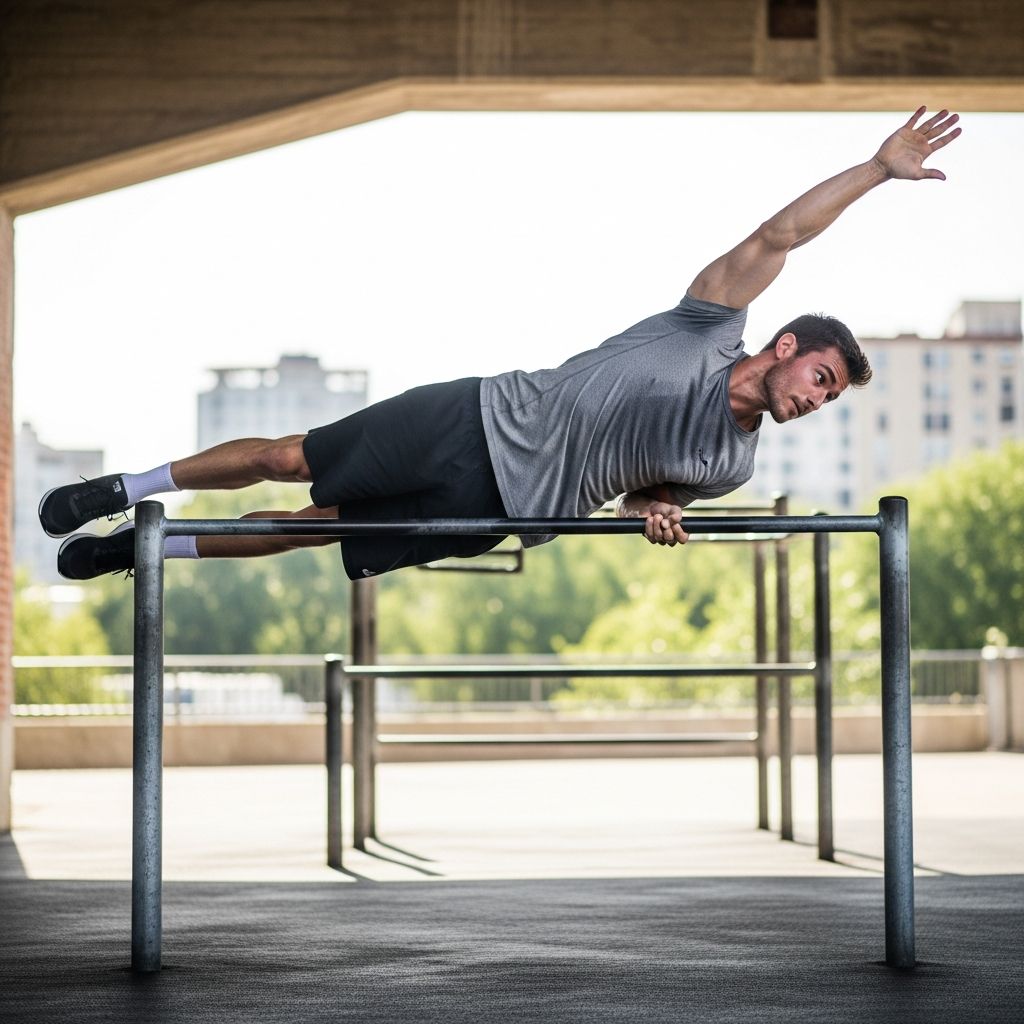
In an era where expensive gym memberships and specialized equipment often feel like prerequisites for fitness, calisthenics offers a refreshing alternative. This time-tested approach to physical conditioning requires nothing more than your body weight and a small amount of space, making it one of the most accessible forms of exercise available today. Whether you’re looking to build strength, improve endurance, or enhance overall fitness without financial or logistical barriers, calisthenics delivers tangible results that rival more equipment-intensive training methods.
Calisthenics represents a comprehensive form of exercise that extends far beyond simple push-ups and squats. This versatile workout regimen engages multiple muscle groups simultaneously through controlled movements that leverage bodyweight as resistance. The beauty of calisthenics lies in its simplicity paired with its remarkable effectiveness—it requires no monthly fees, no transportation to a gym, and no complicated machinery to learn.
Understanding Calisthenics: Definition and Core Principles
Calisthenics encompasses free body exercises performed with varying degrees of intensity and rhythm, which may or may not incorporate light handheld apparatus such as rings and wands. The term originates from the Greek words for “beauty” and “strength,” reflecting its dual purpose of building both aesthetic physique and functional fitness.
At its core, calisthenics employs fundamental motions including bending, stretching, twisting, swinging, kicking, and jumping, along with specialized movements like push-ups, pull-ups, and sit-ups. Unlike isolated weight training that targets individual muscle groups, calisthenics exercises engage multiple joints simultaneously, promoting functional and efficient movement patterns. This holistic approach means that nearly every exercise works your entire body in some capacity, creating compound movements that maximize efficiency and results.
The Comprehensive Benefits of Calisthenics Training
The advantages of calisthenics extend across multiple dimensions of fitness and health. When performed consistently with proper form, calisthenics workouts deliver measurable improvements across several key areas:
Strength Development
Calisthenics promotes substantial gains in muscular strength by placing controllable, regular demands on your muscles. As you progress through exercises, you increase the difficulty through variations, reduced rest periods, or advanced movements, creating progressive overload that builds strength over time. Movements like handstand holds build upper body strength while enhancing balance and improving core stability.
Muscular Endurance and Hypertrophy
The benefits of calisthenics include significant improvements in muscular endurance and muscle-building capacity. When pursuing hypertrophy goals, practitioners aim to increase load volume over time through exercise variations and higher repetitions. This approach allows muscles to develop both size and resilience, creating functional strength that translates to daily activities.
Flexibility and Mobility
Calisthenics focuses on strengthening muscles through a full range of motion, directly translating to improved flexibility and mobility. Simple exercises like push-ups improve chest and shoulder mobility, while squats massively increase the range of motion in the lower body and strengthen legs for balance. This comprehensive approach to flexibility prevents injury and improves overall quality of life.
Cardiovascular Health
Calisthenics augments the body’s general well-being by placing controllable, regular demands upon the cardiovascular system. High-intensity calisthenics routines elevate heart rate and build cardiovascular endurance, providing aerobic benefits comparable to traditional cardio training without requiring specialized equipment.
Coordination and Balance
Related Stories



The nature of calisthenics exercises inherently requires and develops coordination and balance. Bodyweight skills demand flexibility, mobility, and balance as fundamental components of the training philosophy. As you progress to more advanced movements, these attributes naturally improve, directly translating to enhanced athletic performance and daily functionality.
Common Calisthenics Exercises for All Levels
Calisthenics offers tremendous versatility through a wide variety of exercises suitable for different fitness levels and goals. Understanding these fundamental movements provides a foundation for building an effective training program.
Push-Ups
Push-ups serve as a foundational calisthenics exercise that provides clear, measurable results. Performed face down on the floor with palms positioned under the shoulders, push-ups train the chest, shoulders, and triceps. Proper form requires maintaining a straight line from head to heel, controlling the descent, and achieving full extension at the top. Even this seemingly simple movement requires proper alignment and full range of motion to ensure safety and effectiveness. Easier variations, such as placing hands on a wall, allow beginners to build strength progressively.
Pull-Ups and Chin-Ups
These upper body movements build significant back, shoulder, and arm strength. They require access to a pull-up bar but minimal other equipment, making them highly accessible for home training.
Squats
Squats exemplify compound, full-body movements that require a solid base of lower body strength. This exercise massively increases range of motion while strengthening legs and core for balance. Variations range from basic bodyweight squats to pistol squats for advanced practitioners.
Jumping Jacks
The side-straddle hop is a two-action exercise performed from a standing position, jumping while moving legs more than shoulder-width apart and swinging arms overhead. This movement elevates heart rate quickly and provides cardiovascular benefits.
Planks and Core Work
Core exercises play a massive role in providing balance and stability. The core engagement requirement inherent in calisthenics training translates to an increasingly stronger, functional core that provides benefits far beyond aesthetic appearance. When following a proper calisthenics routine, developing a solid, functional core becomes inevitable, directly contributing to overall quality of life and longevity.
Advanced Movements
For experienced practitioners, advanced calisthenics movements like handstand holds, hanging movements, and creative variations showcase the advanced control over body weight that calisthenics offers. These movements highlight the high level of base strength and skill required, demonstrating the progressive nature of this training method.
Training Methods and Goal-Specific Approaches
Calisthenics can be employed to pursue numerous fitness goals, with training methods varying depending on specific objectives:
Hypertrophy Training
When pursuing muscle mass development, practitioners aim to increase load volume over time. This involves performing higher repetitions, using more challenging variations, or reducing rest periods between sets to create metabolic stress that stimulates muscle growth.
Strength Training
Strength-focused training increases the intensity of exercises over time. This approach emphasizes lower repetitions with maximum effort, allowing the nervous system to adapt and produce greater force output.
Endurance Training
To improve endurance, practitioners gradually shorten their rest periods, creating higher work capacity and cardiovascular adaptation. This approach builds both muscular and aerobic endurance simultaneously.
Comprehensive Fitness Development
A balanced calisthenics routine addresses all aspects of fitness simultaneously. The versatility of calisthenics creates a holistic approach to fitness that covers every attribute you want to work on. The comprehensive nature means you’re developing strength, flexibility, balance, and coordination in unison rather than in isolation.
The Accessibility and Cost-Effectiveness Advantage
One of calisthenics’ most compelling advantages is its accessibility. This training method minimizes equipment use, making calisthenics a popular choice for encouraging fitness across a wide range of environments for strength training. Whether you’re in a small apartment, a park, or traveling internationally, calisthenics requires nothing more than your body and basic space.
The cost-effectiveness extends beyond eliminating gym membership fees. You avoid purchasing expensive equipment, personal training sessions, or specialized clothing. This democratization of fitness means that financial constraints need not prevent anyone from achieving their fitness goals.
Considerations and Potential Limitations
While calisthenics offers substantial benefits, understanding its limitations ensures you can train effectively and safely. High-intensity, advanced movements highlighted in calisthenics communities might not suit everyone, especially beginners or those with pre-existing physical conditions. Several important considerations merit attention:
Progressive Overload Challenges
Unlike traditional weight training where you simply add more pounds, creating progressive overload in calisthenics requires creativity and planning. Eventually, basic exercises may feel too easy, necessitating progression to more advanced variations or techniques like tempo changes and reduced rest periods.
Form and Injury Prevention
The potential risk of injury from performing exercises without proper form is often underestimated in the pursuit of impressive movements. Premature progressions can lead to compromised form and consequential injuries. Calisthenics exercises, if not performed correctly, can be hard on your body, particularly the joints and connective tissues. The lack of personalized training and guidance can exacerbate these problems.
Isolation Training Limitations
Calisthenics involves complete body engagement when training, with all muscle groups working in unison to perform exercises with perfect form. However, if your goal is to isolate specific muscle groups for additional hypertrophy or target lagging muscle groups, calisthenics alone may not fully address these needs. This comprehensive approach, while beneficial for overall development, may not provide the targeted stimulus some athletes require.
Calisthenics vs. Traditional Gym Training: A Comparative Overview
| Factor | Calisthenics | Traditional Gym Training |
|---|---|---|
| Cost | Free to minimal | Monthly membership fees |
| Equipment Required | None or minimal | Barbells, dumbbells, machines |
| Progressive Overload | Exercise variations, tempo changes | Adding weight directly |
| Muscle Isolation | Limited isolation options | Excellent isolation exercises |
| Accessibility | Anywhere, anytime | Location dependent |
| Compound Movements | Natural emphasis | Requires intentional programming |
| Learning Curve | Moderate to high | Lower initial barrier |
Getting Started With Calisthenics: Practical Guidance
Whether you’re a beginner wondering how to start calisthenics or an advanced trainee considering a switch, several practical steps ensure success:
Start With Fundamentals
Begin with basic movements like push-ups, squats, and planks. Master proper form before progressing to more advanced variations. This foundation prevents injury and establishes good movement patterns that benefit your training for years to come.
Progress Systematically
Gradually increase difficulty through additional repetitions, reduced rest periods, or exercise variations. Avoid the temptation to progress too quickly, which compromises form and increases injury risk.
Maintain Consistency
Regular, consistent training produces better results than sporadic intense sessions. Even 20-30 minutes of quality calisthenics three to four times weekly delivers substantial improvements over time.
Consider Professional Guidance
Video tutorials and reputable fitness websites provide valuable instruction, but personalized guidance from qualified trainers can accelerate progress and prevent injuries, particularly as you advance to complex movements.
Calisthenics for Long-Term Health and Fitness
Calisthenics can be used to increase bone density, increase core control, and reduce stiffness, among many other benefits. The holistic nature of calisthenics training means you’re developing balanced fitness that translates directly to improved daily function and longevity.
When you train with calisthenics, expect comprehensive improvements that extend far beyond aesthetics. A functional, solid core comes along with strength development. You’ll notice improved posture, reduced back pain, enhanced athletic performance, and greater confidence in physical capabilities.
Frequently Asked Questions About Calisthenics
Q: How long does it take to see results from calisthenics?
A: Most people notice improved strength and endurance within 2-3 weeks of consistent training. Visible muscle development typically becomes apparent within 4-8 weeks, depending on genetics, diet, and training intensity.
Q: Can calisthenics build significant muscle mass?
A: Yes, calisthenics can build substantial muscle mass when combined with progressive overload, adequate nutrition, and sufficient rest. While it may not match the hypertrophy potential of heavy weight training for isolated muscles, it develops functional muscle effectively.
Q: Is calisthenics suitable for older adults?
A: Absolutely. Calisthenics can be modified to suit any fitness level or age. Beginning with easier variations and progressing gradually allows older adults to build strength, maintain independence, and improve overall health safely.
Q: Do I need any equipment to start calisthenics?
A: No. Basic calisthenics requires nothing but your body and a small space. As you progress, you might eventually want a pull-up bar or resistance bands, but these are optional and inexpensive additions.
Q: Can calisthenics replace gym training?
A: For many fitness goals, yes. Calisthenics provides excellent strength, endurance, and functional fitness development. However, those seeking significant muscle isolation or maximum strength gains might benefit from supplementing calisthenics with targeted weight training.
Q: How often should I do calisthenics workouts?
A: Most people benefit from 3-4 calisthenics sessions weekly, with rest days between sessions for recovery. This frequency allows sufficient recovery while maintaining consistent progress.
Conclusion: Embracing the Simplicity and Effectiveness of Calisthenics
Calisthenics represents an effective, accessible, and sustainable approach to fitness that has endured for centuries. By placing controllable, regular demands upon your body, this simple yet comprehensive training method builds strength, endurance, flexibility, and coordination while requiring minimal investment or equipment.
Whether you’re seeking to escape expensive gym memberships, exercise while traveling, or simply discover a more functional approach to fitness, calisthenics delivers measurable results. The comprehensive benefits extend beyond physical changes to include improved mobility, enhanced balance, stronger cardiovascular health, and greater overall well-being.
While calisthenics has limitations—particularly regarding muscle isolation and progressive overload—these challenges are manageable through thoughtful programming and creativity. For most people seeking improved fitness without financial or logistical barriers, calisthenics offers a low-frills, highly effective solution that truly works.
References
- A Comprehensive Look At Calisthenics Workouts — Functional Patterns. 2025. https://functionalpatterns.com/blogs/articles/a-comprehensive-look-at-calisthenics-workouts
- Calisthenics | Definition, History, Benefits, & Facts — Britannica. 2025-10-16. https://www.britannica.com/sports/calisthenics
- Calisthenics — Wikipedia. 2025. https://en.wikipedia.org/wiki/Calisthenics
- Is Calisthenics Really A Better Way To Train? Calisthenics Pros and Cons — The Movement Athlete. 2025. https://themovementathlete.com/calisthenics-pros-and-cons/
Similar Articles








Read full bio of Sneha Tete