Calm Your Anxious Heart: Managing Anxiety and Heart Health
Learn effective strategies to manage anxiety and protect your cardiovascular health.
The Mind-Heart Connection: Understanding Anxiety and Cardiovascular Health
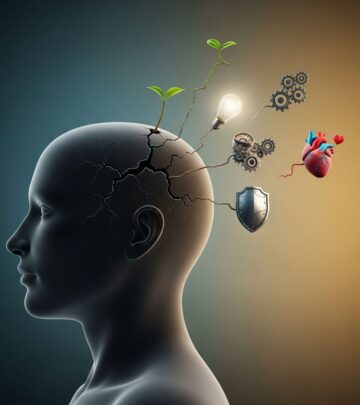
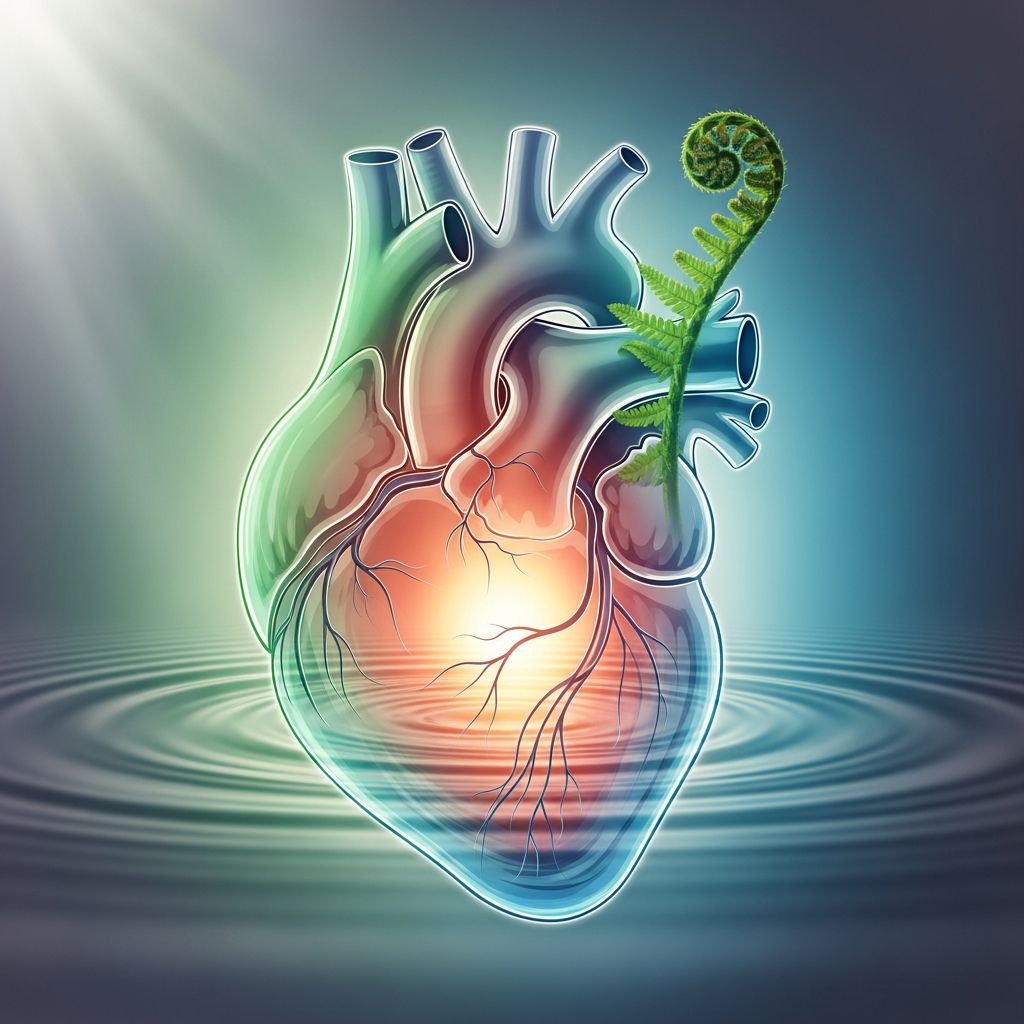
The relationship between mental health and physical well-being is more profound than many people realize. When anxiety takes hold, it does not merely affect your emotional state—it fundamentally impacts your cardiovascular system. The heart and mind are intricately connected, with anxiety, depression, and chronic stress all increasing the risk for serious heart and brain health complications. Understanding this connection is the first step toward protecting both your mental and physical health.
Recent research has illuminated the mechanisms by which psychological stress affects the heart. Anxiety and depression accelerate the development of cardiovascular disease risk factors, including high blood pressure, high cholesterol, and Type 2 diabetes. This means that managing anxiety is not simply a matter of feeling better emotionally—it is a critical component of heart disease prevention and management.
How Anxiety Affects Your Heart
Anxiety triggers a cascade of physiological responses in your body. When you experience anxiety, your nervous system activates the fight-or-flight response, releasing stress hormones such as cortisol and adrenaline. These hormones increase your heart rate, elevate blood pressure, and cause your blood vessels to constrict. While this response is helpful in genuinely dangerous situations, chronic anxiety keeps your body in a constant state of high alert, which takes a toll on your cardiovascular system.
Over time, elevated stress hormones can affect blood sugar levels, increase inflammation throughout your body, and trigger other biological chain reactions that compromise heart health. Additionally, stress can influence lifestyle behaviors, leading people to smoke more, exercise less, and engage in other habits that further damage cardiovascular health.
Physical Symptoms of an Anxious Heart
An anxious heart often announces itself through distinctive physical sensations. You might experience:
- Heart palpitations or a fluttering sensation in your chest
- A feeling of heaviness or tightness across your chest
- An irregular or racing heartbeat
- Shortness of breath or difficulty catching your breath
- Dizziness or lightheadedness
- A persistent awareness of your heartbeat that feels uncomfortable
These symptoms, while often benign in nature, can create a feedback loop: anxiety causes physical symptoms, which in turn increase anxiety. Breaking this cycle requires both understanding what is happening and implementing effective management strategies.
The Cumulative Impact of Stress on Heart Health
Recent research has introduced a more nuanced way of understanding stress through the “cumulative stress score,” which integrates multiple types of stress that people experience in their daily lives. This comprehensive approach recognizes that individuals do not experience stress in isolation—rather, everyday stressors, financial worries, social pressures, and neighborhood safety concerns all combine to create a cumulative burden.
This cumulative stress shows a strong association with cardiovascular disease development, even after accounting for traditional risk factors like smoking, high cholesterol, and diabetes. This finding is particularly important for understanding stress in diverse and minoritized populations, which may experience multiple, simultaneous stressors that compound the risk to cardiovascular health.
Proven Strategies to Calm Your Anxious Heart
Ritualistic Practices and Performance Anxiety
One fascinating discovery from behavioral research is that performing rituals can effectively reduce anxiety and heart rate. Studies have demonstrated that performing a ritual was more effective at reducing heart rate than actively attempting to calm down. This suggests that structured, intentional rituals may bypass the counterproductive effects of trying to suppress anxiety directly.
Rituals work because they provide a sense of control and structure during uncertain or anxiety-provoking situations. Whether it is a pre-performance routine, a morning meditation practice, or a calming bedtime ritual, these structured behaviors help ground you in the present moment and reduce anxious arousal.
Cognitive Reframing and Emotional Reappraisal
Rather than fighting against anxiety or attempting to suppress it, one of the most effective clinical techniques for reducing anxiety is cognitive behavioral therapy (CBT) and emotional reappraisal. This approach involves reframing negatively-valenced high arousal—such as anxiety—as positively-valenced high arousal, like excitement or challenge.
When your heart races before a presentation, instead of interpreting this as a sign of danger, you can reframe it as your body preparing you to perform at your best. This subtle shift in perspective can significantly reduce anxious feelings while maintaining the physiological activation that actually enhances performance.
Expressive Writing and Emotional Processing
Research converges to suggest that expressive writing is one of the most effective strategies for reducing anxious arousal. Setting aside time to write about your worries, fears, or stressful situations helps externalize internal anxiety and provides psychological distance from overwhelming emotions. This practice allows you to organize chaotic thoughts and process emotions in a structured way.
Lifestyle Modifications for Heart Health
Beyond psychological techniques, fundamental lifestyle changes provide the foundation for managing anxiety and protecting your cardiovascular system:
- Regular Physical Activity: Exercise is one of the most powerful anxiety reducers and is essential for cardiovascular health. Aim for at least 150 minutes of moderate-intensity aerobic activity per week.
- Healthy Nutrition: A diet rich in fruits, vegetables, whole grains, and lean proteins supports both mental and heart health while reducing inflammation.
- Quality Sleep: Inadequate sleep exacerbates anxiety and increases cardiovascular risk. Aim for 7-9 hours of consistent, quality sleep each night.
- Stress Management Practices: Meditation, yoga, tai chi, and deep breathing exercises directly activate your parasympathetic nervous system, promoting calm and relaxation.
- Social Connection: Meaningful relationships and social support are protective factors against both anxiety and heart disease.
When to Seek Professional Screening and Support
If you experience depression or anxiety, healthcare professionals recommend more frequent screening of cardiovascular risk factors such as high blood pressure, high cholesterol, and Type 2 diabetes. The relationship between psychological health and cardiovascular disease is clear enough that treatment of the psychological condition may reduce the accelerated development of cardiovascular risk factors.
Mental health professionals should be viewed as essential partners in cardiovascular disease prevention and management. Conditions like depression and anxiety are not benign—they warrant aggressive referral to specialists who can provide appropriate treatment and support.
Communication with Your Healthcare Provider
A critical step often overlooked is direct communication with your physician about stress levels. Research emphasizes that there is indeed a mind-heart connection, and taking care of your mind directly impacts your physical health. Healthcare providers need to actively screen patients for high burden of stress, and patients benefit from openly discussing their anxiety and stress experiences.
This collaborative approach allows healthcare teams to:
- Identify anxiety patterns and their potential cardiovascular impacts
- Develop comprehensive treatment plans addressing both mental and physical health
- Monitor cardiovascular risk factors more carefully in patients with anxiety disorders
- Refer to mental health specialists when appropriate
- Consider treatment options that address both anxiety and cardiovascular risk
Creating Your Personal Anxiety Management Plan
Calming your anxious heart requires a personalized approach that combines multiple strategies. Consider developing a comprehensive plan that includes:
Daily Practices: Establish morning and evening routines that include stress-reduction techniques such as meditation, deep breathing, or journaling.
Physical Activity: Schedule regular exercise that you enjoy, making it a non-negotiable part of your routine rather than an optional extra.
Nutrition: Plan meals that support both mental and cardiovascular health, focusing on whole foods and avoiding excessive caffeine and sugar.
Social Connection: Prioritize time with loved ones and maintain a strong support network.
Professional Support: Establish a relationship with both a primary care physician and mental health professional who understand the mind-heart connection.
Frequently Asked Questions About Anxiety and Heart Health
Q: Can anxiety actually cause heart disease?
A: While anxiety itself does not directly cause heart disease, it accelerates the development of cardiovascular risk factors and creates physiological stress that damages the heart over time. Managing anxiety is therefore a critical component of heart disease prevention.
Q: How quickly can anxiety reduction techniques lower my heart rate?
A: Some techniques, such as performing calming rituals or deep breathing exercises, can lower heart rate within minutes. However, the benefits accumulate over time, with regular practice producing more stable, long-term improvements in cardiovascular function.
Q: Should I avoid exercise if I have anxiety-related heart symptoms?
A: No. Regular exercise is actually one of the most effective treatments for anxiety and is beneficial for heart health. However, consult with your healthcare provider before starting a new exercise program, especially if you have existing cardiovascular concerns.
Q: How does chronic stress affect cardiovascular risk differently than acute anxiety?
A: Chronic stress creates sustained elevation of stress hormones and inflammation, leading to progressive damage to blood vessels and the development of cardiovascular risk factors. Acute anxiety causes temporary physiological changes that usually resolve once the stressor passes.
Q: Can treating anxiety reduce my need for heart medications?
A: While effectively managing anxiety may improve cardiovascular health and potentially reduce some risk factors, never discontinue or reduce medications without direct guidance from your physician. Work with your healthcare team to adjust treatment as your overall health improves.
Q: What is the most effective anxiety management technique?
A: There is no single “best” technique—effectiveness varies among individuals. The most effective approach combines multiple strategies tailored to your specific needs, preferences, and circumstances, implemented consistently over time.
References
- Depression, Anxiety and Stress Linked to Poor Heart Health in Two New Studies — American Heart Association. November 6, 2023. https://newsroom.heart.org/news/depression-anxiety-and-stress-linked-to-poor-heart-health-in-two-new-studies
- Rituals Improve Performance by Decreasing Anxiety — Harvard Business School. https://www.hbs.edu/ris/Publication%20Files/Rituals%20OBHDP_5cbc5848-ef4d-4192-a320-68d30169763c.pdf
Similar Articles






Read full bio of medha deb