Calorie Counting Made Easy: A Practical Guide
Master calorie counting with simple calculations and practical strategies for sustainable weight loss.
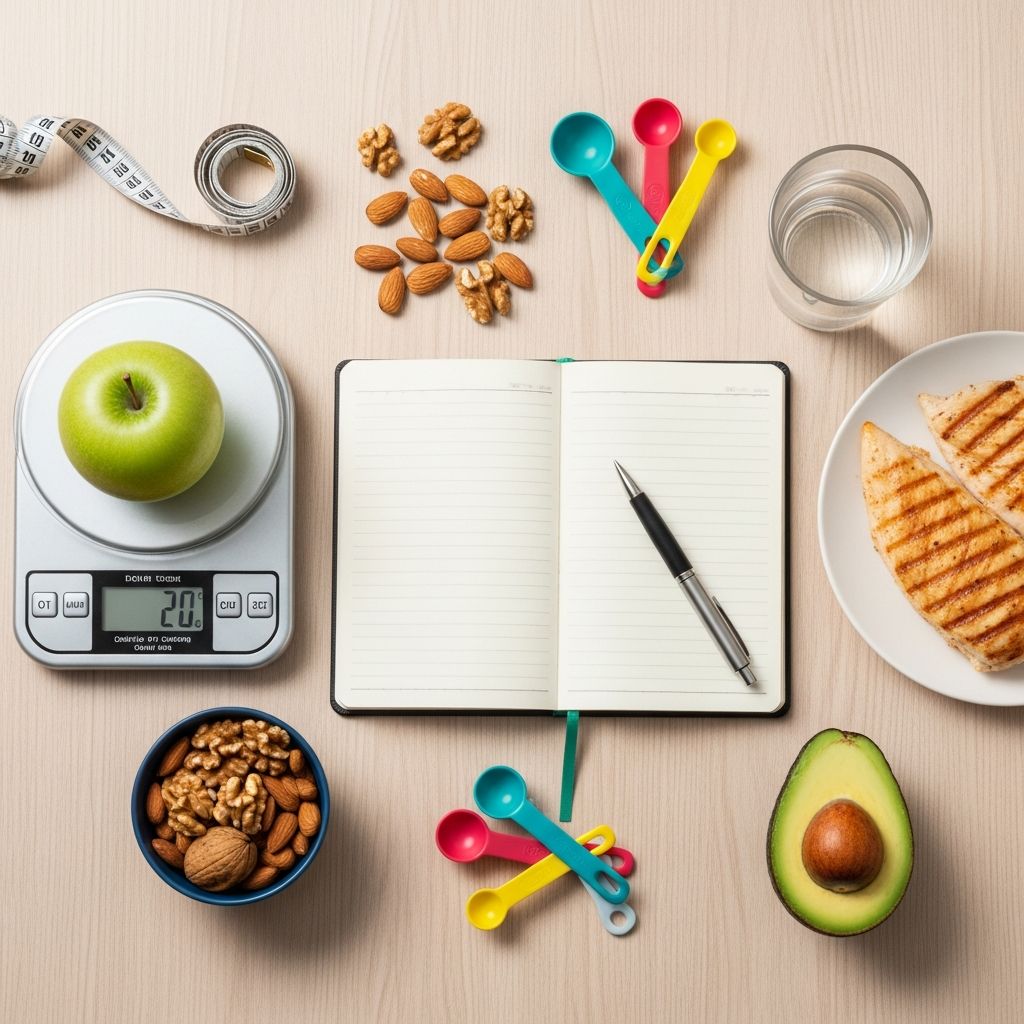
Calorie Counting Made Easy: Your Guide to Sustainable Weight Loss
The concept of weight loss seems straightforward: eat less, exercise more. However, as most people attempting to lose weight quickly discover, the reality is far more complex. While numerous factors influence weight gain and loss, understanding the fundamentals of energy balance provides an excellent foundation for successful weight management. By mastering the basics of calorie counting and applying practical strategies, you can take control of your weight and move toward your health goals in a sustainable manner.
Understanding Your Daily Calorie Needs
Before you can create an effective weight loss plan, you must determine how many calories you need to consume daily to maintain your current weight. This baseline calculation serves as your starting point for any dietary adjustments. The process requires only a few straightforward mathematical steps that anyone can perform at home.
How to Calculate Your Weight-Maintenance Calories
The calculation begins with a simple formula. Take your current body weight and multiply it by 15. This number represents approximately the calories per pound of body weight needed to maintain your current weight if you are moderately active. For example, if you weigh 155 pounds, multiply 155 by 15 to get 2,325 calories per day. This is your weight-maintenance calorie requirement—the amount you need to consume to keep your weight stable.
It’s important to note that this calculation assumes moderate activity levels. If you have a sedentary lifestyle, your actual calorie needs may be somewhat lower. Conversely, if you engage in regular vigorous exercise or have an active job, you might need slightly more calories to maintain your current weight. Many online calculators can provide more precise estimates if you input your specific activity level, though these tools rely on averages and cannot determine your individual needs with absolute accuracy.
Creating Your Weight Loss Plan
Setting Your Daily Calorie Target
Once you know how many calories you need to maintain your weight, you can establish a target for weight loss. To lose weight, you must consume fewer calories than your weight-maintenance requirement. Health experts generally recommend a safe and sustainable weight loss rate of 1 to 2 pounds per week. To achieve this, your daily food consumption should provide 500 to 1,000 calories less than your total weight-maintenance calories.
Here’s the fundamental principle: to lose one pound of body weight, you need to cut or burn 3,500 calories. Therefore, creating a deficit of 500 calories per day results in losing approximately one pound weekly, while a 1,000-calorie daily deficit leads to losing about two pounds per week. This mathematics-based approach gives you a concrete target to work toward.
Important Safety Guidelines
While creating a calorie deficit is essential for weight loss, it’s crucial not to take this to extremes. Calorie intake should never fall below 1,200 calories daily for women or 1,500 calories daily for men, except under the direct supervision of a qualified health professional. Consuming too few calories can endanger your health by depriving your body of the essential nutrients it requires for proper functioning. Severely restrictive eating can lead to nutrient deficiencies, muscle loss, metabolic slowdown, and other serious health complications.
Meeting Your Daily Calorie Target
Understanding your calorie target is one thing; actually meeting it consistently is another. Fortunately, several practical approaches can help you stay within your daily calorie allowance.
Related Stories



Method 1: Precise Calorie Counting
One straightforward approach is to add up the calories per serving of all the foods you eat and plan your menus accordingly. This method involves reading nutrition labels, using food tracking applications, or consulting calorie reference guides. While this precise method works well for many people, it requires dedication and attention to detail. You must become familiar with portion sizes and learn to read labels accurately.
For those who enjoy structure and data, this approach offers the advantage of concrete information about exactly what you’re consuming. Modern smartphone applications make tracking remarkably convenient, allowing you to scan barcodes and log meals quickly.
Method 2: Intuitive Portion Control
If you dislike counting calories obsessively, an alternative approach involves restricting how much you eat and choosing meals that are naturally low in calories. This method relies more on awareness and intelligent food choices rather than mathematical precision. The American Heart Association dietary guidelines emphasize this common-sense approach to food selection, focusing on the quality and type of foods rather than strict adherence to specific calorie or fat numbers.
With this method, you learn to recognize which foods are naturally filling and low in calories, making better choices intuitively over time. This approach often feels less restrictive and may be more sustainable for people who find detailed tracking burdensome.
The Power of Regular Eating Schedules
Regardless of which calorie management method you choose, research demonstrates that maintaining a regular eating schedule produces the most successful outcomes. Planning your meals and snacks for specific times each day creates structure and helps regulate your appetite. This consistency becomes even more important after you’ve successfully lost weight and want to maintain your new lower weight.
A predictable eating schedule helps prevent the impulsive snacking and overeating that often occurs when hunger builds up throughout the day. By sticking with planned meals and snacks, you increase your chances of maintaining your weight loss long-term rather than regaining the pounds you worked hard to lose.
Strategic Approaches to Calorie Reduction
Focusing on Dietary Fat Reduction
Some people find success by specifically targeting fat in their diet. This approach makes sense from a caloric perspective because fat contains 9 calories per gram, while carbohydrates and proteins each contain only 4 calories per gram. This means fat is more than twice as calorie-dense as other macronutrients by weight.
By strategically reducing fat intake, you can eliminate dozens or even hundreds of calories daily without significantly reducing food volume. Practical strategies include substituting lean cuts of meat for fattier options, avoiding high-fat packaged foods and snacks, and limiting fat-rich products such as butter and partially hydrogenated fats. This approach doesn’t require eliminating fat entirely—just being mindful about the types and amounts you consume.
Seven Guidelines When Strict Calorie Counting Feels Impractical
Not everyone thrives with detailed calorie counting. If you prefer a more general approach to weight loss, these science-based guidelines can help you make better food choices without obsessing over numbers:
1. Prioritize Filling, Low-Calorie Foods
Build your meals around whole grains, vegetables, and fruits, along with legumes such as lentils and other beans. These foods provide volume and satiety while keeping calorie counts reasonable. A plate filled with colorful vegetables, whole grains, and lean protein naturally tends toward appropriate calorie levels.
2. Choose Lean Protein in Appropriate Portions
When you eat meat, select lean cuts and consume modest amounts—about 3½ to 4 ounces per serving is a reasonable guideline. This portion size typically equals the size of your palm or a deck of cards. This approach provides protein for satiety without excessive calories from fat.
3. Avoid Fried Foods
Frying foods in oil or fat adds substantial calories. Instead, use healthier cooking methods: stir-frying foods with minimal oil, braising them in broth or wine, baking, broiling, or roasting. These cooking techniques add no extra fat to your meals while preserving food flavor and nutritional value.
4. Select Whole Grains
When shopping for grain products, check ingredient lists carefully. “Whole grain” or “whole grain flour” should appear as one of the first ingredients, not near the end. Whole grains provide more fiber and nutrients than refined grains, keeping you fuller longer on fewer calories.
5. Be Mindful of Beverage Choices
The healthiest drinks are water, herbal teas, and unsweetened fruit drinks. Cut out sugary sodas and sweetened beverages—they provide calories without nutrition and contribute to metabolic dysfunction. These drinks are high in calories, cause rapid spikes in blood glucose levels, and can impair your body’s healing capacity over time.
6. Include Variety in Your Diet
Eating a diverse range of foods ensures you receive balanced nutrition and keeps meals interesting. Variety helps prevent the boredom that leads to dietary abandonment. Different foods provide different nutrient profiles, supporting overall health and well-being.
7. Focus on Food Quality Over Restriction
Rather than viewing weight loss as severe restriction, think of it as upgrading your food choices. Replace regular bread with whole grain bread, swap out fatty cuts for lean options, and choose preparation methods that preserve flavor without adding fat. This perspective makes the transition feel like improvement rather than deprivation.
Understanding the Science Behind Calorie Needs
While the calculation method discussed earlier provides a useful starting point, it’s important to recognize that individual calorie requirements vary based on numerous factors. Metabolism, body composition, age, sex, genetics, and activity patterns all influence how many calories your body actually burns daily. Online calculators and applications use average formulas that work reasonably well for population groups but cannot account for individual variations with perfect accuracy.
This means the calorie target you calculate serves as an estimate rather than an absolute truth. If you’re not seeing the weight loss progress you expected after several weeks, you may need to adjust your target downward slightly. Conversely, if you’re losing weight too rapidly, increasing calories slightly ensures you’re still getting adequate nutrition.
Building Long-Term Success
The most successful approach to weight loss combines calorie awareness with practical strategies that feel sustainable for your lifestyle. Whether you choose precise calorie counting or a more intuitive approach based on food quality and portion awareness, the key is consistency over time.
Weight loss is rarely perfectly linear. Some weeks you’ll lose more, other weeks less, even when you’re doing everything correctly. What matters is maintaining your overall approach and sticking with your eating schedule. The regular rhythm of planned meals and snacks creates structure that supports both weight loss and weight maintenance long-term.
Remember that successful weight management isn’t about perfection or deprivation. It’s about making informed choices, understanding the basics of energy balance, and selecting an approach that you can maintain consistently. When you combine this knowledge with patience and realistic expectations, you create the conditions for sustainable, lasting weight loss.
Frequently Asked Questions
Q: What is the most accurate way to calculate my daily calorie needs?
A: The formula of multiplying your body weight by 15 provides a reasonable estimate for moderately active individuals. However, for greater accuracy, consider using online calculators that account for your specific age, sex, height, activity level, and body composition. Remember that these tools provide estimates based on population averages, not personalized assessments. Monitoring your actual weight loss over several weeks and adjusting your calorie target if needed provides real-world feedback about your individual needs.
Q: Can I lose weight without counting calories?
A: Yes, many people successfully lose weight by focusing on food quality, portion sizes, and eating regular, planned meals without obsessively counting calories. By choosing whole grains, lean proteins, vegetables, and fruits while avoiding fried foods and sugary beverages, you naturally tend toward a calorie deficit. This intuitive approach works particularly well for people who find detailed tracking burdensome or who prefer a more flexible approach to weight management.
Q: How quickly is it safe to lose weight?
A: Health experts generally recommend losing 1 to 2 pounds per week as a safe and sustainable rate. This typically requires creating a daily calorie deficit of 500 to 1,000 calories. Attempting to lose weight more rapidly can lead to nutrient deficiencies, muscle loss, metabolic problems, and increased likelihood of regaining the weight. Slow, steady progress is more likely to become permanent.
Q: What is the minimum calorie intake I should never go below?
A: Women should not consume fewer than 1,200 calories daily, and men should not go below 1,500 calories daily, except under the supervision of a qualified health professional. Consuming too few calories can deprive your body of essential nutrients and damage your health. If you’re considering more restrictive eating for medical reasons, consult with your doctor or a registered dietitian.
Q: Why do calorie calculators sometimes give different results?
A: Different calculators use slightly different formulas and may account for variables differently. Additionally, calorie needs vary based on individual factors like metabolism, muscle mass, and daily activity patterns that no calculator can perfectly predict. Use calculator results as a starting estimate, then adjust based on your actual results over time.
Q: Is it better to reduce calories or increase exercise?
A: Both calorie reduction and increased exercise contribute to weight loss, and combining both approaches often produces the best results. However, weight loss primarily depends on creating a calorie deficit, which is typically easier to achieve through dietary changes than through exercise alone. That said, exercise provides numerous health benefits beyond weight loss, including improved cardiovascular health, increased strength, and better mental health.
References
- Calorie Counting Made Easy — Harvard Health Publishing. 2024. https://www.health.harvard.edu/staying-healthy/calorie-counting-made-easy
- It’s Time to Bust the ‘Calories In, Calories Out’ Weight-Loss Myth — University of Sydney News & Opinion. 2023-07-05. https://www.sydney.edu.au/news-opinion/news/2023/07/05/its-time-to-bust-the-calories-in-calories-out-weight-loss-myth.html
- Harvard School of Public Health Healthy Eating Plate — Harvard T.H. Chan School of Public Health. 2024. https://www.hsph.harvard.edu/nutritionsource/healthy-eating-plate/
Similar Articles








Read full bio of Sneha Tete