Campylobacter Infection: Symptoms, Risks, And Prevention Guide
Comprehensive insights into Campylobacter infection: symptoms, transmission risks, prevention strategies, and recovery tips for better health protection.

Campylobacter infection, also known as campylobacteriosis, represents one of the leading causes of bacterial gastroenteritis worldwide. This illness primarily affects the intestines, leading to significant discomfort through symptoms such as diarrhea, fever, and abdominal pain.
The Nature of the Pathogen
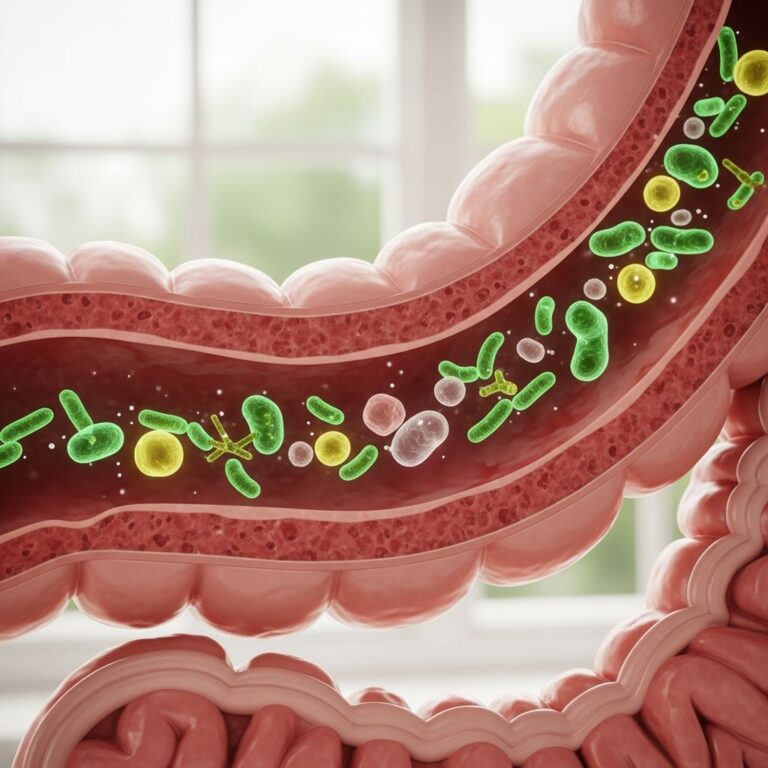
Campylobacter bacteria, particularly species like C. jejuni and C. coli, thrive in the gastrointestinal tracts of animals including poultry, cattle, and pets. These spiral-shaped microbes possess flagella that enable motility and adherence to intestinal mucus, facilitating colonization and invasion of epithelial cells. Infection occurs when humans ingest contaminated food or water, triggering an inflammatory response in the gut lining.
Recognizing the Signs and Timeline
Symptoms typically emerge 2 to 5 days post-exposure, though the range can span 1 to 10 days. Common manifestations include:
- Watery or bloody diarrhea, often exceeding 10 episodes daily
- Severe stomach cramps and abdominal pain
- Fever between 100-104°F (38-40°C)
- Nausea, vomiting, headache, and muscle aches
The acute phase peaks within 24-48 hours, with most cases resolving in 3-7 days, though recurrence is possible. A prodromal phase of fever, chills, and malaise may precede gut symptoms in severe instances.
High-Risk Groups and Severity Factors
While all ages can be affected, children under 5, young adults, the elderly, and immunocompromised individuals face heightened risks of severe outcomes. International travelers, livestock handlers, and consumers of untreated water or raw milk are particularly vulnerable.
Potential Complications to Watch For
Though self-limiting for most, Campylobacter can trigger serious issues:
- Reactive Arthritis: Joint inflammation starting 4 weeks post-infection, causing pain lasting months.
- Guillain-Barré Syndrome (GBS): A rare autoimmune nerve disorder (1 in 1,000 cases) leading to weakness, tingling from legs upward, potential paralysis, and respiratory failure requiring ventilation.
- Other Issues: Irritable bowel syndrome, bacteremia, hepatitis, pancreatitis, or miscarriage in pregnant individuals.
Approximately 20-50% of GBS patients have prior Campylobacter exposure.
Dehydration: A Critical Concern
Profuse diarrhea accelerates fluid loss, especially in infants and children. Monitor for:
| Adults/Older Children | Infants/Toddlers |
|---|---|
| Little urination, dark urine, extreme thirst, dry mouth, dizziness | No tears when crying, sunken eyes/fontanelle, lethargy |
Rehydrate promptly with oral solutions like Pedialyte; seek medical help if signs persist.
Diagnosis Methods
Healthcare providers confirm infection via stool sample analysis in a lab, identifying the bacteria through culture or molecular tests. Blood tests may assess complications like GBS.
Treatment Approaches
Supportive care suffices for most: rest, hydration, and electrolyte balance. Antibiotics such as azithromycin or erythromycin are reserved for severe, prolonged, or high-risk cases. Avoid anti-diarrheals, as they may prolong bacterial shedding. Hospitalization is needed for dehydration or neurological symptoms.
Sources of Transmission
Primary routes involve:
- Undercooked poultry (especially chicken)
- Unpasteurized dairy or contaminated water
- Cross-contamination via unwashed hands, utensils, or surfaces
- Contact with infected animals or their feces
Pets like puppies and kittens can carry the bacteria asymptomatically.
Prevention Strategies for Everyday Safety
Minimize risk through:
- Food Handling: Cook meats to 165°F (74°C), especially poultry; avoid raw milk.
- Hygiene: Wash hands thoroughly after animal contact or bathroom use; sanitize surfaces.
- Water Safety: Drink treated or boiled water when traveling.
- Pet Care: Wash hands post-pet interaction, particularly with diarrhea.
Public health measures like pasteurization and meat inspection reduce incidence.
When to Seek Medical Attention
Related Stories



Consult a doctor if:
- Diarrhea persists beyond 7 days or bloody stools appear
- High fever (>102°F) or severe dehydration signs
- Neurological symptoms like leg weakness or tingling
- Recent travel or animal exposure in vulnerable groups
Prompt intervention prevents complications like sepsis in immunocompromised patients.
Global Impact and Public Health Response
Campylobacter causes millions of cases annually, with higher burdens in developing regions due to poor sanitation. Surveillance tracks outbreaks linked to contaminated produce or poultry. Vaccination research is ongoing, but hygiene remains key.
Frequently Asked Questions (FAQs)
Is Campylobacter contagious from person to person?
Rarely, mainly via fecal-oral route in poor hygiene settings or daycare.
Can I get Campylobacter from my dog or cat?
Yes, especially puppies/kittens with diarrhea; always wash hands after contact.
How long does it take to recover fully?
Most within a week, but fatigue may linger; complications extend timelines.
Does Campylobacter infection cause long-term issues?
Possible, including IBS or arthritis; GBS is rare but serious.
Is antibiotic treatment always needed?
No, only for severe cases; hydration is primary.
This guide equips you with knowledge to identify, manage, and prevent Campylobacter infection effectively, promoting safer food practices and vigilant health monitoring.
References
- Symptoms of Campylobacter Infection — CDC. 2023. https://www.cdc.gov/campylobacter/signs-symptoms/index.html
- Campylobacter Infection (Campylobacteriosis) — Spokane Regional Health District. 2023. https://srhd.org/health-topics/diseases-conditions/campylobacter-infection-campylobacteriosis
- Campylobacter — World Health Organization. 2023-11-29. https://www.who.int/news-room/fact-sheets/detail/campylobacter
- Campylobacter Infections — Merck Manuals. 2024. https://www.merckmanuals.com/home/infections/bacterial-infections-gram-negative-bacteria/campylobacter-infections
- Campylobacter — State of Alaska Department of Health. 2023. https://health.alaska.gov/en/education/campylobacter/
- Campylobacter Infection — NCBI StatPearls. 2023-10-16. https://www.ncbi.nlm.nih.gov/books/NBK537033/
Similar Articles








Read full bio of Sneha Tete