Can A Belly Button Infection Kill You? Signs, Risks, Care
Belly button infections are usually mild but can become serious if ignored. Learn symptoms, treatments, and when to seek urgent care.
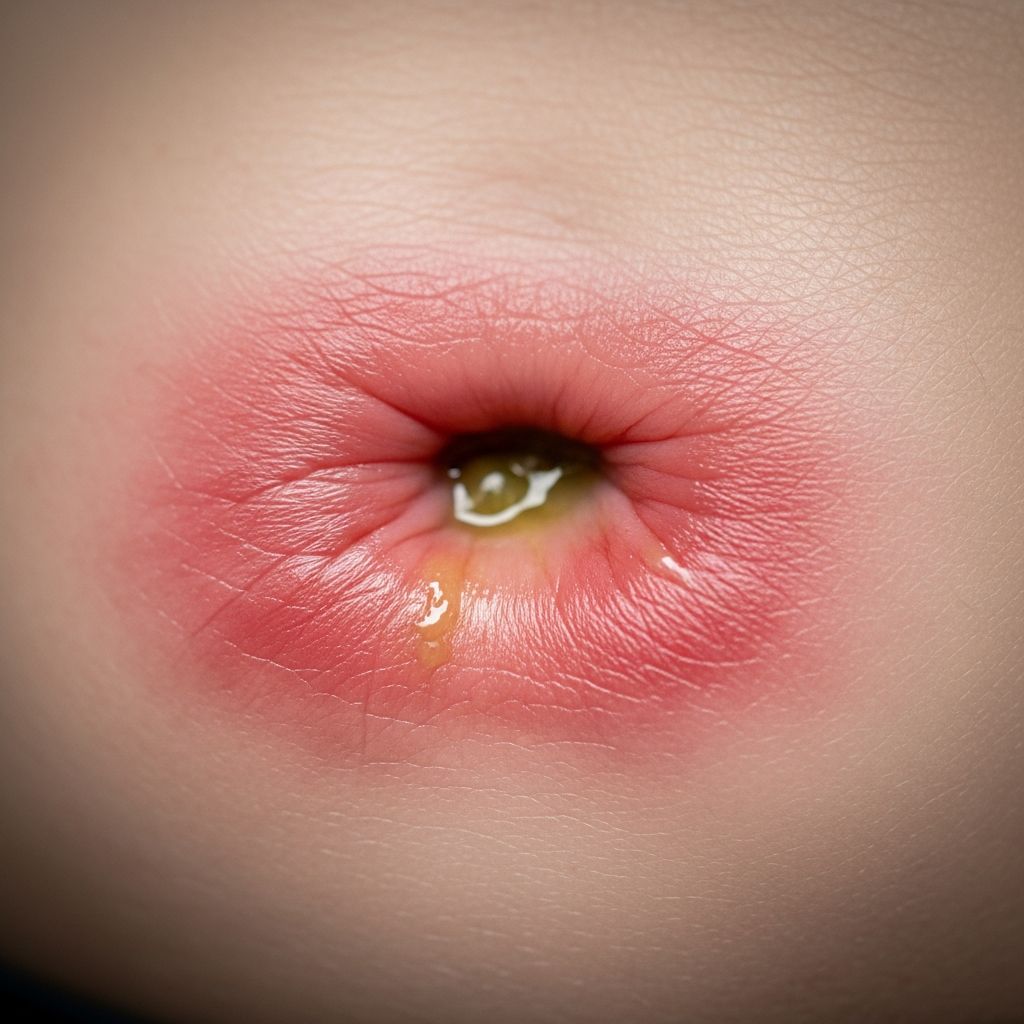
Belly button infections, also known as umbilical or navel infections, are common skin conditions affecting the umbilicus, the scarred remnant of the umbilical cord. While most cases are mild and resolve with proper care, severe or untreated infections can rarely lead to life-threatening complications like sepsis. Prompt recognition of symptoms and treatment is essential to prevent escalation.
What Is a Belly Button Infection?
A belly button infection occurs when bacteria, yeast, or fungi overgrow in the warm, moist folds of the navel. The average belly button harbors about 67 types of bacteria, making it prone to imbalance if hygiene lapses. These infections range from superficial irritation to deeper issues involving cysts or post-surgical wounds.
Common triggers include poor hygiene, piercings, obesity creating skin folds, diabetes impairing immunity, and recent abdominal surgery. People with weakened immune systems or chronic conditions face higher risks.
Symptoms of a Belly Button Infection
Early symptoms mimic minor irritation but worsen without intervention. Key signs include:
- Redness and swelling around the navel, often warm to the touch.
- Pain or tenderness, especially when touched or during movement.
- Discharge: Yellow/green pus for bacterial; thick white for yeast; foul-smelling in advanced cases.
- Itching, crusting, or flaky skin, common in fungal infections.
- Fever or chills if spreading systemically.
Bacterial infections often produce foul-smelling, colored discharge with blistering. Yeast infections cause itchy rashes and peeling, thriving in damp areas. Monitor for systemic symptoms like fatigue or lymph node swelling, indicating potential spread.
Causes of Belly Button Infections
Several factors contribute to navel infections:
- Poor hygiene: Sweat, dead skin, and lint accumulate, fostering bacterial growth.
- Piercings: New or poorly maintained belly button jewelry introduces bacteria like Staphylococcus.
- Moist environments: Tight clothing or obesity traps moisture, ideal for Candida yeast.
- Surgery or cysts: Laparoscopic incisions or urachal/epidermoid cysts can trap fluid and infect.
- Underlying conditions: Diabetes elevates risk as yeast feeds on excess sugar; immunosuppression delays healing.
| Type | Common Pathogens | Risk Factors |
|---|---|---|
| Bacterial | Staphylococcus, Streptococcus | Piercings, cysts, surgery |
| Fungal/Yeast | Candida species | Diabetes, moisture, obesity |
Types of Belly Button Infections
Bacterial Infections
The most prevalent type, caused by Staph or Strep entering via micro-tears or piercings. Symptoms: Red, swollen skin with yellow/green pus, pain, and crusting. The navel’s 67 bacterial species can overgrow if unclean.
Fungal and Yeast Infections
Candida yeast proliferates in moist folds, causing red, itchy rashes, white discharge, and blisters. Diabetics are prone due to high blood sugar. Obesity exacerbates by creating skin creases.
Piercing-Related and Cyst Infections
Infected piercings show pus around the site; cysts (fluid-filled sacs) may require drainage. Avoid squeezing to prevent spread.
Related Stories



Treatments for Belly Button Infections
Treatment hinges on type and severity. Always consult a doctor for diagnosis via swab or exam.
Home Care and Hygiene
- Gently clean daily with fragrance-free soap, warm water, and a cotton swab. Rinse thoroughly and pat dry.
- Keep dry: Use talc-free powder; wear loose cotton clothing.
- Avoid picking or tight waistbands.
Medical Treatments
Bacterial: Topical antibiotics (e.g., Neosporin) or oral for severe cases. Cysts need professional drainage.
Fungal/Yeast: Antifungal creams like clotrimazole; oral fluconazole for recalcitrant cases. Manage diabetes.
Severe infections may require IV antibiotics or debridement. Post-treatment, monitor for recurrence.
Can a Belly Button Infection Kill You?
Belly button infections are rarely fatal in healthy individuals but pose risks if untreated. Cellulitis can spread to peritonitis or sepsis, with mortality up to 20-30% in immunocompromised patients. Rare cases involve necrotizing fasciitis. Seek emergency care for fever >101°F, spreading redness, or confusion.
Most resolve fully with antibiotics; fatality stems from delay. Diabetics and post-surgical patients must act swiftly.
Prevention Tips
Prevent infections proactively:
- Clean weekly: Even ‘innie’ navels; use saline for piercings.
- Dry thoroughly after showers/baths.
- Piercing care: Sterile jewelry, daily cleanses with saline.
- Manage health: Control blood sugar; maintain healthy weight.
- Post-surgery: Follow wound protocols.
When to See a Doctor
Consult promptly if:
- Symptoms persist >3 days despite hygiene.
- Increasing pain, fever, or streaking redness.
- Foul discharge or systemic illness.
- Diabetes or immunosuppression present.
Urgent care for rapid worsening to avert sepsis.
Frequently Asked Questions (FAQs)
Can a belly button infection cause sepsis?
Yes, untreated infections can spread bacteria into the bloodstream, leading to sepsis—a potentially fatal condition requiring hospitalization.
How long does a belly button infection last?
With treatment, 3-7 days for mild cases; up to 2 weeks for severe. Untreated, it may worsen indefinitely.
Is a smelly belly button always infected?
Often due to buildup, but foul odor with discharge signals infection. Clean first; see doctor if persists.
Can I pop a belly button cyst?
No—risks spreading infection. Seek professional drainage.
Are belly button infections contagious?
No, but hygiene prevents self-spread or household sharing of towels.
What’s the best home remedy?
Warm soapy water cleanses and drying; avoid unproven remedies like alcohol, which irritate.
This comprehensive guide empowers you to manage navel health. Prioritize hygiene for prevention.
References
- Belly button infections: Symptoms, treatments, and prevention — SingleCare. 2023. https://www.singlecare.com/blog/belly-button-infection/
- What’s Causing Your Belly Button Discharge? — Healthline. 2023. https://www.healthline.com/health/belly-button-discharge
- Can a Belly Button Infection Kill You? — Sesame Care. 2024. https://sesamecare.com/blog/can-belly-button-infection-kill-you
- Can a Belly Button Infection Kill You? Risks & Care — Elpis HealthCare. 2024. https://elpis-healthcare.com/blogs/can-a-belly-button-infection-kill-you/
- What to Do About a Belly Button Infection — Banner Health. 2023. https://www.bannerhealth.com/healthcareblog/teach-me/what-to-do-about-a-belly-button-infection
- Things That Can Go Wrong With Your Belly Button — WebMD. 2023. https://www.webmd.com/a-to-z-guides/features/things-that-can-go-wrong-bellybutton
- How to Treat and Prevent Belly Button Infections Safely — Rupa Health. 2024. https://www.rupahealth.com/post/how-to-treat-and-prevent-belly-button-infections-safely
Similar Articles








Read full bio of Sneha Tete