Can ADHD Cause Depression And Anxiety: What To Know
Exploring the complex links between ADHD, depression, and anxiety, including causes, symptoms, and management strategies for better mental health.
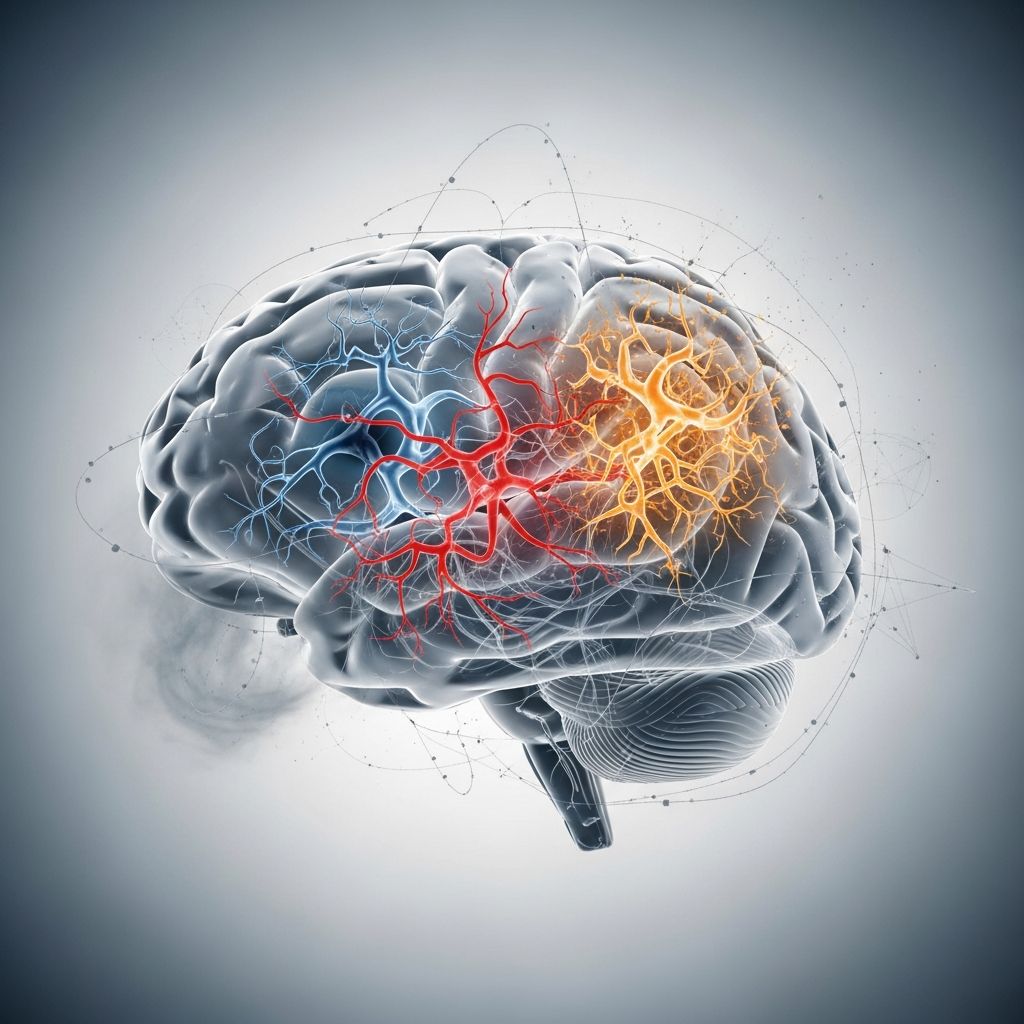
Attention Deficit Hyperactivity Disorder (ADHD) frequently co-occurs with depression and anxiety, with studies showing that up to 56% of adults with ADHD have at least one anxiety disorder and significant overlap in depressive symptoms. This comorbidity arises from shared genetic, neurobiological, and cognitive factors, creating bidirectional influences where ADHD symptoms can exacerbate mood issues and vice versa.
What is ADHD?
ADHD is a neurodevelopmental disorder characterized by persistent patterns of inattention, hyperactivity, and impulsivity that interfere with daily functioning. In adults, it manifests as difficulties with organization, time management, sustaining attention, and emotional regulation. Undiagnosed or untreated ADHD often leads to chronic stress, which can precipitate anxiety and depression.
Core symptoms include forgetfulness, procrastination, interrupting others, and restlessness. These challenges in executive functioning—such as working memory and impulse control—create ongoing frustrations that heighten vulnerability to mood disorders.
Symptoms of ADHD
- Inattention: Trouble focusing on tasks, easily distracted, losing items, poor time management.
- Hyperactivity: Fidgeting, inability to sit still, excessive talking or restlessness (more internalized in adults).
- Impulsivity: Making hasty decisions, interrupting conversations, difficulty waiting.
These symptoms overlap with anxiety (e.g., restlessness mistaken for worry) and depression (e.g., inattention resembling low motivation).
What is Depression?
Depression, or major depressive disorder (MDD), involves persistent sadness, loss of interest (anhedonia), fatigue, and cognitive impairments lasting at least two weeks. In ADHD contexts, executive function deficits like poor emotional regulation increase depression risk through rumination and impaired reward processing.
Symptoms of Depression
- Persistent low mood or hopelessness.
- Loss of pleasure in activities (anhedonia).
- Changes in appetite, sleep disturbances, fatigue.
- Feelings of worthlessness, excessive guilt.
- Difficulty concentrating, indecisiveness.
- Recurrent thoughts of death or suicide.
ADHD-related inattention can mimic depressive symptoms, complicating diagnosis.
What is Anxiety?
Anxiety disorders, such as generalized anxiety disorder (GAD) or social anxiety, feature excessive worry, tension, and physical symptoms like rapid heartbeat. In ADHD, anxiety often stems from masking behaviors—suppressing natural impulsivity to fit neurotypical norms—and working memory deficits that amplify stress.
Symptoms of Anxiety
- Excessive, uncontrollable worry.
- Restlessness, feeling on edge.
- Irritability, muscle tension.
- Sleep disturbances, fatigue.
- Difficulty concentrating (overlaps with ADHD).
Comorbid anxiety worsens ADHD inattention via a vicious cycle.
ADHD and Depression: The Connection
ADHD heightens depression risk through executive dysfunction, prefrontal cortex delays, and reward circuit disruptions. Studies show ADHD shares 8–34% effector proteins with depression, indicating molecular overlap. Untreated ADHD leads to repeated failures, fostering helplessness and low self-esteem.
Mediation analyses reveal depression/anxiety symptoms mediate ADHD’s link to avoidance behaviors, not independently. Adults with ADHD and depression exhibit smaller hippocampal volumes and greater illness burden.
How ADHD Causes Depression
Related Stories



- Chronic Stress: Failures in academics/work from inattention build shame.
- Emotional Dysregulation: Poor impulse control leads to frustration cycles.
- Reward Deficits: Dopamine issues reduce motivation, mimicking anhedonia.
ADHD and Anxiety: The Connection
Nearly 50% of ADHD adults have anxiety disorders, with bidirectional effects: anxiety worsens inattention, while ADHD’s cognitive deficits fuel worry. Comorbid cases show higher aggression, suicidality, and hospitalization risks.
How ADHD Causes Anxiety
Hypervigilance from masking, sensory sensitivities, and executive challenges create persistent tension. Undiagnosed ADHD confuses symptoms, delaying treatment.
Can ADHD Cause Depression and Anxiety?
Yes, ADHD contributes causally via neurobiological pathways, but comorbidity is bidirectional. Genetic sharing (e.g., proteomic overlaps) and environmental stressors amplify risks. Females show higher prevalence. Early intervention breaks cycles.
ADHD, Depression, and Anxiety Symptoms Comparison
| Symptom | ADHD | Depression | Anxiety |
|---|---|---|---|
| Difficulty Concentrating | Due to distractibility, poor working memory | From low energy, rumination | Worry interferes with focus |
| Restlessness | Hyperactivity/impulsivity | Psychomotor agitation | On-edge tension |
| Fatigue | Mental exhaustion from efforts | Core symptom | From worry/sleeplessness |
| Irritability | Emotional dysregulation | Mood-related | Anxiety-driven |
| Motivation Issues | Executive dysfunction | Anhedonia | Avoidance of triggers |
This table highlights overlaps, per clinical observations.
Treatment for ADHD and Depression
Integrated approaches work best: stimulants (e.g., methylphenidate) for ADHD improve mood indirectly; SSRIs for depression. CBT targets cognitive overlaps. Research stresses multimodal therapy for reduced efficacy in comorbidities.
Treatment for ADHD and Anxiety
Non-stimulants like atomoxetine suit anxious ADHD; therapy includes exposure for anxiety. Address masking to reduce chronic worry.
Management Tips
- Seek comprehensive diagnosis to untangle symptoms.
- Use ADHD coaching for executive skills.
- Mindfulness for emotional regulation.
- Exercise, sleep hygiene to boost dopamine.
- Support groups for shared experiences.
Frequently Asked Questions (FAQs)
Q: Does ADHD directly cause depression?
A: ADHD increases risk through stress and neurobiology, but shared pathways mediate; up to 50% comorbidity rate.
Q: Can anxiety be mistaken for ADHD?
A: Yes, worry mimics inattention; bidirectional worsening common.
Q: Is treatment harder with comorbidities?
A: Yes, greater burden, but integrated care improves outcomes.
Q: How common is ADHD with anxiety/depression?
A: 56% have anxiety; high depression overlap, especially in adults.
Q: Can masking worsen symptoms?
A: Yes, leads to burnout, anxiety, depression in ADHD.
This article synthesizes evidence showing ADHD’s strong ties to depression/anxiety, urging holistic management for better quality of life. (Word count: 1678)
References
- Does ADHD Strengthen the Relationship Between Depression …? — University of Richmond Honors Thesis. 2023. https://scholarship.richmond.edu/honors-theses/1646/
- Adult ADHD and comorbid anxiety and depressive disorders — PMC (PubMed Central). 2024. https://pmc.ncbi.nlm.nih.gov/articles/PMC12179154/
- ADHD, Anxiety, and Depression — Relational Psych Group. 2023. https://www.relationalpsych.group/articles/adhd-anxiety-and-depression
Similar Articles








Read full bio of medha deb