Can Alcohol Trigger Panic Attacks? Essential Guide
Understanding the link between alcohol consumption and panic attacks.
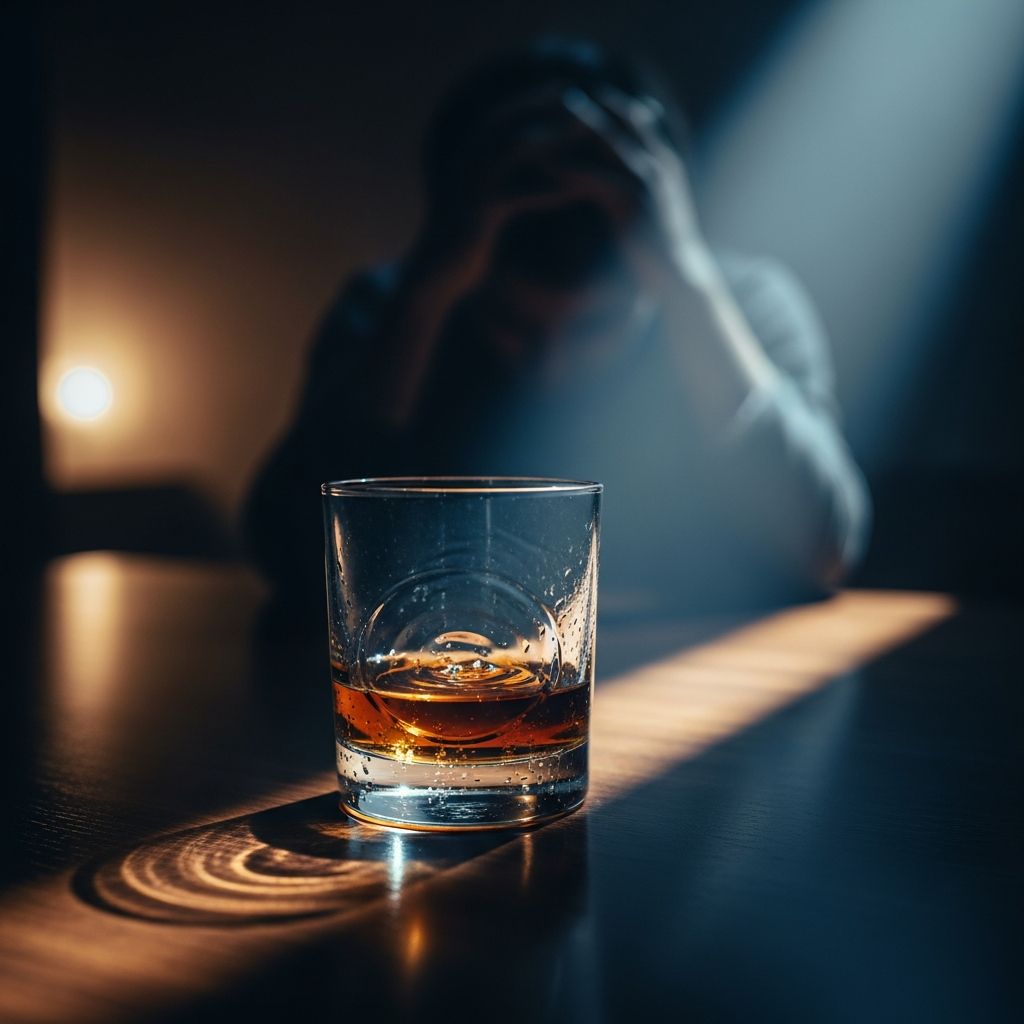
Can Alcohol Trigger Panic Attacks?
Panic attacks are intense episodes of extreme anxiety and fear that come on suddenly and can be deeply distressing. Many people wonder whether alcohol consumption might trigger these frightening experiences. The answer is yes—alcohol can directly trigger panic attacks in some individuals, and understanding this connection is crucial for managing both anxiety and alcohol use.
Research shows that approximately 25% of people who sought treatment for panic disorder had a history of alcohol dependence, indicating a strong relationship between these two conditions. For many individuals, alcohol becomes an unhealthy coping mechanism to manage anxiety symptoms, yet this approach often backfires, leading to increased panic episodes and potential substance dependence.
How Does Alcohol Affect the Brain and Trigger Panic?
To understand how alcohol triggers panic attacks, it’s essential to examine the neurotransmitter systems involved. GABA (gamma-aminobutyric acid) is a key neurotransmitter responsible for calming the nervous system and promoting relaxation. Alcohol interacts with GABA receptors in the brain, which initially creates feelings of relaxation and reduced anxiety.
However, this interaction is temporary and deceptive. When alcohol binds to GABA receptors, your body attempts to maintain equilibrium by reducing the number of available GABA receptors. As alcohol’s effects wear off, GABA activity decreases significantly, leading to increased tension and heightened anxiety. This neurochemical imbalance can directly trigger panic attacks.
The mechanism becomes even more problematic with heavy drinking. Chronic heavy alcohol consumption depletes GABA levels and disrupts other crucial brain chemicals, including serotonin and dopamine. These neurotransmitters regulate mood, emotional responses, and stress management. When they become imbalanced, your ability to handle everyday stressors diminishes, making panic attacks more likely to occur.
Brain imaging studies have revealed abnormalities in amygdala functioning—the brain region that regulates negative emotions—in individuals with alcohol use disorders. This structural and functional change makes the brain more reactive to perceived threats, increasing panic susceptibility.
The Physical Symptoms Mirror Panic Attack Signs
Beyond the neurochemical effects, alcohol produces physical symptoms that can closely mimic panic attack sensations. When you drink alcohol, you may experience:
- Increased heart rate and palpitations
- Dizziness and lightheadedness
- Nausea and gastrointestinal distress
- Trembling or shaking
- Shortness of breath
These physiological responses can trigger a fear response in individuals prone to panic attacks. The body’s physical sensations from alcohol consumption can convince the mind that a genuine medical emergency is occurring, thereby initiating a full panic attack cycle. This creates a vicious loop where alcohol’s direct effects trigger panic, which may lead to further drinking to cope with the panic symptoms.
Alcohol as an Unhealthy Coping Mechanism
Many individuals with pre-existing anxiety or panic disorder turn to alcohol as a self-medication strategy. Initially, this seems effective—alcohol does provide temporary relief from anxious thoughts and panic symptoms. However, this temporary relief comes at a significant cost.
Related Stories



When you use alcohol to manage panic attacks, you’re not addressing the underlying causes of your anxiety. Whether your panic stems from past trauma, financial stress, untreated depression, or other triggers, alcohol merely masks these problems temporarily. The underlying stressors remain unresolved, waiting to resurface once the alcohol leaves your system.
Moreover, relying on alcohol to manage panic symptoms can lead to several dangerous outcomes:
- Psychological dependence: You become mentally reliant on alcohol to keep anxious thoughts and panic feelings at bay
- Physical dependence: Your body adapts to regular alcohol use, requiring increasingly larger quantities to achieve the same anxiety-reducing effect
- Withdrawal symptoms: When not drinking, you experience heightened anxiety and panic as withdrawal sets in
- Alcohol use disorder: Chronic reliance on alcohol to manage panic can progress to full addiction
This self-perpetuating cycle becomes increasingly difficult to break without professional intervention.
Alcohol Withdrawal and Panic Attacks
An important aspect of the alcohol-panic connection involves what happens when you stop drinking or reduce consumption after chronic heavy use. Alcohol withdrawal can directly cause panic attacks, even in individuals who have never experienced panic disorder previously.
During chronic alcohol use, your brain adapts to the constant presence of alcohol by suppressing GABA receptor sensitivity. When alcohol is suddenly removed or significantly reduced, your brain experiences a surge in nervous system activity as it attempts to rebalance neurotransmitter levels. This rebound effect enhances noradrenergic activation—the system responsible for the “fight or flight” response.
Research has documented cases where individuals experienced their first panic attacks approximately one month after abruptly ceasing chronic alcohol abuse. These panic attacks occurred despite no previous history of panic disorder, demonstrating alcohol withdrawal’s direct capacity to trigger panic symptoms.
This withdrawal-related panic can be severe and prolonged, sometimes developing into panic disorder itself. The process may involve:
- Sudden onset panic attacks during early withdrawal
- Agoraphobia (fear of situations where escape might be difficult)
- Persistent anxiety even after acute withdrawal symptoms resolve
- Development of lasting panic disorder in vulnerable individuals
Understanding this connection is vital, as it explains why some individuals attempting to quit alcohol experience worsening anxiety and panic—a phenomenon sometimes misinterpreted as failure of the quitting process rather than a temporary but serious withdrawal effect.
The Paradox: Short-Term Relief, Long-Term Harm
A critical distinction exists between alcohol’s short-term and long-term effects on anxiety and panic. While alcohol does provide immediate anxiety relief—often within minutes of consumption—chronic alcohol use produces the opposite effect over time.
Regular alcohol consumption, particularly heavy drinking, impairs your brain’s natural ability to manage stress through healthy neurochemical processes. Chronic alcohol use affects the amygdala and other brain regions crucial for emotional regulation, making you increasingly reactive to stressors. Research indicates that chronic alcohol use prevents you from developing healthy stress-response mechanisms, instead creating dependence on alcohol as the primary anxiety management tool.
Additionally, individuals who use alcohol to manage panic attacks fail to address the underlying anxiety triggers. This means the root causes—whether related to trauma, life circumstances, or untreated mental health conditions—remain unresolved and often worsen over time.
Distinguishing Alcohol-Induced Panic from Other Causes
If you experience panic attacks after drinking alcohol, it’s important to recognize this pattern and distinguish alcohol-induced panic from other types. Regular alcohol-induced panic attacks—occurring consistently when you drink—signal that alcohol is triggering your panic symptoms.
Key indicators of alcohol-induced panic attacks include:
- Panic episodes occurring shortly after alcohol consumption
- Reduced frequency of panic attacks during periods of abstinence
- Increased severity of panic symptoms with greater alcohol consumption
- Panic symptoms emerging primarily during alcohol withdrawal
If you’ve identified a clear pattern between your drinking and panic attacks, this represents important information for treatment planning. Some individuals also experience anxiety during alcohol withdrawal, even if they don’t have panic disorder, making it essential to recognize whether your panic is triggered by alcohol presence or by alcohol absence.
The Connection Between Panic Disorder and Alcohol Dependence
The relationship between panic disorder and alcohol use disorders is bidirectional and complex. Individuals with panic disorder are more likely to develop alcohol use problems, particularly if they attempt to self-medicate their symptoms. Conversely, heavy alcohol use can lead to the development of panic disorder in previously unaffected individuals.
Research indicates that panic attacks may represent a general risk marker for later substance use problems. The self-medication hypothesis suggests that individuals with anxiety disorders drink to relieve their panic symptoms, inadvertently establishing patterns that progress to alcohol dependence. In some cases, alcoholism develops first, followed by the emergence of panic disorder. In other cases, panic attacks precede alcohol problems, with individuals turning to drinking to manage their panic symptoms.
Comorbid panic disorder and alcohol use disorder is more common than either condition alone, underscoring the importance of treating both conditions simultaneously rather than addressing one in isolation.
Healthy Alternatives to Alcohol for Managing Panic
If you’ve been using alcohol to manage panic attacks, understanding that effective alternatives exist is crucial. Several evidence-based approaches can help manage panic without the harmful effects of alcohol:
- Cognitive-behavioral therapy (CBT): Helps identify panic triggers and develop effective coping strategies
- Exposure therapy: Gradually reduces fear response to panic symptoms through controlled exposure
- Breathing exercises: Techniques like diaphragmatic breathing can interrupt panic cycles
- Progressive muscle relaxation: Reduces physical tension associated with anxiety
- Mindfulness meditation: Helps manage anxious thoughts without judgment
- Regular exercise: Reduces overall anxiety levels and improves mood regulation
- Professional counseling: Addresses underlying causes of panic and anxiety
- Medication: Antidepressants or anti-anxiety medications under medical supervision provide symptom relief without alcohol’s harmful effects
These approaches address the root causes of panic rather than temporarily masking symptoms, leading to more sustainable recovery.
When to Seek Professional Help
If you’re experiencing frequent panic attacks after consuming alcohol and find yourself unable to stop drinking despite these symptoms, professional intervention is essential. Mental health and addiction specialists can help you:
- Understand the specific relationship between your alcohol use and panic symptoms
- Safely manage alcohol withdrawal if you decide to quit
- Treat underlying panic disorder with evidence-based therapies
- Address any co-occurring mental health conditions
- Develop healthy coping mechanisms and lifestyle changes
Seeking help is not a sign of weakness but a crucial step toward recovery and improved quality of life.
Frequently Asked Questions
Q: How quickly after drinking can alcohol trigger a panic attack?
A: Panic attacks can occur at various points in the drinking-recovery cycle. Some individuals experience panic while drinking or shortly afterward as alcohol’s physiological effects manifest. Others experience panic during withdrawal, sometimes hours or even a day after their last drink, as their brain attempts to rebalance neurotransmitter levels.
Q: Can occasional alcohol use trigger panic attacks?
A: Yes, even occasional alcohol consumption can trigger panic attacks in susceptible individuals. However, individuals with panic disorder or anxiety disorders appear more vulnerable to alcohol-induced panic. Some people may experience panic only with heavier drinking, while others have panic responses to minimal alcohol consumption.
Q: Is the panic from alcohol withdrawal dangerous?
A: Alcohol withdrawal-related panic can be severe and distressing, though panic itself is not life-threatening. However, alcohol withdrawal can involve other serious medical complications, and heavy drinkers should seek medical supervision when quitting. A healthcare provider can help manage withdrawal symptoms safely and address panic symptoms through appropriate treatment.
Q: Can I ever drink alcohol safely if I have panic disorder?
A: This depends on your individual situation and the severity of your panic disorder. For many individuals with panic disorder, abstaining from alcohol is the safest approach, as even small amounts can trigger panic in some people. Others may tolerate moderate alcohol without panic symptoms. A mental health professional can help you assess your specific risk and make an informed decision.
Q: Will treating my panic disorder reduce my desire to drink?
A: Yes, effectively treating panic disorder through therapy, medication, or lifestyle changes can significantly reduce the motivation to use alcohol as a coping mechanism. As you develop healthy stress management skills and experience reduced panic symptoms, the appeal of self-medication with alcohol typically diminishes substantially.
References
- Alcohol Anxiety: Can Drinking Cause Anxiety & Panic Attacks? — American Addiction Centers. 2024. https://americanaddictioncenters.org/alcohol/risks-effects-dangers/anxiety
- Alcohol and Panic Attacks – How Are They Linked? — Priory Group. 2024. https://www.priorygroup.com/blog/alcohol-and-panic-attacks-how-are-they-linked
- Panic Disorder After the End of Chronic Alcohol Abuse — National Institute of Health (NIH/PubMed Central). 2008. https://pmc.ncbi.nlm.nih.gov/articles/PMC2528232/
- Alcohol and Anxiety: Panic Attacks After Drinking — Drinkaware. 2024. https://www.drinkaware.co.uk/facts/health-effects-of-alcohol/mental-health/alcohol-and-anxiety
- Alcohol and Anxiety: Panic Attacks After Drinking — Talkiatry. 2024. https://www.talkiatry.com/blog/alcohol-and-anxiety
- Panic Disorder — National Health Service (NHS). 2025. https://www.nhs.uk/mental-health/conditions/panic-disorder/
- SAMHSA National Helpline — Substance Abuse and Mental Health Services Administration. 2025. https://www.samhsa.gov/find-help/helplines/national-helpline
Similar Articles








Read full bio of medha deb