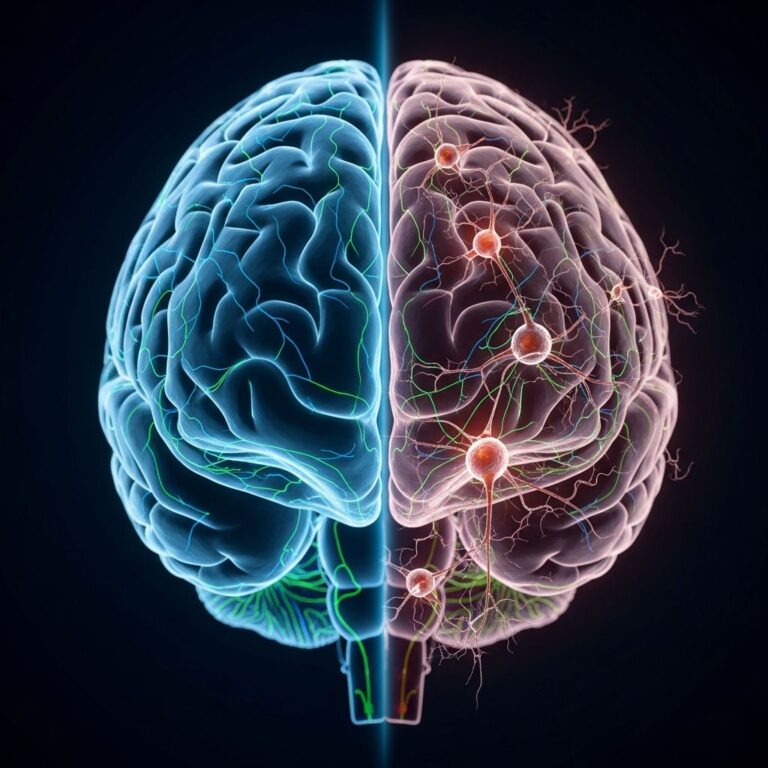
Antidepressants: 5 Drugs That Trigger Vivid Dreams
Understanding the link between antidepressants and intense, vivid dreams during sleep.
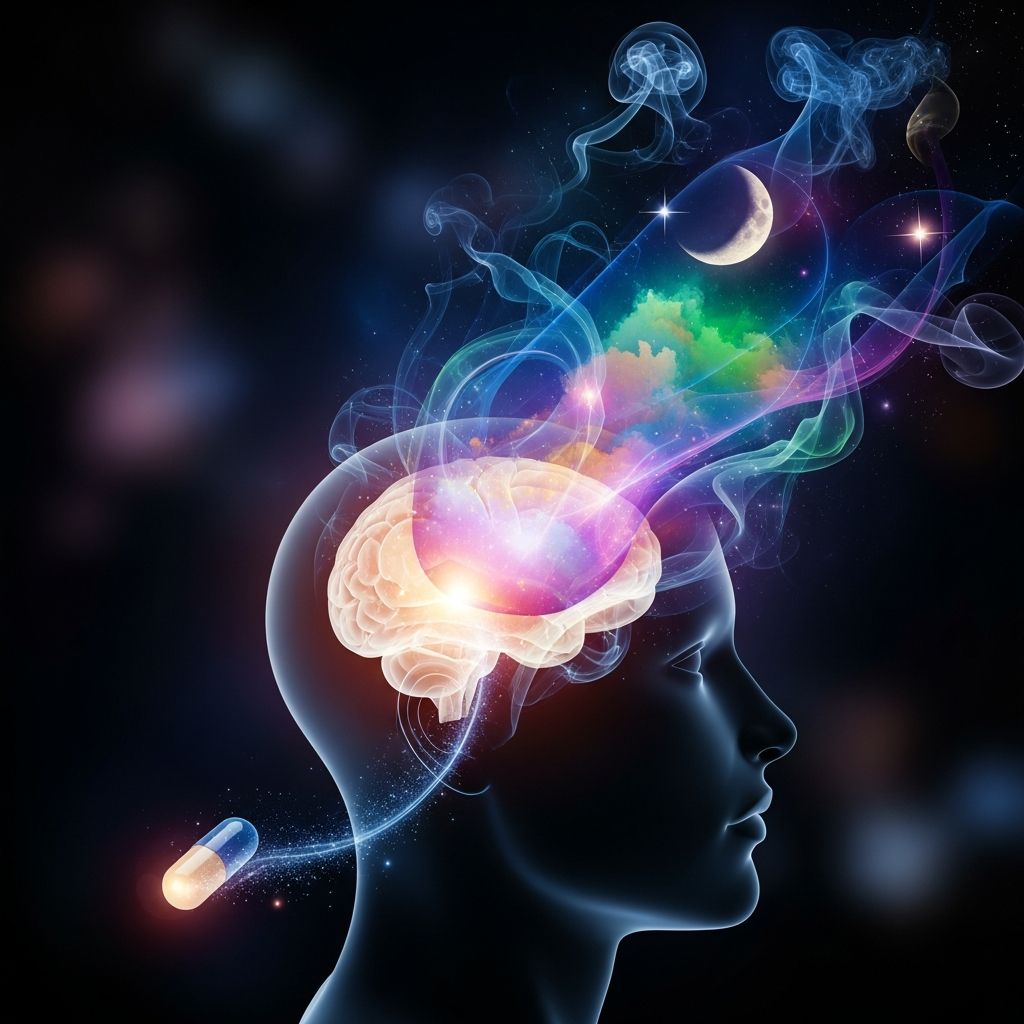
Can Antidepressants Cause Vivid Dreams?
For many people taking antidepressants like sertraline or fluoxetine, the medications provide invaluable relief from anxiety and depression—helping with everyday tasks that might otherwise feel overwhelming. However, alongside these benefits, some individuals report experiencing unusually vivid, intense, and sometimes disturbing dreams. These dreams can feel remarkably real and leave people disoriented upon waking. This raises an important question: is there genuinely a link between antidepressant use and vivid dreaming?
The answer is yes. Research has confirmed that certain antidepressants, particularly selective serotonin reuptake inhibitors (SSRIs) and serotonin-norepinephrine reuptake inhibitors (SNRIs), can intensify dreams and alter dream patterns in significant ways. Understanding why this happens and what you can do about it is essential for making informed decisions about your mental health treatment.
Understanding SSRIs and Dream Intensity
SSRIs represent one of the most commonly prescribed classes of antidepressants worldwide. Medications in this category include sertraline, fluoxetine, and citalopram. Research has demonstrated that these drugs—along with SNRIs—intensify dreams and increase how often people report experiencing nightmares. Notably, individuals taking these medications frequently describe their dreams as more colorful, wild, and vivid compared to their usual dream patterns.
What makes this phenomenon particularly interesting is that while many people find these intense dreams troubling, the exact mechanism behind why this occurs hasn’t been fully established. As Dr. Tom Pennybacker, a consultant psychiatrist, explains, the brain chemicals regulated by these medications influence thoughts and emotions throughout the day and night. By increasing these chemical levels even during sleep, dreams naturally become more intense and realistic. Pleasurable dreams may feel more enjoyable, while nightmares can appear more frightening and detailed.
The NHS notes that between one in ten and one in 100 users of sertraline report experiencing abnormal dreams—making this a relatively common but not universal side effect. This variation suggests that individual neurochemistry plays a significant role in determining who experiences vivid dreams and to what degree.
The Role of REM Sleep and Brain Chemistry
To understand antidepressant-related vivid dreams, it’s essential to explore rapid eye movement (REM) sleep. REM sleep is the stage of sleep when most dreams occur, and it plays a critical role in learning, memory consolidation, and mood regulation. During this restorative phase, the brain is highly active, and neural patterns associated with waking consciousness become reactivated.
Research indicates that SSRIs have a measurable impact on REM sleep patterns. Interestingly, these medications actually suppress REM sleep initially. This creates a paradoxical situation: if SSRIs reduce REM sleep, we might expect people to experience fewer dreams, not more. Yet many individuals report the opposite effect—more vivid and intense dreams while taking these medications.
The explanation lies in a phenomenon called REM rebound. When REM sleep is suppressed by medication, the body compensates by increasing the intensity and frequency of REM sleep as it adjusts to the medication. This rebound effect results in particularly vivid and emotionally charged dreams. As the body gradually adapts to the antidepressant over time, this intense rebound period typically subsides, and dream patterns usually normalize.
Related Stories



The neurotransmitter serotonin plays a central role in this process. SSRIs work by increasing serotonin availability in the brain, which improves mood and reduces anxiety. However, serotonin also influences sleep-wake cycles and dream generation. The heightened serotonin levels maintained throughout sleep contribute to more intense dream imagery and emotional content.
Important Confounding Factors to Consider
While antidepressants clearly influence dream patterns, it’s crucial to recognize that mental health conditions themselves significantly contribute to sleep disturbances and intense dreams. Depression and anxiety disorders are frequently associated with nightmares, fragmented sleep, and poor sleep quality. When someone begins taking an antidepressant, they may experience vivid dreams not solely because of the medication, but because they’re finally achieving deeper, more restorative sleep as their depression or anxiety improves.
As Dr. Christoph Silvert notes, the confounding factor is that if you’re taking an antidepressant, the depression itself and the accumulated stress on your brain may be contributing to increased nightmares and sleep disturbances. The medication may actually be helping to restore more normal sleep patterns, which can feel like an increase in dream activity simply because you’re now sleeping more soundly and remembering your dreams more clearly.
Additionally, research has noted that there hasn’t been sufficient scientific attention paid to dream content and our ability to remember dreams while on antidepressants. This means the relationship between medication and dreaming is more complex than simple cause-and-effect.
Which Antidepressants Affect Dreams Most?
Not all antidepressants have identical effects on dreaming. SSRIs and SNRIs show the most pronounced impact on dream intensity. Specific medications in these categories that frequently trigger vivid dreams include:
- Sertraline (Zoloft)
- Fluoxetine (Prozac)
- Citalopram (Celexa)
- Venlafaxine (Effexor), an SNRI
- Desvenlafaxine, also an SNRI
With venlafaxine, users particularly report remarkably realistic nightmares emerging during treatment. SNRIs like venlafaxine can also cause REM behavior disorder in some cases, where individuals physically act out their dreams.
Conversely, tricyclic antidepressants demonstrate different patterns. Research indicates that tricyclic antidepressants tend to induce more positive dream emotions overall. However, withdrawal from tricyclic antidepressants—as well as from monoamine oxidase inhibitors—can trigger intense nightmares, suggesting that these medication classes affect dream neurobiology differently.
Practical Strategies to Manage Vivid Dreams
Timing of Medication Administration
One of the most straightforward interventions is adjusting when you take your antidepressant. For most SSRIs, healthcare providers recommend taking them in the morning because these medications can be quite activating. Taking antidepressants later in the day can interfere with sleep quality more generally and may exacerbate vivid dreams. By shifting your medication to the morning, you allow the most significant neurochemical changes to occur during waking hours, potentially reducing their impact on nighttime sleep and dreaming.
Dosage Adjustment
If you’re experiencing unwanted side effects like nightmares and sleep disturbances, consulting with your prescribing healthcare provider about reducing your dosage may help. A lower dose might provide therapeutic benefits for your depression or anxiety while producing fewer dream-related side effects. This adjustment should always be made in consultation with your doctor rather than independently.
Medication Switching
Different individuals experience varying side effect profiles with different SSRIs. Some people find that switching to a different SSRI within the same drug class reduces vivid dreams while maintaining therapeutic benefits. Alternatively, exploring other antidepressant classes such as different SNRIs might result in fewer dream-related side effects. Your healthcare provider can help identify medications that offer the best balance of efficacy and tolerability for your specific situation.
Sleep Hygiene Optimization
Establishing good sleep hygiene practices can help mitigate the impact of vivid dreams. These include:
- Maintaining a consistent sleep schedule by going to bed and waking at the same time daily
- Creating a dark, quiet, cool bedroom environment
- Avoiding screens 30-60 minutes before bedtime
- Limiting caffeine consumption, particularly in the afternoon and evening
- Avoiding alcohol, which can disrupt REM sleep
- Engaging in relaxation techniques like deep breathing or progressive muscle relaxation
Stress Reduction Techniques
Since stress and anxiety can amplify the vividness of dreams, incorporating stress-reduction practices into your daily routine may help. Meditation, yoga, mindfulness exercises, and regular physical activity all contribute to better overall sleep quality and potentially less disturbing dream content.
Dream Journaling
Keeping a dream journal can provide valuable insight into patterns, recurring themes, or specific triggers for disturbing dreams. This practice helps you identify whether vivid dreams are improving over time as your body adjusts to the medication, or whether they’re becoming more problematic. This information can be invaluable when discussing your experiences with your healthcare provider.
When to Seek Medical Advice
While vivid dreams caused by antidepressants are usually not a sign of a serious problem, certain situations warrant professional consultation. You should contact your healthcare provider if:
- Your dreams are causing significant anxiety or emotional distress
- Dreams involve resurfacing traumatic memories or exacerbating PTSD symptoms
- Vivid dreams are significantly disrupting your sleep quality and daytime functioning
- You’re experiencing sleep paralysis or acting out your dreams physically
- The side effects persist beyond the initial adjustment period (typically 2-4 weeks)
It’s important to remember that discussing these concerns with your doctor doesn’t mean you need to stop taking your antidepressant. Rather, it opens a conversation about finding solutions that allow you to receive the mental health benefits you need while minimizing bothersome side effects.
Will Vivid Dreams Persist Long-Term?
One reassuring aspect of antidepressant-induced vivid dreams is that they often decrease over time as your body adjusts to the medication. In many cases, the intensity and frequency of vivid dreams diminish significantly within the first few weeks to months of treatment. However, the timeline and intensity vary considerably among individuals, depending on factors like dosage, individual neurochemistry, and the specific medication used.
The REM rebound effect that causes initial vivid dreams is typically temporary. As your nervous system adapts to the sustained serotonin levels, your sleep architecture normalizes, and dreams return to their baseline vividness for most people. This adjustment period is a sign that your body is acclimating to the medication, not that something is wrong.
Frequently Asked Questions
Q: Are vivid dreams on antidepressants a sign that the medication isn’t working?
A: No. Vivid dreams are a side effect of how the medication affects your brain chemistry, not an indication of treatment failure. Many people experience vivid dreams while still gaining significant benefits for their depression or anxiety.
Q: How common are vivid dreams on SSRIs?
A: Research suggests that between 1 in 10 and 1 in 100 users of sertraline report abnormal dreams. The prevalence varies by medication and individual factors, making this a common but not universal side effect.
Q: Can I reduce vivid dreams by taking my antidepressant at a different time?
A: Yes, taking your SSRI in the morning rather than evening can help, as it allows the medication’s activating effects to occur during waking hours. Always consult your doctor before changing medication timing.
Q: Do vivid dreams mean I should stop taking my antidepressant?
A: No. Instead, discuss the side effects with your healthcare provider. Together you can explore options like dosage adjustment, timing changes, or switching to a different medication that may work better for you.
Q: Will the vivid dreams eventually go away?
A: For most people, vivid dreams decrease significantly as the body adjusts to the medication, typically within 2-4 weeks. However, individual experiences vary, and some people may need to make medication adjustments.
Q: Are vivid dreams on antidepressants dangerous?
A: Vivid dreams themselves are not dangerous. However, if they’re causing significant distress or affecting your sleep quality, it’s worth discussing with your doctor to find management strategies or alternative medications.
References
- Why can antidepressants cause vivid dreams? — Patient.info. Accessed January 2026. https://patient.info/features/healthy-living/can-antidepressants-cause-vivid-dreams
- Dreams, Sleep, and Psychotropic Drugs — PubMed Central, National Institutes of Health. https://pmc.ncbi.nlm.nih.gov/articles/PMC7674595/
- Dreaming under antidepressants: a systematic review — PubMed. https://pubmed.ncbi.nlm.nih.gov/22800769/
- Why Do Antidepressants Cause Vivid Dreams? — Marks Psychiatry. Accessed January 2026. https://markspsychiatry.com/why-do-antidepressants-cause-vivid-dreams/
- The Weirdest Dreams I’ve Had Since Taking Antidepressants — VICE. Accessed January 2026. https://www.vice.com/en/article/why-antidepressants-give-you-bad-dreams/
- How antidepressants can affect your dreams — Happiful Magazine. Accessed January 2026. https://happiful.com/how-anti-depressants-can-affect-your-dreams
Similar Articles








Read full bio of medha deb