Can Beans Cause Constipation? 6 Dietitian Tips For Relief
Discover if beans really cause constipation, why they might lead to gas, and how a dietitian recommends enjoying them for optimal gut health.
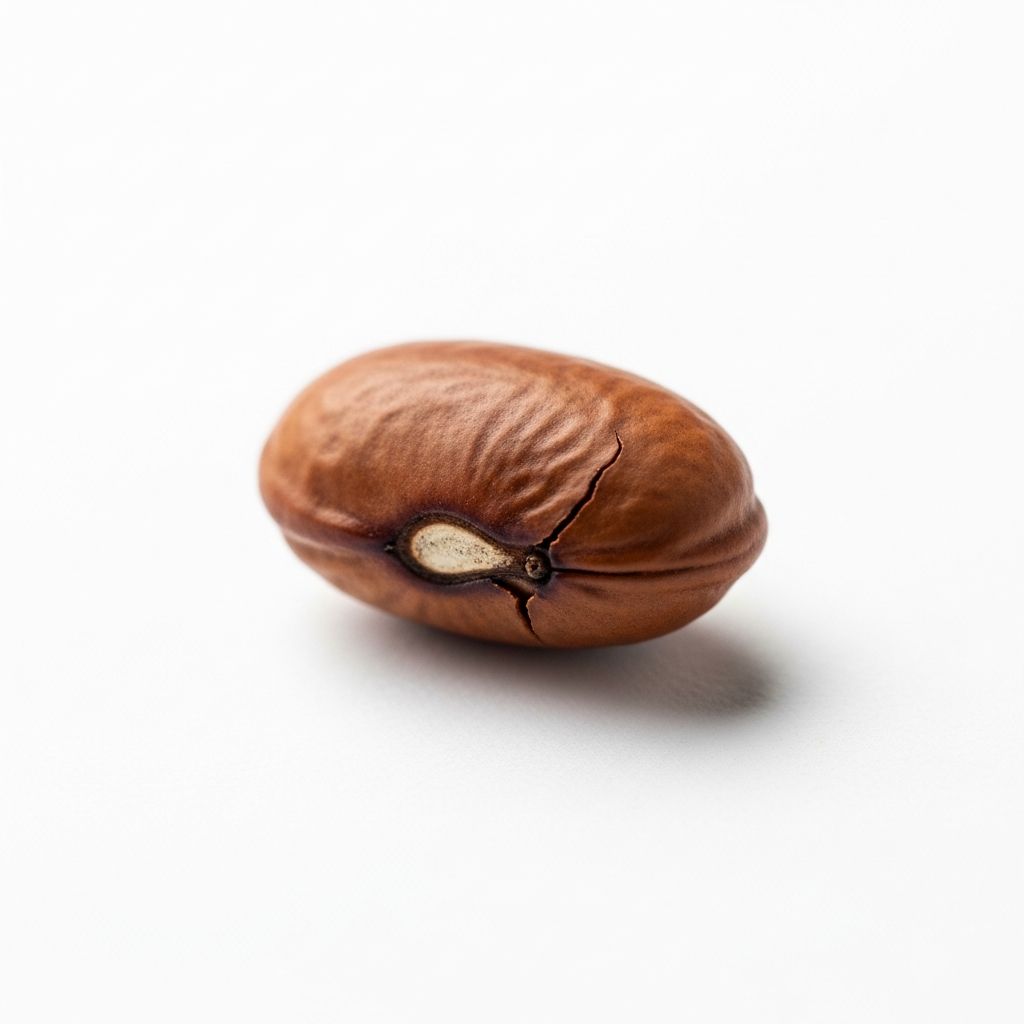
Beans are nutritional superstars packed with protein, fiber, and essential nutrients, often hailed as nature’s perfect food for promoting digestive health. Yet, a common concern arises: can beans cause constipation? The short answer from dietitians is no—beans typically help prevent constipation due to their high soluble and insoluble fiber content, which regulates bowels and adds bulk to stool. However, if you’re new to beans or consume them in large amounts without preparation, they might lead to temporary bloating or gas rather than constipation.
This article dives deep into the science behind beans and digestion, addressing myths, offering practical tips from experts, and providing strategies to incorporate beans safely into your diet for optimal gut health. Whether you’re battling irregularity or simply want to maximize beans’ benefits, read on for evidence-based insights.
Understanding Constipation and Fiber’s Role
Constipation is characterized by infrequent bowel movements, hard stools, or difficulty passing stool, often linked to low fiber intake, dehydration, or sedentary lifestyles. Dietary fiber, found abundantly in beans, is essential for a healthy digestive system. There are two main types: soluble fiber, which dissolves in water to form a gel-like substance that softens stool, and insoluble fiber, which adds bulk and speeds transit time through the intestines.
Beans excel here, offering a balanced mix. For instance, a cup of boiled lentils provides 18 grams of fiber, black beans 15 grams, and chickpeas 12 grams—far surpassing many other foods. This fiber combo not only prevents constipation but also lowers cholesterol, stabilizes blood sugar, and may protect against colon cancer. Mayo Clinic emphasizes that fiber from plant foods like beans is crucial for overall health, recommending 25-30 grams daily for adults.
Why Beans Don’t Cause Constipation—They Relieve It
Contrary to the myth, beans are among the top foods recommended for constipation relief. A UCLA Health expert notes that their fiber regulates bowels, keeping you regular and preventing issues like constipation. Studies and dietitians agree: incorporating beans increases stool frequency and improves consistency.
Prunes, beans, and figs top the list of perceived constipation relievers in surveys, with beans’ efficacy backed by their fiber profile. HealthPartners highlights beans’ dual soluble-insoluble fiber as ideal for digestion, making them a go-to for those with irregularity. In fact, plant-based diets rich in beans, like Mediterranean or vegan patterns, significantly lower chronic constipation risk, even beyond just fiber intake.
- High fiber content: Up to 18g per cup in lentils, promoting bulk and motility.
- Prebiotic benefits: Feeds gut bacteria, enhancing microbiome health and short-chain fatty acid production for smoother digestion.
- Protein bonus: Replaces animal proteins, reducing saturated fats that slow digestion.
Why Do Beans Cause Gas and Bloating (Not Constipation)?
The real culprit behind bean discomfort is gas and bloating, often mistaken for constipation. Beans’ fiber is harder to digest, especially for those unaccustomed to it, leading to fermentation by gut bacteria that produces gas. Raffinose, a complex sugar in beans, is indigestible and ferments in the colon, causing flatulence.
Related Stories



Dr. Adeyemo from UCLA advises starting small: “Begin with a small serving or spread intake throughout the day to acclimate your body.” This gradual approach minimizes bloating while building tolerance. Unlike constipation, gas is temporary and resolves as your gut adapts—typically within weeks of consistent consumption.
How to Eat Beans Without Gas or Digestive Upset
To harness beans’ benefits minus the bloat, follow these dietitian-approved strategies:
- Start slow: Begin with ¼ cup daily, increasing gradually over 2-4 weeks.
- Rinse canned beans: Reduces sodium and oligosaccharides by up to 40%.
- Soak and cook dried beans: Overnight soaking with a bay leaf discards gas-causing compounds; discard soak water.
- Pair with digestive aids: Combine with ginger, fennel, or cumin to ease fermentation.
- Stay hydrated: Drink 8-10 glasses of water daily; fiber needs fluid to work effectively.
- Increase gradually in plant-based diets: Fill half your plate with veggies and beans for sustained relief.
These tips align with low-FODMAP principles for sensitive guts, where reducing certain fibers temporarily improves symptoms before reintroducing beans.
High-Fiber Foods Comparison Table
Beans outshine many foods in fiber density. Here’s how they stack up:
| Category | Food | Serving Size | Total Fiber (g) |
|---|---|---|---|
| Beans/Legumes | Lentils (boiled) | 1 cup | 18 |
| Beans/Legumes | Black Beans (canned) | 1 cup | 15 |
| Beans/Legumes | Chickpeas (cooked) | 1 cup | 12 |
| Vegetables | Artichoke | 1 cup | 9 |
| Vegetables | Broccoli (cooked) | 1 cup | 5 |
| Whole Grains | Quinoa (cooked) | 1 cup | 5 |
| Nuts/Seeds | Chia Seeds | 2 tbsp | 18 |
Data sourced from HealthPartners; aim for diverse sources to hit daily fiber goals.
Sample Bean-Inclusive Meal Plan for Gut Health
Incorporate beans daily for constipation prevention. Here’s a 1-day plant-based plan emphasizing gradual fiber increase:
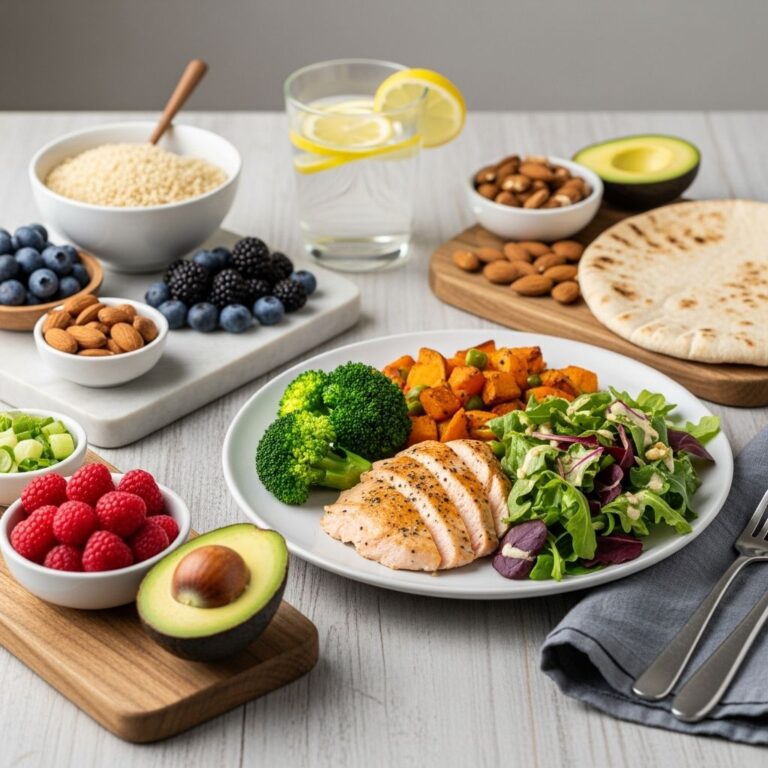
- Breakfast: Oatmeal with chia seeds and a small handful of black beans (soluble fiber softens stool).
- Lunch: Chickpea salad with veggies, quinoa, and olive oil (Mediterranean-style).
- Snack: Apple slices with almond butter (pairs fiber with healthy fats).
- Dinner: Lentil soup with kale and carrots; side of whole-grain bread.
- Hydration tip: 8+ cups water; herbal tea post-meals.
This plan mirrors diets shown to reduce constipation risk by promoting microbiome diversity and steady digestion.
Who Should Be Cautious with Beans?
Most people benefit, but those with IBS, SIBO, or low-FODMAP needs may need modifications. A low-FODMAP diet temporarily restricts beans but allows reintroduction for long-term tolerance. Colorectal cancer survivors saw improved gut health and immune regulation from daily navy beans. Consult a doctor if constipation persists despite fiber increases.
Frequently Asked Questions (FAQs)
Can beans cause constipation in some people?
No, beans prevent constipation due to high fiber, but sudden large intake can cause gas mistaken for it. Start slow.
Are canned beans as good as dried for digestion?
Yes, if rinsed well; they retain fiber benefits with less prep time.
How much fiber from beans daily?
½-1 cup daily, building up; pairs with 25-30g total fiber goal.
Do unripe bananas worsen constipation like beans?
Unripe bananas can due to tannins, but ripe ones and beans aid relief.
Best beans for beginners?
Lentils or split peas—easier to digest, high fiber.
Final Thoughts on Beans for Digestive Wellness
Beans are allies, not enemies, in the fight against constipation. Their fiber profile supports regularity, gut health, and beyond. By starting small, preparing properly, and hydrating, you can enjoy gas-free benefits. Embrace plant-powered eating for a happier gut—your body will thank you.
References
- Why beans are nature’s perfect food — UCLA Health. 2023-10-12. https://www.uclahealth.org/news/article/why-beans-are-natures-perfect-food
- Foods and drinks that can help with constipation — HealthPartners. 2024-05-15. https://www.healthpartners.com/blog/foods-for-constipation/
- Scientists Find These 2 Diets Help You Poop — Prevention. 2024-11-20. https://www.prevention.com/health/a69596499/diets-to-combat-chronic-constipation-study/
- Get Things Moving — A Dietitian’s Guide to Relieving Constipation — Today’s Dietitian. 2023-08-01. https://www.todaysdietitian.com/digestive-wellness-get-things-moving-a-dietitians-guide-to-relieving-constipation/
- Perceptions of the Role of Diet Among People With Constipation — NIH (PMC). 2005-01-01. https://pmc.ncbi.nlm.nih.gov/articles/PMC12820912/
- Dietary fiber: Essential for a healthy diet — Mayo Clinic. 2024-07-25. https://www.mayoclinic.org/healthy-lifestyle/nutrition-and-healthy-eating/in-depth/fiber/art-20043983
- Eating beans improves gut health… — MD Anderson Cancer Center. 2020-11-30. https://www.mdanderson.org/newsroom/eating-beans-improves-gut-health-regulates-immune-inflammatory-processes-colorectal-cancer-survivors.h00-159623379.html
Similar Articles








Read full bio of medha deb