Can Your Blood Pressure Be Too Low?
Understanding hypotension: When low blood pressure becomes a serious health concern.
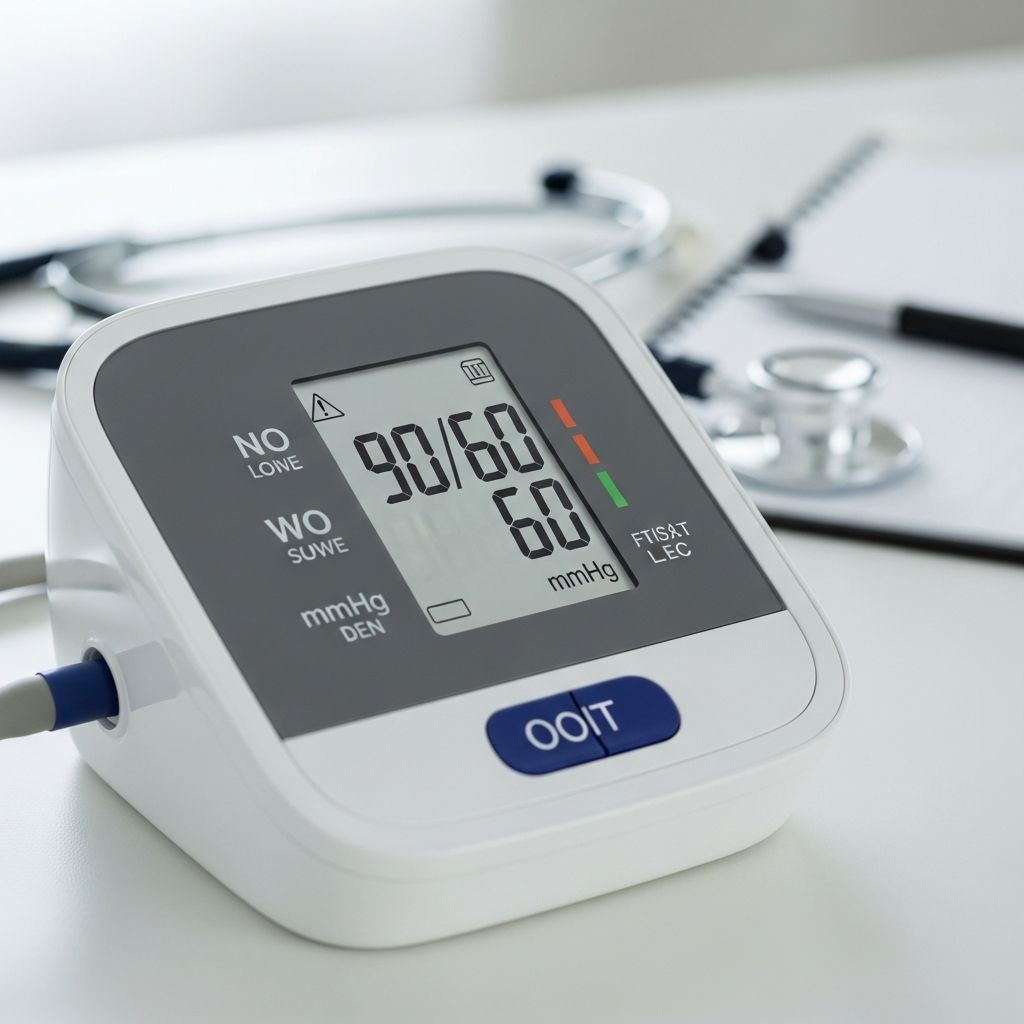
Most people are familiar with the dangers of high blood pressure, which slowly damages arteries and significantly increases the risk of heart attack and stroke. However, fewer individuals understand that blood pressure can also be too low—a condition known as hypotension. While high blood pressure garners more attention in medical discussions, dangerously low blood pressure poses its own serious health risks and can result in immediate, sometimes life-threatening consequences.
The question of whether blood pressure can be too low is an important one for anyone concerned about cardiovascular health. Understanding the dangers of hypotension, recognizing its symptoms, and knowing when to seek medical attention are critical components of maintaining overall well-being.
Understanding Blood Pressure Readings
Blood pressure is measured in two numbers: systolic pressure (the top number) and diastolic pressure (the bottom number), typically expressed as systolic/diastolic. These measurements are given in millimeters of mercury (mm Hg). For healthy adults, a normal blood pressure reading is generally considered to be below 120/80 mm Hg.
Among healthy people, a good blood pressure target is under 120/80 mm Hg. However, for individuals with hypertension who are working to lower their blood pressure, the goals and targets may differ based on individual health circumstances and medical recommendations from healthcare providers.
Blood pressure naturally fluctuates throughout the day based on physical activity, emotional stress, sleep patterns, and other factors. However, when blood pressure consistently remains below normal levels, it can signal an underlying health issue that requires attention.
What Constitutes Low Blood Pressure?
Low blood pressure, or hypotension, is typically defined as a blood pressure reading below 90/60 mm Hg. However, what is considered “too low” can vary from person to person. Some individuals naturally have lower blood pressure without experiencing any symptoms or health problems. These people are often athletic, younger, or genetically predisposed to naturally lower readings.
The critical factor is not just the number itself, but whether the low blood pressure is causing symptoms or indicating an underlying medical condition. A person with chronically low blood pressure of 95/60 mm Hg who experiences no symptoms may have no cause for concern, while another person with a reading of 100/65 mm Hg who suddenly develops dizziness and fatigue may have a significant problem.
Healthcare providers assess whether low blood pressure is problematic by considering the patient’s symptoms, medical history, current medications, and other health conditions. What matters most is whether the low pressure is causing symptoms or reflecting an underlying disease that needs treatment.
Immediate Effects and Symptoms of Low Blood Pressure
Low blood pressure can cause immediate and noticeable symptoms that impact daily functioning and quality of life. Unlike high blood pressure, which often develops silently without obvious symptoms, low blood pressure frequently produces clear warning signs:
- Blurry or dimmed vision
- Confusion or difficulty concentrating
- Dizziness or lightheadedness
- Fainting or loss of consciousness
- Falls and resulting injuries
- Fatigue and weakness
- Difficulty breathing
- Rapid or irregular heartbeat
- Chest pain
- Cold, clammy skin
These symptoms occur because the heart is not pumping sufficient blood to the brain and vital organs. When the brain does not receive adequate oxygen-rich blood, cognitive function deteriorates, vision becomes unclear, and the person may lose consciousness. In elderly individuals and those with certain medical conditions, falls resulting from low blood pressure can lead to serious injuries such as broken bones or head trauma.
Causes of Hypotension
Low blood pressure can result from various causes, which healthcare providers categorize into several types:
Orthostatic Hypotension
Orthostatic hypotension occurs when blood pressure drops significantly upon standing up from a sitting or lying position. This happens because blood pools in the legs due to gravity, and the body temporarily cannot compensate by constricting blood vessels quickly enough. This type of low blood pressure is particularly common in older adults, individuals taking certain medications, and those who have been bedbound or sedentary for extended periods.
Postprandial Hypotension
Some people experience a significant drop in blood pressure after eating a meal. This postprandial hypotension occurs because blood is diverted to the digestive system to aid in food processing, temporarily reducing blood pressure in other parts of the body. This is more common in elderly individuals and those with diabetes or neurological disorders.
Medications
Numerous medications can lower blood pressure as a side effect. These include blood pressure medications themselves (such as ACE inhibitors, beta-blockers, calcium channel blockers, and diuretics), antidepressants, anti-anxiety medications, and pain relievers. Additionally, certain herbal supplements and over-the-counter cold medications can contribute to lower blood pressure.
Dehydration
When the body loses fluids through excessive sweating, diarrhea, vomiting, or inadequate fluid intake, blood volume decreases. Reduced blood volume results in lower blood pressure. This is why athletes and people exercising in hot conditions must stay well-hydrated.
Heart Problems
Various cardiac conditions can cause low blood pressure, including heart failure, arrhythmias (irregular heartbeats), heart valve problems, and heart attacks. These conditions reduce the heart’s ability to pump blood effectively throughout the body.
Endocrine Disorders
Conditions affecting hormone production, such as hypothyroidism, adrenal insufficiency, or diabetes, can result in abnormally low blood pressure.
Sepsis and Severe Infections
Severe infections that progress to sepsis can dramatically lower blood pressure, requiring immediate emergency medical attention.
Anaphylaxis
Severe allergic reactions cause rapid blood pressure drops and represent medical emergencies requiring immediate treatment with epinephrine.
Blood Loss
Significant blood loss from trauma, surgery, or internal bleeding dramatically reduces blood volume and blood pressure, requiring urgent intervention.
Long-Term Health Implications
While acute episodes of low blood pressure demand immediate attention, chronic low blood pressure can also have long-term health consequences. Research indicates that maintaining appropriate blood pressure throughout life is important for long-term cardiovascular health outcomes. Studies tracking individuals from early adulthood into later life demonstrate associations between various blood pressure levels in younger years and cardiovascular disease mortality decades later.
However, it is important to note that this research primarily focuses on the dangers of elevated blood pressure rather than chronically low readings. The relationship between persistently low blood pressure and long-term cardiovascular outcomes requires further research, but current evidence suggests that extremely low blood pressure, particularly when accompanied by symptoms, can compromise organ function and increase health risks.
When to Seek Medical Attention
Individuals should seek immediate emergency medical care if they experience:
- Severe fainting episodes
- Chest pain or pressure
- Difficulty breathing
- Rapid or severely irregular heartbeat
- Confusion or altered mental state
- Cold, clammy skin
- Bluish lips or fingertips
Additionally, anyone experiencing persistent dizziness, frequent fainting episodes, or new onset symptoms of low blood pressure should schedule an appointment with their healthcare provider. This is particularly important for older adults, individuals taking multiple medications, and those with known cardiovascular or neurological conditions.
Management and Treatment Options
Treatment for low blood pressure depends on the underlying cause and severity of symptoms. Healthcare providers may recommend lifestyle modifications as a first approach:
- Increasing fluid and salt intake (when appropriate)
- Rising slowly from sitting or lying positions
- Wearing compression stockings to prevent blood pooling
- Eating smaller, more frequent meals
- Avoiding prolonged standing in hot environments
- Increasing physical activity and exercise
- Avoiding alcohol consumption
When lifestyle modifications prove insufficient, physicians may adjust or change medications contributing to low blood pressure, or may prescribe medications specifically designed to raise blood pressure, such as fludrocortisone or midodrine. Treatment approaches are individualized based on each patient’s specific circumstances and underlying health conditions.
The Importance of Individualized Assessment
The key to determining whether blood pressure is “too low” lies in individualized assessment by qualified healthcare providers. Medical professionals consider multiple factors including age, overall health status, symptoms, medications, medical history, and how the low blood pressure compares to the patient’s personal baseline.
Some athletes and young, healthy individuals naturally have blood pressure readings below 100/60 mm Hg without any adverse effects. Conversely, an older adult with multiple chronic conditions might develop serious symptoms with readings that would be acceptable in a younger person. This individual variation means that no single threshold definitively separates normal from problematic low blood pressure.
Conclusion
Yes, blood pressure can absolutely be too low. While high blood pressure receives more public attention due to its prevalence and serious long-term complications, hypotension poses immediate and potentially serious health risks. Low blood pressure can cause dizziness, fainting, confusion, and falls, and in severe cases can indicate life-threatening conditions requiring emergency medical care.
Understanding your personal blood pressure baseline, recognizing symptoms of problematic low blood pressure, and maintaining open communication with your healthcare provider are essential for managing this condition effectively. If you experience symptoms suggestive of low blood pressure or have concerns about your readings, consult with your healthcare provider to determine whether your blood pressure is appropriately low or represents a concern requiring treatment.
Frequently Asked Questions
Q: What is considered normal blood pressure for adults?
A: For healthy adults, a normal blood pressure is below 120/80 mm Hg. However, what is considered optimal may vary based on individual health factors and age.
Q: Can low blood pressure be dangerous?
A: Yes, low blood pressure can be dangerous, especially when it causes symptoms or indicates an underlying medical condition. It can lead to dizziness, fainting, confusion, and in severe cases, organ damage or failure.
Q: What are the main symptoms of low blood pressure?
A: Common symptoms include blurry vision, dizziness, confusion, fainting, fatigue, difficulty breathing, and rapid heartbeat. Experiencing these symptoms in combination with a low reading warrants medical evaluation.
Q: How is low blood pressure treated?
A: Treatment depends on the underlying cause and may include lifestyle modifications, medication adjustments, increased fluid intake, or prescription medications designed to raise blood pressure. Your healthcare provider will recommend the most appropriate approach.
Q: When should I go to the emergency room for low blood pressure?
A: Seek emergency care immediately if you experience severe fainting, chest pain, difficulty breathing, confusion, or symptoms of shock such as cold, clammy skin or bluish discoloration.
Q: Are athletes more likely to have low blood pressure?
A: Yes, athletes often have naturally lower blood pressure due to improved cardiovascular fitness. This is generally not a cause for concern if they experience no symptoms.
Q: Can medications cause low blood pressure?
A: Yes, many medications can lower blood pressure as a side effect, including blood pressure medications, antidepressants, anti-anxiety drugs, and certain pain relievers. Discuss any concerns about medications with your healthcare provider.
References
- Blood pressure in early adulthood, hypertension in middle age, and future cardiovascular disease mortality: HAHS (Harvard Alumni Health Study) — Gray L, Lee I-M, Sesso HD, Batty GD. Journal of the American College of Cardiology. 2011-11-29. https://pubmed.ncbi.nlm.nih.gov/22115646/
- How Low You Should Go With Blood Pressure and Cholesterol — Harvard Health Publications, Harvard Medical School. 2025-12-02. https://www.health.harvard.edu/heart-health/how-low-you-should-go-with-blood-pressure-and-cholesterol
- Understanding Blood Pressure Readings — National Heart, Lung, and Blood Institute, National Institutes of Health. 2025-12-02. https://www.nhlbi.nih.gov/health/blood-pressure
Similar Articles







Read full bio of medha deb