Can Blood Pressure Be Too Low? Health Risks and Solutions
Understanding hypotension: When low blood pressure becomes a medical concern requiring attention.
When we discuss blood pressure health, conversations typically focus on the dangers of high blood pressure, or hypertension. However, there is another side to this cardiovascular coin: hypotension, or low blood pressure. While high blood pressure is widely recognized as a major health risk factor for heart disease and stroke, many people don’t realize that blood pressure can indeed become problematically low, presenting its own set of health challenges.
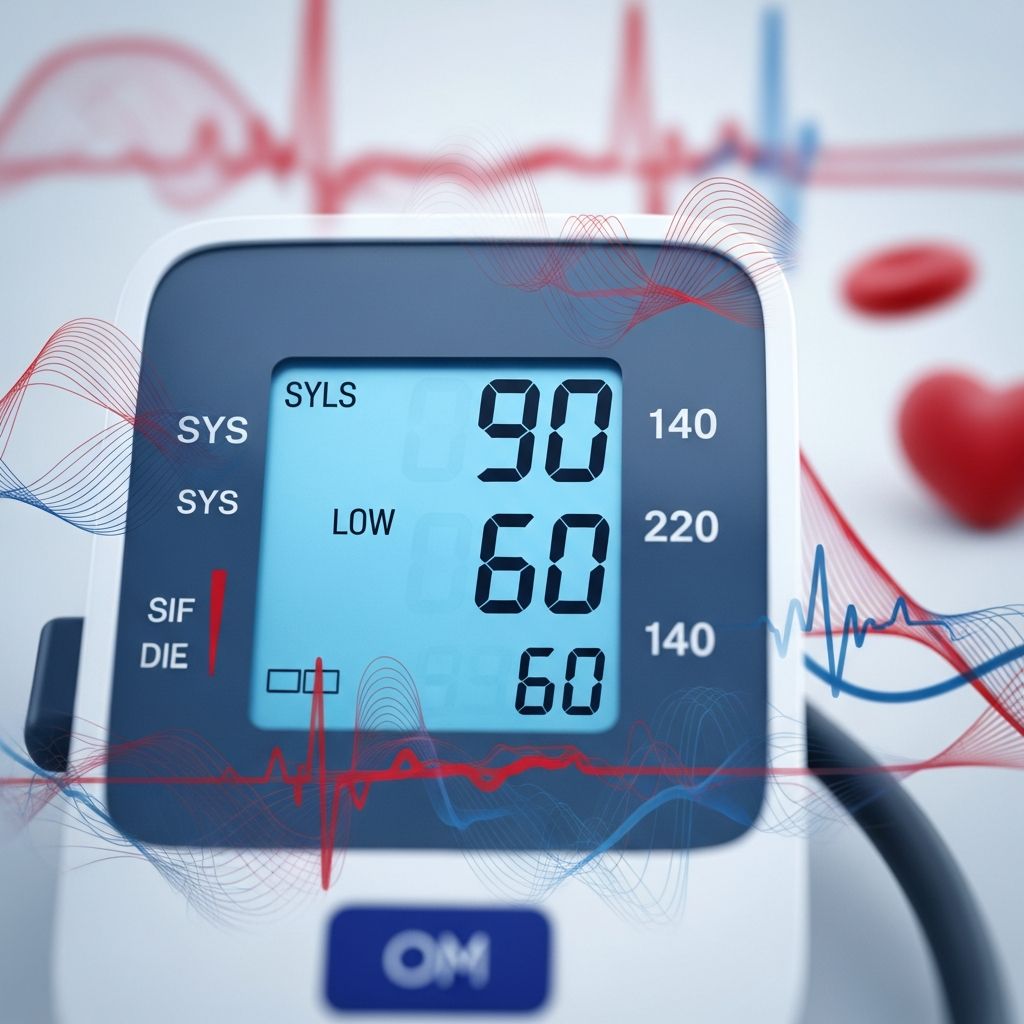
Blood pressure is measured in two numbers: systolic (the upper number, representing pressure when the heart contracts) and diastolic (the lower number, representing pressure between heartbeats). A normal blood pressure reading typically falls between 90/60 and 120/80 millimeters of mercury (mm Hg). However, the ideal blood pressure varies based on individual factors including age, medical history, and overall health condition.
What Constitutes Low Blood Pressure?
Low blood pressure, or hypotension, is generally defined as a blood pressure reading below 90/60 mm Hg. However, the clinical significance of low blood pressure depends greatly on individual circumstances. Some people naturally have lower blood pressure readings and experience no adverse effects, while others may develop symptoms or health complications from reduced blood pressure.
The key distinction lies not merely in the numbers themselves, but in whether low blood pressure causes symptoms or indicates an underlying health problem. A reading of 85/55 mm Hg might be perfectly normal for an athlete or someone naturally predisposed to lower blood pressure, whereas the same reading in another person might signal a serious condition requiring medical intervention.
Causes of Low Blood Pressure
Low blood pressure can develop for numerous reasons, ranging from benign to serious. Understanding these causes is essential for proper diagnosis and treatment:
Dehydration
One of the most common causes of low blood pressure is dehydration. When your body loses more fluid than it takes in, blood volume decreases, leading to reduced blood pressure. This frequently occurs during illness, excessive sweating, vigorous exercise, or inadequate fluid intake.
Medication Side Effects
Certain medications can lower blood pressure as a side effect. Diuretics (water pills), beta-blockers, ACE inhibitors, and other cardiovascular medications may reduce blood pressure to unintended levels. Additionally, medications for depression, Parkinson’s disease, and other conditions can contribute to hypotension.
Endocrine and Metabolic Disorders
Thyroid conditions, adrenal insufficiency, and diabetes can all affect blood pressure regulation. Low blood sugar (hypoglycemia) can cause acute drops in blood pressure, as can severe infections and sepsis.
Cardiovascular Conditions
Heart disease, heart attack, heart valve problems, and arrhythmias can all result in dangerously low blood pressure. These conditions require immediate medical attention.
Nutritional Deficiencies
Anemia caused by insufficient iron, vitamin B-12, or folate can lead to low blood pressure and associated symptoms including fatigue and weakness.
Postural and Situational Factors
Rapid position changes, prolonged bed rest, or standing for extended periods can trigger temporary blood pressure drops. Eating large meals can also cause blood pressure to dip as blood flow is redirected to the digestive system.
Related Stories



Symptoms of Low Blood Pressure
While some people with low blood pressure experience no symptoms, others may develop a range of concerning signs:
- Blurry or dimmed vision
- Confusion or difficulty concentrating
- Dizziness or vertigo
- Fainting (syncope)
- Light-headedness
- Nausea or vomiting
- Weakness or fatigue
- Rapid or weak pulse
- Shallow breathing
- Cold or clammy skin
When experiencing rapid pulse, shallow breathing, or cold, clammy skin in conjunction with low blood pressure, seek immediate medical care, as these symptoms may indicate shock—a life-threatening emergency requiring urgent intervention.
Health Risks Associated with Low Blood Pressure
While high blood pressure gradually damages arteries over time and significantly increases heart attack and stroke risk, low blood pressure causes harm in more immediate ways. The reduced oxygen and nutrient delivery to vital organs can result in acute complications.
Immediate Physical Effects
Low blood pressure deprives the brain and other vital organs of adequate oxygen supply. This deprivation leads to dizziness, confusion, blurred vision, and syncope (fainting). Falls resulting from these symptoms represent a significant injury risk, particularly in elderly populations who may fracture bones or sustain head injuries.
Organ Damage
Prolonged or severe hypotension can damage the kidneys, liver, heart, and brain. Chronic low blood pressure may lead to gradual deterioration of these vital organs if left unaddressed.
Shock
In severe cases, low blood pressure can progress to shock, where the body’s tissues do not receive sufficient blood flow and oxygen. Shock is a medical emergency that can result in organ failure and death if not treated immediately.
Special Populations and Low Blood Pressure
Pregnancy
A drop in blood pressure is common during the first 24 weeks of pregnancy as the circulatory system expands and hormonal changes cause blood vessels to dilate. While usually temporary, it’s important to monitor blood pressure during pregnancy and discuss any symptoms with an obstetrician-gynecologist. Pregnancy-related low blood pressure typically resolves later in pregnancy or after delivery, but underlying causes such as anemia or ectopic pregnancy should be eliminated.
Elderly Individuals
Older adults may be more susceptible to low blood pressure, particularly upon standing (orthostatic hypotension). This increased vulnerability warrants careful medication management and lifestyle modifications.
Athletes
Athletic individuals often have naturally lower blood pressure as an adaptation to cardiovascular training. However, this does not represent pathological hypotension and typically poses no health risk.
Distinguishing Low Blood Pressure from High Blood Pressure
While high blood pressure is a chronic condition that silently damages blood vessels and organ systems over years or decades, low blood pressure often produces immediate, noticeable symptoms. High blood pressure affects approximately 103 million American adults and represents a leading risk factor for cardiovascular disease. In contrast, true hypotension requiring treatment affects a smaller population and presents different diagnostic and management challenges.
The goals for blood pressure management differ between these conditions. For individuals with hypertension, aiming for blood pressure under 120/80 mm Hg is generally recommended, though achieving this may require substantial lifestyle modifications or medication adjustments. For those with hypotension, the goal is to raise blood pressure to adequate levels while ensuring oxygen and nutrient delivery to vital organs.
Management Strategies for Low Blood Pressure
Dietary Approaches
Increase Fluid Intake: Dehydration decreases blood volume and lowers blood pressure. Drinking adequate water throughout the day and limiting dehydrating beverages like alcohol can help maintain healthy blood pressure levels. This is especially important during exercise or heat exposure.
Consume Foods High in Vitamin B-12: Vitamin B-12 deficiency contributes to anemia, which can cause low blood pressure and fatigue. Foods rich in B-12 include eggs, fortified cereals, animal meats, and nutritional yeast.
Increase Folate Intake: Folate deficiency also contributes to anemia. Folate-rich foods include asparagus, beans, lentils, citrus fruits, leafy greens, eggs, and liver.
Add Salt to Diet Thoughtfully: While excessive salt consumption raises blood pressure problematically in hypertensive individuals, moderate salt intake can help raise blood pressure in those with hypotension. Consider canned soups, smoked fish, cottage cheese, pickled items, and olives.
Include Caffeine: Coffee and caffeinated tea may temporarily spike blood pressure by stimulating the cardiovascular system and increasing heart rate. However, caffeine provides only temporary effects and should not be relied upon as a primary treatment.
Eat Smaller, Frequent Meals: Large meals can cause dramatic blood pressure drops as your body directs blood flow toward digestion. Consuming smaller meals more frequently helps maintain stable blood pressure throughout the day.
Lifestyle Modifications
Gradual Position Changes: Moving slowly when standing up from sitting or lying positions allows your cardiovascular system to adjust, preventing sudden blood pressure drops and dizziness.
Avoid Prolonged Heat Exposure: Extended time in saunas, hot tubs, steam rooms, and extreme outdoor heat can cause dehydration and blood pressure reductions. If exercising in heat, take frequent breaks and increase hydration efforts accordingly.
Compression Stockings: These specialized garments help blood circulate upward from the legs and feet, supporting blood pressure regulation and reducing symptoms of orthostatic hypotension.
Regular Physical Activity: Appropriate exercise strengthens the cardiovascular system and helps maintain healthy blood pressure. However, avoid prolonged bed rest, which can worsen low blood pressure conditions.
Limit Alcohol Consumption: Alcohol promotes dehydration and can lower blood pressure, particularly when combined with inadequate fluid intake.
When to Seek Medical Attention
Consult a healthcare provider if you experience symptoms of low blood pressure, particularly if they are new, persistent, or concerning. Seek immediate emergency care if you experience:
- Loss of consciousness or fainting
- Rapid or weak pulse combined with shortness of breath
- Chest pain or pressure
- Confusion or altered mental status
- Severe dizziness or vertigo
- Cold, clammy skin with weakness
Your healthcare provider can perform appropriate testing to identify underlying causes and develop a personalized treatment plan. If you suspect anemia, vitamin deficiencies, or other underlying conditions, medical testing can pinpoint the specific cause and guide appropriate interventions.
Relaxation Techniques and Mental Health
Recently research from Harvard Medical School has explored the relationship between stress management and blood pressure regulation. While relaxation techniques were traditionally studied for their effects on high blood pressure, emerging evidence suggests that mind-body approaches influence genetic expression related to inflammation and cardiovascular function. Managing stress through meditation, deep breathing, and mindfulness may support overall cardiovascular health, though these should complement rather than replace conventional medical treatment for significant hypotension.
Working with Healthcare Providers
Effective management of low blood pressure requires collaboration between you and your healthcare team. Your physician can assess whether your low blood pressure represents a normal variation or a condition requiring treatment. A registered dietitian can help optimize your diet for blood pressure management while ensuring you receive adequate nutrition. Regular monitoring and open communication about symptoms help ensure your treatment plan remains effective and adjusted to your changing needs.
Frequently Asked Questions
Q: Is low blood pressure ever normal?
A: Yes, some individuals naturally have lower blood pressure readings and experience no symptoms or health problems. Athletes often have lower blood pressure as a beneficial cardiovascular adaptation. Low blood pressure becomes concerning only when it causes symptoms or indicates an underlying health issue.
Q: Can low blood pressure cause a heart attack?
A: While low blood pressure itself doesn’t directly cause a heart attack, severe hypotension can reduce oxygen delivery to heart muscle and increase stress on the cardiovascular system. Additionally, conditions that cause severe low blood pressure—such as heart attack or severe infection—can be life-threatening.
Q: How quickly does blood pressure rise after eating salty foods?
A: Caffeine and salt typically raise blood pressure within 15-30 minutes of consumption, though effects are temporary. These are not reliable long-term solutions for persistent hypotension.
Q: Should I stop my medications if they’re lowering my blood pressure too much?
A: Never stop taking prescribed medications without consulting your healthcare provider. Instead, discuss your symptoms with your doctor, who can adjust dosages, change medications, or modify your treatment plan appropriately.
Q: Can dehydration cause fainting from low blood pressure?
A: Yes, dehydration reduces blood volume and can lower blood pressure enough to cause dizziness or fainting. This is particularly common during illness, excessive sweating, or vigorous exercise without adequate fluid replacement.
Q: Is low blood pressure more dangerous than high blood pressure?
A: Both conditions pose health risks, but in different ways. High blood pressure causes gradual organ damage over years, while low blood pressure produces immediate symptoms and can cause acute complications like falls or organ damage if severe.
References
- How Low You Should Go With Blood Pressure and Cholesterol — Harvard Heart Letter, Harvard Medical School. 2024. https://www.health.harvard.edu/heart-health/blood-pressure-can-it-be-too-low
- Raise Low Blood Pressure Naturally Through Diet — Healthline. 2024. https://www.healthline.com/health/low-blood-pressure-diet
- Effects of Relaxation Response on Hypertension-Related Genes — Journal of Alternative and Complementary Medicine, Massachusetts General Hospital. 2018. https://www.ncbi.nlm.nih.gov/pmc/articles/PMC5858907/
- Vitamin B12 Fact Sheet — National Institutes of Health, Office of Dietary Supplements. 2020. https://ods.od.nih.gov/factsheets/VitaminB12-HealthProfessional/
- Blood Pressure: What Is Normal? — American Heart Association. 2024. https://www.heart.org/en/news/2018/12/10/blood-pressure-what-is-normal
Similar Articles








Read full bio of Sneha Tete