Cold Sores: 6 Winter Triggers And Prevention Tips
Discover why cold winter weather often sparks cold sore outbreaks and learn expert tips to prevent and manage them effectively.
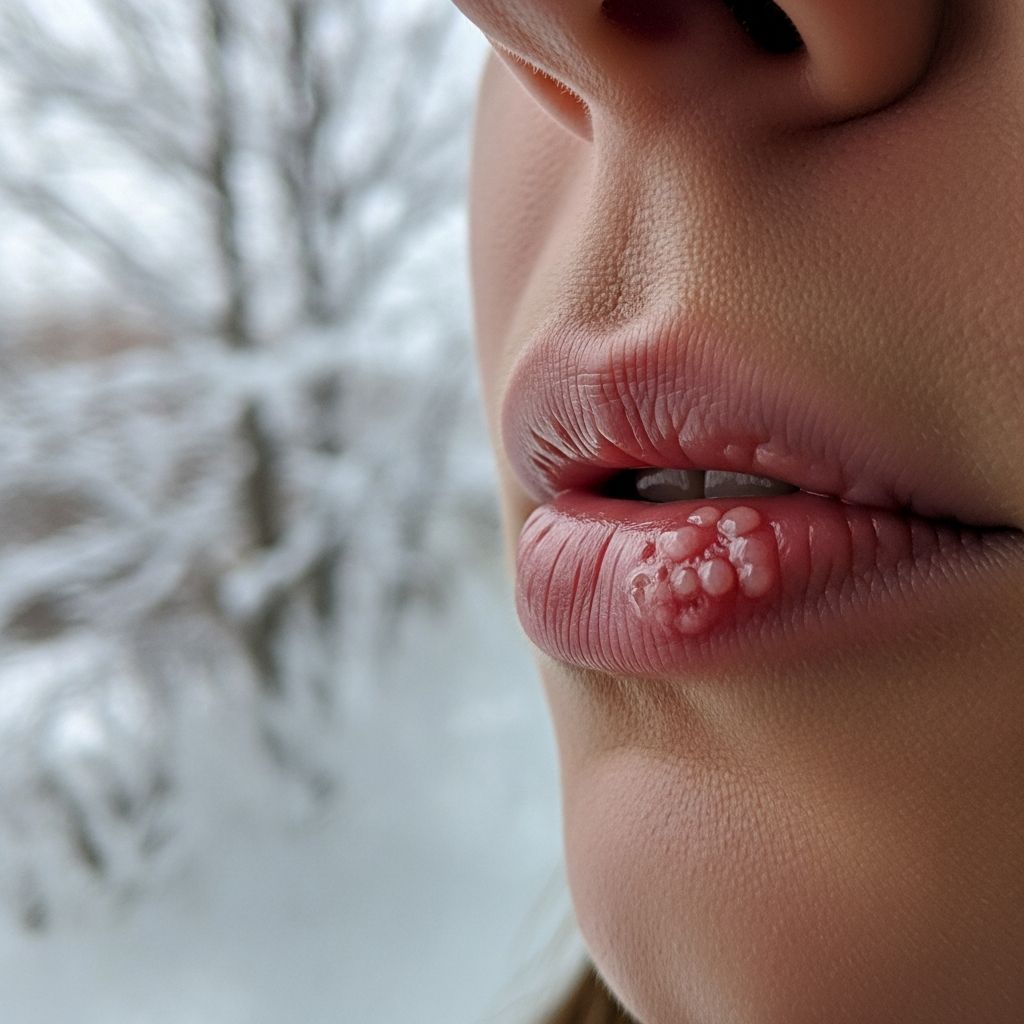
Cold sores, those painful blisters around the mouth, often flare up in winter due to dry air, temperature changes, and weakened immunity from seasonal illnesses. Caused by the herpes simplex virus (HSV-1 or HSV-2), the virus lies dormant in nerve cells but reactivates under certain triggers like cold weather. While most people carry HSV-1 asymptomatically, recurrent outbreaks affect millions, making winter a high-risk season.
This article explores how winter conditions provoke cold sores, common triggers to watch for, and practical prevention strategies. Understanding these factors empowers you to minimize discomfort and speed healing.
What Are Cold Sores?
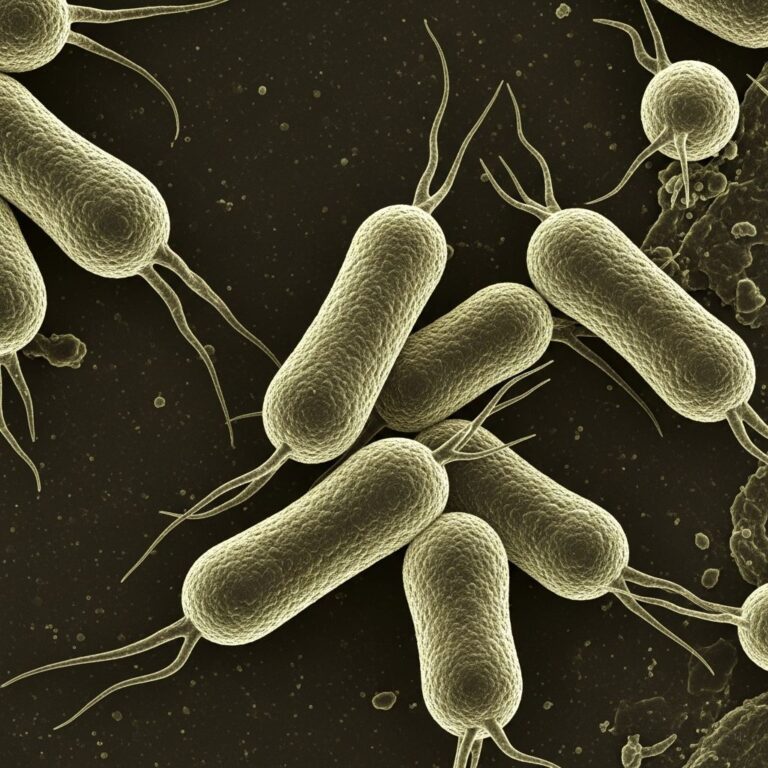
Cold sores, also called fever blisters, are small, fluid-filled blisters typically appearing on or around the lips. They result from infection with
herpes simplex virus type 1 (HSV-1)
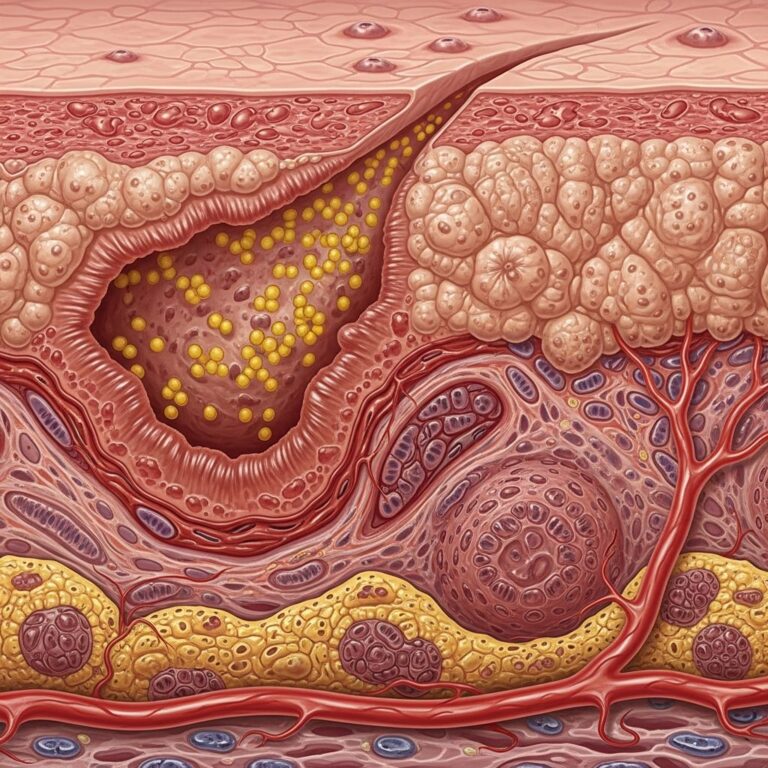
, though HSV-2 can occasionally cause them orally. The virus spreads through close contact like kissing or sharing utensils, infecting over 50-80% of adults worldwide, often in childhood.After initial infection, HSV-1 retreats to sensory nerve ganglia near the cheekbones, remaining latent. Triggers prompt it to travel along nerves to the skin, replicating and causing blisters that crust over in 7-10 days. Symptoms include tingling, itching, and burning before blisters form, followed by pain and scabbing.
Outbreaks are self-limiting but recurrent for 20-40% of carriers, lasting longer or more frequently in those with weakened immunity. Winter exacerbates this due to multiple overlapping triggers.
How Common Are Cold Sores?
HSV-1 prevalence is high: approximately two-thirds of people under 50 globally are infected, per WHO data. In the UK and US, 30-50% experience recurrent cold sores. Winter sees spikes; surveys note 20-30% more outbreaks from November to February due to environmental and health factors.
- Recurrence rates: 1-6 outbreaks per year for frequent sufferers.
- Demographics: More common in women, young adults, and immunocompromised individuals.
- Seasonal pattern: Cold weather correlates with 25% higher incidence.
Winter Weather as a Trigger
Cold weather itself may reactivate HSV-1. Dermatologist Dr. Anjali Mahto notes, “Cold weather may possibly reactivate the cold sore virus,” especially with temperature swings from frosty outdoors to heated indoors. These changes stress skin barrier function, drying lips and prompting viral replication.
Dr. Patricia Macnair explains the mechanism: the virus in nerve ganglia senses superficial nerve ending changes from dry, chapped lips caused by cold winds or central heating. This environmental shift signals the virus to “bolt for the skin” in self-preservation. Dry air reduces humidity, cracking lips and creating entry points for reactivation.
Snowy conditions amplify risks: reflected UV rays trigger outbreaks despite cold. Windburn and chapping act as local trauma, further irritating nerves.
Dry, Chapped Lips in Winter
Lips lack oil glands, making them prone to dehydration in low-humidity winter air. Indoor heating exacerbates this, dropping relative humidity below 30%, leading to cracked skin. Chapped lips disrupt the epidermal barrier, signaling nerves and allowing HSV to thrive.
Related Stories



Studies link lip xerosis (dryness) to 15-20% higher HSV reactivation rates. Nasal congestion from winter colds forces mouth-breathing, worsening dryness. Protect with emollients: apply petroleum-based balms frequently to lock in moisture.
Weakened Immune System from Colds and Flu
Winter illnesses like common colds or flu divert immune resources, enabling HSV resurgence—hence “cold sores” or “fever blisters”. Upper respiratory infections reactivate HSV by overwhelming immune surveillance in nerve ganglia.
Dr. Mahto states, “Increased frequency of upper respiratory tract infections causes reactivation of the herpes simplex virus on the skin”. CDC data shows flu peaks align with cold sore reports, with weakened hosts more susceptible. Stress hormones from illness further suppress immunity.
Stress During the Festive Period
Holiday hustle—shopping, family gatherings, disrupted sleep—elevates cortisol, weakening immunity and triggering HSV. Chronic stress causes inflammation, diverting resources from viral control. Seasonal affective disorder (SAD) compounds this in 10% of winter dwellers.
Manage with mindfulness, 7-9 hours sleep, and breaks. Lysine supplements (1g daily) may reduce stress-induced flares, per some studies.
Sun Exposure and UV Light
UV radiation penetrates cold weather, especially on snowy slopes where reflection doubles exposure. Lips absorb UV easily, triggering HSV via DNA damage in skin cells.
Apply broad-spectrum SPF 30+ lip balm, reapplying every 2 hours outdoors. This cuts UV-triggered outbreaks by 40-50%.
Other Potential Triggers
- Hormonal changes: Menstruation or fatigue.
- Trauma: Cuts, dental work, or razors.
- Illness beyond colds: Fevers from any infection.
Treatment Options for Cold Sores
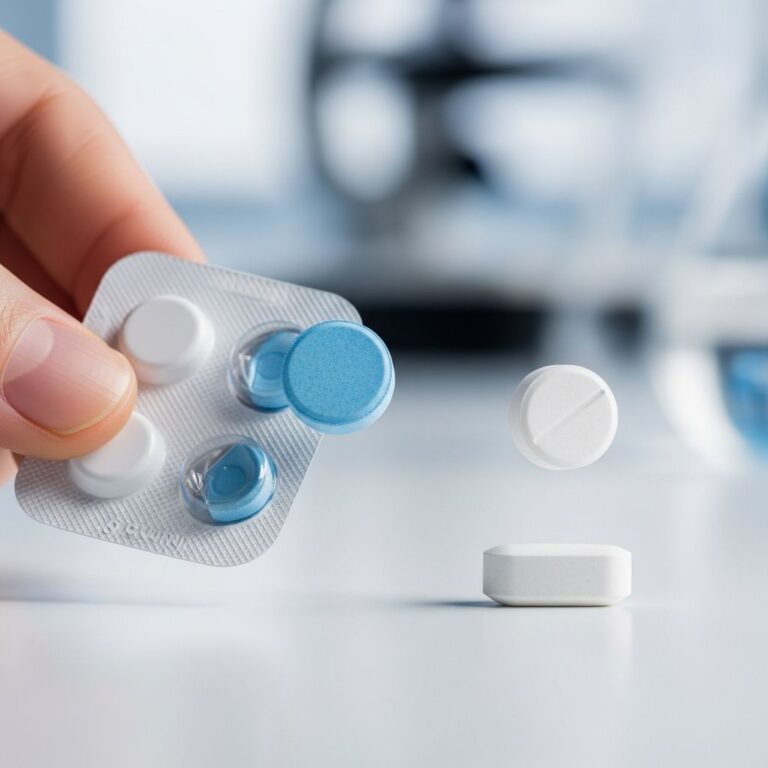
Act at first tingle: over-the-counter antivirals like acyclovir cream shorten duration by 1-2 days. Oral valacyclovir (prescription) for severe cases reduces healing time by 4 days.
| Treatment | How it Works | Effectiveness |
|---|---|---|
| Antiviral creams (e.g., Abreva) | Inhibits viral replication | Reduces duration by 12-18 hours |
| Oral antivirals | Systemic suppression | 1-4 day faster healing |
| Pain relief (ibuprofen) | Reduces inflammation | Symptom relief in 24 hours |
Avoid picking blisters to prevent scarring or spread. Ice for 10 minutes reduces swelling.
Prevention Tips for Winter
- Moisturize lips: Use occlusive balms 4-6 times daily.
- Humidify indoors: Maintain 40-60% humidity.
- Boost immunity: Vitamin C, zinc, sleep hygiene.
- SPF protection: Year-round lip sunscreen.
- Avoid triggers: Manage stress, treat illnesses promptly.
- Hygiene: Don’t share items; wash hands.
Prophylactic antivirals for frequent outbreaks (6+ yearly).
Frequently Asked Questions (FAQs)
Can cold weather directly cause cold sores?
No, but it triggers dormant HSV-1 via dry skin and temperature changes.
How long do cold sores last in winter?
7-14 days untreated; faster with antivirals.
Are cold sores contagious in cold weather?
Yes, most from tingling to scab healing; avoid contact.
Do lip balms prevent winter cold sores?
Yes, by preventing chapping; choose petrolatum-based.
Should I see a doctor for recurrent cold sores?
Yes, if frequent, severe, or immunocompromised.
Winter doesn’t have to mean cold sores. Proactive lip care and trigger awareness keep outbreaks at bay, ensuring comfortable holidays.
References
- Cold Sores in Winter: Causes, Triggers, and Care — MedRite Urgent Care. 2023. https://medriteurgentcare.com/winter-cold-sores-why/
- Cold sore triggers, symptoms & treatment — HealthPartners. 2024-10-15. https://www.healthpartners.com/blog/cold-sore-treatments/
- Can cold weather trigger cold sores? — Patient.info. 2024. https://patient.info/features/oral-dental-care/can-cold-weather-trigger-cold-sores
- Cold Sores: Tips for Prevention, Treatment, and Relief — Dermatology of Connecticut. 2023-11-20. https://dermatologyofct.com/cold-sores-tips-for-prevention-treatment-and-relief/
- How to Prevent Cold Sores in Cold Weather — Abreva. 2024. https://www.abreva.com/managing-lip-health/cold-sore-triggers/cold-weather/
- Common Cold Sore Triggers, Explained — Cleveland Clinic. 2024-01-10. https://health.clevelandclinic.org/what-triggers-cold-sores
Similar Articles








Read full bio of medha deb