Cranberry Juice For UTIs: Evidence-Based Guide For 2025
Unpacking the science behind cranberry juice and its role in UTI prevention for women and high-risk groups.
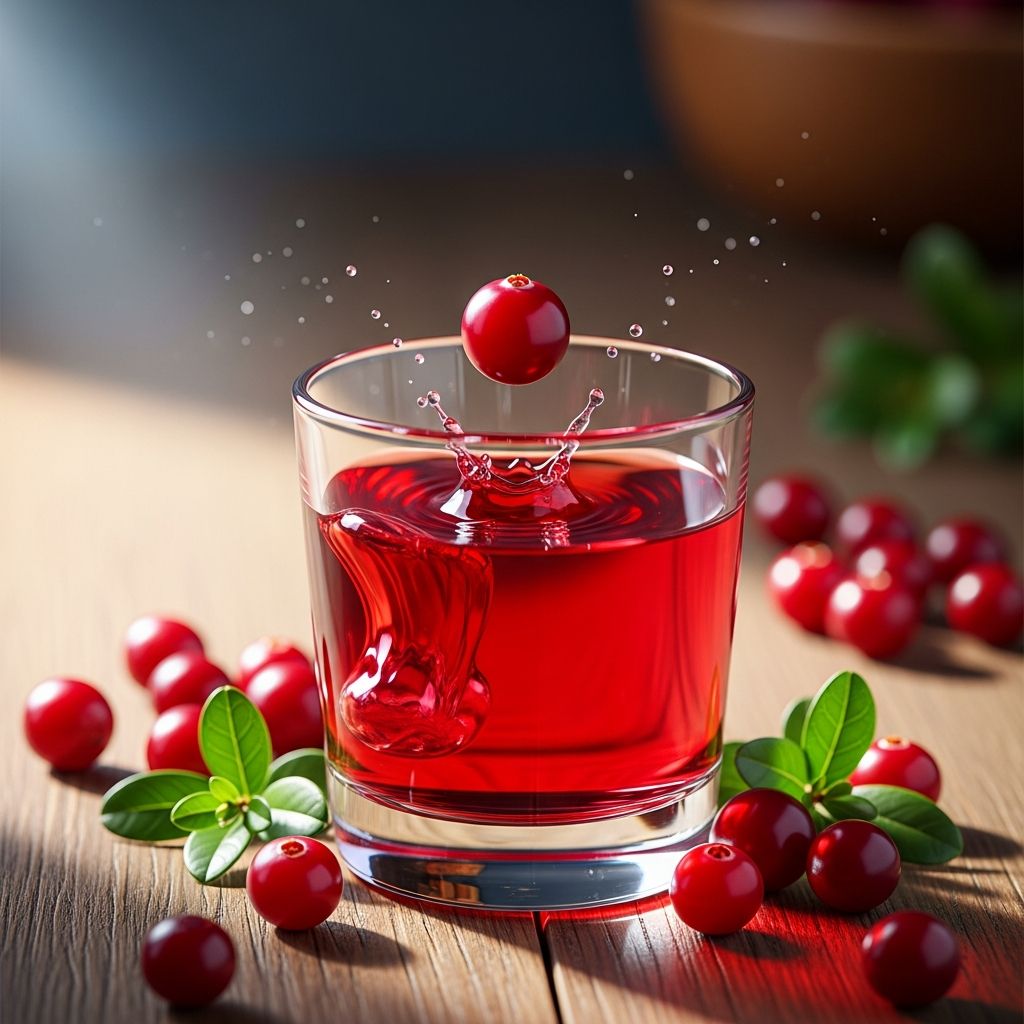
Urinary tract infections (UTIs) affect millions worldwide, particularly women, who face a lifetime risk of up to 50%. Cranberry juice has long been promoted as a natural remedy to prevent these painful infections, but does the science support this claim? Research shows mixed results: some studies indicate modest benefits, especially for high-risk groups like women with recurrent UTIs, while others find limited or no effect. The key active compounds, proanthocyanidins (PACs), may inhibit bacteria from adhering to the urinary tract lining.
What Is a UTI?
A
urinary tract infection (UTI)
occurs when bacteria, most commonly *E. coli*, enter the urinary tract and multiply, causing symptoms like burning during urination, frequent urges to urinate, lower abdominal pain, and cloudy or bloody urine. UTIs are classified by location: lower UTIs (cystitis or bladder infections) are most common, while upper UTIs (kidney infections or pyelonephritis) are more serious and can lead to hospitalization.Women are disproportionately affected due to shorter urethras, allowing easier bacterial access to the bladder. Risk factors include sexual activity, spermicide use, menopause, diabetes, and urinary catheters. Recurrent UTIs, defined as two or more in six months or three in a year, impact about 25% of women after their first infection. Antibiotics are the standard treatment, but prevention strategies are crucial amid rising antimicrobial resistance.
Why Do People Think Cranberry Juice Prevents UTIs?
The belief stems from cranberries’ unique compounds:
A-type proanthocyanidins (PACs)
, flavonoids that prevent *E. coli* fimbriae from sticking to uroepithelial cells. In lab tests, PACs reduce bacterial adhesion by up to 80%. This anti-adhesion mechanism differs from antibiotics, which kill bacteria, potentially reducing resistance risks.Folk wisdom dates back centuries among Native Americans, who used cranberries for bladder health. Modern interest surged in the 1990s with preliminary studies showing reduced UTI incidence. However, early excitement led to overstated claims, prompting rigorous reviews.
Does the Research Support Cranberry Juice for UTI Prevention?
Evidence is nuanced. A landmark NIH-funded trial in long-term care residents found cranberry capsules reduced clinically defined UTIs by 26% in high-risk participants (62.8 vs. 84.8 per 100 person-years; treatment effect 0.74, 95% CI 0.57–0.97), though not for strict definitions or low-risk groups. A Cochrane review of 28 trials (5,062 participants) showed cranberry products trended toward fewer UTIs (RR 0.86, 95% CI 0.71–1.04), with stronger effects in women with recurrent UTIs over 12 months.
Other meta-analyses report 26–32% risk reduction in non-pregnant women. A 2024 review confirmed daily cranberry use for 12–24 weeks significantly lowered UTI risk. However, heterogeneity across studies—varying doses, forms (juice vs. capsules), populations, and definitions—complicates conclusions. Larger trials often dilute smaller studies’ benefits, and high dropout rates from juice’s taste and calories bias results.
| Study/Source | Population | Findings | Effect Size |
|---|---|---|---|
| NIH Trial (2014) | High-risk elderly | 26% UTI reduction (clinical) | 0.74 (95% CI 0.57–0.97) |
| Cochrane Review (2020) | Mixed, incl. women | Trend to benefit, not significant | RR 0.86 (0.71–1.04) |
| WebMD Review | Women | 26–54% reduction in recurrent UTIs | N/A |
| 2024 Clinical Series | Various | Benefit with 12–24 weeks use | Significant risk reduction |
Cranberry Juice vs. Supplements: Which Is Better?
Related Stories



**Cranberry juice** offers hydration benefits but requires large volumes (8–10 oz daily) for therapeutic PACs (36–72 mg), often with added sugars (up to 25g per serving) that may promote bacterial growth or weight gain. Pure, unsweetened juice is ideal but tart and caloric.
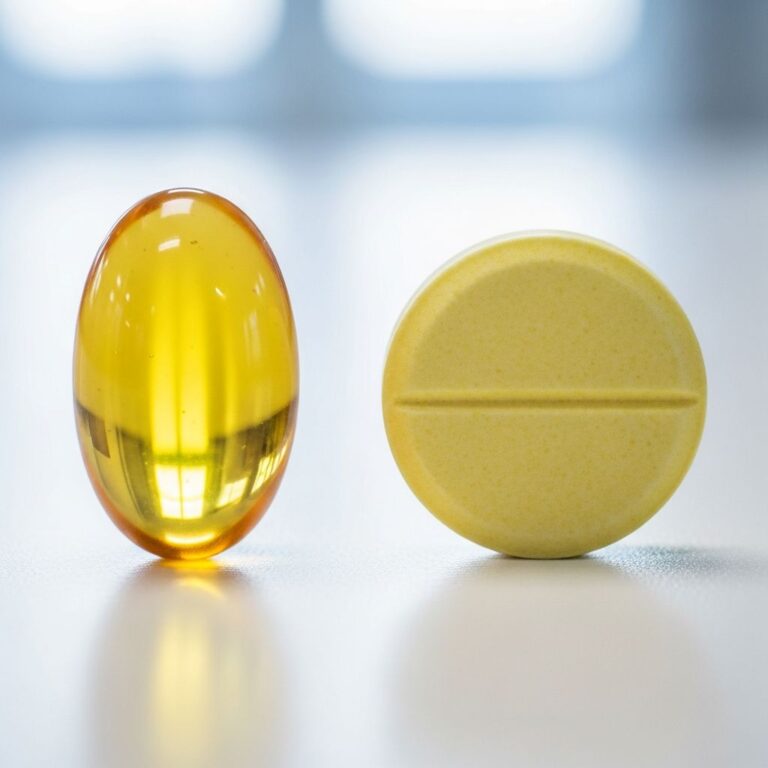
**Supplements** (capsules/tablets) deliver concentrated PACs (36–500 mg) without sugar, improving adherence. Studies favor supplements for consistency; one found tablets twice as cost-effective as juice. Cleveland Clinic recommends 36 mg PAC daily via supplements over juice.
- Juice pros: Tasty options available, hydrates.
- Juice cons: High sugar, variable PAC content, poor long-term tolerance (many drop out).
- Supplement pros: Precise dosing, low calorie, better compliance.
- Supplement cons: Quality varies; seek standardized to 36 mg PACs.
Who Might Benefit Most from Cranberry Products?
- Women with recurrent UTIs: Strongest evidence; up to 32% risk reduction.
- Postmenopausal women: Estrogen decline increases risk; PACs help.
- Elderly in care facilities: 26% reduction in high-risk.
- Children/ pregnant women: Mixed; some benefit but not first-line.
- Men: Limited data; prostate issues differ.
No broad population benefit; target high-risk individuals.
How Much Cranberry Do You Need—and What Form?
Aim for
36 mg PACs daily
minimum, per trials; 72 mg for higher risk. Use for 12+ weeks for effects. FDA allows qualified claims: “Very limited and preliminary scientific research suggests 8 oz cranberry juice daily may reduce recurrent UTI risk in healthy women.”- Juice: 8–16 oz unsweetened.
- Capsules: 400–500 mg standardized extract (36+ mg PACs), 1–2x daily.
Consult a doctor; not for treatment.
Are There Side Effects or Risks?
Generally safe. Juice: GI upset, diarrhea from sugar/osmolality; kidney stone risk in predisposed (high oxalate). Supplements: Rare stomach pain. Avoid if allergic or on warfarin (may interact). High doses safe up to 1,500 mg/day.
What the Experts Say
“Cranberry capsules twice daily reduced clinically defined UTIs by 26% in high-risk elderly.” — NIH Trial Authors
“Moderate evidence for prevention in recurrent UTI women; prefer supplements.” — Cleveland Clinic
ACOG and AUA endorse as adjunct for recurrent cases, reducing antibiotic use by 49%.
Other Ways to Prevent UTIs
- Pee after sex.
- Stay hydrated (6–8 glasses water daily).
- Wipe front-to-back.
- Avoid irritants (douches, spermicides).
- Probiotics/D-mannose: Emerging options.
- Low-dose antibiotics: For severe recurrence.
Frequently Asked Questions (FAQs)
Can cranberry juice cure a UTI?
No, it prevents but doesn’t treat active infections. See a doctor for antibiotics.
Is cranberry juice good for UTI prevention in pregnancy?
Mixed evidence; some reduction but consult OB-GYN.
How long to take cranberry supplements?
12–24 weeks minimum for benefits; ongoing for recurrent risk.
Does all cranberry juice work?
No—choose 100% pure or standardized; cocktails lack PACs.
Can men use cranberry for UTIs?
Limited data; may help but prostate evaluation first.
References
- Effectiveness of Cranberry Capsules to Prevent Urinary Tract Infections — J altern complement med. NIH. 2014-12-01. https://pmc.ncbi.nlm.nih.gov/articles/PMC4233974/
- Cranberries for preventing urinary tract infections — Cochrane Database Syst Rev. PubMed Central. 2020-02-26. https://pmc.ncbi.nlm.nih.gov/articles/PMC7027998/
- Is Cranberry Juice Good for a UTI? — WebMD. 2024. https://www.webmd.com/a-to-z-guides/cranberries-for-uti-protection
- Cranberry Juice for UTIs: Does It Actually Work? — Cleveland Clinic. 2024. https://health.clevelandclinic.org/can-cranberry-juice-stop-uti
- Does cranberry juice prevent UTIs? — HealthPartners. 2021. https://www.healthpartners.com/blog/does-cranberry-juice-actually-prevent-bladder-infections/
- UTI Home Remedies: Does Cranberry Juice Really Help? — Houston Methodist. 2021-11. https://www.houstonmethodist.org/blog/articles/2021/nov/uti-home-remedies-does-cranberry-juice-really-help/
- FDA Announces Health Claim for Certain Cranberry Products and UTI — FDA. 2023. https://www.fda.gov/food/hfp-constituent-updates/fda-announces-qualified-health-claim-certain-cranberry-products-and-urinary-tract-infections
Similar Articles








Read full bio of medha deb