Dehydration Headaches: Causes, Symptoms, And Prevention Guide
Understand the connection between dehydration and headaches, and learn prevention strategies.
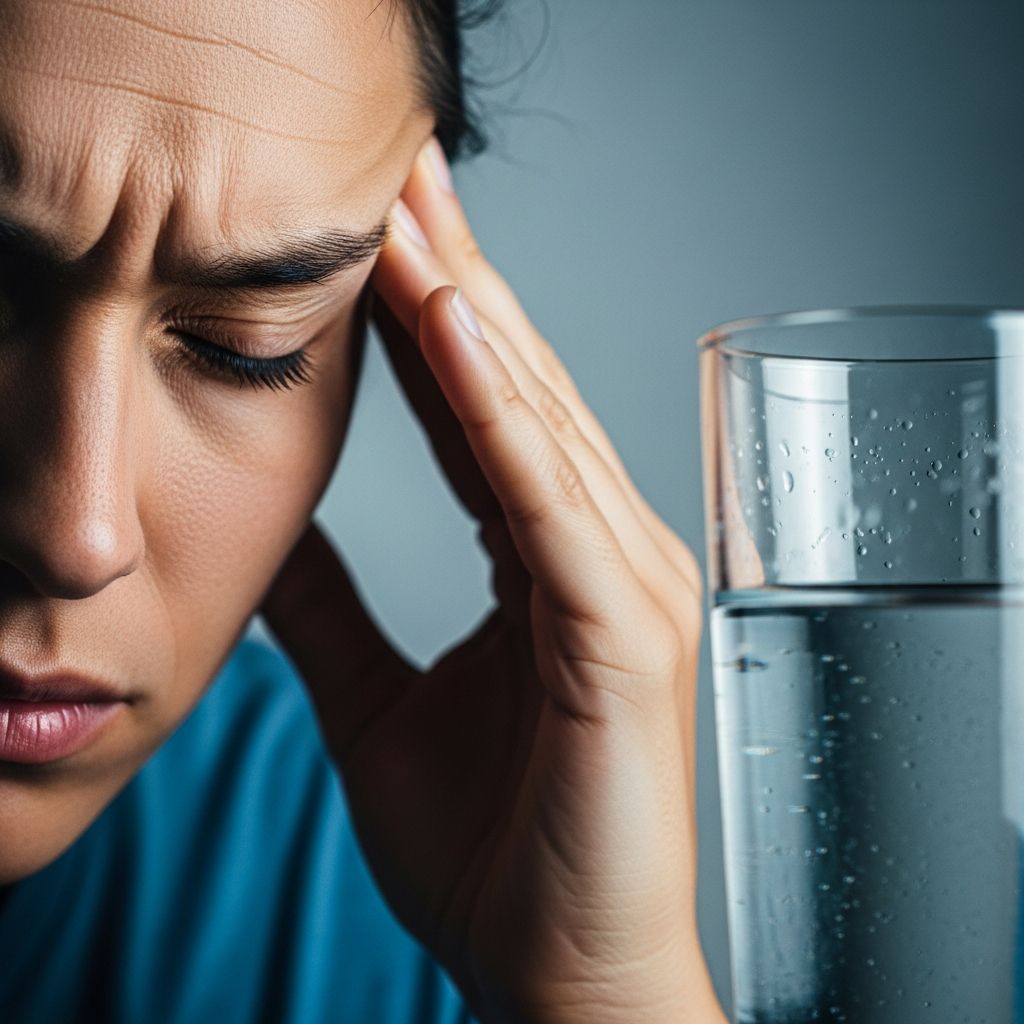
Can Dehydration Cause Headaches?
Headaches are one of the most common complaints people experience, yet many overlook a simple culprit: dehydration. When your body lacks sufficient fluids, it can trigger a cascade of physiological changes that result in head pain. Understanding the connection between dehydration and headaches is essential for managing this preventable condition and improving your overall health and wellness.
The Science Behind Dehydration Headaches
Dehydration occurs when your body loses more fluids than it takes in, leaving it without enough water and electrolytes to function properly. Electrolytes—minerals like sodium, potassium, and chloride—regulate cell function and facilitate crucial chemical reactions throughout your body. When fluid and electrolyte levels drop, cells cannot function optimally, which can manifest as headache pain.
The mechanism behind dehydration headaches is multifaceted. When dehydrated, your brain loses fluid volume, particularly in the extracellular space, causing a slight shrinkage of brain tissue. As the brain contracts, it pulls away from the cranial vault—the rigid structure of the skull. This movement places tension on the meninges, the three layers of connective tissue surrounding the brain (dura mater, arachnoid mater, and pia mater). While brain tissue itself lacks pain receptors, the meninges contain numerous nociceptors—pain-sensitive neurons—that become activated by this tension.
Additionally, dehydration reduces cerebral blood flow, depriving brain neurons of oxygen and nutrients. The trigeminal ganglion detects these changes and activates pain signals through the trigeminovascular system, a key pathway in headache physiology. These signals travel through the trigeminocervical complex to the thalamus and cortex, where they are consciously perceived as pain.
How Common Are Dehydration-Related Headaches?
Dehydration is a surprisingly prevalent trigger for headaches and migraines. Research indicates that approximately one-third of people who suffer from migraines report dehydration as a significant trigger for their headaches. Studies have demonstrated a clear association between dehydration and both the frequency and severity of migraines, making proper hydration a critical component of headache management for many individuals.
Recognizing the Signs of Dehydration
Understanding the early warning signs of dehydration can help you address the problem before a headache develops. Pay attention to these common dehydration symptoms:
– Increased thirst- Fatigue or lethargy- Dizziness or lightheadedness- Dark yellow urine or decreased urine output- Sticky or dry mouth- Loss of skin elasticity- Irritability or mood changes- Headaches
When you notice these signs, taking action immediately—such as drinking water or an electrolyte drink—can often prevent or alleviate a dehydration headache before it becomes severe.
What Dehydration Headaches Feel Like
Dehydration-induced headaches vary from person to person in character and intensity. Some people experience a dull, aching sensation distributed throughout the entire head, while others report more localized pain in specific regions, such as the frontal (front) or occipital (back) areas. The pain intensity can range from mild discomfort to sharp, intense sensations.
Related Stories



An interesting characteristic of dehydration headaches is that they are often motion-sensitive. You may notice the pain worsens when walking, bending over, or standing up quickly. This motion sensitivity occurs because physical movement can exacerbate the tension on the meninges caused by the contracted brain tissue.
Dehydration headaches may also occur alongside other dehydration symptoms. Low blood pressure from dehydration can contribute to orthostatic hypotension, a condition where blood pressure drops significantly when standing. This can produce a distinctive “coat hanger” headache characterized by pain in the back of the head, neck, and shoulders. In some cases, dehydration can even trigger or worsen Postural Orthostatic Tachycardia Syndrome (POTS), which occurs when insufficient blood returns to the heart when standing, resulting in additional headache and migraine symptoms.
Understanding the Causes of Dehydration
While not drinking enough water is the most obvious cause of dehydration, several other factors can deplete your body’s fluid levels:
– Inadequate fluid intake throughout the day- Excessive sweating due to exercise, heat exposure, or physical labor- Diarrhea or vomiting from illness- Fever from infection- Excessive urination due to diuretic medications or conditions like diabetes- Severe burns- Underlying health conditions including kidney disease, diabetes, or cystic fibrosis- Caffeine or alcohol consumption, which have mild diuretic effects
Understanding what causes your dehydration is the first step toward prevention. By identifying your personal risk factors, you can develop targeted strategies to maintain proper hydration.
The Distinction Between Dehydration Headaches and Migraines
While dehydration does not directly cause migraines, it serves as a significant trigger for many migraine sufferers. This is an important distinction: migraines are neurological conditions with complex underlying causes related to genetic and environmental factors, whereas dehydration headaches are caused specifically by inadequate fluid and electrolyte levels. However, because dehydration can trigger migraines in susceptible individuals, maintaining proper hydration is crucial for anyone prone to migraines. For migraine sufferers, dehydration is often one of the most easily preventable triggers.
How Long Do Dehydration Headaches Last?
The duration of a dehydration headache depends largely on the severity of your dehydration and how quickly you rehydrate. In general, most dehydration headaches resolve within 30 minutes to a couple of hours after you consume adequate fluids. If your headache persists beyond this timeframe or continues to worsen despite rehydration attempts, it may indicate a more serious underlying condition, and you should seek medical attention.
Treatment Strategies for Dehydration Headaches
Mild to Moderate Dehydration
For mild to moderate dehydration, self-care measures are typically effective. The primary treatment is rehydration using:
– Plain water- Electrolyte drinks containing sodium, potassium, and other minerals- Oral rehydration solutions available from pharmacies
Drinking these fluids gradually rather than all at once allows your body to absorb them more effectively. Most people find that their headache symptoms improve significantly once rehydration begins.
Severe Dehydration
In cases of severe dehydration, self-care and oral rehydration may not be sufficient. If your dehydration is caused by severe vomiting, diarrhea, burns, or other serious conditions, medical intervention may be necessary. Healthcare providers can administer intravenous (IV) fluids and electrolytes directly into your bloodstream, allowing for rapid and complete rehydration. If your dehydration symptoms persist despite home treatment efforts, consult a healthcare provider promptly.
Prevention: The Best Medicine
Preventing dehydration is far more effective than treating it after symptoms develop. The best way to prevent dehydration headaches is to maintain consistent hydration throughout your day.
Daily Fluid Intake Recommendations
For individuals without underlying health conditions, experts generally recommend:
– Approximately 13 cups (104 ounces) of fluids per day for people assigned male at birth- Approximately 9 cups (72 ounces) of fluids per day for people assigned female at birth
However, your individual needs may vary significantly based on your lifestyle and health status. You may require more fluids if you:
– Engage in regular physical activity or exercise- Live in a hot climate or during hot seasons- Sweat excessively for any reason- Are experiencing illness with fever, vomiting, or diarrhea- Take diuretic medications- Have certain underlying health conditions
Practical Hydration Strategies
Beyond simply drinking water, implement these practical strategies to maintain optimal hydration:
– Drink water consistently throughout the day rather than large amounts at once- Consume electrolyte-rich fluids during and after exercise or in hot weather- Monitor your urine color—pale yellow indicates good hydration, while dark yellow suggests dehydration- Limit alcohol consumption, which increases fluid loss- Reduce caffeine intake, particularly if you’re prone to dehydration- Follow your healthcare provider’s treatment recommendations for any chronic health conditions affecting hydration- Drink water before, during, and after physical activity- Increase fluid intake when ill or if experiencing fever, vomiting, or diarrhea
For personalized advice about your specific hydration needs, consult with a doctor or registered dietitian who can consider your individual health status, activity level, and lifestyle factors.
The Importance of Hydration for Overall Health
Beyond preventing headaches, maintaining proper hydration is essential for numerous bodily functions. Adequate hydration regulates body temperature, helps prevent infections, keeps organs functioning optimally, and supports cardiovascular health. Additionally, proper hydration can improve sleep quality, enhance cognitive function, and promote better mood regulation. These benefits make hydration one of the simplest yet most powerful interventions for maintaining overall health and wellness.
When to Seek Medical Attention
While most dehydration headaches resolve quickly with rehydration, certain situations warrant professional medical evaluation:
– Headaches that persist for more than a few hours despite rehydration- Severe headache pain accompanied by confusion, high fever, or stiff neck- Signs of severe dehydration including extreme dizziness, rapid heartbeat, or difficulty breathing- Dehydration caused by persistent vomiting, diarrhea, or other serious illness- Recurring dehydration headaches despite consistent hydration efforts- Headaches accompanied by other concerning symptoms
Your healthcare provider can assess whether your headache is related to dehydration or if another underlying condition requires treatment.
Frequently Asked Questions
Q: Can dehydration cause migraines?
A: Dehydration does not directly cause migraines, but it serves as a significant trigger for many people with migraine disorders. Approximately one-third of migraine sufferers report dehydration as a trigger. Maintaining proper hydration can help reduce migraine frequency and severity in susceptible individuals.
Q: How can I tell if my headache is from dehydration?
A: Dehydration headaches typically occur alongside other dehydration symptoms such as dry mouth, dark urine, fatigue, or dizziness. The headache usually improves within 30 minutes to a couple of hours after adequate rehydration. If you suspect dehydration, try drinking water or an electrolyte drink and observe whether your symptoms improve.
Q: What’s the fastest way to treat a dehydration headache?
A: The fastest way to relieve a dehydration headache is to rehydrate promptly with water, electrolyte drinks, or oral rehydration solutions. Gradual consumption allows better absorption. Most headaches resolve within 30 minutes to a couple of hours. For severe cases, intravenous fluids administered by healthcare providers offer the fastest relief.
Q: How much water should I drink daily to prevent dehydration headaches?
A: General recommendations suggest about 13 cups of fluids daily for people assigned male at birth and 9 cups for people assigned female at birth. However, individual needs vary based on activity level, climate, health status, and other factors. Consult a healthcare provider or dietitian for personalized recommendations.
Q: Does caffeine worsen dehydration?
A: Caffeine has mild diuretic effects, meaning it can increase fluid loss through urination. While moderate caffeine consumption is generally safe, excessive intake can contribute to dehydration. If you’re prone to dehydration headaches, consider limiting caffeine or ensuring you drink additional water to offset any diuretic effects.
Q: Can children and seniors get dehydration headaches?
A: Yes, both children and seniors are actually at higher risk for dehydration. Children may not recognize thirst signals, while seniors often have diminished thirst perception. Both groups should receive special attention to ensure adequate hydration, particularly during illness, hot weather, or increased activity.
References
- Can Dehydration Cause Migraines? — Excedrin. 2024. https://www.excedrin.com/headache-and-migraine-academy/migraines/migraine-causes/dehydration/
- Dehydration Headache: Symptoms, Causes, and Treatment — Healthgrades. 2024. https://resources.healthgrades.com/right-care/migraine-and-headache/dehydration-headache
- Headaches and Dehydration: The Brain-Shrinking Truth — Veritas Newspaper. 2024. https://www.veritasnewspaper.org/post/headaches-and-dehydration-the-brain-shrinking-truth
- Fluid and Electrolyte Balance — Mayo Clinic. 2024. https://www.mayoclinic.org/healthy-lifestyle/nutrition-and-healthy-eating/in-depth/hydration/art-20044651
- Dehydration: Prevention and Management — American Academy of Family Physicians. 2023. https://www.aafp.org/pubs/afp/issues/2023/03/p285.html
Similar Articles








Read full bio of medha deb