Can Diet Drinks Cause Type 2 Diabetes? What Research Says
Exploring the link between diet sodas, artificial sweeteners, and increased risk of type 2 diabetes and LADA.
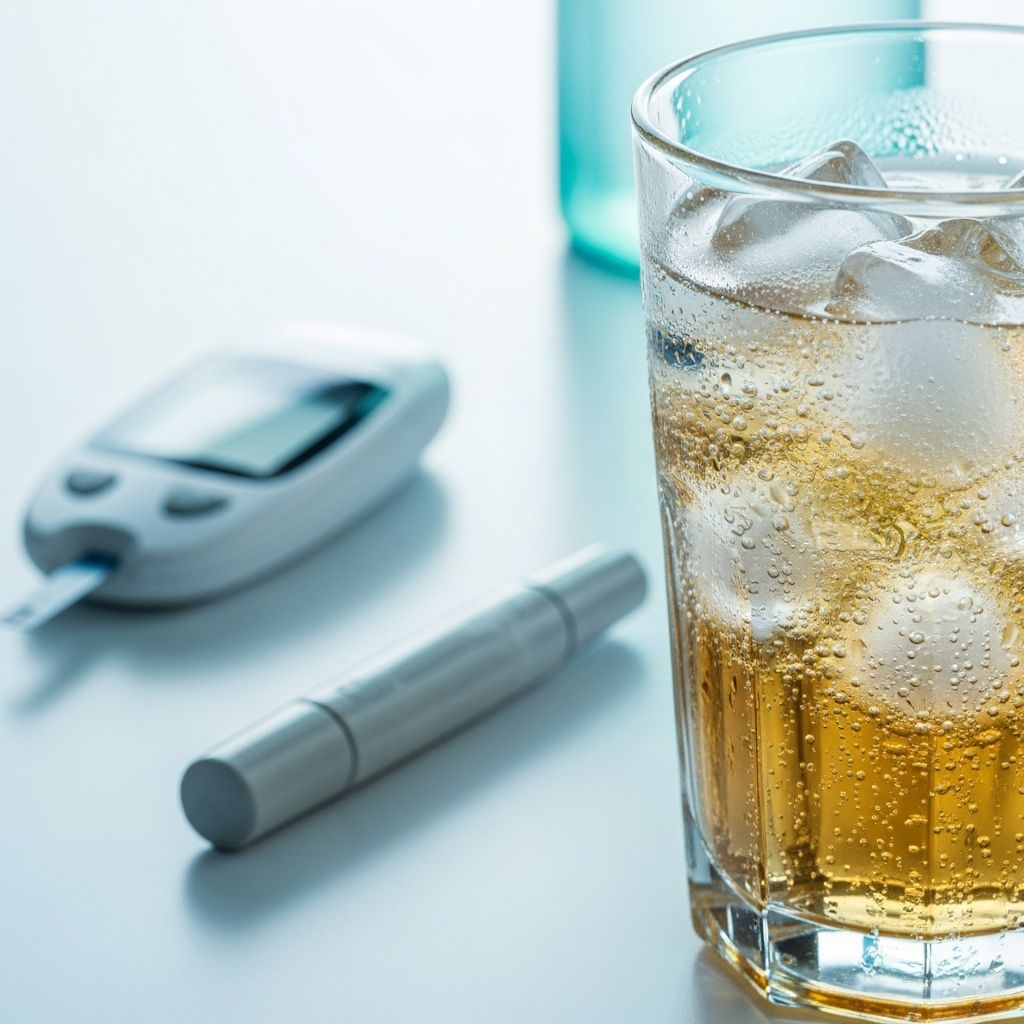
Type 2 diabetes is a chronic condition where the body struggles to use insulin effectively, leading to elevated blood sugar levels. While sugary drinks are well-known culprits in promoting obesity and insulin resistance, emerging research questions whether diet drinks—marketed as healthier, calorie-free alternatives—might also contribute to diabetes risk. A key study highlighted a potential association between consuming more than two diet fizzy drinks daily and increased likelihood of developing type 2 diabetes or LADA (latent autoimmune diabetes in adults). However, these links do not prove causation, and factors like overall lifestyle play a significant role.
What is type 2 diabetes?
Type 2 diabetes occurs when the body either does not produce enough insulin or cells become resistant to its effects, causing glucose to build up in the blood. Insulin, produced by the pancreas, regulates blood sugar by allowing cells to absorb glucose for energy. In insulin resistance, cells fail to respond properly, forcing the pancreas to overwork.
Common symptoms include excessive thirst, frequent urination, fatigue, and blurred vision. Excess glucose spills into urine, pulling water with it and causing dehydration. Risk factors encompass obesity (especially abdominal fat), inactivity, age over 40, family history, and poor diet. Unlike type 1 diabetes, which is autoimmune and unrelated to lifestyle, type 2 is largely preventable through healthy habits.
The problems with sugar
Sugary drinks contribute to type 2 diabetes through multiple pathways. They deliver empty calories with zero nutritional value, promoting weight gain—particularly visceral fat around organs, which heightens insulin resistance. Sugar also provokes rapid blood sugar spikes, straining insulin response, and fosters chronic inflammation linked to diabetes and other conditions like rheumatoid arthritis.
High sugar intake exceeds caloric needs, leading to obesity, a primary diabetes driver. Contrary to myths, sugar alone doesn’t ’cause’ diabetes, but excessive calories from any source do. Reducing overall intake is key to prevention.
Diet drinks: the ‘healthier’ alternative?
As awareness of sugar’s harms grows, many switch to diet drinks sweetened with artificial sweeteners like aspartame, sucralose, or stevia. These are calorie-free, theoretically sidestepping obesity risks. Yet, studies challenge this assumption.
- In 2009, daily diet drink consumers showed 36% higher odds of metabolic syndrome (a diabetes precursor) and 67% greater type 2 diabetes risk.
- 2014 research proposed that artificial sweeteners disrupt gut microbiota, impairing glucose tolerance—a step toward diabetes.
- Diet drinks may increase hunger, boost abdominal fat storage, and fail to satisfy cravings like sugary versions.
These findings suggest diet drinks aren’t as benign as presumed, potentially mimicking sugar’s metabolic disruptions without the calories.
A new study on diet drinks and LADA
Recent research spotlights LADA, a slow-progressing autoimmune diabetes mimicking type 2 initially but akin to type 1. It affects about 1 in 11 adult diabetes diagnoses. The study found consuming over two diet sodas daily linked to higher LADA risk, with type 2 diabetes odds rising proportionally: 20% higher for one daily drink, 40% for two, and more for higher intake.
LADA involves antibodies attacking pancreatic beta cells, unlike lifestyle-driven type 2. This raises questions: do artificial sweeteners trigger autoimmunity or merely correlate with at-risk behaviors?
Related Stories



Time to give up?
Should you ditch diet drinks? Not necessarily, but caution is warranted. Observational studies show associations, not causation. Confounders abound:
- Reverse causation: High-risk individuals (e.g., overweight, prediabetic) switch to diet drinks after warnings, skewing data.
- Unhealthy lifestyles: Heavy soda drinkers—diet or regular—often have poor diets, high weights, and inactivity, independent diabetes risks.
- No direct proof: Randomized trials are needed to confirm if diet drinks independently cause harm.
Switching from sugary to diet drinks remains beneficial for calorie and sugar reduction. However, view them as transitional, not guilt-free. Healthier options like water, herbal teas, or sparkling water with fruit exist.
Understanding the studies: correlation vs causation
Epidemiological studies excel at spotting patterns but falter on causality. Diet drink users might share traits like genetic predispositions or habits inflating risks. Adjusting for confounders helps, but residuals persist. Experts urge moderation and holistic lifestyle changes over panic.
| Factor | Sugary Drinks | Diet Drinks |
|---|---|---|
| Calories | High (promotes obesity) | Zero |
| Blood Sugar Impact | Spikes | Minimal direct |
| Diabetes Link | Strong (causal evidence) | Associative |
| Gut Health | Harms microbiome | May alter bacteria |
Healthier alternatives to fizzy drinks
Opt for:
- Water (infuse with lemon, cucumber, or mint).
- Unsweetened teas or coffee.
- Sparkling water.
- Low-fat milk or plant-based alternatives.
- Fresh vegetable juices (limited portions).
Aim for balanced diets emphasizing whole foods, fiber, and exercise to combat insulin resistance.
Frequently Asked Questions (FAQs)
Q: Do diet drinks directly cause type 2 diabetes?
A: No direct causation proven; studies show associations possibly due to lifestyle factors or reverse causation.
Q: What is LADA, and how does it relate to diet drinks?
A: LADA is autoimmune diabetes in adults. One study linked high diet soda intake to elevated risk, but more research needed.
Q: Are artificial sweeteners safe for diabetics?
A: Generally safer than sugar for blood sugar control, but moderation advised due to potential gut and metabolic effects.
Q: Can switching to diet drinks help prevent diabetes?
A: Better than sugary drinks for weight management, but combine with diet and exercise for true prevention[10].
Q: How much is too much for diet drinks?
A: Studies flag risks above 1-2 daily; limit to occasional use.
References
- Can diet drinks cause type 2 diabetes? — Patient.info. 2023. https://patient.info/features/diabetes/can-diet-drinks-cause-type-2-diabetes
- Type 2 Diabetes: What It Is, Causes, Symptoms & Treatment — Cleveland Clinic. 2024-01-30. https://my.clevelandclinic.org/health/diseases/21501-type-2-diabetes
- Type 2 Diabetes — Patient.info. 2024. https://patient.info/diabetes/type-2-diabetes
Similar Articles








Read full bio of Sneha Tete