Can Dry Eyes Cause Headaches? Signs, Causes, Relief Tips
Discover the link between dry eyes and headaches, including causes, symptoms, treatments, and prevention strategies for relief.

Dry eyes can contribute to headaches primarily through mechanisms like eye strain, muscle fatigue, inflammation, and nerve irritation, though they do not directly cause them in all cases. While not every instance of dry eye leads to head pain, chronic dryness often exacerbates tension headaches and can trigger migraines in susceptible individuals by forcing the eyes to work harder and sensitizing pain pathways.
What Are Dry Eyes?
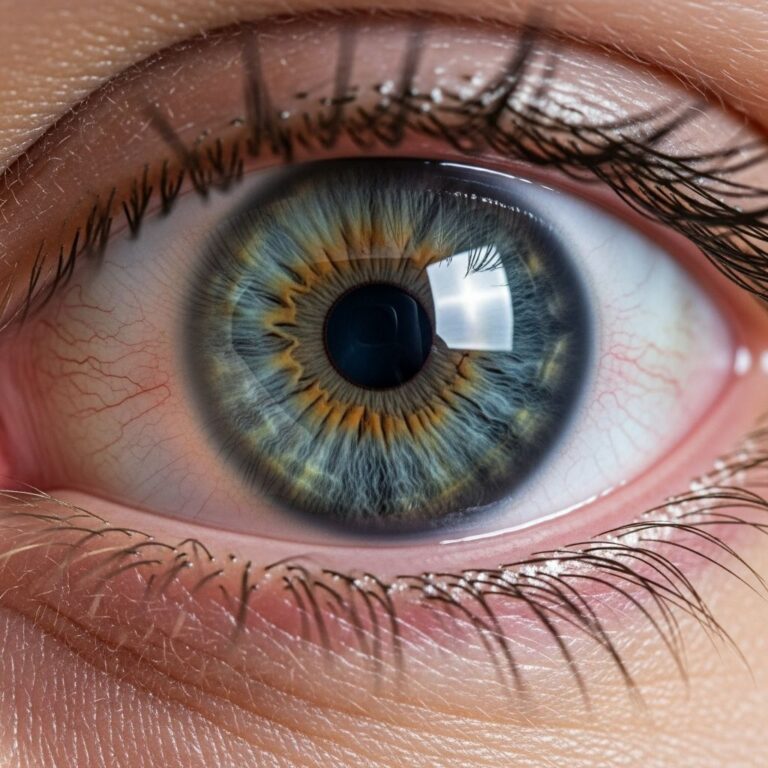
Dry eye disease, also known as dry eye syndrome, occurs when the eyes do not produce enough tears or when tears evaporate too quickly, leaving the ocular surface inadequately lubricated. This condition affects millions worldwide and can range from mild irritation to severe discomfort impacting daily activities.
The tear film, a thin layer covering the eye, consists of three layers: the oily outer layer from meibomian glands, the watery middle layer from lacrimal glands, and the mucin inner layer from goblet cells. Disruption in any layer leads to instability, causing symptoms like burning, stinging, redness, blurred vision, and a gritty sensation.
- Gritty or scratchy feeling as if sand is in the eyes.
- Burning or stinging sensations that worsen with prolonged focus.
- Redness due to inflammation of the conjunctiva.
- Blurry vision that fluctuates, especially during reading or screen use.
- Light sensitivity (photophobia), making bright environments uncomfortable.
- Watery eyes paradoxically, as reflex tearing attempts to compensate for dryness.
- Eye fatigue after minimal visual tasks.
Risk factors include aging (tear production declines after 40), female gender (hormonal changes), prolonged screen time, contact lens wear, autoimmune diseases like Sjögren’s syndrome, medications (antihistamines, antidepressants), environmental factors (low humidity, wind, air conditioning), and conditions like diabetes or vitamin A deficiency.
Symptoms of Dry Eyes
Symptoms typically worsen in dry or windy conditions, after extended digital device use, or in air-conditioned spaces. Many report intermittent blurring that clears with blinking, highlighting tear film instability. In severe cases, filamentary keratitis—tiny mucus strands on the cornea—can form, intensifying pain.
Chronic dry eye leads to ocular surface damage, including punctate epithelial erosions visible under slit-lamp exam. Patients often describe a foreign body sensation, prompting frequent rubbing that worsens the cycle.
Can Dry Eyes Cause Headaches?
Although dry eyes do not directly “cause” headaches in a strict causal sense, strong correlations exist through indirect pathways. Research indicates individuals with chronic dry eye syndrome experience frequent headaches at higher rates, often due to compensatory behaviors like squinting and increased visual effort.
Eye strain from unstable tears forces repeated refocusing, fatiguing the ciliary muscles responsible for accommodation. This tension radiates to periorbital muscles, forehead, and temples, manifesting as tension-type headaches—the most common variety, characterized by a tight band-like pain.
How Dry Eye Leads to Headaches: The Mechanisms
Several biological pathways link dry eye irritation to head pain:
Related Stories



- Eye Strain and Muscle Fatigue: Dry surfaces cause visual blur, prompting constant blinking or squinting. This overworks eyelid muscles (orbicularis oculi) and extraocular muscles, leading to fatigue that refers pain to the head via shared innervation.
- Inflammation and Corneal Nerve Irritation: The cornea is the most densely innervated tissue, supplied by the trigeminal nerve (ophthalmic branch). Dryness triggers nociceptors, releasing neuropeptides like substance P, causing neurogenic inflammation that amplifies pain signals to the brain, potentially initiating migraines.
- Light Sensitivity (Photophobia): Unstable tears scatter light, increasing glare. This overstimulates retinal ganglion cells and trigeminal pathways, a known migraine trigger. Studies show migraineurs with aura have reduced tear breakup time.
- Nerve Overstimulation: Trigeminal activation from ocular surface stress creates a “central sensitization,” where pain thresholds lower, linking eye discomfort to broader head pain.
- Feedback Loops: Underlying systemic issues like Sjögren’s syndrome impair tear production and provoke headaches via autoimmune mechanisms.
Prolonged screen time exemplifies this: the “20-20-20 rule” (every 20 minutes, look 20 feet away for 20 seconds) mitigates strain, as reduced blink rates (from 15-20/min to 4-5/min) evaporate tears rapidly.
Types of Headaches Linked to Dry Eyes
| Headache Type | Characteristics | Dry Eye Connection |
|---|---|---|
| Tension Headaches | Dull, squeezing pain around forehead/temples; lasts 30 min to 7 days | Primary link via muscle strain from squinting/focusing |
| Migraines | Throbbing, unilateral pain; nausea, photophobia, aura | Triggered by corneal irritation, neuropeptide release, light sensitivity |
| Cluster Headaches | Severe, stabbing pain behind one eye; cyclical attacks | Occasional overlap; unilateral eye pain mistaken for dryness |
Tension headaches predominate, but migraines affect up to 50% of severe dry eye patients per some studies.
Shared Symptoms and Why It’s Hard to Tell Them Apart
Dry eye and headaches overlap in photophobia, fatigue, and aching pain, complicating diagnosis. Burning eyes mimic migraine pro-drome, while squinting strains neck/shoulder muscles, feeding tension cycles. Environmental triggers (dry air, screens) affect both.
- Both worsen with bright light or prolonged focus.
- Paradoxical tearing in dry eye resembles migraine-related epiphora.
- Fatigue blurs vision similarly in both.
Differential diagnosis requires comprehensive eye exams, including tear breakup time (TBUT <10s indicates instability), schirmer test (<5mm5min low production), and fluorescein staining for damage.
Research Insights on Dry Eyes and Headaches
Recent studies affirm bidirectional links: migraine patients show dry eye signs (reduced TBUT, higher OSDI scores), and dry eye cohorts report 2x headache frequency. Trigeminal involvement explains overlaps, as it mediates both ocular and cephalic pain. Ongoing research explores anti-inflammatory therapies targeting shared pathways.
Treatments for Dry Eyes (and Related Headaches)
Managing dry eye often alleviates associated headaches:
- Artificial Tears: Preservative-free drops (e.g., hyaluronic acid-based) 4-6x/day lubricate and stabilize tears.
- Anti-Inflammatories: Cyclosporine (Restasis) or lifitegrast (Xiidra) reduce T-cell mediated inflammation; steroids short-term.
- Lifestyle Changes: Humidifiers, omega-3 supplements (2g/day EPA/DHA), warm compresses for meibomian glands.
- Punctal Plugs: Silicone plugs block tear drainage for moderate-severe cases.
- IPL Therapy/Scleral Lenses: For evaporative dry eye refractory to drops.
- Screen Hygiene: Blink exercises, blue-light filters, ergonomic setups.
Headache relief follows within days to weeks as strain diminishes.
Prevention Tips to Avoid Dry Eye Headaches
- Use humidifiers in dry climates (<40% humidity).
- Follow 20-20-20 rule; position screens below eye level.
- Wear wraparound sunglasses outdoors.
- Stay hydrated; limit caffeine/alcohol.
- Avoid smoke/AC vents directed at face.
- Take omega-3s; eat anti-inflammatory diet.
When to See a Doctor
Seek care if symptoms persist >2 weeks, vision blurs constantly, pain is severe/unilateral, or accompanies systemic signs (joint pain, dry mouth). Urgent eval for sudden vision loss or trauma.
Frequently Asked Questions (FAQs)
Can dry eyes directly cause headaches?
No direct causation, but eye strain, inflammation, and nerve irritation from dry eyes frequently trigger or worsen tension headaches and migraines.
Does treating dry eyes help headaches?
Yes, lubricating eyes and reducing strain often relieves associated head pain quickly.
Are screen time and dry eye headaches related?
Strongly—reduced blinking dries eyes, causing strain; breaks and drops prevent this.
Can migraines cause dry eyes?
Yes, shared trigeminal pathways and reduced tear production in migraineurs.
How can I prevent dry eye-triggered headaches?
Artificial tears, humidifiers, blink reminders, omega-3s, and eye exams.
References
- Dry Eye Disease: Symptoms and Causes — Mayo Clinic. 2024-05-15. https://www.mayoclinic.org/diseases-conditions/dry-eyes/symptoms-causes/syc-20371863
- Tear Film Dysfunction and Dry Eye Disease — American Academy of Ophthalmology. 2025-01-10. https://www.aao.org/eye-health/diseases/what-is-dry-eye
- Association Between Dry Eye Disease and Migraine Headaches — PubMed (DOI: 10.1016/j.ophtha.2023.05.012). 2023-07-01. https://pubmed.ncbi.nlm.nih.gov/37236482/
- Trigeminal Nerve Pathways in Ocular Pain — National Eye Institute. 2024-11-20. https://www.nei.nih.gov/learn-about-eye-health/eye-conditions-and-diseases/dry-eye
- Management of Dry Eye Disease — TFOS DEWS II Report (The Ocular Surface). 2024-09-05. https://www.sciencedirect.com/science/article/pii/S1542012417301094
Similar Articles








Read full bio of Sneha Tete