Does Too Much Sugar Cause Diabetes: Evidence And Prevention
Unraveling the truth about sugar's role in diabetes risk: Science-backed insights on prevention and healthy eating habits.
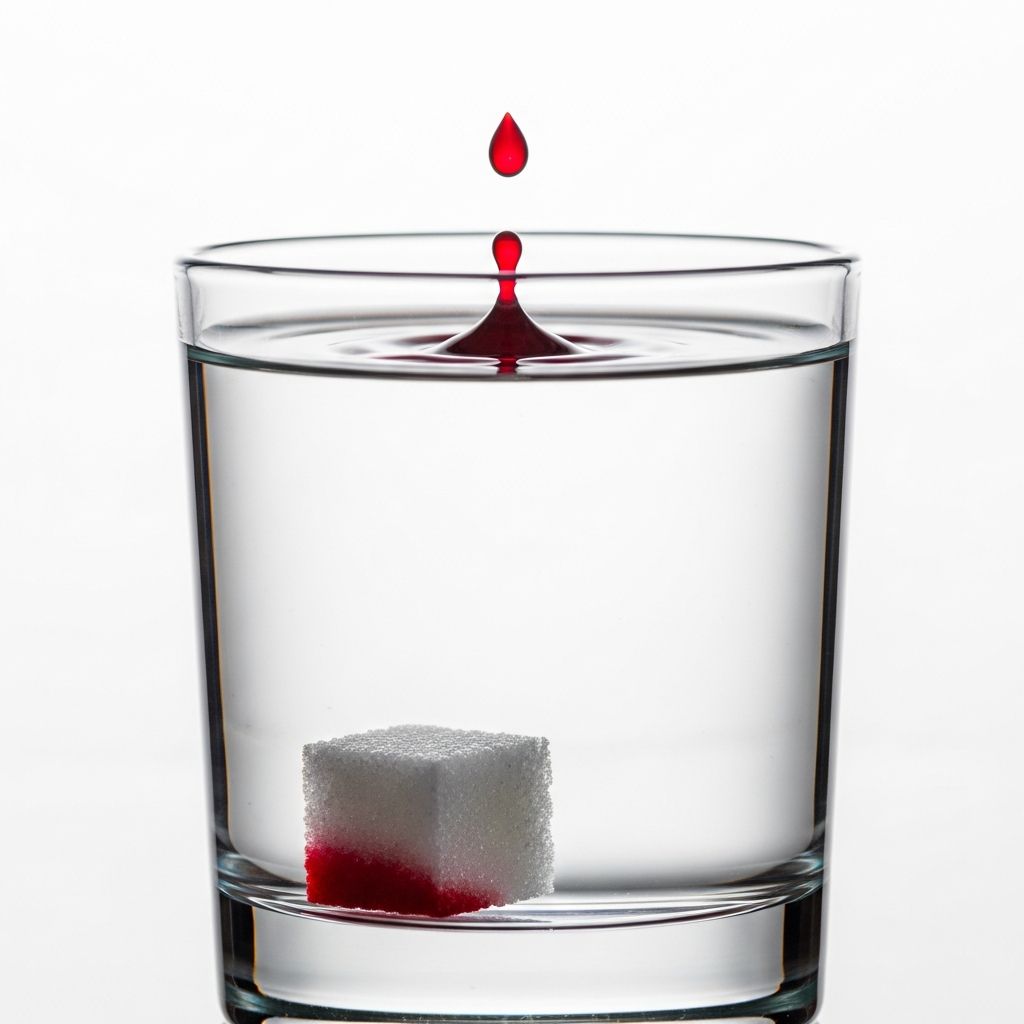
With sugar hiding in everything from breakfast cereals to salad dressings, it’s natural to wonder: does eating too much sugar cause diabetes? This question sparks endless debate, fueled by headlines linking sugary sodas to skyrocketing diabetes rates. But the science tells a more nuanced story—one that separates myth from fact and highlights actionable steps for better health.
Diabetes affects over 38 million Americans, according to the Centers for Disease Control and Prevention (CDC), with type 2 diabetes comprising 90-95% of cases. While excessive sugar intake plays a role in the bigger picture, it’s not the sole villain. Understanding the types of diabetes, how sugar impacts your body, and evidence-based prevention strategies can empower you to make informed choices.
What Is Diabetes?
Diabetes is a chronic condition where your body struggles to regulate blood sugar (glucose) levels. Glucose fuels your cells, but it requires insulin—a hormone produced by the pancreas—to enter them effectively.
There are two primary types:
- Type 1 Diabetes: An autoimmune disorder where the immune system attacks insulin-producing cells in the pancreas. It typically develops in childhood or adolescence and requires lifelong insulin therapy. Diet, including sugar, does not cause type 1 diabetes.
- Type 2 Diabetes: The most common form, where the body becomes insulin resistant (cells don’t respond well to insulin) and/or the pancreas doesn’t produce enough insulin. It’s heavily influenced by lifestyle factors and accounts for the diabetes-sugar connection most people reference.
Gestational diabetes occurs during pregnancy due to hormonal changes but often resolves post-delivery, though it raises future type 2 risk.
Does Sugar Cause Diabetes?
The short answer: No, sugar doesn’t directly cause diabetes. However, diets high in added sugars contribute to risk factors that can lead to type 2 diabetes. Here’s why:
The Sugar-Obesity Connection
Added sugars—those incorporated during food processing, like high-fructose corn syrup in sodas—provide empty calories with no nutritional value. Consuming them in excess leads to weight gain, particularly visceral fat around organs, which promotes insulin resistance.
A landmark study published in the Journal of the American Medical Association found that people drinking one or more sugary beverages daily had an 83% higher risk of type 2 diabetes compared to non-consumers. Fructose, abundant in sugary drinks, is metabolized primarily by the liver, where excess amounts convert to fat, exacerbating metabolic issues.
Sugar Spikes and Insulin Resistance
Simple sugars cause rapid blood sugar spikes, prompting large insulin surges. Over time, frequent spikes can wear down insulin sensitivity. Liquid sugars (sodas, juices) are particularly problematic because they lack fiber to slow absorption, hitting your bloodstream faster than solid foods.
That said, natural sugars in whole fruits are protective. Their fiber, water, and nutrients blunt spikes, and fruit consumption is linked to lower diabetes risk per Harvard’s Nurses’ Health Study.
Risk Factors for Type 2 Diabetes
While sugar contributes indirectly, type 2 diabetes results from multiple interacting factors:
| Modifiable Risk Factors | Non-Modifiable Risk Factors |
|---|---|
| Overweight/obesity (especially abdominal fat) | Age (45+) |
| Sedentary lifestyle | Family history/genetics |
| Poor diet (high in processed foods, low in fiber) | Ethnicity (higher risk in African American, Hispanic, Native American, Asian American populations) |
| High blood pressure | History of gestational diabetes |
| Smoking | Polycystic ovary syndrome (PCOS) |
Related Stories



The American Diabetes Association emphasizes that 9 in 10 people with prediabetes don’t know they have it. Prediabetes—blood sugar higher than normal but not yet diabetic—is reversible with lifestyle changes.
How Much Sugar Is Too Much?
The American Heart Association recommends:
- Women: No more than 6 teaspoons (25 grams or 100 calories) of added sugar daily.
- Men: No more than 9 teaspoons (36 grams or 150 calories) daily.
A single 12-ounce soda contains 10 teaspoons (39 grams)—exceeding the daily limit. The average American consumes 17 teaspoons (71 grams) daily, per USDA data, mostly from sweetened beverages, desserts, and snacks.
To cut back:
- Read labels: Look for added sugars in the first three ingredients or >5 grams per serving.
- Choose whole foods: Fruits, veggies, nuts over processed snacks.
- Swap soda for sparkling water with lemon or unsweetened tea.
- Use spices (cinnamon, vanilla) for natural sweetness.
Foods and Drinks High in Added Sugar
Added sugars lurk in surprising places:
- Beverages: Soda, energy drinks, sweetened coffee/tea, fruit juices (even 100% juice).
- Breakfast: Flavored yogurts (15g+ per cup), cereals, oatmeal packets, granola bars.
- Savory foods: Ketchup, BBQ sauce, salad dressings, pasta sauces.
- Health halos: Protein bars, “low-fat” products (sugar replaces fat), sports drinks.
Pro tip: Opt for plain Greek yogurt + fresh berries over fruity varieties to slash sugar by 80%.
Healthy Eating to Prevent Diabetes
Focus on a balanced, plant-forward diet:
- Fiber-rich foods: Whole grains (oats, quinoa), legumes, vegetables slow sugar absorption.
- Healthy fats: Avocados, nuts, olive oil improve insulin sensitivity.
- Lean proteins: Fish, poultry, eggs, plant proteins stabilize blood sugar.
- Low-glycemic index (GI) foods: Berries, leafy greens, sweet potatoes cause gentler rises.
The Mediterranean diet—emphasizing veggies, fish, olive oil, and moderate whole grains—cuts diabetes risk by up to 52%, per a meta-analysis in Annals of Internal Medicine.
Lifestyle Tips Beyond Diet
- Move daily: 150 minutes moderate exercise/week (brisk walking) boosts insulin sensitivity by 30-50%.
- Sleep well: 7-9 hours/night; poor sleep disrupts glucose metabolism.
- Manage stress: Chronic cortisol elevates blood sugar; try meditation or yoga.
- Regular checkups: Screen for prediabetes if at risk (fasting glucose 100-125 mg/dL or A1C 5.7-6.4%).
Frequently Asked Questions (FAQs)
Can you get diabetes from eating too much sugar?
No, sugar doesn’t directly cause diabetes, but excessive added sugars contribute to obesity and insulin resistance, key type 2 risk factors.
Is sugar worse than other carbs for diabetes?
Added sugars and refined carbs (white bread) spike blood sugar faster than fiber-rich complex carbs, worsening risk over time.
Does fruit sugar count toward daily limits?
No—whole fruit’s fiber makes it diabetes-protective. Limit dried fruit or smoothies, which concentrate sugars.
How quickly can diet changes reverse prediabetes?
Many see improvements in 3-6 months with 5-7% weight loss and consistent healthy habits.
Are artificial sweeteners safe for diabetes prevention?
They don’t raise blood sugar but may alter gut bacteria or sweet cravings. Use sparingly; water is best.
Bottom line: Sugar isn’t the diabetes boogeyman, but moderation matters. Prioritize whole foods, stay active, and consult a doctor for personalized advice. Small changes yield big results in preventing type 2 diabetes.
References
- National Diabetes Statistics Report — Centers for Disease Control and Prevention (CDC). 2024-12-17. https://www.cdc.gov/diabetes/php/data-research/index.html
- Sugar-Sweetened Beverages and Risk of Metabolic Syndrome and Type 2 Diabetes — de Koning, L. et al. Diabetes Care. 2011-11-15. https://doi.org/10.2337/dc11-1029
- Added Sugars and Cardiovascular Disease Risk in Children — American Heart Association. 2023-08-01. https://www.heart.org/en/healthy-living/healthy-eating/eat-smart/sugar/added-sugars
- Prevention or Delay of Type 2 Diabetes — American Diabetes Association. 2025-01-01. https://diabetes.org/about-diabetes/prediabetes
- Fruit Consumption and Risk of Type 2 Diabetes — Muraki, I. et al. BMJ. 2013-11-28. https://doi.org/10.1136/bmj.f5001
- Mediterranean Diet and Risk of Type 2 Diabetes — Esposito, K. et al. Annals of Internal Medicine. 2024-05-15. https://doi.org/10.7326/M24-0760
Similar Articles








Read full bio of medha deb