Exercise For Anxiety: Comprehensive Guide To Reduce Stress
Discover how physical activity can effectively reduce anxiety symptoms and improve mental wellbeing.

Can Exercise Help Treat Anxiety?
Anxiety affects millions of people worldwide, and while traditional treatments like therapy and medication are valuable, emerging research demonstrates that physical exercise can be a powerful complementary tool for managing anxiety symptoms. Exercise is not a replacement for professional medical treatment, but rather a scientifically-backed approach that can significantly reduce anxiety levels, improve mood, and enhance overall mental wellbeing. The connection between physical activity and mental health is rooted in both biochemical changes and psychological benefits that occur when we move our bodies regularly.
The Science Behind Exercise and Anxiety
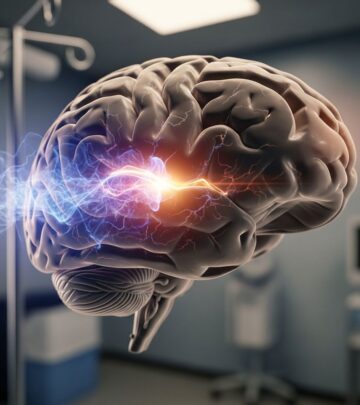
When you exercise, your body undergoes a series of remarkable neurochemical changes that directly impact anxiety levels. Physical activity stimulates the release of neurotransmitters—chemical messengers in the brain that regulate mood and emotional responses. The three primary neurotransmitters affected by exercise are serotonin, dopamine, and norepinephrine. High levels of serotonin and dopamine are directly linked to feelings of happiness, contentment, and motivation, which help lift mood and combat anxiety-related symptoms.
Endorphins and the “Runner’s High”
One of the most well-known effects of exercise is the release of endorphins, often called the body’s natural painkillers. During physical activity, endorphins flood the brain and create a sense of euphoria commonly referred to as the “runner’s high.” These endogenous opioids block pain receptors and generate a profound sense of wellbeing, directly counteracting feelings of stress and anxiety. This chemical response is immediate, which explains why many people feel better almost instantly after exercising.
Stress Hormone Regulation
Exercise also plays a crucial role in regulating cortisol, the primary stress hormone in your body. When you experience chronic stress or anxiety, cortisol levels remain elevated, perpetuating a cycle of worry and tension. Regular physical activity helps balance cortisol production, allowing your body to shift from a stress response state to a more relaxed state. By incorporating consistent exercise into your routine, you can help maintain healthier cortisol levels throughout the day, reducing the physiological manifestations of anxiety.
Reduced Brain Inflammation
Recent research has revealed that chronic inflammation in the brain is linked to anxiety, depression, and cognitive decline. Physical exercise acts as a natural anti-inflammatory agent, reducing inflammatory markers throughout the brain and body. This reduction in inflammation directly contributes to improved mental health outcomes and may help prevent or mitigate the effects of anxiety-related conditions.
Increased Brain-Derived Neurotrophic Factor (BDNF)
Exercise stimulates the production of BDNF, a protein that supports the survival of existing neurons and encourages growth of new neurons and synapses. BDNF plays a vital role in learning, memory, and emotional regulation. Higher BDNF levels are associated with improved cognitive function and better emotional resilience, making the brain more adaptable and less reactive to anxiety triggers.
How Exercise Affects Anxiety Symptoms
Beyond the neurochemical benefits, exercise provides several direct and indirect mechanisms for reducing anxiety. Understanding these pathways can help you appreciate why fitness professionals and mental health experts increasingly recommend exercise as part of comprehensive anxiety treatment.
Related Stories



Immediate Mood Enhancement
Studies have demonstrated a 26% decrease in odds for becoming depressed or anxious for each major increase in objectively measured physical activity. Even small amounts of activity—as little as 15 minutes per day—can help keep anxiety symptoms at bay. The immediate effects come from the surge of endorphins and other feel-good chemicals, which create a rapid shift in emotional state during and shortly after exercise.
Distraction from Anxious Thoughts
Exercise provides a healthy mental escape from anxiety-producing thoughts. When you’re engaged in physical activity, your attention naturally focuses on the workout itself, your breathing, and your body’s movements rather than on worried thoughts. This mental break allows your mind to reset and gain perspective, interrupting the cycle of anxious rumination that often perpetuates anxiety symptoms.
Building Confidence and Self-Esteem
As you progress through an exercise routine and notice improvements in physical fitness, strength, or endurance, your sense of accomplishment and self-efficacy increases. This confidence boost extends beyond the gym or workout space, helping you feel more capable of handling life’s challenges and reducing the vulnerability that often accompanies anxiety. Additionally, improvements in appearance or fitness level can enhance self-image and body satisfaction.
Social Connection and Support
Exercise often provides opportunities for social interaction, whether through group fitness classes, gym memberships, or outdoor activities with friends. Social connection is crucial for mental wellbeing and can directly reduce anxiety symptoms. Working out with a buddy increases accountability, makes physical exertion more enjoyable, and provides the added mental health benefits of human connection and community support.
Types of Exercise Most Effective for Anxiety
Not all exercise is created equal when it comes to anxiety reduction. While any movement is beneficial, certain types of physical activity have been shown to be particularly effective for managing anxiety symptoms.
Aerobic Exercise
Aerobic exercises that elevate your heart rate and increase oxygen circulation are among the most effective for reducing anxiety and depression. These include activities such as jogging, swimming, cycling, boxing, and dancing. The cardiovascular intensity of these activities maximizes the release of anxiety-reducing neurotransmitters and stress hormone regulation. Even less intense aerobic activities like brisk walking and gardening can provide significant mental health benefits.
Mind-Body Practices
Slower-moving exercises like yoga and Tai Chi offer powerful anxiety-reduction benefits, though through slightly different mechanisms than high-intensity cardio. These practices combine physical movement with mindfulness and breathing techniques, helping to regulate the nervous system, reduce stress, and promote mental relaxation. Even basic stretching paired with deep breathing in the morning or evening can boost mood and reduce anxiety throughout the day.
Strength Training
Resistance training and weightlifting provide unique benefits for anxiety management. Building strength creates a sense of personal power and accomplishment, boosts confidence, and provides the physical exertion necessary to trigger anxiety-reducing neurochemical changes. The focused, intentional nature of strength training also provides the mental benefits of distraction and mindfulness.
Building an Anxiety-Reducing Exercise Routine
To experience maximum mental health benefits from exercise, consistency and strategic planning are essential. Here are evidence-based recommendations for creating an exercise routine that effectively supports anxiety management.
Establish Consistency
Aim for at least 30 minutes of moderate-intensity exercise most days of the week. Consistency is key for reaping the long-term anxiety management benefits of exercise. Even if you cannot achieve this immediately, starting with smaller amounts and gradually building up is more effective than attempting intense workouts sporadically.
Mix Your Activities
Variety in your exercise routine keeps both your body and mind engaged, preventing boredom and working different muscle groups. Combining aerobic exercise with strength training and mind-body practices provides comprehensive physical and mental benefits. This variety also reduces the risk of overuse injuries and keeps your routine interesting and sustainable.
Incorporate Mindfulness
Whether you’re running, practicing yoga, or lifting weights, bring intentional awareness to your movement and breathing. Mindfulness during exercise amplifies the anxiety-reducing benefits by further engaging your attention and promoting nervous system regulation. Even simple focus on your breath and bodily sensations during exercise can enhance the mental health benefits.
Build Social Support
Consider joining a fitness class, finding a workout buddy, or exercising in social settings like parks or gyms. Social exercise adds the mental health benefit of human connection while providing accountability that helps maintain consistency. The combination of physical activity and social interaction creates a particularly powerful anxiety-management tool.
Additional Benefits of Exercise Beyond Anxiety Reduction
While anxiety reduction is significant, exercise provides numerous other health and wellness benefits that contribute to overall quality of life and mental wellbeing.
| Physical Benefits | Mental/Cognitive Benefits | Emotional Benefits |
|---|---|---|
| Better sleep quality | Increased mental alertness | Improved mood and emotional resilience |
| Improved cardiovascular fitness | Enhanced cognitive function | Reduced stress and worry |
| Weight management and reduction | Better focus and concentration | Increased confidence and self-esteem |
| Reduced cholesterol levels | Improved memory | Greater sense of control and empowerment |
| Increased endurance and strength | Enhanced emotional regulation | Sense of accomplishment and pride |
Creating a Stress Buffer Through Consistent Exercise
One of the most significant long-term benefits of maintaining a regular exercise routine is the development of a “stress buffer.” Research shows that people who consistently incorporate exercise into their lives are better able to handle incoming stressors and maintain emotional resilience. Rather than being overwhelmed by anxiety when challenges arise, individuals with strong exercise habits demonstrate greater capacity to manage stress adaptively. This protective effect develops gradually as your nervous system becomes more resilient through repeated exercise exposure.
Making the Transition When Anxiety is High
One of the primary challenges in using exercise to treat anxiety is that anxiety itself can make motivation difficult. When you’re already experiencing anxiety or depression, the thought of exercising can feel overwhelming. Start small with manageable changes that naturally incorporate more movement into your daily life. Taking the stairs instead of the elevator, parking farther away to increase walking distance, gardening, or doing household chores all provide exercise benefits without requiring formal workout motivation. These smaller lifestyle modifications can gradually build momentum toward more structured exercise routines.
Exercise as Part of Comprehensive Anxiety Treatment
While exercise is a powerful tool for managing anxiety, it should complement rather than replace professional mental health treatment when appropriate. If you’re experiencing significant anxiety symptoms, consult with a healthcare provider or mental health professional about incorporating exercise into your overall treatment plan. A comprehensive approach combining therapy, medication if needed, exercise, lifestyle modifications, and social support typically yields the best outcomes for anxiety management.
Getting Started with Exercise for Anxiety
Beginning an exercise routine for anxiety management doesn’t require expensive gym memberships or intensive training programs. Start with activities you enjoy—whether that’s dancing to your favorite music, walking in nature, swimming, cycling, or practicing yoga at home. The best exercise is the one you’ll actually do consistently, so prioritize enjoyment and accessibility. Even 15 minutes of daily movement can make a meaningful difference in anxiety symptoms, so don’t wait for perfect conditions to begin.
Frequently Asked Questions
Q: How quickly will I see anxiety reduction from exercise?
A: Many people experience immediate mood enhancement and reduced anxiety within the first few minutes to hours after exercising. However, the most significant long-term benefits typically develop with consistent exercise over several weeks to months. Don’t expect exercise to completely eliminate anxiety, but rather to significantly reduce its intensity and frequency.
Q: What if I’m too anxious to exercise?
A: Start with gentle, low-pressure activities like slow walks, basic stretching, or brief yoga sessions. You don’t need intense exercise to benefit; even light movement helps. Consider exercising with a friend or in a supportive environment to reduce anxiety about starting.
Q: Can I replace medication with exercise?
A: Exercise is an excellent complement to medication and therapy but should not replace them without consulting your healthcare provider. For moderate to severe anxiety, a comprehensive approach combining multiple treatments typically works best.
Q: How much exercise do I need for anxiety benefits?
A: Even 15 minutes daily can help, though 30 minutes most days of the week is the standard recommendation. Consistency matters more than duration or intensity.
Q: Are certain types of exercise better than others for anxiety?
A: Aerobic exercises like running, swimming, and cycling are particularly effective, but yoga, Tai Chi, and other mind-body practices also provide significant benefits. Choose activities you enjoy and will maintain consistently.
Q: Can I exercise if I have other health conditions?
A: Consult with your healthcare provider before starting any exercise program, especially if you have existing health conditions. They can recommend appropriate activities and intensity levels for your individual situation.
References
- Depression and Anxiety: Exercise Eases Symptoms — Mayo Clinic. 2023. https://www.mayoclinic.org/diseases-conditions/depression/in-depth/depression-and-exercise/art-20046495
- How Physical Exercise Benefits Mental Health — VeryWell Mind. 2024. https://www.verywellmind.com/physical-exercise-for-panic-disorder-and-anxiety-2584094
- Regular Exercise is Associated with Emotional Resilience to Acute Stress in Healthy Adults — Frontiers in Physiology. 2014. https://www.frontiersin.org/articles/10.3389/fphys.2014.00161/full
- Benefits of Exercise on Your Mental Health — Voice of America Southwest. 2024. https://www.voasw-bh.org/blog/benefits-of-exercise-on-your-mental-health/
- The Brain-Body Connection: How Exercise Boosts Mental Health — Sunny Health & Fitness. 2024. https://sunnyhealthfitness.com/blogs/health-wellness/brain-body-connection-how-exercise-boosts-mental-health
Similar Articles








Read full bio of medha deb