Can Exercise Help You Feel Less Stressed?
Discover how exercise reduces stress and improves mental wellness through science-backed methods.
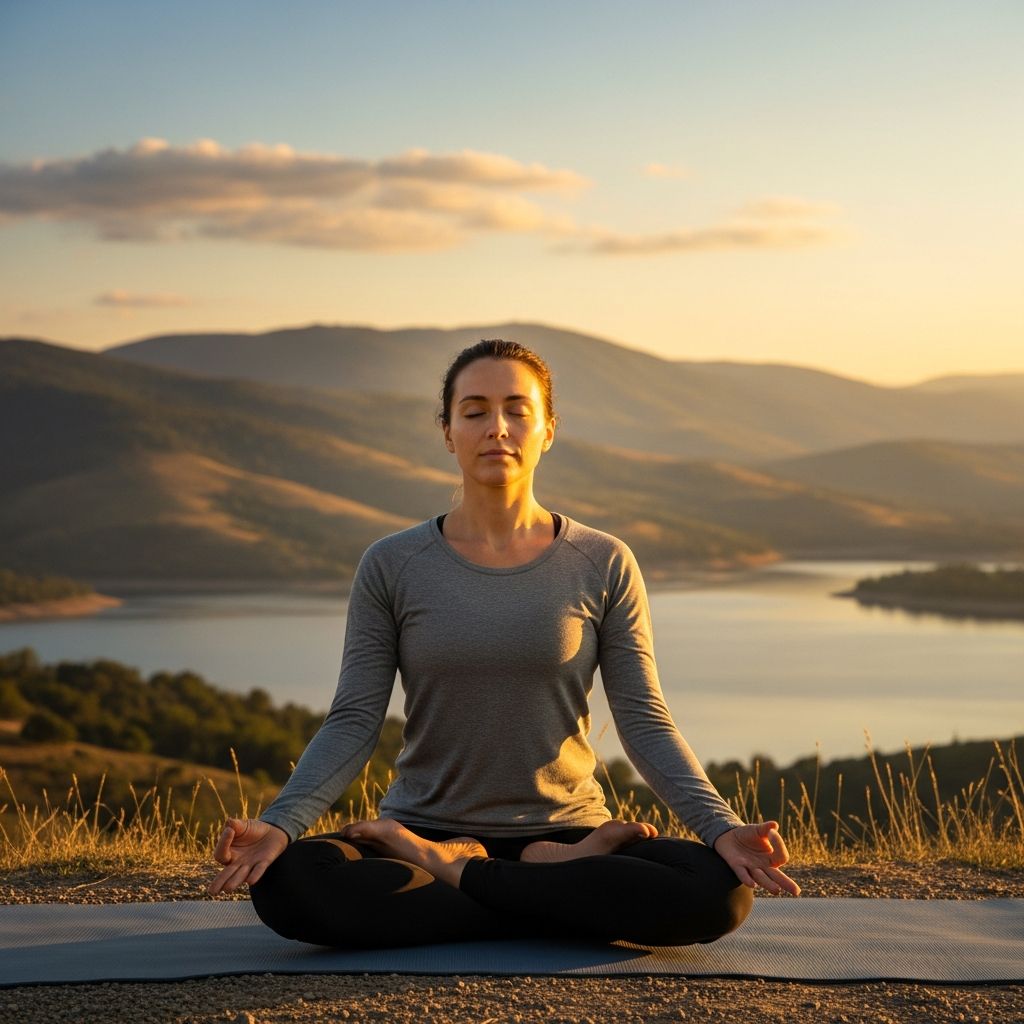
There’s little doubt that, when done in a way that fits your lifestyle, exercise can be an incredible stress-reliever. Research consistently demonstrates that physical activity has profound effects on our mental wellbeing and capacity to manage life’s challenges. Whether you’re dealing with work pressures, personal concerns, or general anxiety, incorporating movement into your routine can significantly impact how you feel.
A large 2018 study involving 1.2 million people found compelling evidence for exercise’s effectiveness. Physically active adults experienced just two days of poor mental health every month, compared to 3.4 days for non-exercisers. This substantial difference highlights the real, measurable impact that regular physical activity can have on our emotional wellbeing and overall quality of life.
How Exercise Relieves Stress
Understanding the mechanisms behind exercise’s stress-relieving benefits can help you appreciate why movement is such a powerful tool for mental health. Multiple biological and psychological processes work together to create the positive effects we experience when we exercise.
The Hormonal Response
When you experience stress, your body releases cortisol and adrenaline to prepare for a threat response. These hormones trigger the “fight-or-flight” response, causing your heart rate to increase, breathing to accelerate, and muscles to tighten. Exercise interrupts this process effectively. Physical activity encourages the release of feel-good hormones, like serotonin, while simultaneously balancing stress hormones like adrenaline. This biochemical shift helps calm your nervous system and restore equilibrium.
Dr Josephine Perry, a chartered psychologist, explains that “adrenaline and cortisol make us feel really rubbish. Heart rate goes up, breathing rate goes up, we get stomach problems, we get very tight shoulders and back muscles, and we may even lose some of our peripheral vision.” Exercise counteracts these unpleasant physical sensations by creating a more balanced hormonal environment.
Endorphin Production
One of the most well-known benefits of exercise is the release of endorphins, chemicals in the brain that act as natural painkillers and mood elevators. Physical activity increases a brain chemical called beta-endorphin, which can increase feelings of happiness and reduce feelings of pain. This phenomenon is often called a “runner’s high,” though it can occur with any aerobic activity. Whether you’re playing tennis, going for a nature hike, or dancing, you can experience this natural mood boost.
Even brief periods of aerobic exercise can stimulate anti-anxiety effects. You don’t need to spend hours at the gym to benefit from these biochemical changes—even five minutes of moderate movement can start to improve your mood and mental state.
Sleep and Appetite Regulation
Exercise can regulate your appetite and sleep cycles, both of which are essential for managing stress. When you’re stressed, sleep is often disrupted, and poor sleep can perpetuate stress and anxiety. Regular physical activity improves sleep quality, creating a positive cycle where better rest leads to improved stress resilience. Additionally, by supporting healthier appetite regulation, exercise helps maintain the nutritional foundation your body needs to cope with stress effectively.
Related Stories



The Meditative Effect
Beyond the biochemical benefits, exercise provides a meditative quality that shifts your mental focus. Physical activity takes you out of your head and into your body, allowing you to temporarily set aside daily worries and irritations. As you move, you may find yourself focusing only on your body’s movements and breathing. This single-task focus helps calm your mind and can increase your energy and optimism. Over time, this practice of shedding daily tensions through movement can help you stay calmer in challenging situations and improve your ability to think clearly and solve problems.
The Optimal Amount of Exercise
While any movement is beneficial, research suggests there’s an optimal exercise duration for maximum stress-relief benefits. The 2018 study mentioned earlier found that the optimum benefits were seen at around 45 minutes of exercise every other day. However, this doesn’t mean more is necessarily better. The key is finding a sustainable routine that fits your lifestyle.
If you struggle with high stress levels or demanding commitments, even 10 to 15 minutes of daily movement can provide significant benefits. The “little and often” approach is particularly useful when time is limited. The most important factor is consistency—establishing a regular habit that you can maintain over time.
National health guidelines support this approach. The UK’s NICE body recommends that adults do 150 minutes of moderate exercise per week, such as brisk walking, or 75 minutes of vigorous exercise weekly, such as running. You can mix both types of activity or combine them to meet these targets.
Benefits of Regular Exercise on Mental Health
When you make exercise into a habit, the stress-relieving effects extend far beyond the individual exercise session. Regular physical activity creates lasting improvements in mental health and brain function.
- Improved mood and self-confidence: Exercising a few times a week can increase your self-confidence and improve your overall mood.
- Reduced anxiety and depression: Those who exercise have lower rates of depression, negative affectivity, and anxiety. Exercise interventions have been shown to improve depression status significantly.
- Enhanced cognitive function: Studies show exercise is very effective at reducing fatigue, improving alertness and concentration, and enhancing overall cognitive function.
- Better emotional resilience: Physical activity promotes positive changes in your mental health and your ability to cope with stressful encounters.
- Brain health improvements: Regular exercise has been shown to increase the volume of certain brain regions, with significant implications for long-term brain health.
A comprehensive review by Sport England in 2017 detailed additional evidence that exercise improves life satisfaction (especially after social interaction), self-concept, self-esteem and confidence (particularly after learning new skills), resilience, sense of self-worth, self-control, and the growth of positive relationships.
Physical Health Benefits of Stress-Relieving Exercise
The advantages of exercise extend beyond mental health to protect your physical wellbeing during stressful periods. Exercise buffers the effects of stress on physical health in several important ways:
- Exercise neutralizes the effects of psychological stressors on cardiac reactivity.
- It dampens stressor-evoked increases in stress hormones.
- Those who are aerobically fit have less cardiac reactivity to stressors and better cardiovascular recovery.
- Exercise prevents stress-induced immunosuppression, protecting your immune system when under stress.
- Physical activity can lower resting heart rate and blood pressure.
- It helps improve the immune system overall.
- By improving blood circulation, exercise makes muscles feel more pliable and reduces stiffness or soreness in joints and muscles.
When stress affects your brain and its many nerve connections, the rest of your body feels the impact. Conversely, if your body feels better physically, your mind benefits as well. This reciprocal relationship between mind and body means that physical improvements from exercise can create positive feedback loops for your mental health.
Finding the Right Exercise for You
Almost any form of exercise or movement can increase your fitness level while decreasing your stress. The most important thing is to pick an activity that you enjoy and that fits your current fitness level and preferences.
Types of Exercise to Consider
- Aerobic activities: Running, walking, jogging, dancing, bicycling, or swimming provide excellent cardiovascular benefits and endorphin release.
- Mind-body exercises: Yoga, tai chi, and Pilates offer stress relief through their meditative qualities while improving flexibility and strength.
- Strength training: Using resistance bands or hand weights helps build confidence through progress and improves physical condition.
- Low-impact options: If you have joint concerns or prefer gentler movement, low-impact exercises like yoga, Pilates, and swimming are excellent choices.
- Everyday activities: Walking, stair climbing, gardening, or even body-weight exercises at home can be effective.
Remember that you don’t need to join a gym or follow a structured program to experience benefits. Taking a walk with your dog, doing body-weight exercises, or following a yoga video at home are all valid and effective ways to incorporate stress-relieving movement into your life. The key is finding what works for you and what you’ll actually enjoy doing consistently.
Siri Andersen, a personal trainer, suggests: “We all have very different stress responses. Someone may feel less stressed from a short run; others benefit more from doing stretches or meditation. The ‘little and often’ approach is a useful tool when there is simply not enough time in the day.”
Starting Your Exercise Journey
It may take some trial and error before you find what works best for you. Don’t be discouraged if your first choice doesn’t click—there are countless ways to move your body. Even if you’re not an athlete or you’re currently out of shape, you can still use exercise to help manage your stress effectively. Start with activities that feel manageable and enjoyable, then gradually expand your repertoire.
Improvements in how your body feels can make you feel good about yourself, which positively impacts other aspects of your day. As you continue with regular exercise, you’ll likely notice cumulative benefits that extend into all areas of your life.
Making Exercise a Sustainable Habit
The stress-relieving benefits of exercise are most powerful when it becomes a consistent part of your routine rather than a sporadic activity. Building a sustainable habit involves:
- Choosing activities you genuinely enjoy rather than forcing yourself to do exercises you dislike.
- Starting with manageable durations and gradually increasing as you build consistency.
- Scheduling exercise at times that work with your lifestyle to ensure you can stick with it.
- Recognizing that even small amounts of regular movement provide real benefits.
- Being flexible and adjusting your routine as needed without abandoning the habit entirely.
Marc Holl, head of physiotherapy and clinical development lead at Nuffield Health, explains: “There’s evidence to show the more physically active you are, the more emotional well-being improves. The relationship between mind and body is reciprocal, so if one is neglected, it can have negative repercussions on the other.”
Frequently Asked Questions
Q: How quickly will I notice stress relief from exercise?
A: You can experience benefits quickly. Even five minutes of aerobic exercise can stimulate anti-anxiety effects. However, the most significant and lasting benefits typically develop with regular, consistent activity over weeks and months.
Q: Do I need to do intense exercise to feel less stressed?
A: No. While any form of exercise can help, conventional wisdom holds that a workout of low to moderate intensity makes you feel energized and healthy. You don’t need to exhaust yourself to experience stress relief.
Q: Can I do exercise at home to reduce stress?
A: Absolutely. You can do body-weight movements, yoga videos, stretching, or simply take a walk. Walking the stairs or holding on to a chair whilst doing body-weight movements is a free and easy form of exercise you can do in your own time.
Q: What if I don’t have much time for exercise?
A: Even 10 to 15 minutes out of your day focused on movement can provide significant benefits. The “little and often” approach is particularly useful when time is limited.
Q: How much exercise do health authorities recommend for stress management?
A: NICE recommends 150 minutes of moderate exercise per week (such as brisk walking) or 75 minutes of vigorous exercise weekly (such as running). You can mix both types or spread them throughout the week in whatever way suits your schedule.
References
- The Effects of Stress on Physical Activity and Exercise — National Center for Biotechnology Information (NCBI). https://pmc.ncbi.nlm.nih.gov/articles/PMC3894304/
- Physical Activity Reduces Stress — Anxiety and Depression Association of America (ADAA). https://adaa.org/understanding-anxiety/related-illnesses/other-related-conditions/stress/physical-activity-reduces-st
- How to Deal with Stress Through Exercise — Patient.info. https://patient.info/features/mental-health/how-to-deal-with-stress-through-exercise
- Can Exercise Help You Feel Less Stressed? — Patient.info. https://patient.info/features/mental-health/can-exercise-help-you-feel-less-stressed
- Exercise and Stress: Get Moving to Manage Stress — Mayo Clinic. https://www.mayoclinic.org/healthy-lifestyle/stress-management/in-depth/exercise-and-stress/art-20044469
Similar Articles








Read full bio of medha deb