Can Iron Cause Constipation? Expert Tips To Prevent And Manage
Discover if iron supplements lead to constipation, why it happens, and effective strategies to manage and prevent this common side effect.
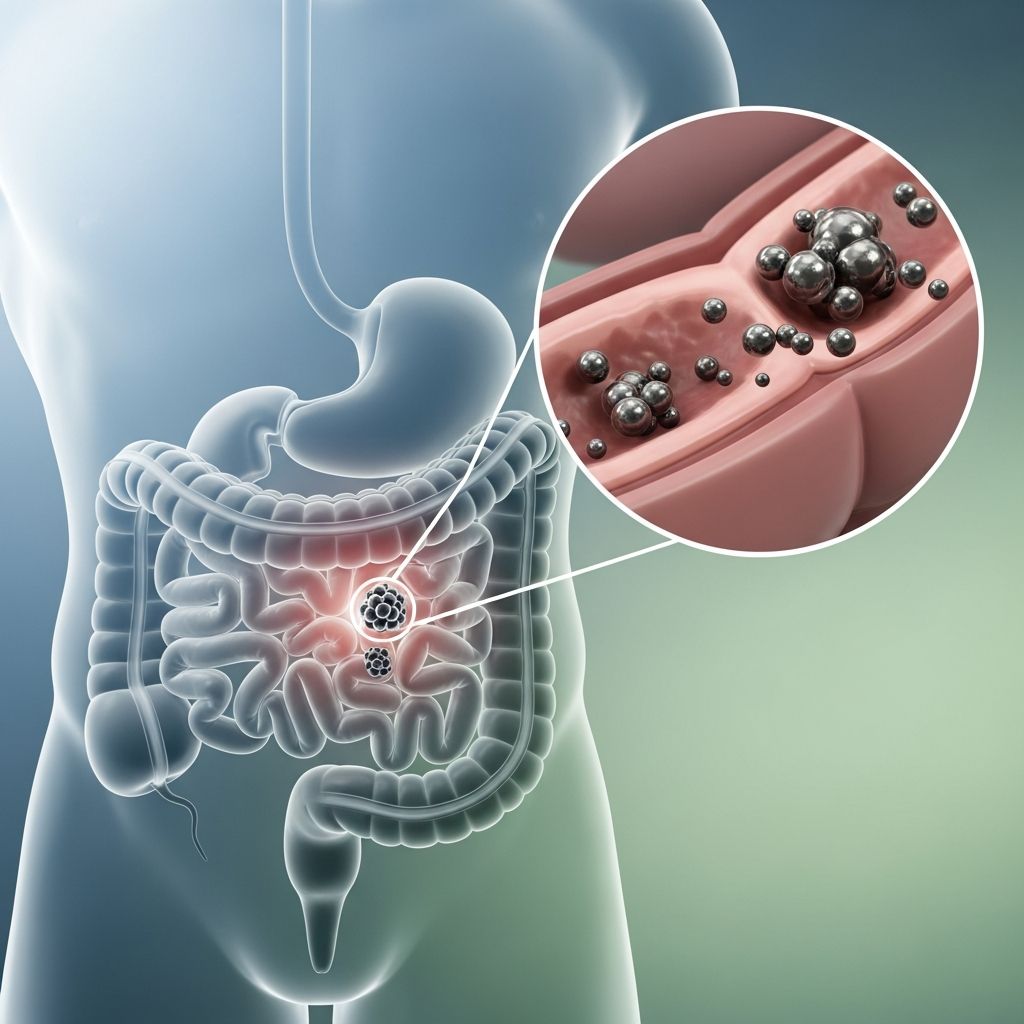
Iron supplements are commonly prescribed to treat iron deficiency anemia and low iron levels, but they can lead to gastrointestinal side effects, including constipation. Research indicates that doses exceeding 45 mg per day increase the risk, affecting the gut microbiome and stool consistency.
What Is Iron and Why Do People Take It?
Iron is an essential mineral critical for producing hemoglobin in red blood cells, which transport oxygen throughout the body. Low iron levels can result in iron-deficiency anemia, causing fatigue, mood changes, and concentration issues even without full anemia. People take iron supplements when dietary intake from foods like red meat, spinach, or fortified cereals is insufficient, or due to conditions like heavy menstrual bleeding, pregnancy, or gastrointestinal disorders that impair absorption.
According to health guidelines, oral iron is the first-line treatment for iron deficiency due to its effectiveness and low cost. However, unabsorbed iron remains in the gut, potentially disrupting normal digestion.
Do Iron Supplements Cause Constipation?
Yes, iron supplements frequently cause constipation, though the exact mechanism is not fully understood. Studies suggest two primary pathways: first, excess iron alters the gut microbiome by promoting harmful bacteria over beneficial ones, leading to digestive imbalances. Second, as the body absorbs iron, it generates a positive charge in the gut, prompting water absorption and resulting in drier, harder stools that are difficult to pass.
A 2021 review notes that up to 60% of users experience gastrointestinal issues like constipation, abdominal pain, and bloating from oral iron, particularly ferrous sulfate. In rare cases, severe constipation from iron pills can lead to ileus or bowel obstruction, as reported in a case study of a patient with no surgical history who developed symptoms after starting supplementation.
How Common Is Constipation from Iron?
The prevalence varies across studies. A review found about 12% of oral iron users developed constipation, while a clinical study reported only 4%. Intravenous (IV) iron infusions pose a lower risk, with less than 1% affected in one trial, making them a preferable option for those prone to gut issues. Factors like dosage, formulation, and individual sensitivity influence occurrence. Not everyone on high doses (over 45 mg daily) experiences it, but it’s a notable side effect.
Risk Factors for Constipation from Iron Supplements
- Higher Doses: More than 45 mg elemental iron daily significantly raises risk.
- Oral Forms: Ferrous sulfate shows higher side effect rates than other types.
- Unabsorbed Iron: Excess in the gut hardens stools by drawing water osmotically.
- Pre-existing Conditions: Those with slow gut motility or low-fiber diets are more susceptible.
- Demographics: Pregnant individuals or those with hemochromatosis should use caution.
How Can You Prevent or Manage Constipation from Iron?
While no method guarantees prevention, several evidence-based strategies can reduce risk and alleviate symptoms.
Choose the Right Formulation
Different iron forms include ferrous sulfate, ferrous gluconate, ferrous fumarate, and extended-release options. One study linked ferrous sulfate to more gut issues, while extended-release iron showed lower constipation rates in some research, though results are mixed. Switching formulations or to IV iron may help persistent cases.
Related Stories



Lifestyle Adjustments
- Increase Fiber: Consume vegetables, fruits, whole grains, legumes, and nuts to soften stools.
- Hydrate: Drink plenty of water to counteract water absorption in the gut.
- Exercise: Regular physical activity promotes bowel motility.
- Bowel Training: Aim for consistent daily movements, such as 15-45 minutes after breakfast.
- Diet Tweaks: Avoid low-fiber processed foods and excessive meat.
Medications and Supplements
Consult a doctor before starting:
- Stool softeners like docusate sodium (Colace).
- Fiber supplements or osmotic laxatives like milk of magnesia.
- Stimulant laxatives or lubricants such as mineral oil for short-term use.
For severe cases, biofeedback or prescription medications may be recommended.
Who Should Be Cautious with Iron Supplements?
High doses can interact with medications or harm those with conditions like hemochromatosis. The upper daily limit is 45 mg from supplements; exceeding it risks toxicity. Pregnant or nursing individuals should seek guidance, as constipation is common but manageable. Always test iron levels first via bloodwork to confirm deficiency.
| Formulation | Elemental Iron Content | Constipation Risk | Notes |
|---|---|---|---|
| Ferrous Sulfate | 20-65 mg per dose | High | Most prescribed, but frequent GI issues. |
| Ferrous Gluconate | 12-36 mg per dose | Moderate | Gentler on stomach. |
| Ferrous Fumarate | 106 mg per dose | Moderate | Higher potency. |
| Extended-Release | Varies | Lower in some studies | Slower absorption may reduce side effects. |
| IV Iron | High doses | Very Low (<1%) | For severe cases or intolerance. |
When to See a Doctor
Seek medical advice if constipation persists despite lifestyle changes, or if accompanied by severe pain, bloating, vomiting, blood in stool, or weight loss. These may indicate underlying issues like ileus or obstruction. Doctors can adjust dosage, switch to alternatives, or investigate other causes. Never exceed recommended doses without supervision.
Frequently Asked Questions (FAQs)
Can all iron supplements cause constipation?
Not all, but oral forms do in 4-12% of users; IV iron rarely causes it.
Does liquid iron cause less constipation?
Liquid forms may cause metallic taste or staining but similar gut effects; evidence on constipation reduction is limited.
How long does iron-related constipation last?
It often improves with management or after stopping supplements, but consult a doctor for persistence.
Is constipation from iron dangerous?
Usually not, but rare severe cases can lead to obstruction or ileus.
Can I take iron at night to avoid constipation?
Timing may not directly affect it, but taking with food can reduce nausea; follow doctor advice.
The Bottom Line
Iron supplements effectively treat deficiency but can cause constipation by altering gut bacteria and stool hydration. Doses over 45 mg heighten risk, affecting up to 60% with GI symptoms. Prevention involves smart formulation choices, high-fiber diets, hydration, exercise, and OTC aids like stool softeners. Always consult healthcare providers for personalized plans, especially if symptoms worsen.
References
- Do Iron Supplements Cause Constipation? – GoodRx — GoodRx. 2023. https://www.goodrx.com/classes/iron-supplements/cause-constipation
- Do iron supplements cause constipation? Research and more — Medical News Today. 2023. https://www.medicalnewstoday.com/articles/do-iron-supplements-cause-constipation
- Ileus Due to Iron Pills: A Case Report and Literature Report — National Library of Medicine, NIH. 2020-07-01. https://pmc.ncbi.nlm.nih.gov/articles/PMC7331903/
- Taking iron supplements — MedlinePlus, NIH. 2023. https://medlineplus.gov/ency/article/007478.htm
Similar Articles








Read full bio of medha deb