Magnesium For Weight Loss: Evidence-Based Guide, Meal Plan
Discover if magnesium supplementation aids weight loss, its role in metabolism, insulin sensitivity, and best food sources for optimal health.
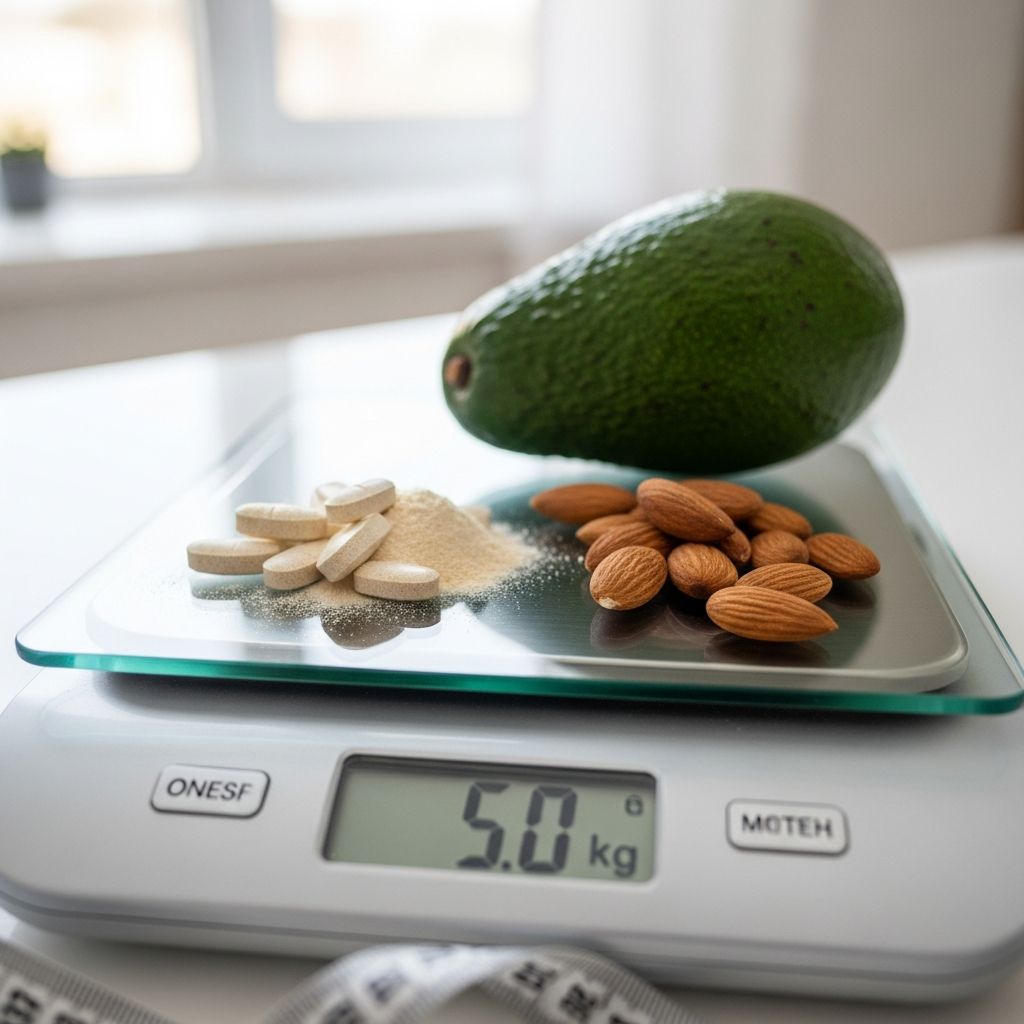
Magnesium, an essential mineral involved in over 300 biochemical reactions in the body, shows promise in supporting weight management indirectly through improved insulin sensitivity, blood sugar regulation, and metabolic health, though it does not cause direct fat loss on its own.
Research, including a 2020 meta-analysis of randomized controlled trials, indicates magnesium supplementation significantly reduces BMI (weighted mean difference: -0.21 kg/m²), particularly in those with magnesium deficiency, obesity, or insulin resistance-related disorders at baseline.
What Is Magnesium?
Magnesium is a vital mineral that supports nerve impulses, muscle contraction, heart rhythm, bone health, and energy production by facilitating calcium and potassium transport.
The Office of Dietary Supplements notes that magnesium is required for DNA synthesis, protein synthesis, and enzyme activation, playing a key role in glucose metabolism and insulin action.
Deficiency is common, affecting up to 50% of certain populations, and is linked to higher risks of obesity, type 2 diabetes, and metabolic syndrome.
Magnesium and Weight Loss: The Evidence
While magnesium alone won’t melt fat, studies link higher intake to lower obesity risk. A long-term study of 1,675 individuals associated greater magnesium consumption with reduced obesity incidence over 30 years.
A meta-analysis found no overall significant changes in body weight, waist circumference (WC), body fat percentage, or waist-to-hip ratio (WHR) from supplementation, but subgroup benefits emerged: weight and WC reductions in those with insulin resistance, hypertension, obesity, magnesium deficiency, or females.
| Outcome Measure | Overall Effect | Significant Subgroups |
|---|---|---|
| BMI | Reduced (-0.21 kg/m²) | Mg deficiency, insulin resistance, obesity |
| Body Weight | No significant change | Insulin resistance, hypertension, obesity, females |
| Waist Circumference | No significant change | Insulin resistance, hypertension, obesity, Mg deficiency |
| Body Fat % / WHR | No change | None |
This table summarizes findings from 22 trials in the meta-analysis, highlighting targeted benefits rather than universal effects.
How Magnesium Supports Weight Loss
- Insulin Sensitivity and Blood Sugar Control: Magnesium enhances insulin action and glucose uptake, reducing resistance—a key obesity driver. A 2013 study showed higher doses improved insulin and glucose levels, aiding those overweight. It prevents glucose spikes that promote fat storage.
- Appetite Regulation: Magnesium boosts cholecystokinin production, signaling fullness to the brain and curbing overeating.
- Metabolism Boost: Activates enzymes for carbohydrate and fat breakdown, potentially increasing resting calorie burn.
- Stress and Cortisol Reduction: Lowers cortisol, linked to abdominal fat gain; a 24-week study reduced urinary cortisol excretion.
- Sleep Improvement: Promotes melatonin and reduces cortisol for better sleep, lowering ghrelin (hunger hormone) and raising leptin (satiety).
- Reduced Inflammation: Counters low-grade inflammation that hinders fat loss and slows metabolism.
These mechanisms create a favorable environment for weight loss when paired with diet and exercise.
Who Might Benefit Most?
Individuals with magnesium deficiency (common in obesity due to poor diets) see the strongest effects.
Those with insulin resistance, prediabetes, or type 2 diabetes benefit from better glucose control.
People with hypertension or metabolic syndrome show WC and weight improvements.
Women, especially with bloating or menstrual issues, may experience reduced water retention.
Deficiency symptoms include fatigue, muscle cramps, poor sleep, and irritability, exacerbating weight struggles via low energy and cravings.
Best Food Sources of Magnesium
Prioritize dietary magnesium over supplements for better absorption and co-nutrients.
Related Stories



- Leafy greens: Spinach (79 mg/½ cup cooked), Swiss chard
- Nuts/seeds: Almonds (80 mg/oz), pumpkin seeds (168 mg/oz)
- Whole grains: Quinoa (64 mg/cup), brown rice
- Legumes: Black beans (120 mg/cup), chickpeas
- Other: Avocado (44 mg/medium), dark chocolate (64 mg/oz 70-85% cocoa), fatty fish like salmon
Aim for 310-420 mg daily (women/men); RDA from NIH.
| Food (Serving Size) | Magnesium (mg) | % Daily Value* |
|---|---|---|
| Almonds (1 oz) | 80 | 19% |
| Spinach (½ cup cooked) | 78 | 19% |
| Pumpkin seeds (1 oz) | 168 | 40% |
| Black beans (1 cup cooked) | 120 | 29% |
| Quinoa (1 cup cooked) | 64 | 15% |
| *Based on 420 mg/day for men; values from NIH. | ||
Magnesium Supplements: Do You Need Them?
Supplements (250-400 mg/day) may help if deficient, but test levels first via bloodwork.
Forms: Magnesium citrate/glycinate for absorption; oxide is cheaper but less bioavailable.
Dose-response analysis shows benefits at higher doses, but start low to avoid GI upset.
Not a standalone solution—combine with calorie control, exercise.
Potential Side Effects and Precautions
Excess (>350 mg supplemental) causes diarrhea, nausea.
Avoid high doses with kidney issues; consult doctor if pregnant, on meds (e.g., antibiotics, diuretics).
Interactions: Reduces absorption of some antibiotics; enhances others.
Sample Magnesium-Rich Meal Plan for Weight Loss
- Breakfast: Spinach omelet with quinoa (200+ mg)
- Lunch: Grilled salmon salad with chickpeas, avocado
- Snack: Handful almonds + dark chocolate
- Dinner: Stir-fried broccoli, black beans, brown rice
Total: ~400 mg, supporting metabolism without excess calories.
Frequently Asked Questions
Does magnesium directly burn fat?
No, but it optimizes metabolism, insulin, and sleep to aid fat loss indirectly.
How much magnesium for weight loss?
310-420 mg/day from food; 250-400 mg supplemental if deficient. Consult a professional.
Can magnesium reduce belly fat?
Possible WC reduction in obesity/insulin resistance subgroups via cortisol/inflammation control.
Is magnesium safe for daily use?
Yes, at RDA levels; excess causes digestive issues.
Best time to take magnesium supplements?
Evening for sleep benefits; with meals to enhance absorption.
In summary, magnesium supports weight loss efforts by addressing deficiencies that hinder metabolism, but sustainable results require holistic lifestyle changes. Prioritize whole foods and professional advice.
References
- The effects of magnesium supplementation on obesity measures in adults — Tabrizi R, et al. PubMed/NCBI. 2020-07-14. https://pubmed.ncbi.nlm.nih.gov/32654500/
- Magnesium For Weight Loss: Clinical Evidence And Benefits — MedExpress Health Centre. Accessed 2026. https://www.medexpress.co.uk/health-centre/magnesium-weight-loss/
- Magnesium for Weight Loss: Does It Help? — Healthline. Accessed 2026. https://www.healthline.com/health/food-nutrition/magnesium-for-weight-loss
- Magnesium For Weight Loss: Does It Work? — Mochi Health. Accessed 2026. https://joinmochi.com/blogs/magnesium-for-weight-loss
- Magnesium and body weight: does it make you gain weight, lose weight? — NDL ProHealth. Accessed 2026. https://ndlprohealth.com/en-us/blogs/tips/magnesium-and-body-weight
- Magnesium – Health Professional Fact Sheet — NIH Office of Dietary Supplements. Updated 2022-07-12. https://ods.od.nih.gov/factsheets/Magnesium-HealthProfessional/
Similar Articles








Read full bio of Sneha Tete