Can Men Get UTIs? Symptoms, Causes, Treatment Guide
Yes, men can get urinary tract infections—though less commonly than women. Learn symptoms, causes, risks, and treatments.

Urinary tract infections (UTIs) are often thought of as a women’s health issue, but men can absolutely get them too. While UTIs affect women at much higher rates—about 50-60% of women will experience at least one UTI in their lifetime—men account for roughly 12% of cases annually in the U.S. The misconception stems from anatomical differences: women have shorter urethras (about 1.5 inches) compared to men’s (8 inches), making bacterial ascent easier in women. However, when men do develop UTIs, they can be more complicated due to factors like prostate enlargement or structural issues.
According to the CDC, UTIs cause over 8.1 million healthcare visits yearly, with men over 65 at elevated risk. Untreated UTIs in men can lead to serious complications like kidney infections or sepsis. This comprehensive guide covers everything men need to know about UTIs: symptoms, causes, risk factors, diagnosis, treatment, prevention, and FAQs.
What Is a UTI?
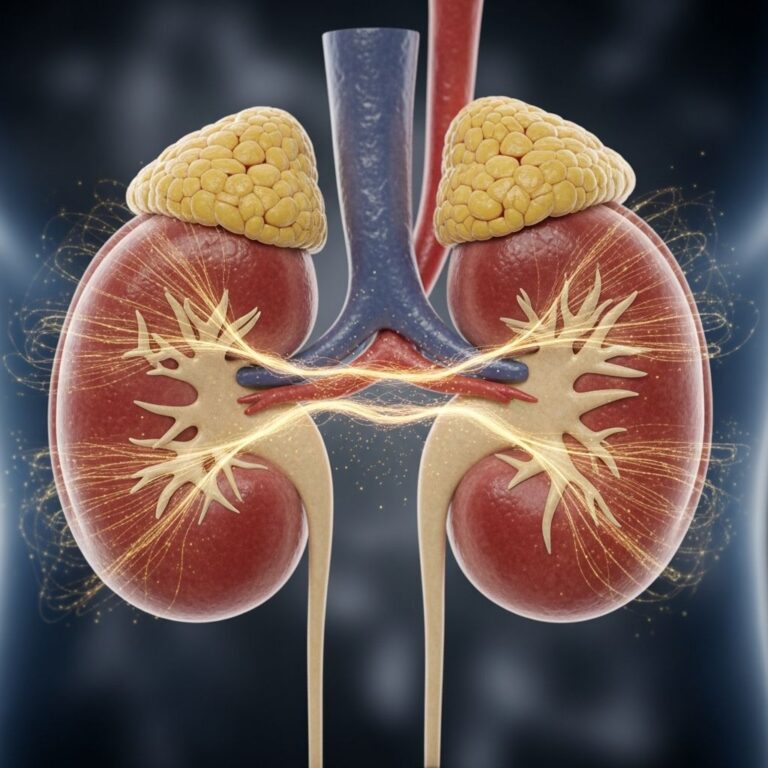
A urinary tract infection occurs when bacteria, most commonly Escherichia coli (E. coli) from the gastrointestinal tract, enter the urinary system and multiply. The urinary tract includes the kidneys, ureters (tubes connecting kidneys to bladder), bladder, and urethra.
UTIs are classified by location:
- Lower UTIs (cystitis): Affect the bladder, causing frequent, painful urination.
- Upper UTIs (pyelonephritis): Involve kidneys, leading to fever, chills, and back pain—more severe and common in men.
In men, UTIs often signal an underlying issue, unlike in premenopausal women where they may be straightforward. The National Institute of Diabetes and Digestive and Kidney Diseases (NIDDK) notes that male UTIs warrant thorough investigation.
Symptoms of UTIs in Men
UTI symptoms in men mirror those in women but can be subtler or mistaken for prostate problems. Common signs include:
- Painful or burning urination (dysuria): Sharp pain during urination, often the first clue.
- Frequent urge to urinate: Even small amounts, day and night (nocturia).
- Cloudy, bloody, or foul-smelling urine: Blood (hematuria) appears pink/red; odor signals bacteria.
- Pelvic or lower abdominal pain: Dull ache above pubic bone.
- Fever and chills: Indicates kidney involvement—seek immediate care.
Men-specific symptoms:
- Discharge from penis
- Painful ejaculation
- Rectal or perineal discomfort (prostate involvement)
A 2023 study in The Lancet Infectious Diseases found men with UTIs often delay care, worsening outcomes. If symptoms persist >24 hours, consult a doctor.
Causes of UTIs in Men
E. coli causes 80-90% of UTIs, per NIDDK data. Bacteria enter via urethra and ascend. Men’s longer urethra offers protection, but vulnerabilities exist:
| Cause | Description |
|---|---|
| Prostate issues (BPH) | Enlarged prostate (50% of men >50) blocks urine flow, trapping bacteria. Affects 12 million U.S. men yearly. |
| Urinary catheters | Hospital use introduces bacteria; 25% develop UTIs. |
| Sexual activity | Less common, but anal sex increases risk via fecal bacteria. |
| Kidney stones | Blockages promote stagnation/infection. |
| Uncircumcised penis | Foreskin traps bacteria; hygiene key. |
Other bacteria: Proteus, Klebsiella, Enterococcus. Rare fungal/parasitic in immunocompromised men.
Risk Factors for UTIs in Men
Men face rising UTI risk with age. Key factors:
Related Stories



- Age >65: Prostate enlargement skyrockets risk.
- Diabetes: High blood sugar feeds bacteria; 30% higher UTI odds.
- Enlarged prostate (BPH): Obstructs flow in 80% of men >80.
- Urinary tract abnormalities: Congenital issues or stones.
- Recent urinary procedures: Catheterization, cystoscopy.
- Weakened immunity: HIV, chemotherapy, steroids.
- Dehydration: Concentrated urine aids bacteria.
CDC reports 10x higher UTIs in catheterized patients vs. general population.
How Are UTIs Diagnosed in Men?
Unlike women, men’s UTIs require full workup:
- Urinalysis: Detects white blood cells, nitrites, bacteria.
- Urine culture: Identifies bacteria/antibiotic sensitivity (gold standard).
- Physical exam: Prostate check via digital rectal exam (DRE).
- Imaging: Ultrasound/CT for stones/blockages.
- Cystoscopy: Camera inspects urethra/bladder.
Post-60 or recurrent UTIs prompt urologist referral. A 2024 Journal of Urology guideline recommends culture for all male UTIs.
Treatments for UTIs in Men
Treatment mirrors women’s but longer (7-14 days) due to complications:
- Antibiotics: Nitrofurantoin, trimethoprim-sulfamethoxazole, ciprofloxacin. Culture guides choice amid resistance (20-30% E. coli).
- Pain relief: Phenazopyridine (Azo) eases burning.
- Alpha-blockers: Tamsulosin relaxes prostate for better flow.
- Hospitalization: IV antibiotics for kidney infections.
Follow-up culture confirms clearance. Prostate surgery may be needed for BPH-related recurrent UTIs.
Prevention Tips for Men
Reduce risk with lifestyle changes:
- Stay hydrated: 64+ oz water daily flushes bacteria.
- Urinate after sex: Expels bacteria.
- Maintain hygiene: Clean under foreskin daily if uncircumcised.
- Avoid holding urine: Empties bladder fully.
- Manage BPH/diabetes: Regular checkups.
- Cranberry products: Proanthocyanidins may prevent adhesion (mixed evidence).
A 2022 meta-analysis in BMJ supports hydration/hygiene as top preventives.
When to See a Doctor for a UTI
Seek care if:
- Symptoms >24 hours
- Fever >101°F, chills, nausea
- Blood in urine
- First/recurrent UTI
- Age >60 or comorbidities
Emergency for vomiting, confusion, severe pain—possible sepsis.
Frequently Asked Questions (FAQs)
Can men get UTIs?
Yes, though less commonly (1-3% lifetime risk vs. 50% women). Prostate issues complicate them.
Are UTIs sexually transmitted?
No, caused by bacteria, not STIs. Sexual activity can introduce bacteria.
How long do men’s UTIs last?
3-7 days with antibiotics; untreated risks kidney damage.
Can UTIs go away on their own in men?
Rarely—seek treatment to prevent complications.
Do men need longer antibiotic courses?
Yes, typically 7-14 days vs. 3 days for women.
References
- Urinary Tract Infection Basics — Centers for Disease Control and Prevention (CDC). 2024-10-01. https://www.cdc.gov/antibiotic-use/uti.html
- Urinary Tract Infections (UTIs) — National Institute of Diabetes and Digestive and Kidney Diseases (NIDDK). 2023-08-15. https://www.niddk.nih.gov/health-information/urologic-diseases/urinary-tract-infections-utis
- Urinary tract infections in men — The Lancet Infectious Diseases. 2023-06-01. https://www.thelancet.com/journals/laninf/article/PIIS1473-3099(23)00245-7/fulltext
- Diagnosis and Management of Uncomplicated UTIs in Men — Journal of Urology. 2024-02-20. https://www.auajournals.org/doi/10.1097/JU.0000000000003834
- Prevention of urinary tract infection — BMJ. 2022-11-10. https://www.bmj.com/content/379/bmj-2022-071307
Similar Articles








Read full bio of medha deb