Can My Child With Diabetes Eat Nuts? Benefits, Serving Guide
Discover how nuts can be a smart, blood sugar-friendly snack for children with diabetes when enjoyed in moderation.
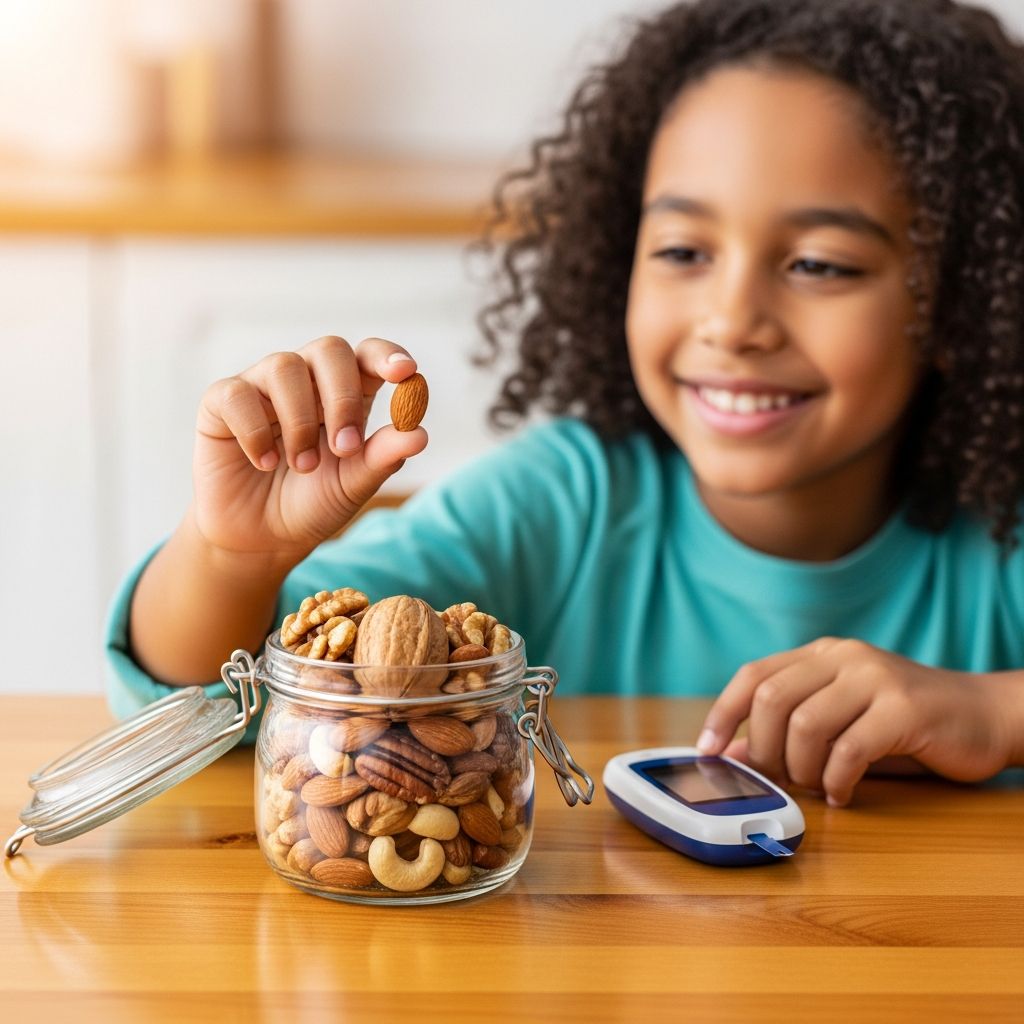
Yes, children with diabetes can safely eat nuts as part of a balanced diet. Nuts provide healthy fats, protein, and fiber with minimal carbohydrates, helping maintain stable blood glucose levels without requiring extra insulin doses.
Unlike carb-heavy foods like breads, fruits, or grains that directly raise blood sugar, nuts have a low glycemic impact, making them ideal snacks for kids managing type 1 or type 2 diabetes. Registered dietitian nutritionists recommend incorporating nuts into pediatric diabetes meal plans to promote nutrition, satiety, and steady energy.
Why Nuts Are Beneficial for Children with Diabetes
Nuts support diabetes management by slowing digestion and blunting post-meal blood sugar spikes. Their combination of unsaturated fats, protein, and fiber creates a low-carb profile that minimally affects glycemia.
- Low carbohydrate content: Most nuts contain 2-6 grams of net carbs per ounce, far less than fruits (15g+) or grains, allowing kids to snack without major insulin adjustments.
- Healthy fats for satiety: Monounsaturated and polyunsaturated fats help children feel full longer, reducing hunger-driven overeating and supporting weight management in type 2 diabetes.
- Protein for steady energy: 4-7 grams per ounce provides sustained energy and muscle support without converting significantly to glucose.
- Fiber for digestion: Soluble fiber slows carb absorption from mixed meals, improving overall glycemic control.
- Micronutrients: Magnesium, vitamin E, and antioxidants in nuts aid insulin sensitivity and reduce inflammation linked to diabetes complications.
Clinical evidence shows nuts lower postprandial glycemia in people with diabetes. For instance, mixed nuts reduced blood sugar responses compared to high-GI foods like white bread. Pediatric guidelines emphasize nuts alongside vegetables, whole grains, and lean proteins for optimal nutrition.
Nutritional Breakdown of Common Nuts
Understanding carb, fat, protein, and calorie content helps parents plan portions accurately. The table below shows per 1-ounce (28g) servings, suitable for children over age 4.
| Nut Type | Calories | Carbs (g) | Fiber (g) | Protein (g) | Fat (g) |
|---|---|---|---|---|---|
| Almonds (23 nuts) | 160 | 6 | 3.5 | 6 | 14 |
| Walnuts (14 halves) | 185 | 4 | 2 | 4 | 18 |
| Pecans (19 halves) | 200 | 4 | 3 | 3 | 20 |
| Peanuts (28 nuts) | 160 | 6 | 2.5 | 7 | 14 |
| Cashews (18 nuts) | 155 | 9 | 1 | 5 | 12 |
| Pistachios (49 kernels) | 160 | 8 | 3 | 6 | 13 |
Note: Data approximated from USDA standards; cashews have slightly higher carbs, so prioritize almonds or walnuts for lowest impact. All provide heart-healthy fats recommended in diabetes care standards.
Best Nuts and Seeds for Kids with Diabetes
Not all nuts are equal—choose unsalted, dry-roasted or raw varieties to avoid added sugars or sodium. Mix nuts and seeds for variety and enhanced nutrition.
- Almonds: Top choice for low carbs, high magnesium (80mg/oz) supporting glycemic control.
- Walnuts: Rich in omega-3s for anti-inflammatory benefits and brain health.
- Pistachios: Lower calorie with shelling slows eating, promoting portion control.
- Pecans and hazelnuts: Antioxidant-packed for long-term diabetes prevention.
- Seeds (chia, flax, pumpkin): Excellent alternatives; 1 Tbsp chia seeds has 5g fiber, 3g protein, negligible carbs.
Avoid honey-roasted, candied, or flavored nuts, as they add hidden sugars that spike blood glucose. Opt for bulk bins or single-ingredient packages.
Serving Sizes and Portion Control for Children
Portions depend on age, activity, and total daily carbs (typically 210-300g for kids). Start small to monitor blood sugar response.
| Age Group | Recommended Nut Portion | Approx. Carbs | Daily Carb Example |
|---|---|---|---|
| 2-5 years | 1 Tbsp (½ oz) | 2-3g | 210g total |
| 6-12 years | 1-2 Tbsp (1 oz) | 4-6g | 240-270g total |
| 13+ Girls | 1½ oz | 6-9g | 255g total |
| 13+ Boys | 2 oz | 8-12g | 300g total |
Measure with hands: 1 oz ≈ a small handful or golf ball size. For young kids, use 1 Tbsp to prevent overeating calories (160-200/oz). Track in apps like MyFitnessPal and pair with blood glucose checks.
Related Stories



Incorporating Nuts into Diabetes Meal Plans
Nuts fit seamlessly as snacks or meal add-ins. Pair with carbs to lower overall glycemic load.
- Snacks: 1 oz nuts + string cheese or veggie sticks (low-carb, 10-15g total carbs).
- Breakfast: Oatmeal topped with 1 Tbsp almonds and berries.
- Lunch: Turkey wrap with nuts on the side; or salad with walnuts.
- Dinner: Stir-fry with peanuts or cashews (count as protein).
- Dessert alternative: Greek yogurt with chia seeds.
Sample daily plan for a 10-year-old (270g carbs): Breakfast 60g, Lunch 75g, Dinner 90g, Snacks 15g x3—including nuts in PM snack.
Family-wide changes enhance success, especially for type 2 diabetes. Involve kids in choosing nuts to build healthy habits.
Potential Risks and Precautions
Nuts are calorie-dense, so excess can lead to weight gain. Choking hazard for under 4s—grind or supervise.
- Allergies: Common tree nut/peanut allergies; introduce early under medical guidance.
- Digestive issues: High fiber may cause bloating; start slow and hydrate.
- Salt/sugar: Choose unsalted to manage sodium for heart health.
- Portion creep: Pre-portion to avoid mindless munching.
Consult a pediatric dietitian for personalized carb counting and insulin matching.
Frequently Asked Questions (FAQs)
Q: Can nuts replace insulin for carb-heavy snacks?
A: No, but they require little/no extra insulin due to low carbs. Ideal for low-snack times (15g).
Q: Are nut butters okay for diabetic kids?
A: Yes, choose natural (just nuts) versions; 1 Tbsp ≈ 1 oz nuts, 2-4g net carbs. Avoid sweetened.
Q: Do all nuts affect blood sugar the same?
A: Mostly no, but cashews have more carbs. Test individual responses.
Q: How often can my child eat nuts?
A: 3-7 oz/week fits balanced diets; daily small portions encouraged.
Q: Are nuts safe for toddlers with diabetes?
A: From age 4+, smooth butters earlier. Whole nuts pose choking risk.
References
- Meal Planning for Children with Diabetes — Nationwide Children’s Hospital. 2023. https://www.nationwidechildrens.org/conditions/health-library/meal-planning-for-children-with-diabetes
- Nutrition and Meal Planning | Pediatric Diabetes Education — Dartmouth Health Children’s. 2024. https://childrens.dartmouth-health.org/diabetes-education/nutrition-and-meal-planning
- Best Diet for a Child with Type 1 Diabetes — Children’s Health. 2024. https://www.childrens.com/health-wellness/what-is-the-best-diet-for-a-child-with-type-1-diabetes
- 14. Children and Adolescents: Standards of Care in Diabetes—2025 — American Diabetes Association, Diabetes Care. 2025-01-01. https://diabetesjournals.org/care/article/48/Supplement_1/S283/157559/14-Children-and-Adolescents-Standards-of-Care-in
- Type 1 Diabetes Meal Planning for Children — Novo Nordisk Diabetes Education. 2024. https://diabeteseducation.novocare.com/healthy-eating/what-can-my-child-eat.html
- Nutrition Guidelines — University Health. 2023. https://www.universityhealth.com/-/media/Files/Services/Childrens/Diabetes/nutritional_guidelines.ashx
- Nuts in the Prevention and Management of Type 2 Diabetes — PMC / NIH. 2023-02-20. https://pmc.ncbi.nlm.nih.gov/articles/PMC9965730/
Similar Articles








Read full bio of Sneha Tete