Can People With Diabetes Drink Beer? Expert Tips For Safety
Discover if beer is safe for diabetes management, its effects on blood sugar, best choices, and expert tips for moderate drinking.
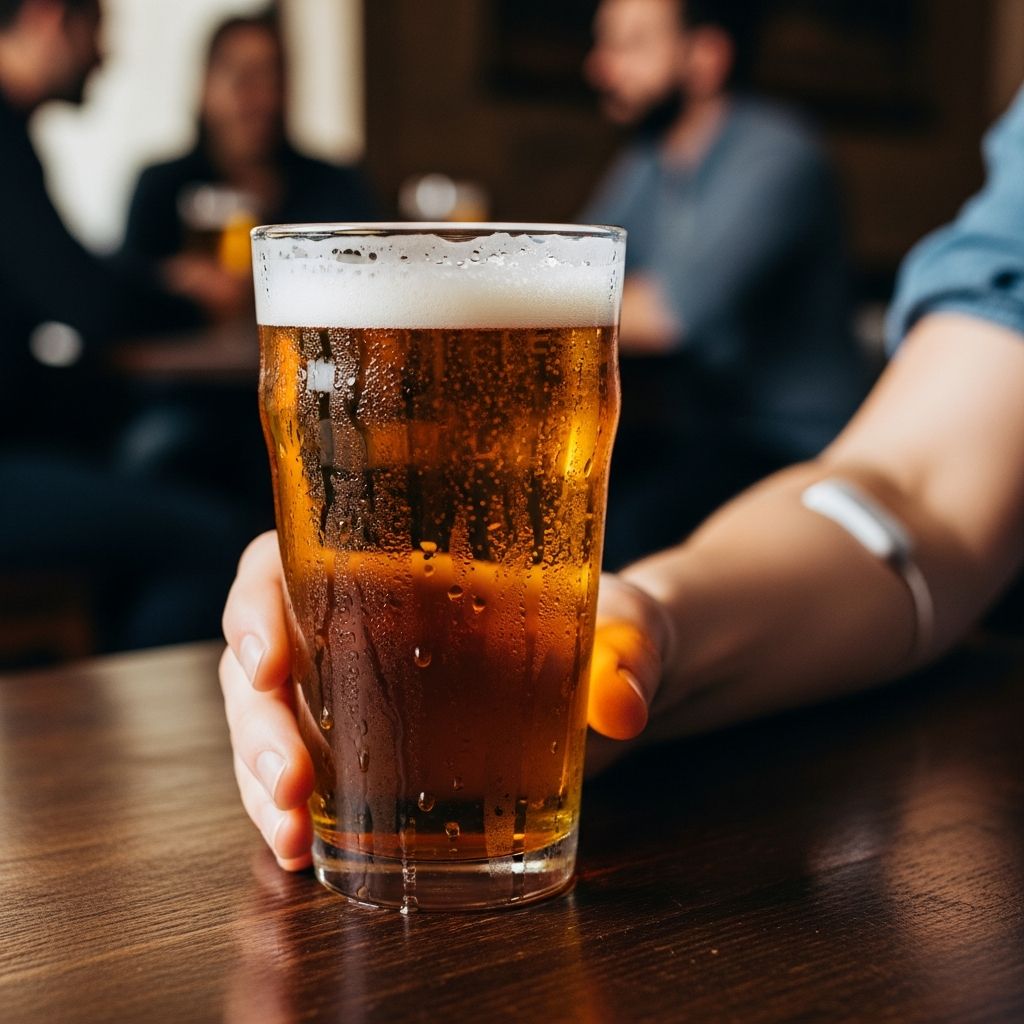
People with diabetes can drink beer in moderation, but it requires careful management due to its effects on blood glucose levels, potential for hypoglycemia, and calorie content. Beer contains carbohydrates that can spike blood sugar initially, while alcohol may later cause dangerous drops, especially for those on insulin or certain medications.
Health organizations like the American Diabetes Association (ADA) affirm that moderate alcohol consumption is possible unless contraindicated by a healthcare provider, but awareness of personal responses and precautions is essential. This article breaks down the science, risks, smarter choices, and practical tips to enjoy beer responsibly.
How Does Beer Affect Blood Sugar?
Beer influences blood glucose in complex ways, primarily through its carbohydrate content and alcohol’s metabolic interference. Carbohydrates in beer are absorbed quickly, raising blood sugar shortly after consumption. However, alcohol inhibits the liver’s glucose production, potentially leading to hypoglycemia up to 12 hours later.
For individuals with type 1 diabetes or type 2 on insulin, this risk heightens, as noted by the ADA. Symptoms of low blood sugar include fatigue, sweating, irregular heartbeat, confusion, and in severe cases, seizures. Additionally, alcohol stimulates appetite, promoting overeating and weight gain, which complicates diabetes control.
- Initial Spike: Carbs (4-15g per 12oz serving) elevate glucose rapidly.
- Later Drop: Alcohol disrupts gluconeogenesis, risking lows.
- Hormonal Interference: Reduces insulin sensitivity and affects regulatory hormones.
Empty stomach drinking exacerbates spikes and crashes; pairing with food stabilizes levels.
The Risks of Drinking Beer with Diabetes
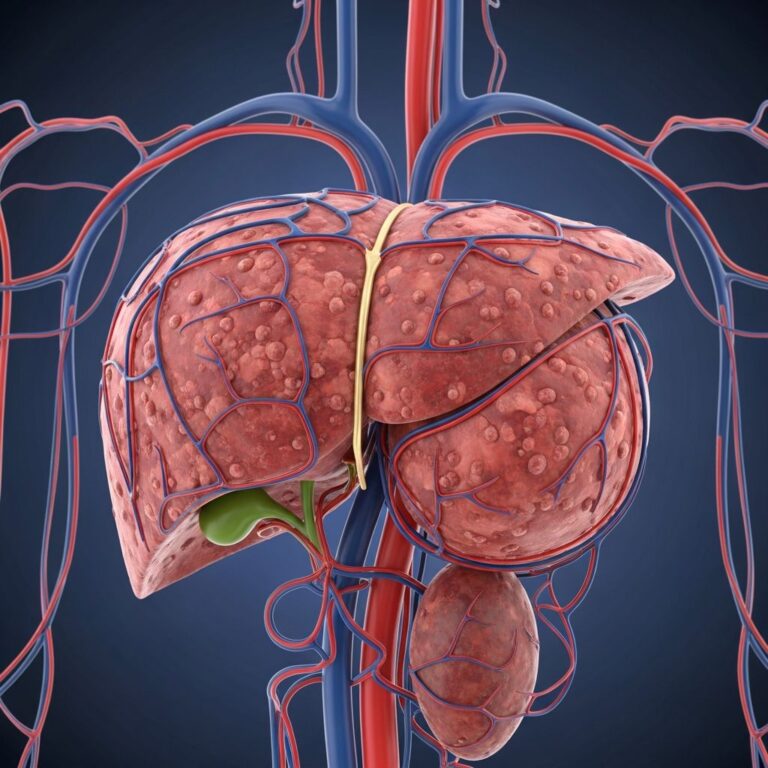
Beyond blood sugar fluctuations, beer poses risks to multiple organs and overall health in people with diabetes. Excessive intake links to pancreatitis, kidney strain, heart issues, gut disruption, and neuropathy.
| Organ/System | Impact from Beer/Alcohol | Source |
|---|---|---|
| Pancreas | Inflammation disrupts insulin production, risking pancreatitis | |
| Kidneys | Increased disease risk from dehydration and high glucose | |
| Heart | High glucose damages vessels; lows cause arrhythmias. Diabetes and heart disease often co-occur per CDC | |
| Gut | Inflammation alters microbiota, impairing glycemic control | |
| Extremities | Nerve damage (neuropathy) from sustained highs or alcohol |
Moderate intake may offer benefits like improved insulin sensitivity via adiponectin increase, potentially lowering type 2 diabetes risk in men. A Harvard study found occasional drinkers increasing to 1-2 drinks daily reduced risk by 25%, with better HbA1c. However, this does not endorse starting drinking; lifestyle changes remain primary.
Does the Type of Beer Matter for Diabetes?
Yes, beer type significantly affects blood sugar and calories. Standard 12oz beer (4-5% ABV) has 10-15g carbs; craft beers (up to 10% ABV) pack more carbs and calories. Draughts often exceed 12oz servings.
Low-carb beers (under 5g carbs) are preferable, offering fewer calories and gentler glucose impact. Avoid “diabetic” or low-sugar beers/ciders, as they contain higher alcohol without carb reduction. Lower-strength options help limit intake.
Related Stories



- Light Beers: 3-6g carbs, ideal for control.
- Regular Lagers: 10-13g carbs.
- IPAs/Crafts: 12-20g+ carbs, higher risk.
- Non-Alcoholic: Carb-heavy like sugary drinks; avoid.
Healthier Ways to Enjoy Beer with Diabetes
Moderation is key: ADA and UK guidelines suggest ≤1 drink/day for women, ≤2 for men (12oz beer = 1 drink). One drink equals 12oz beer, 5oz wine, or 1.5oz spirits.
Tips for safer enjoyment:
- Eat First: Balanced meal with protein, fiber, fats slows absorption.
- Monitor Glucose: Check before, during, after; effects linger 12+ hours.
- Hydrate: Alternate with water to counter dehydration.
- Avoid Post-Exercise: Compounded lows risky.
- No Bingeing: Increases hypo risk.
- Low-Carb Mixers: If mixing, use diet options.
Spirits with diet mixers or dry wines raise blood sugar less than carb-rich beers. Leptin suppression from alcohol boosts hunger; plan ahead.
Can Moderate Beer Intake Benefit Diabetes?
Some evidence suggests yes, particularly for type 2 prevention. Moderate consumption (1-2 drinks/day) links to better insulin sensitivity, higher adiponectin, and lower HbA1c. A 2011 Harvard study of middle-aged men showed risk reduction without endorsing new drinking habits. ADA notes potential glucose management aid.
Benefits weigh against risks; consult providers, especially with medications.
Frequently Asked Questions (FAQs)
Can people with diabetes drink beer at all?
Yes, in moderation if approved by your doctor. Limit to 1-2 drinks/day max, monitor blood sugar closely.
Does beer cause high or low blood sugar?
Initially high from carbs, later low from alcohol’s liver effects. Hypoglycemia risk peaks 12 hours post-drink.
Are low-carb beers safe for diabetics?
Better choice with fewer carbs/calories, but still drink moderately and eat food.
What is one standard drink of beer?
12 ounces of regular beer (5% ABV).
Should I avoid beer after exercise?
Yes, as both lower blood sugar, increasing hypo risk.
Does beer affect diabetes medications?
Can amplify insulin/sulfonylurea effects, heightening lows. Check with provider.
Is non-alcoholic beer okay?
Often carb-laden like soda; not ideal. Opt for low-carb alcoholic if choosing beer.
This comprehensive guide empowers informed choices. Always prioritize medical advice tailored to your health.
References
- Beer and Blood Sugar: Understanding the Impact on Glucose Levels — Nutrisense. 2023. https://www.nutrisense.io/blog/beer-and-blood-glucose-levels
- Blood Sugar and Beer – A Diabetes-Friendly Guide to Drinking — Brook.ai. 2023. https://brook.ai/blog/blood-sugar-and-beer
- Alcohol and diabetes | Managing your diabetes — Diabetes UK. 2024. https://www.diabetes.org.uk/living-with-diabetes/eating/what-to-drink-with-diabetes/alcohol-and-diabetes
- Moderate alcohol intake may decrease men’s risk for type 2 diabetes — Harvard T.H. Chan School of Public Health. 2011-02-15. https://hsph.harvard.edu/news/moderate-alcohol-intake-may-decrease-mens-risk-for-type-2-diabetes/
- Alcohol and Diabetes — American Diabetes Association. 2024. https://diabetes.org/health-wellness/alcohol-and-diabetes
Similar Articles








Read full bio of Sneha Tete