Can People With Diabetes Eat Bread? 4 Best Choices
Discover if bread fits into a diabetes-friendly diet, the best types to choose, and smart strategies for blood sugar control.
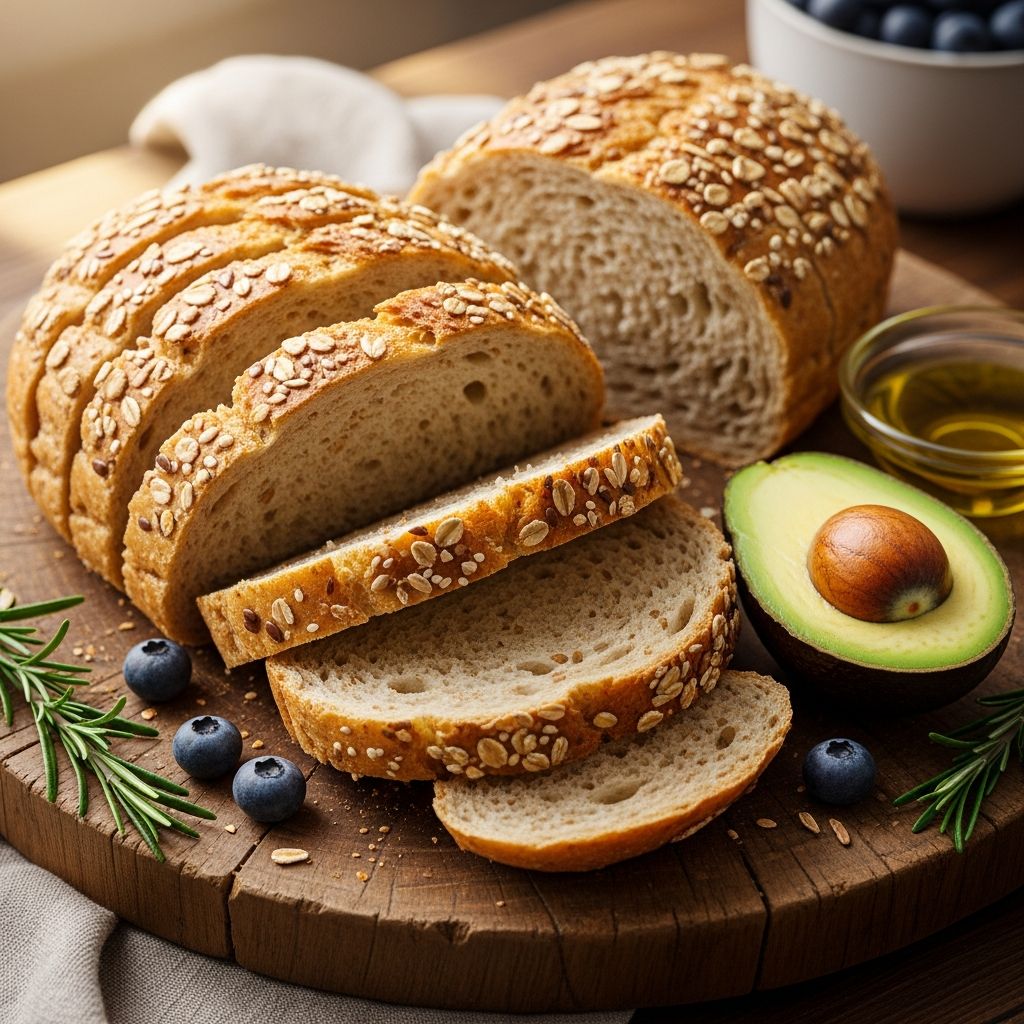
The short answer is yes—people with diabetes can eat bread, but the type, portion size, and how it’s paired matter greatly for managing blood sugar levels. Bread often gets a bad rap in diabetes management due to its carbohydrate content, which can spike glucose if not chosen wisely. However, selecting nutrient-dense options like whole grain breads high in fiber can support better glycemic control without eliminating this staple food entirely.
According to guidelines from the American Diabetes Association, prioritizing whole grains over refined varieties helps mitigate blood sugar spikes and lowers type 2 diabetes risk. This article breaks down the science, best choices, pitfalls to avoid, and practical tips, drawing from clinical insights and research on bread’s metabolic effects.
Why Bread Impacts Blood Sugar
Bread is primarily composed of carbohydrates, which break down into glucose during digestion, directly influencing blood sugar. Refined breads made from white flour have a high glycemic index (GI), causing rapid spikes, whereas whole grain breads with intact fibers slow digestion and absorption.
Fiber plays a crucial role: it delays gastric emptying and reduces postprandial glucose responses. Studies show whole grains are linked to improved insulin sensitivity and lower fasting blood glucose, especially in those with type 2 diabetes. For context, the average slice of white bread has about 15 grams of carbs and minimal fiber, while a whole grain slice might offer 3-5 grams of fiber alongside similar carbs, making a significant difference.
Best Breads for People with Diabetes
Opt for breads labeled ‘100% whole grain’ or ‘whole wheat’—check that ‘whole’ is the first ingredient. Aim for at least 3 grams of fiber per slice and under 1 gram of added sugar. Here are top recommendations:
- Whole Wheat Bread: 100% whole wheat provides steady energy with high fiber (3-5g/slice). Dave’s Killer Bread 100% Whole Wheat, for example, packs 21g carbs but 3g fiber per thin slice, minimizing spikes when portioned right.
- Pumpernickel and Rye: Dense, low-GI options with natural fibers that blunt glucose rises. Often under 12g net carbs per slice.
- Oat Bran or Multigrain: Blends of whole oats, seeds, and grains boost fiber to 4g+ per slice, supporting satiety and heart health.
- Sourdough (Whole Grain): Fermentation lowers GI, improving digestibility for some.
A table comparing common breads highlights key nutritional differences per slice (approx. 28g):
| Bread Type | Carbs (g) | Fiber (g) | Added Sugar (g) | GI Estimate |
|---|---|---|---|---|
| White Bread | 15 | 1 | 1-2 | High (70+) |
| 100% Whole Wheat | 12-20 | 3-5 | 0 | Medium (50-60) |
| Pumpernickel | 12 | 4 | 0 | Low (40-50) |
| Dave’s Killer Thin-Sliced | 13 | 3 | 0 | Medium |
Data synthesized from nutrition labels and ADA guidelines.
Breads to Limit or Avoid
Not all breads are created equal. Steer clear of these to prevent sharp blood sugar elevations:
- White or Enriched Breads: Refined flours strip fiber, leading to quick glucose surges.
- Sweetened Varieties: Those with high fructose corn syrup, molasses, dextrose, or dried fruits add unnecessary sugars.
- Dessert Breads: Cinnamon, honey wheat, or brioche-style are carb-heavy with low fiber.
- Low-Fiber Options: Anything under 2g fiber per slice, even if labeled ‘wheat.’
Related Stories



Always scan labels: if sugar appears in the top three ingredients, skip it.
How Much Bread Can You Eat?
Portion control is key. The ADA suggests 15-45g carbs per meal, depending on activity, meds, and targets. That’s typically 1-2 slices of quality bread:
- 1 slice: Ideal for open-faced sandwiches (10-20g carbs).
- 2 slices: For full sandwiches, pair with veggies/protein to balance (25-40g carbs).
Test your response with a glucometer—individual tolerance varies. Women or smaller individuals may thrive on half portions.
Smart Ways to Enjoy Bread Without Spikes
Context elevates bread from foe to friend. Implement these strategies:
- Pair with Protein and Fat: Turkey, avocado, or nut butter slows carb absorption.
- Add Veggies First: Eat salad or non-starchy veggies before bread to prime blunted spikes.
- Go Open-Faced: Halve bread use while doubling fillings.
- Choose Thin-Sliced: Cuts carbs by 20-30% without sacrificing flavor.
- Time It Right: With exercise or meds for optimal control.
Research on reformulated breads (high-fiber, whole grain) shows regular intake lowers fasting glucose in type 2 diabetes patients, confirming these choices’ long-term benefits.
Research on Bread and Glycemic Control
A 2023 systematic review of 22 RCTs (1037 participants) found reformulated breads—enriched with fiber, whole grains, or functional ingredients—reduced fasting blood glucose, particularly in type 2 diabetes (low certainty evidence). No broad effects on HbA1c or insulin, but promising for daily use.
Whole grains consistently link to lower T2DM risk via fiber’s role in insulin sensitivity. High-GI refined breads heighten risk, underscoring choice’s importance.
Frequently Asked Questions (FAQs)
Is Dave’s Killer Bread good for diabetes?
Yes, varieties like Thin-Sliced 21 Whole Grains and Seeds (13g carbs, 3g fiber per slice) are solid choices in moderation. Members report minimal spikes; pair wisely.
What’s the lowest carb bread for diabetics?
Pumpernickel, rye, or almond flour-based (under 10g net carbs) excel. Always verify labels.
Does toasting bread lower GI?
Slightly—it dries out starches, but whole grain selection trumps this.
Can bread cause diabetes?
Excess refined carbs contribute to risk, but whole grains protect. Balance is key.
How do I read bread labels for diabetes?
Seek ‘whole’ first, ≥3g fiber, ≤1g sugar per slice. Ignore ‘wheat’ without ‘whole.’
Consult a dietitian for personalized plans. Bread can fit diabetes management with informed choices.
References
- Best Bread for People with Diabetes: Options and What to Avoid — Healthgrades. 2024. https://resources.healthgrades.com/right-care/diabetes/best-bread-for-diabetics
- The Effect of Regular Consumption of Reformulated Breads on Glycemic Control — PMC/NCBI (Nutrients Journal). 2023-04-11. https://pmc.ncbi.nlm.nih.gov/articles/PMC10102991/
- Is Dave’s Killer Bread a Good Option for Diabetes? — DiabetesTeam. 2024. https://www.diabetesteam.com/resources/is-daves-killer-bread-a-good-option-for-diabetes
Similar Articles








Read full bio of Sneha Tete