Cereal For Diabetes: 7 Diabetes-Friendly Breakfast Choices
Discover if cereal fits into a diabetes-friendly diet, learn to choose the best options, and get expert tips for stable blood sugar.
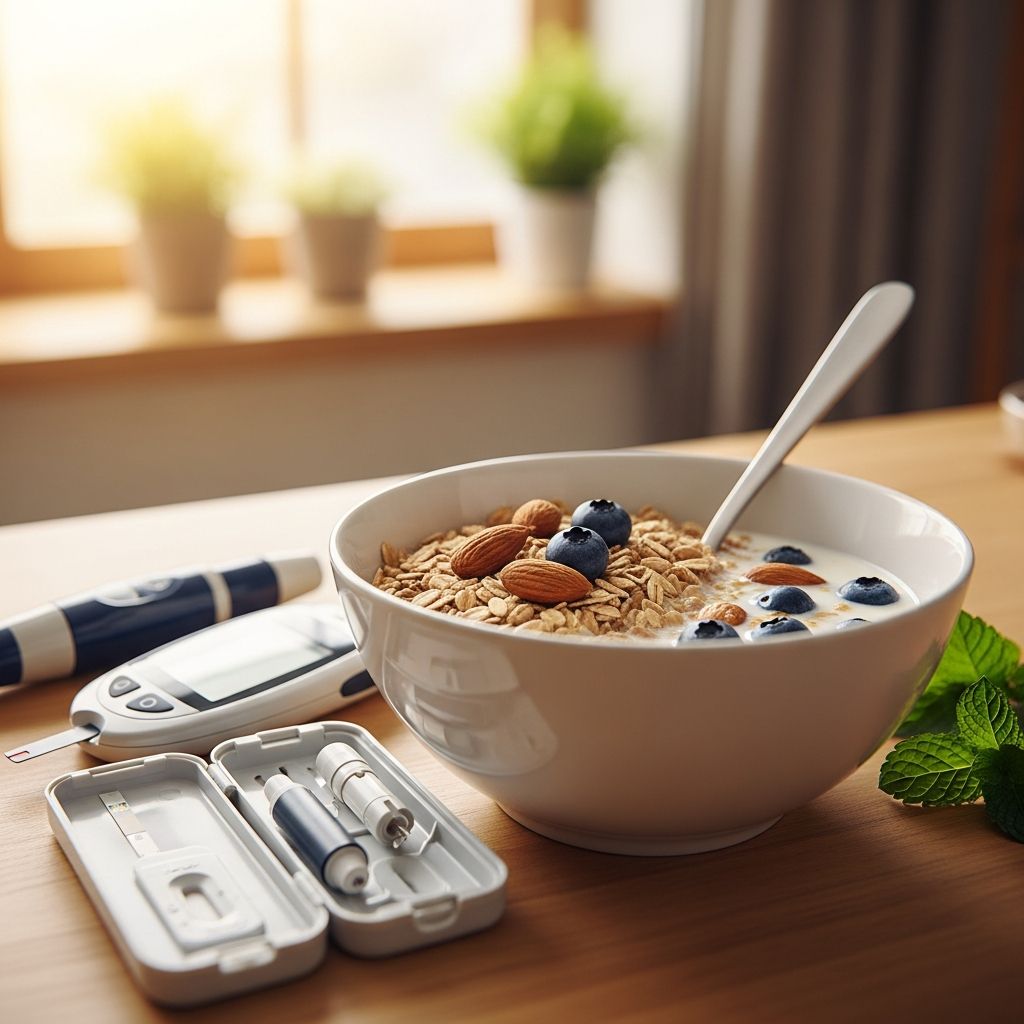
People with diabetes can enjoy cereal as part of a balanced breakfast when selecting options low in added sugars, high in fiber, and made from whole grains. These choices help prevent rapid blood sugar spikes by promoting slower digestion and steady glucose release.
What Makes Cereal Diabetes-Friendly?
The key to diabetes-friendly cereal lies in its ingredients and nutritional profile. Cereals made from whole grains like oats, bran, or wheat provide dietary fiber that slows carbohydrate absorption, reducing post-meal blood sugar rises. A meta-analysis of studies involving over 434,000 participants found that higher whole grain and cereal intake is inversely associated with type 2 diabetes risk, with each additional serving linked to better glucose control.
Focus on these criteria:
- High fiber: At least 3-5 grams per serving to stabilize blood sugar and promote satiety.
- Low added sugars: Under 5 grams per serving to avoid unnecessary glucose spikes.
- Low glycemic index (GI): Preferably under 55, meaning slower digestion.
- Protein boost: Look for cereals with added protein or pair with milk/nuts.
- Net carbs: Aim for 20 grams or less per serving, accounting for fiber subtraction.
Refined grain cereals like cornflakes (GI 79) or those with high sugar cause quick blood sugar elevations, making them poor choices.
Best Cereals for People with Diabetes
Not all cereals are equal. Opt for those with proven low GI and high nutrient density. Wheat bran cereals top the list with a GI of 45, followed by oatmeal at 55.
| Breakfast Cereal | GI | Fiber (per serving) | Key Benefits |
|---|---|---|---|
| Wheat bran cereals (e.g., Kellogg’s All-Bran) | 45 | 7g+ (1/2 cup) | Rich in thiamine, iron, zinc; lowers T2D risk. |
| Oatmeal (regular, not instant) | 55 | 4-5g (1 cup) | Soluble fiber slows glucose release; fortified options available. |
| Muesli | 57 | 3-5g | Whole grains, nuts, minimal sugar varieties. |
| Quaker Oatmeal Squares or Arrowhead Mills Oat Bran Flakes | ~55 | 5g (1 cup) | Balanced carbs with protein and fiber. |
| Cream of Wheat | 66 | 3g | Better than rice-based; pair with protein. |
Avoid high-GI options like Grape-Nuts (75) or cornflakes (79). Emerging low-carb brands like Three Wishes (chickpea/pea protein base, 3g net carbs, 8g protein) or Catalina Crunch (5-7g net carbs, monk fruit sweetened) offer modern alternatives with high protein and fiber.
How Much Cereal Can You Eat with Diabetes?
Portion control is crucial. Standard servings are small—often 1/2 to 1 cup dry—but measure precisely to stay within carb limits (typically 30-45g per meal for diabetes management). Pairing cereal with protein-rich milk, Greek yogurt, or nuts further lowers the meal’s glycemic load. A 2018 study showed milk’s protein slows cereal’s glycemic response.
- Stick to 3/4 cup dry cereal + 1 cup unsweetened milk.
- Total meal carbs: Under 30g for stable blood sugar.
- Monitor post-meal glucose to personalize portions.
Whole grain cereals’ fiber content explains their benefits: they delay glucose availability, as confirmed in trials reducing postprandial insulin.
Homemade Cereals and Alternatives
DIY granola or overnight oats give full control over ingredients. Use old-fashioned oats, nuts, seeds, and cinnamon—sweeten with berries or a dash of monk fruit.
Recipe: Diabetes-Friendly Overnight Oats (Serves 1, ~25g carbs)
- 1/2 cup rolled oats
- 1 cup unsweetened almond milk
- 1 tbsp chia seeds
- 1/2 cup berries
- 1 tbsp almond butter
Mix and refrigerate overnight. GI ~50, high in fiber (8g+).
Other alternatives: Plain Greek yogurt with bran flakes or chia pudding.
7-Day Diabetes-Friendly Cereal Meal Plan
Incorporate cereal strategically for variety:
Related Stories



- Monday: 1/2 cup All-Bran + Greek yogurt + strawberries.
- Tuesday: Oatmeal + almonds + cinnamon.
- Wednesday: Muesli + unsweetened soy milk + chia.
- Thursday: Three Wishes Cinnamon + protein shake.
- Friday: Cream of Wheat + peanut butter + blueberries.
- Saturday: Homemade granola (oats, nuts) + kefir.
- Sunday: Arrowhead Mills Oat Bran + hard-boiled egg.
Each meal under 30g carbs, balanced with protein/fat.
Potential Downsides of Cereal for Diabetes
Even healthy cereals can pose risks if overeaten. Large portions spike blood sugar despite fiber. Instant oats (GI 79) or flavored varieties add hidden sugars. Always check labels—’healthy’ claims may mask high carbs. Those with gluten sensitivity should choose certified gluten-free oats.
Frequently Asked Questions (FAQs)
What is the best cereal for diabetes?
Wheat bran cereals like Kellogg’s All-Bran (GI 45, 7g fiber) or high-protein options like Three Wishes.
Is oatmeal good for diabetes?
Yes, regular oatmeal (GI 55) is excellent due to beta-glucan fiber; avoid instant sweetened types.
Can I eat cereal every day with diabetes?
Yes, in controlled portions with protein pairings, as whole grains reduce T2D risk.
What cereal has the lowest glycemic index?
Wheat bran cereals at GI 45.
Is Special K OK for diabetics?
Rice-based Special K (GI 69) is moderate; choose multigrain or oats & honey varieties sparingly.
How do you eat cereal without spiking blood sugar?
Choose high-fiber/low-GI, small portions, add protein/fat, test glucose after eating.
Bottom Line
Cereal can be a convenient, nutritious breakfast for diabetes when chosen wisely. Prioritize whole grains, monitor portions, and balance with proteins for optimal blood sugar control. Consult a dietitian for personalized advice.
References
- Whole grain and cereal fiber intake and the risk of type 2 diabetes — PMC/NCBI. 2019-07-26. https://pmc.ncbi.nlm.nih.gov/articles/PMC6627783/
- The Best Cereal for People with Diabetes — YouTube (Erin Palinski-Wade, RD, CDCES). Accessed 2026. https://www.youtube.com/watch?v=PYP_oIcjzhw
- Healthy Cereal Brands for Diabetes — Healthline. 2023-09-29 (reviewed). https://www.healthline.com/health/diabetes-healthy-cereal-brands
Similar Articles








Read full bio of medha deb