Can People With Diabetes Eat Pasta? 3 Easy Recipes & Low-GI Tips
Discover if pasta fits into a diabetes-friendly diet, plus tips for choosing types, portions, and recipes that support blood sugar control.
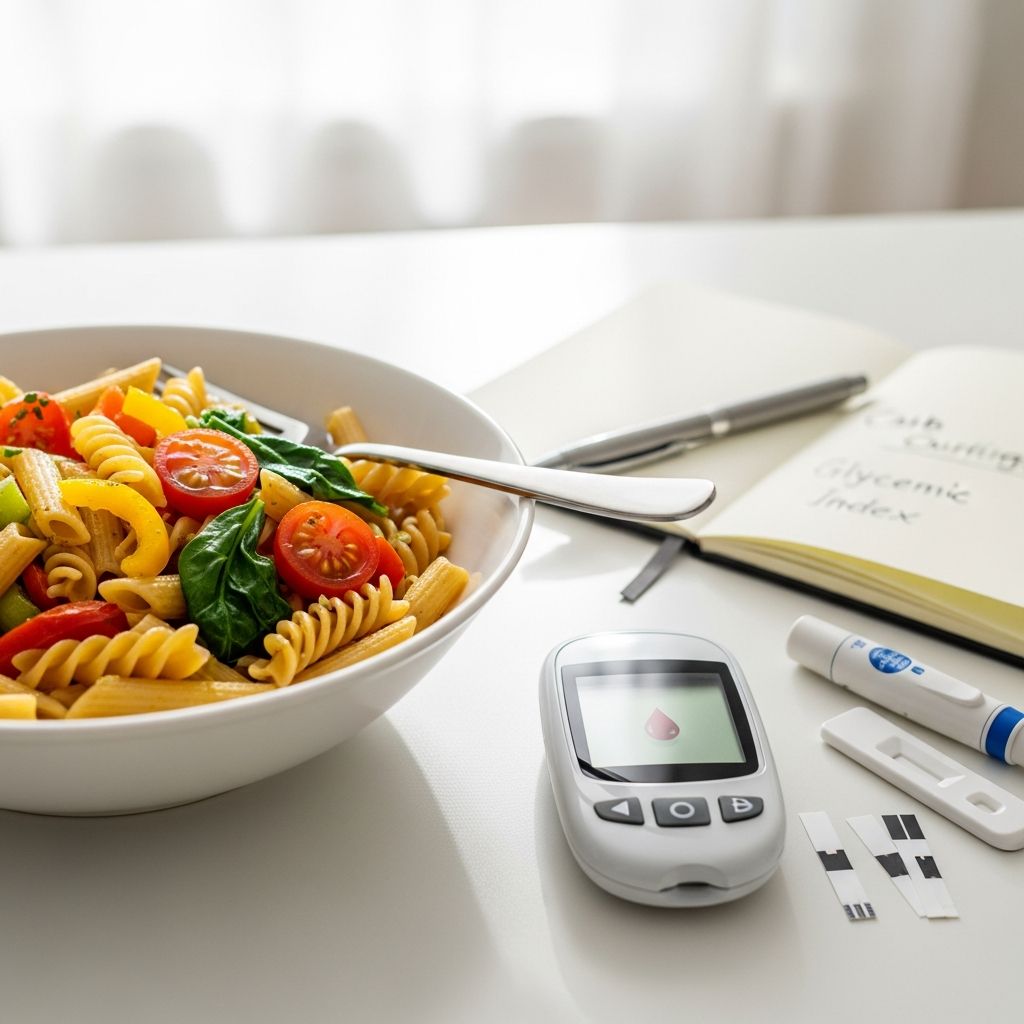
People with diabetes often wonder if they can enjoy pasta without spiking their blood sugar. The answer is yes—pasta can be part of a balanced diabetes-friendly diet when chosen and prepared thoughtfully. Unlike refined white pasta, which has a higher glycemic index (GI), certain types like whole-grain or legume-based pasta offer slower digestion, better blood sugar control, and added nutritional benefits. Research shows pasta meals do not increase type 2 diabetes risk and may even lower cardiovascular risks when substituted for higher-GI foods like white bread or fried potatoes.
What Is the Glycemic Index and Why Does It Matter for Pasta?
The
glycemic index (GI)
measures how quickly a food raises blood glucose levels. Foods are categorized as low-GI (under 55), medium-GI (56-69), or high-GI (70+). For diabetes management, low-GI foods are ideal because they cause gradual blood sugar rises, improving insulin sensitivity and long-term glucose control.Pasta’s unique structure—dense gluten matrix trapping starches—gives it a surprisingly low GI, typically 40-50 for al dente cooked varieties, lower than white bread (GI ~75) or potatoes (GI ~80-90). A large prospective study of postmenopausal women found higher pasta intake linked to no increased diabetes risk (HR=1.02) and reduced stroke (HR=0.84) and ASCVD (HR=0.89) risks. Low-GI pasta supports steady energy without sharp spikes, making it suitable for diabetes.
- Low-GI pasta examples: Whole-wheat spaghetti (GI 37), lentil pasta (GI ~30), chickpea pasta.
- High-GI pitfalls: Overcooked white pasta (GI up to 60+), paired with sugary sauces.
Can Pasta Be Part of a Diabetes Diet?
Absolutely. Guidelines from the American Diabetes Association (ADA) endorse carbohydrate-inclusive diets, emphasizing quality over elimination. Pasta provides complex carbs, fiber, B vitamins, and protein (especially in whole-grain forms), fitting into meal planning via plate method (¼ plate carbs) or carb counting (45-60g per meal).
Evidence from cohort studies confirms pasta does not adversely affect diabetes risk and may benefit heart health when replacing less healthy starches. In Italian cohorts, higher pasta intake correlated with lower BMI and better Mediterranean diet adherence, independent of total energy. Pair pasta with non-starchy veggies, lean proteins, and healthy fats for optimal blood sugar response.
| Pasta Type | GI Range | Fiber (g per 2oz dry) | Best For Diabetes? |
|---|---|---|---|
| White Spaghetti | 45-55 | 2-3 | Moderate; cook al dente |
| Whole-Wheat | 37-50 | 5-6 | Yes; higher fiber |
| Lentil/Chickpea | 25-35 | 8-11 | Excellent; protein boost |
| Konjac (Shirataki) | <10 | 0 (but zero net carbs) | Ideal; nearly carb-free |
Healthiest Types of Pasta for Diabetes
Opt for these diabetes-friendly options to maximize fiber, protein, and lower GI:
- Whole-grain pasta: Made from whole wheat, oats, or barley; higher fiber slows digestion.
- Legume pasta (lentil, chickpea, black bean): 20-25g protein per serving, low net carbs (after subtracting fiber).
- Vegetable-based (zucchini noodles, spaghetti squash): Ultra-low carb alternatives mimicking pasta texture.
- Konjac or hearts of palm pasta: Near-zero carbs, high water content for volume without calories.
Related Stories



Avoid or limit enriched white pasta; its rapid starch breakdown can elevate post-meal glucose. Studies show legume pastas produce lower insulin responses than wheat-based ones.
How to Cook Pasta for Better Blood Sugar Control
Cooking method impacts GI.
Cook al dente
(firm to bite) to keep starch trapped, reducing GI by 10-20 points. Overcooking gelatinizes starches, making them digest faster.Try the
cooling trick
: Cook pasta, chill in fridge 24+ hours, then reheat. This triggers starch retrogradation, forming resistant starch (RS)—undigested by small intestine, fermented in colon like fiber. RS lowers effective calories by 10-20%, blunts glucose spikes, and feeds gut bacteria for better insulin sensitivity. Works for pasta, rice, potatoes; reheating preserves most benefits.- Steps for resistant starch pasta:
- Cook al dente, rinse in cold water.
- Refrigerate 12-24 hours.
- Reheat gently (stir-fry or microwave).
- Result: More filling, fewer net carbs.
Pasta Portion Sizes for Diabetes
Portion control prevents carb overload. Standard serving: 1/3 cup dry (~15-20g carbs cooked). Use measuring tools initially:
- 1 oz dry (~½ cup cooked) = 20g carbs for snacks.
- 2 oz dry (~1 cup cooked) = 40-45g carbs for meals.
- Visual: Fist-sized portion cooked.
Combine with ½ plate veggies, ¼ protein (e.g., chicken, tofu). Tools like MyFitnessPal help track. Studies link controlled portions to stable A1C levels.
Delicious Diabetes-Friendly Pasta Recipes
1. Lemon Garlic Chickpea Pasta (Serves 4, ~30g carbs/serving)
Ingredients: 8oz chickpea pasta, 4 cups zucchini noodles, 4oz shrimp, 2 tbsp olive oil, garlic, lemon zest, spinach, Parmesan.
- Cook pasta al dente, chill overnight for RS.
- Sauté garlic/oil, add shrimp/zucchini 3 min.
- Toss with reheated pasta, spinach, lemon; top with cheese.
Net carbs: 25g. High protein/fiber stabilizes glucose.
2. Whole-Wheat Pesto Veggie Primavera (Serves 4, ~35g carbs)
Ingredients: 8oz whole-wheat penne, broccoli, cherry tomatoes, basil pesto (low-sugar), grilled chicken, pine nuts.
- Boil pasta al dente; cool if possible.
- Steam broccoli; mix with pesto, tomatoes, chicken.
- Combine warm; garnish nuts.
3. Shirataki Spaghetti Bolognese (Serves 4, <10g carbs)
Ingredients: 2 packs shirataki, 1lb lean turkey, zucchini, low-sugar marinara, herbs.
- Rinse/dry shirataki; dry-fry 2 min.
- Brown turkey, add sauce/veggies; simmer.
- Serve over noodles.
Common Mistakes to Avoid with Pasta and Diabetes
- Overportioning: Eyeballing leads to 2x carbs.
- Sugary sauces: Choose olive oil, tomato-based, or pesto over cream/alfredo.
- Skipping protein/fiber: Bare pasta spikes sugar; always balance.
- Overcooking: Soft pasta = higher GI.
- Ignoring labels: ‘Whole grain’ must be first ingredient.
Frequently Asked Questions (FAQs)
Is all pasta bad for diabetes?
No. Low-GI types like whole-grain or legume pasta are beneficial; studies show no diabetes risk increase.
Does refrigerating pasta lower its glycemic impact?
Yes, cooling forms resistant starch, reducing digestible carbs and glucose spikes even after reheating.
How much pasta can I eat with diabetes?
1-2 oz dry per meal (40-50g carbs total), adjusted for activity/medicine. Consult your doctor.
Is pasta healthier than rice for blood sugar?
Often yes—pasta’s lower GI (45 vs. white rice 70+). Brown rice or cooled rice competes well.
Can pasta cause weight gain in diabetes?
Not inherently; controlled portions in balanced meals support weight management. Higher pasta intake linked to lower BMI in some studies.
Final Thoughts on Pasta and Diabetes Management
Pasta doesn’t have to be off-limits. With smart swaps, cooking hacks like cooling for resistant starch, and portion awareness, it enhances dietary variety without compromising control. Long-term data supports pasta’s neutral-to-positive role in diabetes and heart health. Experiment with recipes, monitor glucose, and personalize with your healthcare team for sustainable eating.
References
- Pasta meal intake in relation to risks of type 2 diabetes and atherosclerotic cardiovascular disease: a prospective cohort study from the UK Women’s Cohort Study. — BMJ Open. 2021-07-05. https://pmc.ncbi.nlm.nih.gov/articles/PMC8258098/
- Does cooling starchy food after cooking really lower its calories? — Ohio State University Wexner Medical Center. 2023 (accessed 2026). https://health.osu.edu/wellness/exercise-and-nutrition/cooling-pasta-changes-starch
Similar Articles








Read full bio of medha deb