Can People With Diabetes Eat Potatoes? 5 Smart Ways
Discover if potatoes fit into a diabetes-friendly diet, the best preparation methods, and healthier swaps for better blood sugar control.

People with diabetes can eat potatoes, but preparation method, portion size, and food pairings significantly affect blood sugar levels. Potatoes have a high glycemic index due to their starch content, which can cause rapid glucose spikes if not managed properly.
Registered dietitians emphasize that while potatoes offer nutrients like vitamin C, potassium, and fiber (especially with skin), their impact on diabetes depends on cooking style—boiling is better than frying—and combining them with proteins, fats, and fibers to slow digestion. Recent cohort studies confirm French fries raise type 2 diabetes (T2D) risk by 20% with three weekly servings, while baked, boiled, or mashed potatoes show no significant association.
What Is the Glycemic Index?
The glycemic index (GI) measures how quickly foods raise blood glucose on a scale of 0-100, with pure glucose at 100. Low-GI foods (under 55) cause gradual rises; high-GI (over 70) cause sharp spikes.
Potatoes typically have a high GI (70-90+), but this varies: boiled new potatoes score around 60 (medium), while instant mashed or French fries exceed 80 (high). Cooling cooked potatoes forms resistant starch, lowering effective GI by 20-30%. For diabetes management, pair high-GI potatoes with low-GI foods like vegetables or lean proteins to blunt spikes.
Are Potatoes Healthy for People with Diabetes?
Potatoes provide potassium (more per serving than bananas), vitamin C, B6, and fiber in skins, supporting heart health crucial for diabetics. A medium potato has 620mg potassium, aiding blood pressure control. However, their starch converts quickly to glucose, posing risks without balance.
Harvard studies of over 205,000 participants over 30+ years link higher potato intake to T2D risk: each 3 weekly servings raise risk 5%, French fries 20%. Swapping potatoes for whole grains cuts risk 4-19%. Thus, potatoes are healthy in moderation with strategic prep, not elimination.
Which Cooking Methods Are Best for Blood Sugar Control?
Cooking alters potato starch digestibility, impacting GI and blood sugar.
- Boiling: Lowest GI (60-70); intact starch resists breakdown. Best for diabetes.
- Baking: Medium-high GI (80+); dry heat gelatinizes starch. Eat with skin, cool post-bake.
- Mashing: High GI if hot/instant (85+); lower if cooled overnight for resistant starch.
- French fries/potato chips: Highest GI (90+), plus added fats/salt raise risks. Limit severely.
- Microwaving: Similar to baking; quick but high GI.
Tip: Cool all cooked potatoes 12-24 hours to boost resistant starch, acting like fiber to stabilize glucose.
Potato Nutrition Facts
| Nutrient (Medium Russet Potato, Baked, Flesh & Skin) | Amount | % Daily Value* |
|---|---|---|
| Calories | 161 | 8% |
| Carbs | 37g | 13% |
| Fiber | 4.4g | 16% |
| Potassium | 897mg | 19% |
| Vitamin C | 11.8mg | 13% |
| Vitamin B6 | 0.3mg | 18% |
| *Based on 2,000-calorie diet. Skin boosts fiber/potassium. | ||
Portion Size Recommendations
Aim for ½-1 small potato (80-130g) per meal, about 15-25g carbs. This fits most diabetes plate methods: ¼ plate starchy foods. Track total carbs (30-45g/meal typical target). Visual: fist-sized portion.
Overeating even healthy-prepped potatoes spikes glucose. Use apps like MyFitnessPal for precision.
Best Ways to Pair Potatoes with Other Foods
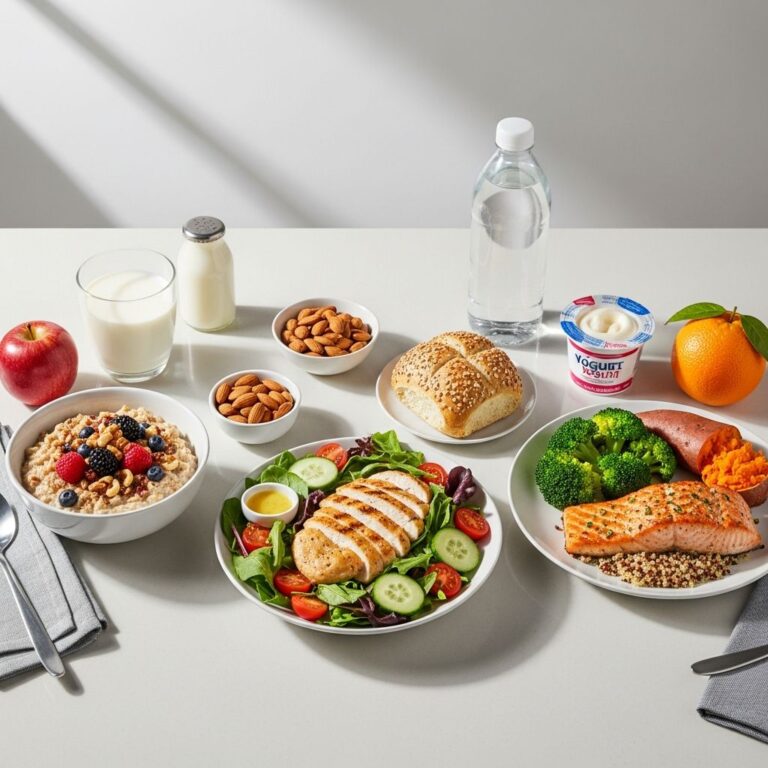
Balance plates to lower meal GI:
- Proteins: Grilled chicken, fish, eggs, tofu (15-30g/serving).
- Healthy fats: Olive oil, avocado, nuts (1-2 tsp oil).
- Fiber-rich veggies: Broccoli, spinach, salad (half plate).
- Avoid: Extra butter, cheese, sour cream; opt for Greek yogurt, herbs.
Example: Boiled potato + salmon + asparagus + olive oil drizzle stabilizes glucose better than potato alone.
Related Stories



Healthy Potato Recipes for People with Diabetes
Herbed Boiled New Potatoes
Servings: 4 | Carbs: 20g/serving
- 1 lb baby potatoes, halved
- 2 tsp olive oil
- 2 tbsp fresh dill/parsley, chopped
- 1 garlic clove, minced
- Salt/pepper to taste
Boil potatoes 15-20 min until tender. Drain, toss with oil, herbs, garlic. Cool 30 min. Serve warm/room temp.
Loaded Baked Potato (Diabetes-Friendly)
Servings: 1 | Carbs: 30g
- 1 small russet potato
- ¼ cup nonfat Greek yogurt
- 2 tbsp chopped broccoli
- 1 tbsp chives
- Black pepper
Bake 45 min at 400°F. Split, top with yogurt, broccoli, chives. Resistant starch forms if cooled.
Potato and Green Bean Salad
Servings: 6 | Carbs: 18g/serving
- 1.5 lb red potatoes, quartered
- ½ lb green beans
- ¼ cup vinaigrette (olive oil-based)
- 2 tbsp mustard
- Fresh herbs
Boil potatoes/beans 10-12 min. Cool, toss with dressing. Chill overnight for max resistant starch.
What To Know About Sweet Potatoes
Sweet potatoes have medium GI (45-60 boiled), richer in beta-carotene/antioxidants. Similar carbs (24g/medium), but slower digestion. Prep same way: boil/bake with skin. Versatile swap for white potatoes.
Substitutes for Potatoes
Lower-GI alternatives:
| Food | GI | Carbs/Serving |
|---|---|---|
| Quinoa | 53 | 39g/cup |
| Sweet potato (boiled) | 46 | 24g/medium |
| Brown rice | 50 | 45g/cup |
| Whole wheat pasta | 42 | 37g/cup |
| Cauliflower mash | 15 | 5g/cup |
Whole grains reduce T2D risk 4-19% vs. potatoes.
Bottom Line
Potatoes aren’t off-limits for diabetes; choose boiling/cooling, small portions, balanced meals. Limit French fries. Sub whole grains for optimal control. Consult RD for personalized plans.
Frequently Asked Questions (FAQs)
Can diabetics eat potatoes every day?
Yes, in moderation (½ potato/day) with balanced meals. Monitor glucose response.
Are cold potatoes better for blood sugar?
Yes, cooling forms resistant starch, lowering GI by 20-30%.
Do sweet potatoes spike blood sugar less?
Generally yes, medium GI vs. high for white potatoes.
How many carbs in a small potato?
About 15-20g net carbs.
Are French fries okay occasionally?
Limit; linked to 20% higher T2D risk.
References
- Potatoes may increase risk of type 2 diabetes—depending on their preparation — Harvard T.H. Chan School of Public Health. 2025-08-06. https://hsph.harvard.edu/news/potatoes-may-increase-risk-of-type-2-diabetes-depending-on-their-preparation/
- Potato Consumption and Risk of Type 2 Diabetes — National Institutes of Health (PMC). 2016-01-13. https://pmc.ncbi.nlm.nih.gov/articles/PMC4764041/
- Depending on How You Prepare Potatoes, It Could Raise Your Diabetes Risk — Discover Magazine. 2016. https://www.discovermagazine.com/depending-on-how-you-prepare-potatoes-it-could-raise-your-diabetes-risk-47897
Similar Articles








Read full bio of Sneha Tete