Can Prescribed Laughter Help People Recover from Trauma?
Exploring the science and real-world applications of laughter therapy in trauma recovery and mental health improvement.

Laughter therapy, also known as humor therapy, shows promising potential in aiding recovery from trauma by reducing stress hormones, elevating mood, and fostering emotional resilience through the release of endorphins and dopamine.
What is laughter therapy?
Laughter therapy utilizes structured humor to promote well-being and alleviate emotional distress associated with trauma. It involves techniques like laughter yoga, group laughter exercises, and therapeutic clowning to induce genuine laughter, which triggers physiological responses such as decreased cortisol levels and increased oxygen intake.
Originating from observations like Norman Cousins’ self-prescribed “laughter doses” via comedy films during his severe illness, this approach has evolved into formal programs. Cousins reported reduced pain and extended life expectancy, sparking research into laughter’s healing effects on mood, pain, and immune function.
The science behind laughter and trauma recovery
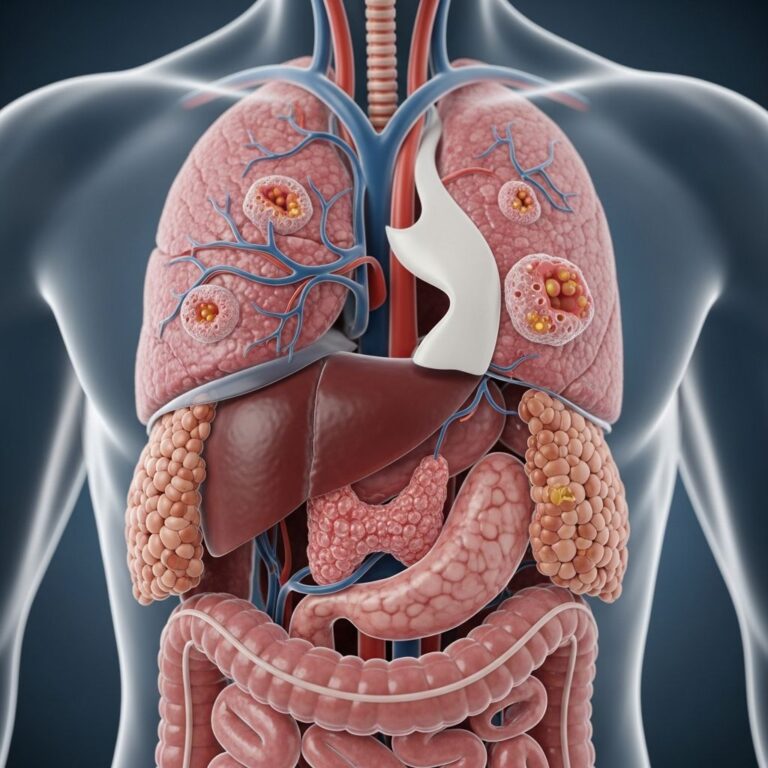
Laughter impacts trauma recovery by counteracting the body’s stress response. Trauma often elevates chronic stress hormones like cortisol, leading to anxiety, depression, and weakened immunity. Laughter interrupts this cycle by stimulating endorphin release, lowering blood pressure, heart rate, and glucose levels while enhancing natural killer cell activity.
Physiologically, laughing floods the body with oxygen-rich blood, relaxes muscles, improves digestion, and boosts cardiovascular health. These effects help trauma survivors manage hyperarousal symptoms, such as elevated respiratory rates and tension.
In mental health contexts, laughter enhances cognitive functions like memory, creativity, and problem-solving, crucial for processing traumatic memories. It reframes negative experiences, building resilience against setbacks common in recovery.
Physiological benefits of laughter
- Stress and anxiety reduction: Laughter diminishes stress hormones, promoting relaxation and calm, vital for trauma-related hypervigilance.
- Mood elevation: Endorphins and dopamine release combat depression, breaking cycles of pain, sleep loss, and immunosuppression.
- Immune boost: Increases gamma interferon, T-cells, and natural killer cells, aiding recovery from trauma-induced immune suppression.
- Pain management: Elevates pain thresholds, helping those with trauma-related chronic pain.
- Cardiovascular improvements: Lowers blood pressure and heart rate, reducing physical manifestations of anxiety.
Psychological benefits in trauma and mental health
Psychologically, laughter fosters resilience, enabling trauma survivors to view challenges optimistically. In recovery settings, it deepens group connections, reframes setbacks as growth opportunities, and encourages open discussions on sensitive topics.
For conditions like PTSD, laughter therapy reduces symptom severity, improves sleep quality, and enhances emotional regulation. Studies on Parkinson’s patients show reduced anxiety and better sleep, suggesting broader applicability to trauma.
Humor also builds coping skills by providing a lighthearted perspective on difficulties, moderating stress hormones and boosting emotional resilience.
Laughter therapy in clinical practice
Clinicians increasingly integrate laughter into trauma care. Cardiologists like Dr. Jonathan Fisher recommend it for trauma patients, citing reductions in anxiety, pain, and depression.
Related Stories



In addiction recovery, akin to trauma treatment, programs at centers like Refresh Recovery incorporate comedy workshops and humorous group therapy, leading to better cognitive flexibility and communication.
Laughter yoga, developed in India, uses simulated laughter to achieve genuine effects, showing significant improvements in positive emotions and stress reduction.
| Application | Benefits Observed | Source |
|---|---|---|
| Cancer/Trauma Patients | Reduced pain, improved mood | |
| Addiction Recovery | Enhanced resilience, group bonding | |
| Parkinson’s/Stress | Better sleep, lower anxiety | |
| General Mental Health | Increased creativity, coping skills |
Real-life success stories
Norman Cousins’ story exemplifies laughter’s power: Diagnosed with a debilitating condition, he used comedy films to manage pain, living 25 more years and inspiring medical research.
In modern recovery programs, clients report profound relief from shared laughter in group sessions, reframing addiction or trauma journeys positively. One center notes clients gaining hope by finding humor in past mistakes, sustaining sobriety.
Therapeutic clowns in hospitals elicit laughter from children post-trauma, reducing fear and promoting healing through play.
How to incorporate laughter into trauma recovery
- Daily practices: Watch comedies, join laughter yoga classes, or share jokes with support groups.
- Professional integration: Seek therapists offering humor-based CBT or group laughter sessions.
- Self-prescribed doses: Schedule 30 minutes weekly of laughter-inducing activities, as studies show sustained well-being benefits.
- Community clubs: Participate in laughter clubs for social support and mental fitness.
Start small: Mimic laughter for 10-15 minutes daily to trigger real benefits, gradually building resilience.
Potential limitations and considerations
While beneficial, laughter therapy complements, not replaces, standard trauma treatments like EMDR or medication. Not all trauma survivors respond equally; forced humor may backfire if insensitive.
Evidence is promising but calls for more randomized trials specific to PTSD. Individualize approaches, ensuring cultural sensitivity in humor.
Frequently Asked Questions (FAQs)
What is prescribed laughter?
A therapeutic recommendation to engage in laughter-inducing activities to manage trauma symptoms, supported by evidence of physiological benefits.
Can laughter really heal trauma?
It aids recovery by reducing stress and building resilience but works best alongside conventional therapies.
How does laughter affect the brain?
Releases endorphins, dopamine; improves cognitive function, mood, and pain tolerance.
Is laughter yoga effective for trauma?
Yes, it reduces anxiety and enhances sleep, per studies on stress-related conditions.
How often should one practice laughter therapy?
30 minutes weekly shows well-being improvements; daily short sessions amplify effects.
Conclusion
Prescribed laughter offers a accessible, evidence-based tool for trauma recovery, enhancing physical and psychological health. By integrating it thoughtfully, individuals can foster joy amid healing.
References
- How Humor Can Help in Addiction Recovery — Refresh Recovery Centers. 2024. https://www.refreshrecoverycenters.com/how-humor-can-help-in-addiction-recovery/
- Laughter therapy (humor therapy) — EBSCO Research Starters. Accessed 2026. https://www.ebsco.com/research-starters/consumer-health/laughter-therapy-humor-therapy
- Why Laughter Is Good for Mental Health — PrairieCare. Accessed 2026. https://prairie-care.com/humor-and-mental-health/
- Why laughter can be such powerful medicine — Novant Health. Accessed 2026. https://www.novanthealth.org/healthy-headlines/why-laughter-can-be-such-powerful-medicine
- Laughter Is the Best Medicine — Psychiatric Times. Accessed 2026. https://www.psychiatrictimes.com/view/laughter-best-medicine
- The Healing Power of Laughter: How Humor Affects Your Mental Health — Jackson House Cares. 2024-04. https://www.jacksonhousecares.com/blog/posts/2024/april/the-healing-power-of-laughter-how-humor-affects-your-mental-health/
- Humor in medicine: Can laughter help in healing? — PMC – NIH. 2017. https://pmc.ncbi.nlm.nih.gov/articles/PMC5468052/
Similar Articles








Read full bio of medha deb