Can Probiotics Help With Acid Reflux? Evidence & Best Strains
Explore how probiotics may ease GERD symptoms like heartburn and regurgitation, backed by research and expert insights.
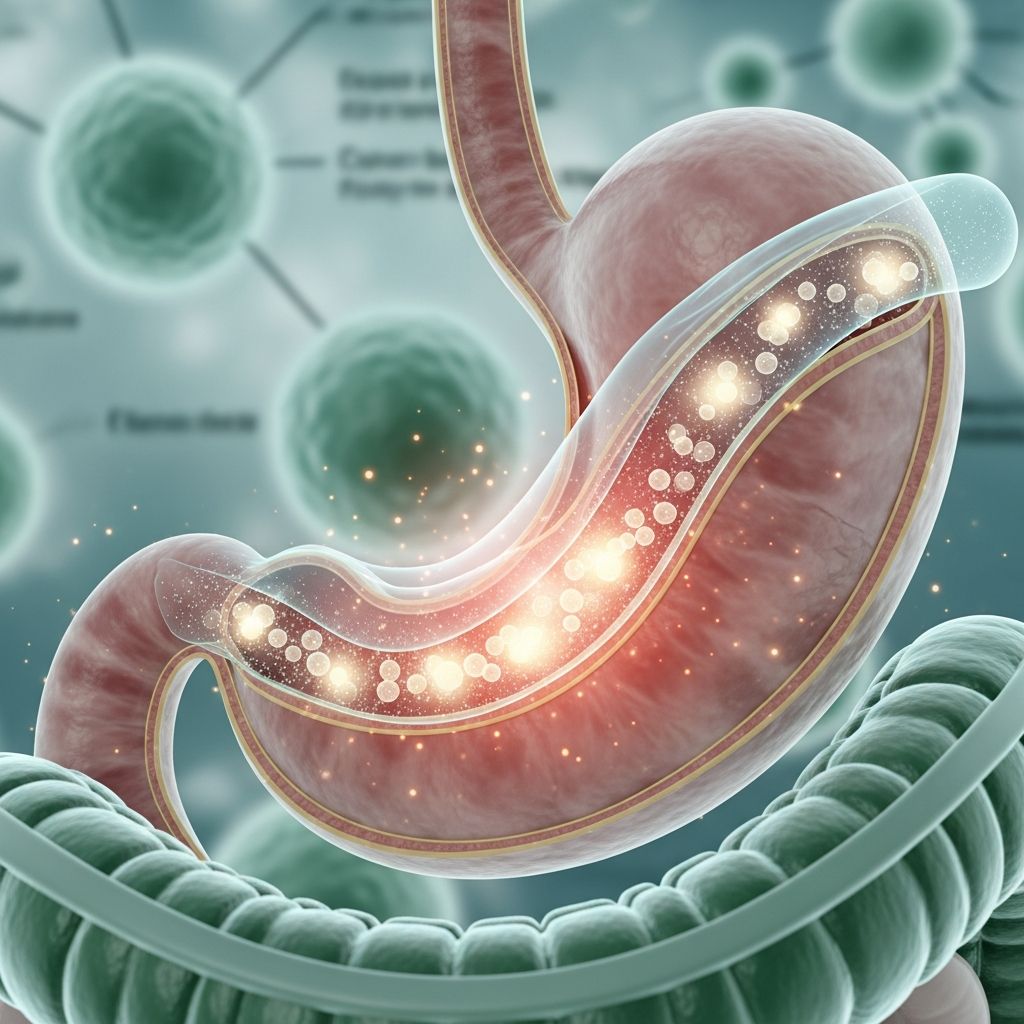
Probiotics, the beneficial bacteria found in foods like yogurt and supplements, show promise in reducing acid reflux symptoms such as heartburn, regurgitation, and indigestion, according to multiple studies. A systematic review found that 79% of analyzed trials demonstrated improvements in gastroesophageal reflux disease (GERD) symptoms with probiotic use.
Acid reflux occurs when stomach acid flows back into the esophagus, causing burning sensations. While lifestyle changes and medications like proton pump inhibitors (PPIs) are standard, probiotics may support gut health by balancing microbiota, potentially strengthening the lower esophageal sphincter and reducing inflammation. However, results vary by strain, dosage, and individual factors, with more large-scale randomized trials needed for definitive guidelines.
What Is Acid Reflux?
Acid reflux, or gastroesophageal reflux (GER), is the backward flow of stomach contents into the esophagus due to a weakened lower esophageal sphincter (LES). Common symptoms include heartburn—a burning chest pain—and regurgitation of sour or bitter liquid. Occasional episodes affect up to 20% of adults weekly, often triggered by large meals, spicy foods, or lying down post-eating.
When chronic, it progresses to GERD, damaging the esophageal lining and raising risks for esophagitis, Barrett’s esophagus, or esophageal cancer. Risk factors include obesity, pregnancy, hiatal hernia, smoking, and certain medications. Diagnosis typically involves endoscopy, pH monitoring, or symptom questionnaires like the Gastroesophageal Reflux Disease Questionnaire (GerdQ).
What Is GERD?
GERD is the chronic form of acid reflux, defined by symptoms or mucosal damage occurring at least twice weekly for three months. Unlike occasional reflux, GERD resists lifestyle fixes and OTC antacids, often requiring prescription PPIs like omeprazole to suppress acid production.
Complications include erosive esophagitis (inflammation/ulcers), strictures narrowing the esophagus, and metaplasia where cells change precancerously. Prevalence is 20% in Western populations, linked to diet, genetics, and delayed gastric emptying. Probiotics may help by modulating gut bacteria, which influence LES tone and inflammation.
Symptoms of Acid Reflux and GERD
- Heartburn: Burning sensation in the chest or throat, worsening after meals or at night.
- Regurgitation: Sour taste from stomach acid rising into the mouth.
- Dysphagia: Difficulty swallowing due to esophageal narrowing.
- Extraesophageal symptoms: Chronic cough, hoarseness, asthma worsening, or dental erosion.
- Gas-related issues: Belching, bloating, nausea, or abdominal pain.
Women may experience atypical symptoms like chest pain mimicking cardiac issues. Track symptoms in a diary to identify triggers.
Causes and Risk Factors
Primary cause: Transient LES relaxations allowing acid reflux. Contributing factors include:
- Hiatal hernia (stomach protrudes through diaphragm).
- Delayed stomach emptying (gastroparesis).
- Obesity increasing abdominal pressure.
- Diet: Fatty/spicy foods, caffeine, alcohol, chocolate.
- Lifestyle: Smoking relaxes LES; late-night eating.
| Risk Factor | Impact on Reflux |
|---|---|
| Obesity | Increases intra-abdominal pressure by 30-50% |
| Pregnancy | Hormones relax LES; uterus compresses stomach |
| Smoking | Reduces saliva neutralization; weakens LES |
| Hiatal Hernia | Present in 50% of GERD cases |
Can Probiotics Help With Acid Reflux?
Yes, probiotics can alleviate GERD symptoms in many cases. A 2020 systematic review of 14 studies (across 12 articles) found 79% (11/14) showed benefits, including reduced regurgitation (3 studies), heartburn relief (1 study), and dyspepsia/gas improvements (9 studies).
Related Stories



Mechanisms: Probiotics like Lactobacillus and Bifidobacterium produce short-chain fatty acids, accelerate gastric emptying, and antagonize pathogens. They restore dysbiosis from PPIs, reducing small intestinal bacterial overgrowth (SIBO) risk. One trial with B. bifidum YIT 10347 cut regurgitation frequency; another with L. gasseri LG21 improved reflux scores from 6.2 to 4.8 over 12 weeks.
Not all studies agree—some showed no effect or worsened indigestion—but overall evidence supports adjunctive use.
Best Probiotic Strains for Acid Reflux
- Bifidobacterium bifidum YIT 10347: Reduced regurgitation and gas in multiple trials.
- Bifidobacterium lactis HN019: Lowered reflux frequency scores.
- Lactobacillus gasseri LG21: Improved postprandial reflux via better protein digestion.
- Multi-strain (e.g., Lactobacillus + Enterococcus faecium): Cut SIBO risk in PPI users.
- Bacillus subtilis: Supported with Enterococcus in PPI patients.
Choose refrigerated, CFU-verified supplements (10-50 billion daily). Yogurt/kefir provide natural sources.
Probiotics vs. PPIs for GERD
| Aspect | Probiotics | PPIs |
|---|---|---|
| Efficacy | Symptom relief in 79% studies; adjunctive | Heal esophagitis in 80-90%; symptom control |
| Side Effects | Rare (mild GI upset); safe long-term | SIBO risk, nutrient malabsorption, bone fractures |
| Mechanism | Gut microbiota balance, LES support | Acid suppression |
| Best For | Mild-moderate GERD, PPI adjunct | Severe erosive GERD |
Combine for optimal results: Probiotics mitigate PPI-induced dysbiosis.
How to Take Probiotics for Acid Reflux
- Dosage: 10-20 billion CFUs daily; split doses.
- Timing: With meals to survive stomach acid.
- Duration: 4-12 weeks minimum for effects.
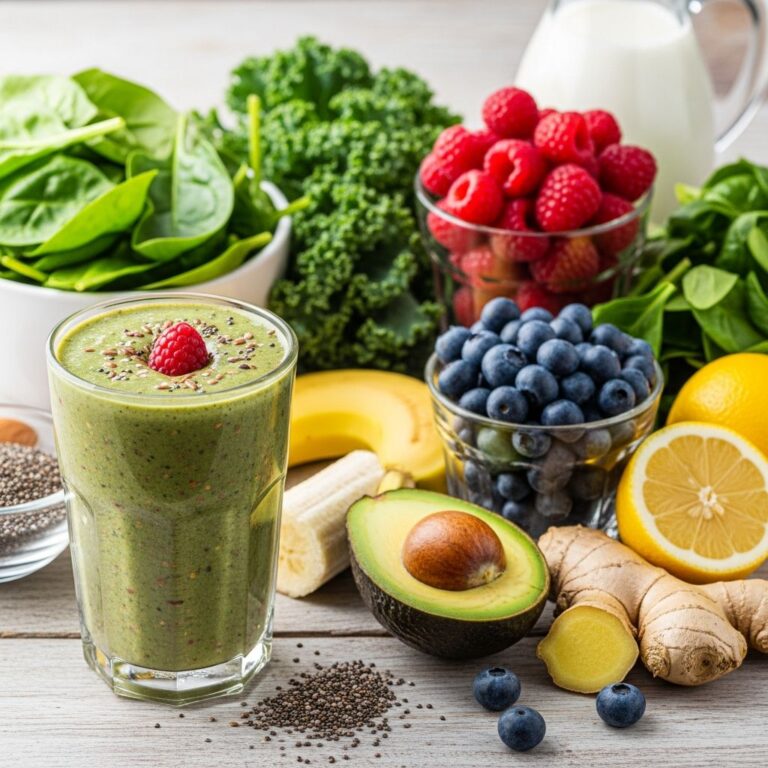
- Food Sources: Yogurt, kefir, sauerkraut, kimchi.
- Consult doctor if immunocompromised or on antibiotics.
Lifestyle Changes to Complement Probiotics
- Elevate bed head 6-8 inches.
- Avoid triggers: Spicy/fatty foods, caffeine, alcohol.
- Eat smaller meals; no food 3 hours pre-bed.
- Maintain healthy weight; quit smoking.
- Chew gum to boost saliva.
Side Effects and Precautions
Probiotics are generally safe; mild bloating/gas in first week. Rare risks in severe illness. Unregulated—select third-party tested brands. Not FDA-approved for GERD; discuss with gastroenterologist.
When to See a Doctor
- Symptoms >2x/week.
- Unintentional weight loss, vomiting blood, difficulty swallowing.
- Persistent despite OTCs/probiotics.
Seek endoscopy for alarm symptoms.
Frequently Asked Questions (FAQs)
What foods have probiotics for acid reflux?
Yogurt, kefir, kombucha, miso, tempeh. Opt for low-sugar, live-culture varieties.
How long for probiotics to work on GERD?
4-12 weeks; track symptoms.
Can probiotics replace PPIs?
No, best as adjunct for mild cases.
Do probiotics cause acid reflux?
Rarely; initial adjustment may increase symptoms temporarily.
Best probiotic for heartburn?
B. bifidum or L. gasseri per studies.
References
- Benefits of Probiotics for Acid Reflux — RMG Gastroenterology. 2023. https://rmggastroenterology.com/blog/benefits-of-probiotics-for-acid-reflux/
- Gastroesophageal Reflux Disease and Probiotics: A Systematic Review — Cheng J, Ouwehand AC. Nutrients. 2020-01-02. https://pmc.ncbi.nlm.nih.gov/articles/PMC7019778/
- Probiotics and GERD: An Effective Treatment? — ZOE. 2024. https://zoe.com/learn/can-probiotics-help-treat-gerd
Similar Articles








Read full bio of medha deb