Can Probiotics Help You Lose Weight? Evidence-Based Guide
Discover if probiotics can aid weight loss, exploring gut health links, research findings, best strains, and practical tips for better results.
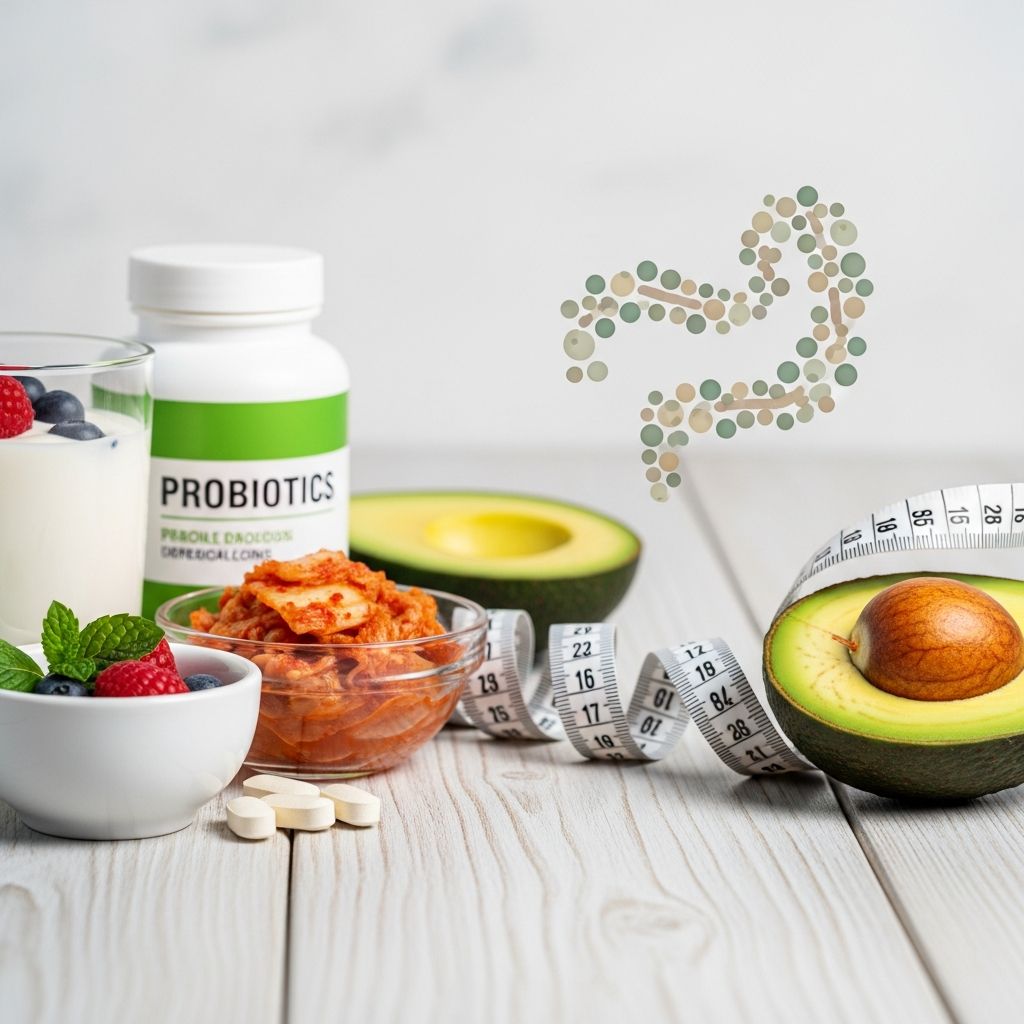
Probiotics, live microorganisms found in fermented foods and supplements, may influence weight management by modulating the gut microbiome, though evidence for direct weight loss is mixed and modest at best. Research indicates they can support gut health, potentially reducing inflammation and improving metabolism, but they are not a standalone solution for obesity.
What Are Probiotics?
Probiotics are beneficial bacteria and yeasts that, when consumed in adequate amounts, confer health benefits, primarily by restoring balance in the gut microbiota. The human gut hosts trillions of microbes that play crucial roles in digestion, immune function, and even energy harvest from food. Dysbiosis, or imbalance in this microbiome, is linked to obesity, as certain ‘bad’ bacteria promote fat storage and inflammation.
Common probiotic strains include Lactobacillus and Bifidobacterium species, often found in yogurt, kefir, sauerkraut, and supplements. These microbes produce short-chain fatty acids (SCFAs) during fiber fermentation, which may enhance insulin sensitivity and reduce appetite.
The Gut Microbiome and Weight: What’s the Connection?
The gut microbiome influences body weight through several mechanisms. Obese individuals often exhibit reduced microbial diversity and higher ratios of Firmicutes to Bacteroidetes phyla, leading to increased energy extraction from diet and low-grade inflammation via lipopolysaccharides (LPS).
Studies in germ-free mice demonstrate that transplanting microbiota from obese donors induces weight gain, highlighting a causal link. High-fat diets exacerbate dysbiosis, elevating bile acids like deoxycholic acid (DCA) and promoting pathogenic bacteria growth. Probiotics may counteract this by competing with harmful microbes, strengthening the gut barrier, and modulating the gut-brain axis to reduce stress-related overeating.
- Energy harvest: Gut bacteria break down undigested carbs into SCFAs, influencing fat storage in adipose tissue.
- Inflammation control: Probiotics reduce LPS-induced Toll-like receptor (TLR4) signaling, mitigating metabolic endotoxemia.
- Hormone regulation: They may boost GLP-1 production, promoting satiety.
Research on Probiotics and Weight Loss: What Studies Show
Clinical trials yield inconsistent results. A 2023 review found probiotics significantly improved obesity parameters in some interventions, reducing BMI and fat mass, particularly in overweight individuals. For instance, multi-strain probiotics like ProBiotic-4 (Bifidobacterium lactis, Lactobacillus casei, Bifidobacterium bifidum, Lactobacillus acidophilus) attenuated high-fat diet-induced weight gain in mice by restoring gut barrier integrity.
However, a recent analysis of human trials concluded no high-quality evidence supports probiotic supplements for substantial weight loss. ZOE’s PREDICT study (n=10,000+) linked ‘bad’ gut bacteria to visceral fat but noted probiotic foods, not pills, correlated with microbiome shifts and less belly fat. Synbiotics (probiotics + prebiotics) showed no effect on body composition in a 2020 trial, while 2021 and 2024 reviews suggested modest prevention of weight gain without strong endorsement.
Related Stories



| Study Type | Findings | Strains Tested | Source |
|---|---|---|---|
| Animal Models | Reduced weight gain, improved metabolism | Lactobacillus, Bifidobacterium | |
| Human RCTs (Meta-analysis) | Modest BMI reduction (~0.5-1 kg) | Multi-strain | |
| Large Cohort (PREDICT) | No supplement effect; food benefits | N/A | |
| 2024 Review | Possible prevention, not treatment | Various |
Mayo Clinic experts note probiotics are unlikely to combat obesity alone, emphasizing diet’s role in feeding good bacteria.
Best Probiotic Strains for Weight Management
Certain strains show promise:
- Lactobacillus gasseri: Reduced abdominal fat in trials.
- Lactobacillus rhamnosus: Supported weight loss in women post-diet.
- Bifidobacterium breve: Decreased fat mass in overweight adults.
- Lactobacillus sakei: Lowered BMI in Korean studies.
Multi-strain formulas may outperform singles, but effects are small (1-2% body weight reduction over 12 weeks). Dosage: 10^9-10^10 CFU/day, taken with food for viability.
Probiotic Foods vs. Supplements: Which Is Better for Weight Loss?
Fermented foods provide probiotics alongside prebiotics, fiber, and nutrients, fostering diverse microbiomes linked to lower BMI. Examples include yogurt, kimchi, kombucha, and miso. ZOE data shows probiotic-rich diets reduce belly fat more than supplements.
Supplements offer targeted strains but vary in quality; look for third-party tested products with live cultures. Neither guarantees weight loss without calorie control and exercise.
- Pros of Foods: Natural synergy, better diversity.
- Pros of Supplements: High potency, convenience.
- Cons: Supplements may not colonize gut long-term.
Potential Risks and Side Effects of Probiotics
Generally safe for healthy adults, but risks include bloating, gas, or infections in immunocompromised individuals. High doses may cause histamine issues in sensitive people. Consult doctors if pregnant or on antibiotics. Probiotics should complement, not replace, lifestyle changes.
How to Incorporate Probiotics into Your Diet for Better Gut Health
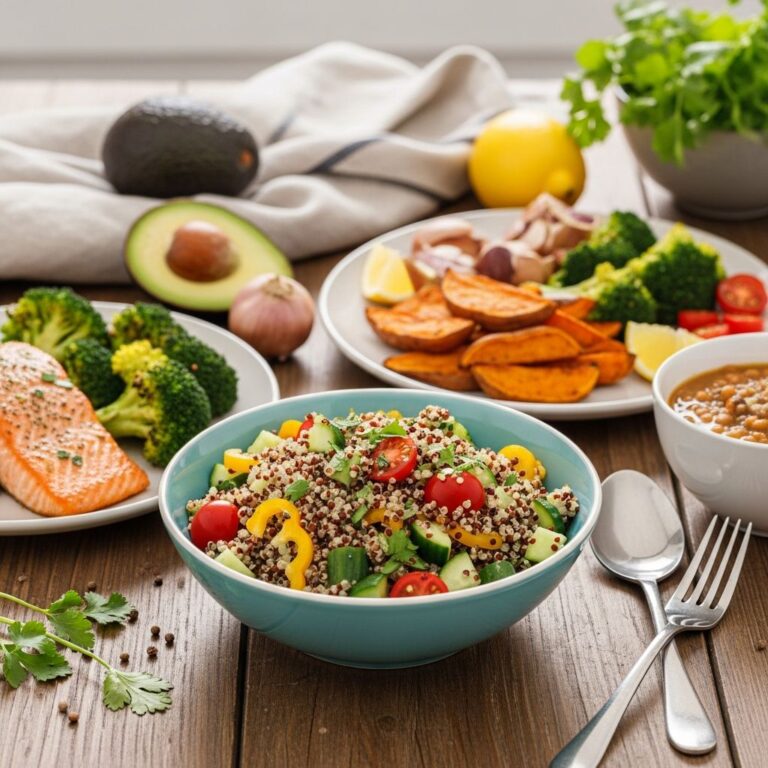
Combine with prebiotics (onions, garlic, bananas) for synbiotic effects. Aim for daily intake:
- Breakfast: Greek yogurt with berries.
- Lunch: Sauerkraut on salad.
- Dinner: Kefir smoothie.
- Snack: Kimchi or kombucha.
Pair with fiber-rich diet to thrive good bacteria; avoid processed foods.
Expert Tips for Using Probiotics Effectively
“Balance proteins, fats, carbs, and high-fiber foods to maintain microbiota. Probiotics support but don’t drive weight loss—focus on whole diet.” – Cleveland Clinic Expert
Track progress with waist measurements; expect subtle benefits over months.
Frequently Asked Questions (FAQs)
Can probiotics alone make you lose weight?
No, evidence shows minimal direct effects; they support gut health alongside diet and exercise.
What is the best probiotic for belly fat?
Strains like Lactobacillus gasseri show promise for visceral fat reduction in small studies.
How long do probiotics take to work for weight loss?
Effects, if any, appear after 8-12 weeks; consistency matters.
Are probiotic supplements worth it for weight management?
Limited evidence; prioritize foods unless deficient.
Do probiotics reduce appetite?
Possibly via gut hormone modulation, but results vary.
Bottom Line: Should You Take Probiotics for Weight Loss?
Probiotics offer gut health benefits that may indirectly aid weight control, especially preventing gain in at-risk groups. However, no strong evidence supports them as a primary weight loss tool. Sustainable results come from diverse, fiber-rich diets, activity, and sleep. Consult professionals for personalized advice.
References
- Probiotics therapy show significant improvement in obesity and neurobehavioral disorders — PMC. 2023-05-15. https://pmc.ncbi.nlm.nih.gov/articles/PMC10213414/
- Probiotics and Weight Loss: How and Why They Work — ZOE. 2024-01-10. https://zoe.com/learn/probiotics-and-weight-loss
- Could Probiotics Help With Weight Loss? — Cleveland Clinic. 2024-06-20. https://health.clevelandclinic.org/could-probiotics-help-with-weight-loss
- Use of probiotics in preventing and treating excess weight and obesity — PMC. 2024-05-28. https://pmc.ncbi.nlm.nih.gov/articles/PMC11187407/
- Mayo Clinic Q and A: Probiotics, gut bacteria and weight — Mayo Clinic News Network. 2023-11-08. https://newsnetwork.mayoclinic.org/discussion/mayo-clinic-q-and-a-probiotics-gut-bacteria-and-weight-whats-the-connection/
Similar Articles








Read full bio of Sneha Tete