Can Probiotics Treat Obesity and Diabetes?
Exploring the potential of probiotics to manage obesity and diabetes through gut microbiota modulation and metabolic improvements.
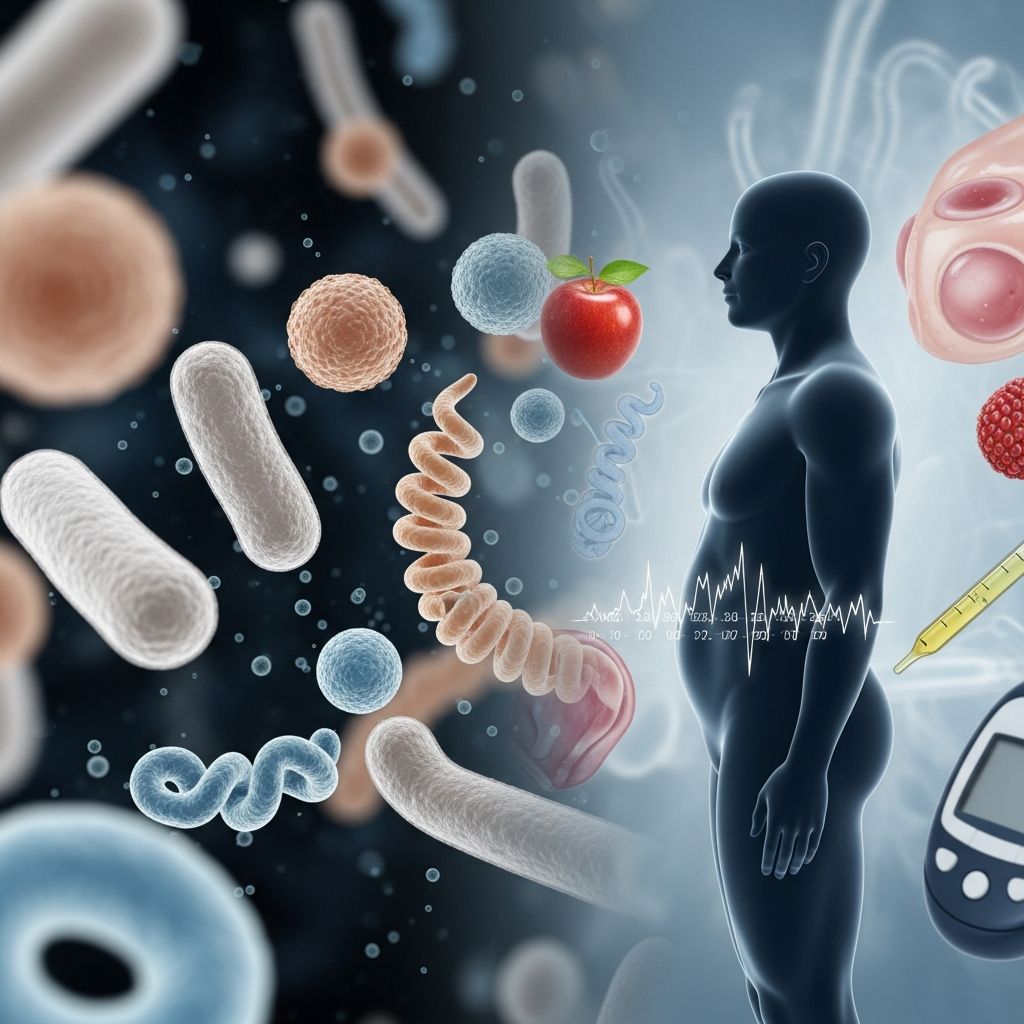
Obesity and type 2 diabetes represent major global health challenges, with growing interest in the gut microbiome’s role in their management. Probiotics—live microorganisms that confer health benefits when administered in adequate amounts—have shown promise in preclinical and early clinical studies for improving metabolic parameters like weight, insulin sensitivity, and glucose control.
What Are Probiotics?
Probiotics are beneficial bacteria or yeasts that, when consumed, help maintain a healthy balance of gut microbiota. Common strains include Lactobacillus, Bifidobacterium, and emerging ones like Akkermansia muciniphila. They work by modulating the gut barrier, reducing inflammation, and influencing energy harvest from food.
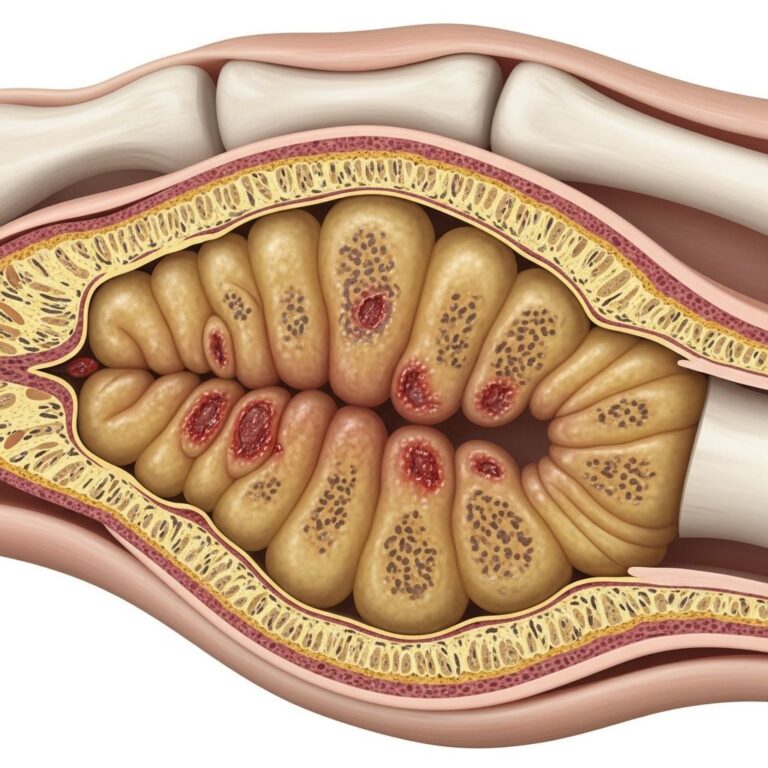
The human gut hosts trillions of microbes that influence digestion, immunity, and metabolism. Dysbiosis—an imbalance in this microbiota—is linked to obesity and diabetes. Probiotics aim to restore balance, potentially alleviating these conditions.
The Gut Microbiome and Metabolic Disease
The gut microbiome plays a pivotal role in energy homeostasis and glucose regulation. In obesity, certain bacteria increase energy extraction from diet, promoting fat storage. In diabetes, low levels of mucin-degrading bacteria correlate with insulin resistance.
- High-fat diets reduce beneficial microbes like Akkermansia muciniphila, exacerbating metabolic issues.
- Short-chain fatty acids (SCFAs) produced by gut bacteria improve insulin sensitivity.
- Inflammation from leaky gut contributes to type 2 diabetes progression.
Studies show lean individuals have diverse microbiomes rich in protective species, unlike those with obesity.
Promising Probiotic Strains for Obesity and Diabetes
Several strains stand out in research.
Akkermansia muciniphila
This gram-negative anaerobe thrives in the gut mucus layer. Preclinical studies in high-fat diet-fed mice demonstrated that pasteurized A. muciniphila significantly reduced body weight gain (p<0.001), improved glucose tolerance (p<0.01), lowered insulin resistance, and decreased energy absorption. Treated mice excreted more calories in feces and showed reduced expression of Fmo3, a gene linked to atherosclerosis.
Pasteurization enhanced efficacy, making it suitable for human use. Preliminary human data from ongoing trials indicate good tolerability in obese patients.
Other Strains: Lactobacillus and Bifidobacterium
Lactobacillus plantarum and Bifidobacterium longum (inactivated forms) reduced body weight gain and blood glucose in obese diabetic mice. Multi-strain probiotics containing Lactobacillus casei and Lactobacillus acidophilus improved glycemic parameters in type 2 diabetes patients.
Olsenella laneus and Bacteroides wexlerae showed associations with lower succinate levels, better glucose control, and anti-inflammatory effects in obesity.
Preclinical Evidence
Animal models provide strong foundational data. Mice on high-fat diets treated with A. muciniphila exhibited:
- Decreased fat mass accumulation.
- Higher glucose tolerance and lower insulin resistance (p<0.01).
- Reduced plasma glucose and increased fecal calorie excretion (p<0.05).
Inactivated Bifidobacterium longum decreased adipose tissue and glucose levels in diabetic models. These findings suggest mechanisms involving gut barrier strengthening and SCFA production.
Human Clinical Trials and Meta-Analyses
Human evidence is encouraging but modest. A meta-analysis of 105 trials (6,826 subjects) found probiotics induced weight loss of 0.94 kg in overweight individuals, BMI reductions, and improved glucose control in type 2 diabetes (T2DM). HbA1c effects doubled in diabetics, with proportional insulin reductions.
Related Stories



Another meta-analysis (30 trials, 2,098 diabetics) showed BMI reduction (WMD=-0.24 kg/m², P=0.001) with probiotic/synbiotic use, especially at higher doses in obese younger adults.
| Outcome | Effect Size | Population | Source |
|---|---|---|---|
| Body Weight | -0.94 kg | Overweight | |
| BMI | -0.24 kg/m² | T2DM Patients | |
| HbA1c | Significant reduction | T2DM | |
| Insulin Sensitivity | Improved | Obese/Insulin Resistant |
A 16-week trial with Lactobacillus-containing drinks reduced fasting glucose, HbA1c, triglycerides, and weight in T2DM, though not always significantly vs. controls. A pilot with A. muciniphila (3 months) improved insulin sensitivity, lowered cholesterol, and slightly reduced weight in 32 obese patients.
Mechanisms of Action
Probiotics exert effects via:
- Gut Barrier Enhancement: Strains like A. muciniphila thicken mucus, preventing endotoxemia.
- SCFA Production: Butyrate and propionate improve insulin signaling.
- Inflammation Reduction: Lower cytokines like TNF-α.
- Energy Harvest Modulation: Reduced calorie absorption from diet.
- Gene Expression Changes: Downregulation of metabolic disease-linked genes.
In diabetics, these lead to better glycemic control; in obesity, modest weight loss.
Limitations and Challenges
Despite promise, challenges persist:
- Effects are minor (e.g., <1 kg weight loss), below clinical thresholds for major risk reduction.
- Heterogeneity in strains, doses, and durations complicates comparisons.
- Small trial sizes and short interventions limit generalizability.
- Not all strains work equally; multi-strain formulas may be superior.
- Weight loss is harder in diabetics due to metabolic adaptations.
Meta-analyses note high heterogeneity (I²>80%), calling for larger RCTs.
Current Research and Future Directions
Ongoing trials test A. muciniphila safety/efficacy in obesity. Future studies should explore synergies with diet/exercise, optimal strains/doses, and long-term outcomes. Personalized probiotics based on microbiome profiling hold potential.
Practical Advice: Should You Try Probiotics?
Probiotics are safe for most, but not a cure-all. Consult healthcare providers, especially if diabetic. Combine with lifestyle changes for best results. Look for products with studied strains like Lactobacillus or Bifidobacterium.
Frequently Asked Questions (FAQs)
What is the best probiotic for diabetes?
Strains like Akkermansia muciniphila, Lactobacillus, and Bifidobacterium show promise, but evidence favors multi-strain formulas.
Can probiotics help with weight loss in obesity?
Modest reductions (0.5-1 kg) in overweight/diabetic individuals, best as adjunct therapy.
Are probiotics safe for diabetics?
Generally yes, with good tolerability in trials, but monitor blood sugar.
How long to see effects from probiotics?
Typically 8-16 weeks in studies.
Do pasteurized probiotics work better?
For A. muciniphila, yes—enhanced efficacy in preclinical models.
References
- New probiotic treatment for obesity and diabetes [PreClinical] — 2 Minute Medicine, Inc. 2017-01-01. https://www.2minutemedicine.com/new-probiotic-treatment-for-obesity-and-diabetes-preclinical/
- Impact of bacterial probiotics on obesity, diabetes and non-alcoholic fatty liver disease — PMC (NIH). 2019-04-24. https://pmc.ncbi.nlm.nih.gov/articles/PMC6475231/
- Effects of probiotic/synbiotic supplementation on body weight and BMI in diabetes — PMC (NIH). 2023-04-13. https://pmc.ncbi.nlm.nih.gov/articles/PMC10120130/
- Could obesity and type 2 diabetes be treated with probiotics? — Clinic Barcelona. 2023-01-01. https://www.clinicbarcelona.org/en/news/could-obesity-and-type-2-diabetes-be-treated-with-probiotics
- Effect of probiotics on glycemic control and lipid profiles in patients with type 2 diabetes — Frontiers in Endocrinology. 2024-01-01. https://www.frontiersin.org/journals/endocrinology/articles/10.3389/fendo.2024.1440286/full
Similar Articles








Read full bio of medha deb