Can Rare Meat Be Safe? What You Need To Know
Discover if rare meat can be safe to eat, the essential role of food thermometers, and safe cooking temperatures for steaks, roasts, and ground meats.
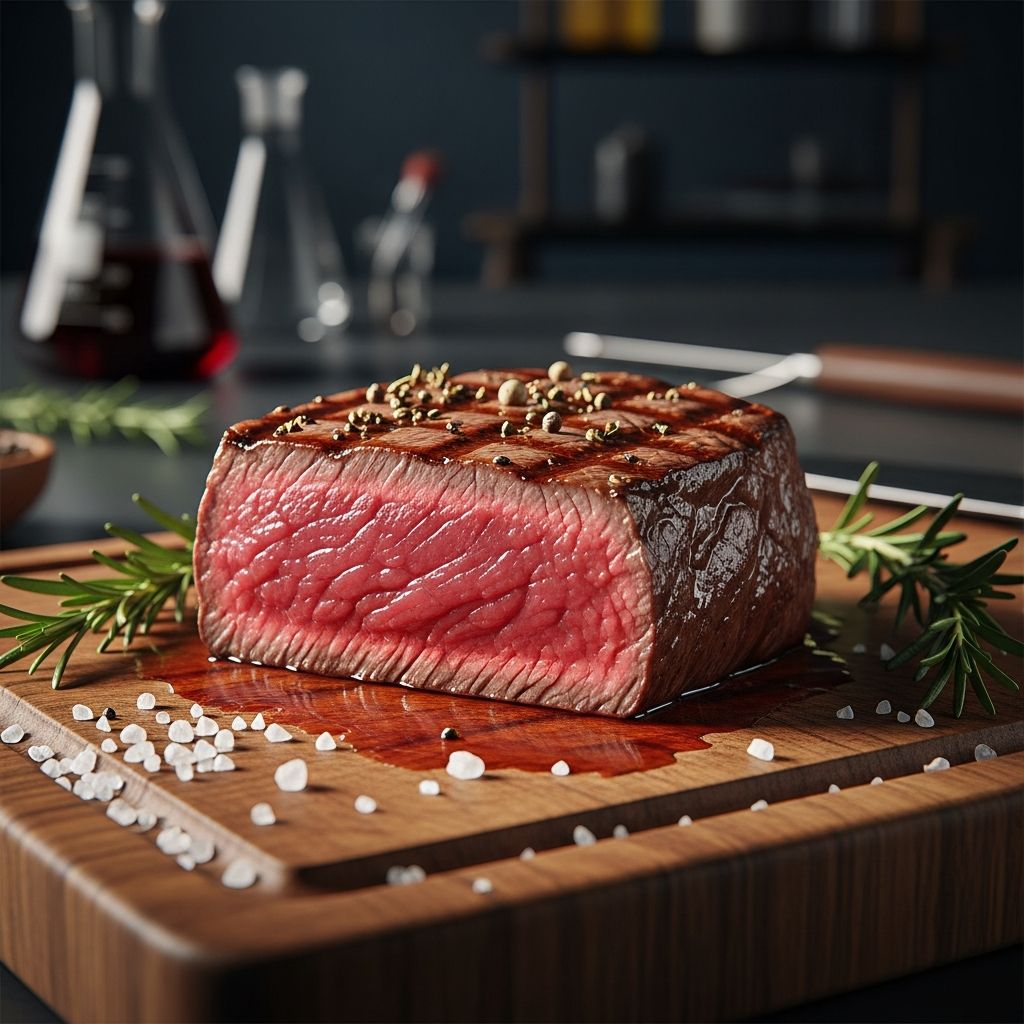
Many home cooks and steak enthusiasts wonder if enjoying a juicy rare or medium-rare steak poses health risks. The answer hinges on proper cooking methods, accurate temperature checks, and understanding bacterial risks. While rare whole cuts like steaks can be safe under specific conditions, ground meats never are. This guide breaks down the science, USDA guidelines, and best practices to balance flavor with food safety.
Foodborne illnesses from bacteria like Salmonella and E. coli affect millions annually, often stemming from undercooked meat. Using a food thermometer eliminates guesswork, ensuring meats reach temperatures that kill pathogens without overcooking. We’ll cover safe temperatures, why senses deceive, rules for rare cooking, and tips for vulnerable groups.
What’s the Temperature?
A food thermometer is the cornerstone of safe meat preparation. It measures the internal temperature where harmful bacteria are destroyed, preventing severe illness or even death. Instant-read thermometers are affordable, quick, and reliable tools every kitchen needs.
According to USDA guidelines, safe minimum internal temperatures vary by meat type and cut:
| Meat Type | Cut | Safe Minimum Internal Temperature | Rest Time |
|---|---|---|---|
| Beef, Pork, Lamb, Veal | Steaks, Roasts, Chops | 145°F (63°C) | 3 minutes |
| Ground Meats (Beef, Pork, Lamb, Veal) | burgers, meatballs | 160°F (71°C) | None |
| Ground Poultry (Turkey, Chicken) | burgers, etc. | 165°F (74°C) | None |
These temperatures ensure pathogens on the surface or mixed throughout are eliminated. For steaks and roasts, the 145°F rule applies to medium-rare doneness after resting, preserving juiciness.
- Insert the thermometer into the thickest part, avoiding bone or fat for accurate readings.
- Wait for a stable reading; digital models provide precision in seconds.
- Clean the probe with hot soapy water between uses to prevent cross-contamination.
Restaurants often follow stricter rules, like cooking ground beef to 155°F for 17 seconds per FDA Food Code, but home cooks should adhere to USDA standards.
Try the “Goldilocks” Approach
Not all safe meat needs to be well-done and dry. The “Goldilocks” method finds the “just-right” balance: hot enough to kill bacteria, cool enough for tenderness. A thermometer guides you to your preferred doneness without risk.
Steak doneness levels, aligned with safety:
| Doneness | Internal Temp (Remove at, Rest to) | Description |
|---|---|---|
| Rare | 120-125°F (remove at 115°F, rest 5 min) | Cool red center, very juicy; safe for whole cuts at 145°F post-rest. |
| Medium-Rare | 130-135°F (remove at 125°F) | Warm red center, pink edges; ideal balance of flavor and safety. |
| Medium | 140-150°F | Pink center, firmer texture; fully safe. |
| Medium-Well | 150-155°F | Slight pink, less juicy. |
| Well-Done | 160°F+ | No pink, drier; safe but less flavorful. |
Always account for carryover cooking: meats rise 5-10°F during rest. This is why USDA specifies 145°F for steaks with a 3-minute rest. Chefs recommend medium-rare (130-135°F) for premium cuts like ribeye or filet mignon, where marbling enhances taste.
Related Stories



Caution: Your Senses May Be Misleading
Color, texture, and juices seem intuitive, but they’re unreliable for safety. Research shows brown color or clear juices don’t guarantee doneness; pink meat can be safe if hot enough internally.
- Color: Ground beef may stay pink at safe temps due to myoglobin; steaks can brown externally but remain cool inside.
- Texture: Firmness varies by cut and quality, not temperature.
- Juices: Clear juices indicate cooking but not safety; bacteria die at specific heats, not clarity.
Touch tests (comparing meat to thumb-finger pads) approximate doneness but lack precision—use them with a thermometer. For accuracy, rely on the probe every time.
The Rules About Rare
Rare or medium-rare safety depends on the cut. Ground meats? Never safe below 160°F (165°F for poultry), as grinding spreads surface bacteria throughout.
Whole cuts like steaks, roasts, chops from beef, veal, pork, or lamb? Yes, safe at 145°F with 3-minute rest. The rest allows heat to distribute, killing remaining bacteria.
- Not safe: Rare ground beef (e.g., rare burgers)—bacteria risk high. Raw preparations like steak tartare or carpaccio.
- High-risk groups avoid: Pregnant women, children under 5, adults 65+, immunocompromised—stick to 160°F+ or well-done.
Chain restaurants rarely serve rare burgers, using thermometers for compliance. For home, choose high-quality, fresh meat from trusted sources to minimize risks.
Frequently Asked Questions (FAQs)
Can I eat rare steak safely?
Yes, for whole muscle cuts like steaks or roasts, cook to 145°F internal temperature and rest 3 minutes. Ground beef must reach 160°F.
Why can’t ground meat be rare?
Grinding mixes surface bacteria into the interior, requiring higher heat (160°F) to kill pathogens throughout.
Is a food thermometer necessary?
Absolutely—color, juices, and feel are unreliable. It’s the only sure way to hit safe temperatures.
What if I’m pregnant or elderly?
Avoid rare or undercooked meats entirely; opt for 160°F+ to prevent listeria or E. coli risks.
How long to rest meat after cooking?
At least 3 minutes for steaks at 145°F; 5-10 minutes for juiciness in thicker cuts.
The Bottom Line
Flavor and safety coexist with proper techniques. Invest in a food thermometer, follow USDA temps, and rest meats appropriately. Enjoy steakhouse-quality rare or medium-rare at home without worry. Find a registered dietitian for personalized advice via the Academy of Nutrition and Dietetics.
References
- Can Rare Meat Be Safe? — Academy of Nutrition and Dietetics. 2023. https://www.eatright.org/food/home-food-safety/safe-cooking-and-prep/can-rare-meat-be-safe
- Safe Minimum Internal Temperatures — FoodSafety.gov (USDA/FSIS). 2024-01-15. https://www.foodsafety.gov/food-safety-charts/safe-minimum-internal-temperatures
- Ground Beef Preparation — Centers for Disease Control and Prevention (CDC). 2023-05-10. https://www.cdc.gov/restaurant-food-safety/php/practices/ground-beef-preparation.html
- Steak Temperature Tips — Ruth’s Chris Steak House. 2024. https://ruthschris.net/blog/steak-temperature-tips/
- Steak Temperature Guide — Sullivan’s Steakhouse. 2024. https://www.sullivanssteakhouse.com/steak-temperature-guide/
Similar Articles








Read full bio of medha deb