Can Regular Massages Improve Your Mental Health?
Discover how regular massages can reduce anxiety, depression, and stress while boosting relaxation and overall well-being.
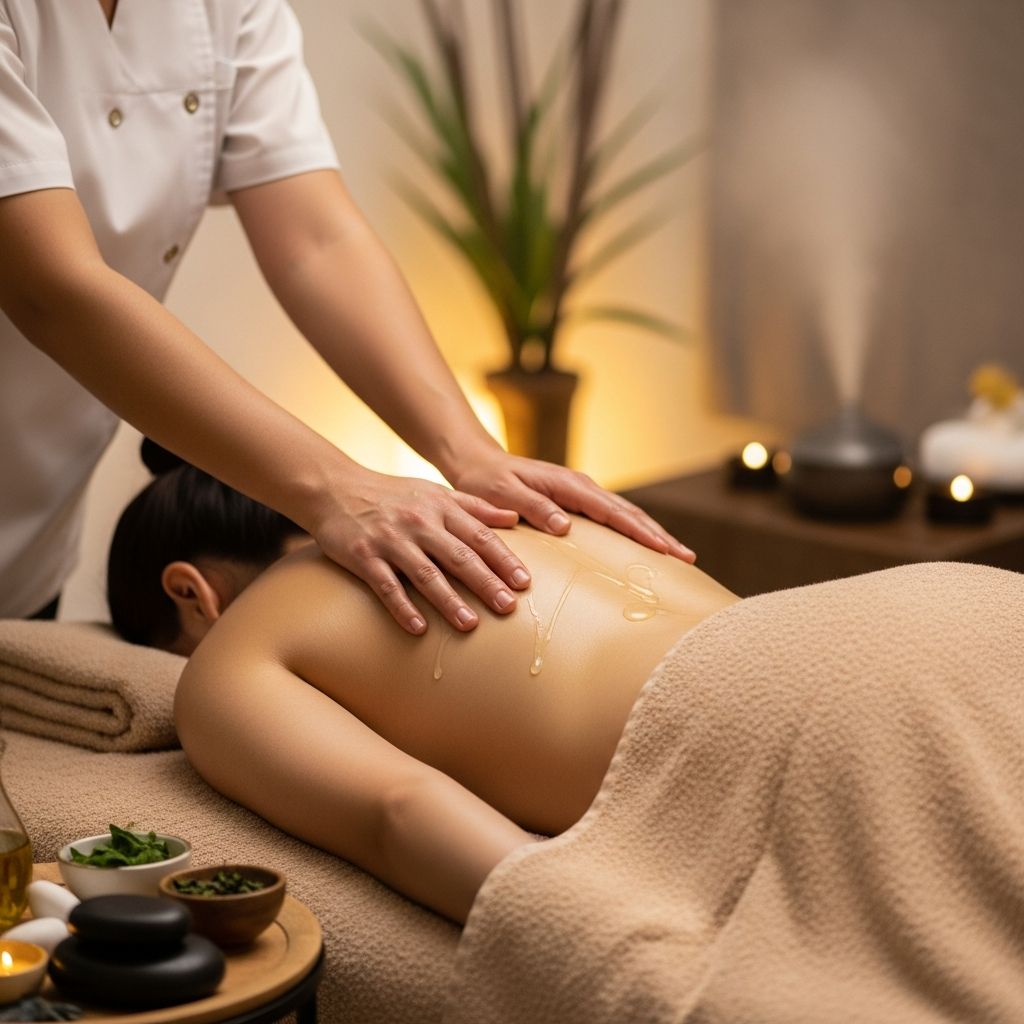
Massage therapy offers significant benefits for mental health by reducing anxiety, depression symptoms, and stress through physiological changes like lowered cortisol and increased endorphins.
Why might massage therapy improve mental health?
Massage therapy serves as a complementary approach alongside talking therapy or medication, with research indicating improvements in anxiety and depression symptoms while promoting relaxation. Studies on generalized anxiety disorder show that twice-weekly one-hour massages led women to report less anxiety and greater self-confidence. A 2014 systematic review of nine studies found that massages lasting at least five weeks improved pain, anxiety, and depression in fibromyalgia patients by fostering relaxation. Another review of four studies noted enhanced quality of life for individuals with HIV or AIDS.
Massage therapy is holistic
Massage addresses both physical muscle tension and mental processes through therapeutic touch. Research indicates that physical contact influences all bodily and mental functions, creating a holistic experience that boosts mental health. This approach combines relaxation techniques with physical relief, helping clients achieve emotional balance.
Decreased cortisol, increased endorphins
Massage lowers cortisol, the stress hormone released during ‘fight or flight’ responses, which can harm mental health if prolonged. It boosts serotonin and dopamine, mood-enhancing neurotransmitters, regulating the nervous system for lasting stress reduction. Harvard Health research supports these calming effects, especially when combined with other therapies.
Distraction and mindfulness
During a massage, individuals escape daily stressors, entering a mindful state in a calming environment with soft lighting and relaxing music. This meditative break aids psychological health, providing distraction from anxiety-inducing thoughts. The sensory experience grounds people in the present, reducing rumination.
How massage therapy impacts mental health
The mind-body connection is key; massage reduces physical symptoms of mental health issues like tension and pain, releasing neurotransmitters that alleviate anxiety and depression. A Journal of Clinical Psychology study found significant symptom reduction after three sessions in those with generalized anxiety disorder.
The benefits of massage therapy for mental health
- Regulation of the nervous system: Lowers cortisol while increasing serotonin and dopamine for mood stabilization and sustained stress relief.
- Alleviation of physical symptoms: Eases chronic pain, headaches, and muscle tension common in anxiety and depression, creating a positive feedback loop.
- Enhancement of emotional balance: Therapeutic touch fosters mindfulness, emotional release, and reconnection with the body.
- Improvement of sleep quality: Promotes deeper sleep, countering disturbances that worsen mental health; American Massage Therapy Association research confirms benefits for insomnia.
- Support for trauma recovery: Helps PTSD patients process trauma physiologically, reducing distressing symptoms.
Personalizing techniques for mental health needs
Tailor massages to specific conditions: Swedish massage with gentle strokes calms anxiety by reducing stress hormones. For depression, deeper techniques like deep tissue may release held emotions, while lighter effleurage supports overall mood. Customization enhances effectiveness based on individual needs.
Collaboration in mental health care
Integrate massage with psychology and psychiatry for comprehensive care. Therapists address physical tension from identified stress patterns, complementing medication or therapy. Patient education on its role improves adherence and outcomes.
Massage for specific mental health conditions
| Condition | Benefits | Evidence |
|---|---|---|
| Anxiety Disorders | Reduced intensity, better self-confidence | Twice-weekly sessions effective |
| Depression | Mood elevation via endorphins, neurotransmitter boost | Consistent symptom alleviation |
| PTSD/Trauma | Body reconnection, symptom relief | Physiological processing |
| Fibromyalgia (with mental symptoms) | Improved pain, anxiety, depression | 5+ weeks of therapy |
Related Stories



Massage consistently decreases anxiety across populations, as per AMTA reviews, making it vital for integrative strategies.
Practical tips for incorporating regular massages
- Start with 30-60 minute sessions weekly or bi-weekly for noticeable effects.
- Choose qualified therapists trained in mental health applications.
- Combine with mindfulness practices or therapy for amplified benefits.
- Track mood, sleep, and stress levels to monitor progress.
- Consider self-massage tools like foam rollers for daily maintenance.
Frequently Asked Questions (FAQs)
What types of massage are best for mental health?
Swedish massage for relaxation and anxiety; deep tissue for releasing emotional tension in depression.
How soon can I expect mental health benefits from massages?
Many notice reduced anxiety after 1-3 sessions, with sustained effects building over weeks.
Is massage safe for those on mental health medication?
Yes, as a complementary therapy; consult providers to ensure compatibility.
Can massages help with sleep issues related to stress?
Absolutely; they promote restorative sleep by lowering cortisol.
How does massage compare to meditation for stress relief?
Massage provides tactile, guided relaxation, often more accessible for beginners than solo meditation.
Massage therapy’s evidence-based role in mental health underscores its value as a non-invasive, holistic tool. From nervous system regulation to emotional healing, regular sessions empower better well-being when integrated thoughtfully.
References
- Massage Therapy for Mental Health: Unlocking the Power of Therapeutic Touch — AIHCP. 2024-12-12. https://aihcp.net/2024/12/12/massage-therapy-for-mental-health-unlocking-the-power-of-therapeutic-touch-to-reduce-anxiety-and-depression/
- An Examination of Benefits Between Massage Therapy and Mental Health Disorders — Indiana State University Scholars. 2023. https://scholars.indianastate.edu/cgi/viewcontent.cgi?article=1002&context=honorsp
- Can regular massages improve your mental health? — Patient.info. 2024. https://patient.info/features/mental-health/can-regular-massages-improve-your-mental-health
- Touching the Mind—Exploring the Intersection of Massage Therapy and Mental Health — NIH/PMC. 2024. https://pmc.ncbi.nlm.nih.gov/articles/PMC12370310/
- Massage Therapy for Psychiatric Disorders — NIH/PMC. 2019-06-01. https://pmc.ncbi.nlm.nih.gov/articles/PMC6519566/
- Massage for Mental Health — American Massage Therapy Association (AMTA). 2024. https://www.amtamassage.org/about/news/press-release-massage-for-mental-health/
Similar Articles








Read full bio of Sneha Tete