Can Spring Make Depression Worse? Signs, Causes, Help
While winter blues are common, spring can worsen depression for some—exploring reverse SAD, causes, and coping strategies amid seasonal shifts.
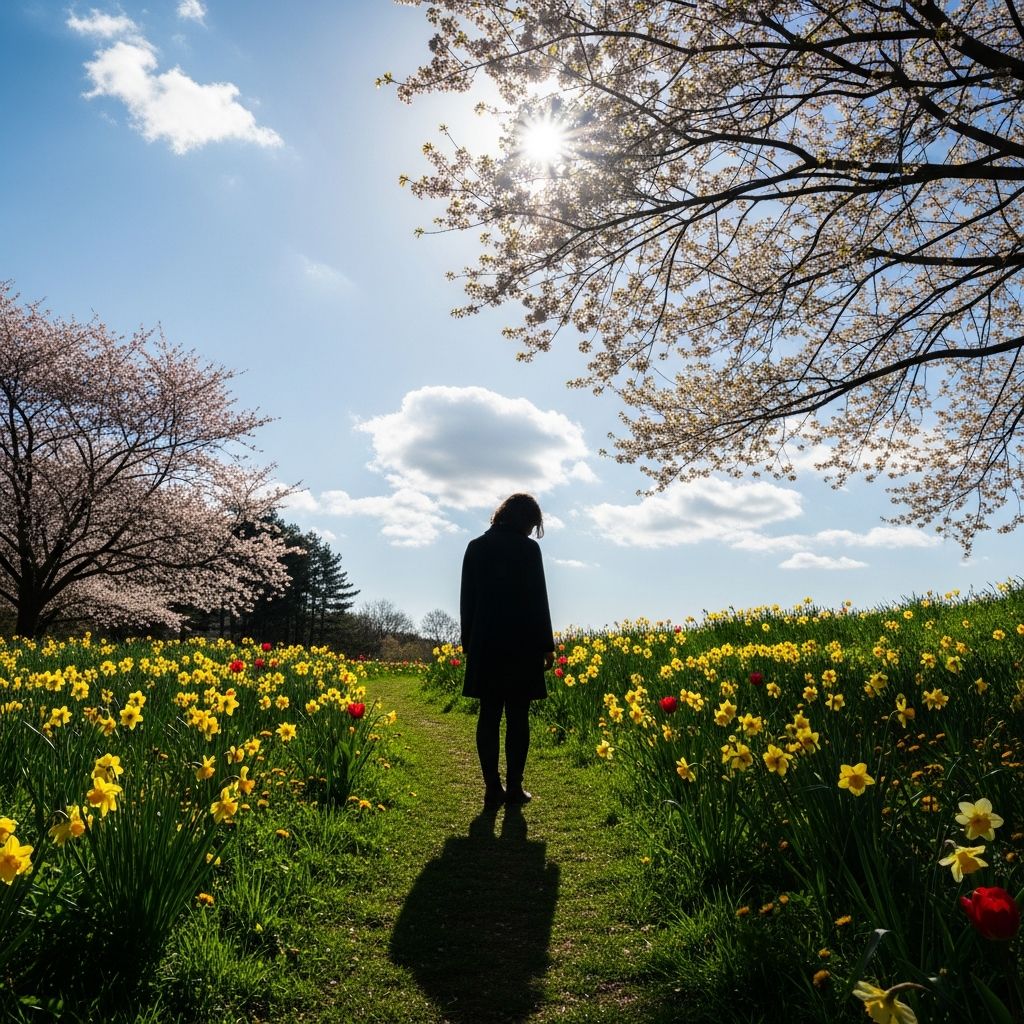
While seasonal depression is usually associated with the winter, some people find their symptoms peak in spring. This year, the arrival of sunnier days may pose more challenges than normal.
Most individuals recognize seasonal affective disorder (SAD) as a condition that intensifies during colder, darker months due to reduced sunlight disrupting circadian rhythms and serotonin levels. Symptoms like low mood, fatigue, and social withdrawal are common from autumn through winter, often easing in spring. However, not everyone experiences relief with warmer weather. A lesser-known variant, sometimes called ‘reverse SAD’ or summer-onset SAD, sees depressive episodes peaking in spring and summer. This form affects a smaller group but carries significant emotional weight, often feeling more isolating because societal expectations equate sunshine with happiness.
Suicide rates, surprisingly, peak in spring and summer across multiple studies, underscoring that brighter days do not universally alleviate mental health struggles. Researchers link this to various physiological and social factors, emphasizing the need to take springtime depression seriously regardless of the weather.
What causes springtime depression?
The exact mechanisms behind springtime or summer depression remain under study, but several factors contribute. Increased heat and humidity can disrupt sleep patterns, a major depression trigger, as warmer nights lead to insomnia and fragmented rest.
Dr. Elena Touroni, consultant psychologist and co-founder of The Chelsea Psychology Clinic, notes: “We’re still not sure what causes it, but it’s thought that the increased heat and humidity in spring and summer can play a role for some people.” She highlights social pressures too: “When the sun’s out and everyone’s busy socialising, it can make someone feel lacking in some way if they don’t feel the same way.”
Body image concerns intensify with seasonal clothing changes and beach-ready expectations, exacerbating low self-esteem. Seasonal allergies also play a role; pollen triggers inflammation via cytokines, which can cross into the brain and influence mood regulation, linking allergies to higher depression risk.
- Heat and humidity: Warmer temperatures disrupt melatonin production, altering circadian rhythms and increasing agitation.
- Social pressures: The ‘summer fun’ mandate creates FOMO (fear of missing out), isolating those unable to participate.
- Allergies and inflammation: Pollen-induced cytokines may inflame brain pathways involved in mood.
- Light exposure extremes: Excessive daylight can overstimulate for sensitive individuals, unlike winter’s deficiency.
Unlike winter SAD, which involves carbohydrate cravings, weight gain, and hypersomnia, spring/summer patterns feature insomnia, appetite loss, weight reduction, anxiety, and irritability—symptoms that demand distinct recognition.
Is it SAD or is it depression?
Differentiating reverse SAD from non-seasonal depression hinges less on labels and more on patterns and triggers. Dr. Touroni advises: “I think the focus should be less about viewing conditions as ‘real’ or not, but more about trying to uncover the reasons why someone might be feeling this way. Otherwise, we run the risk of stigmatising someone’s emotional experience.”
Winter SAD symptoms emerge stepwise from September, peaking by December with lethargy, increased sleep, appetite changes, and withdrawal, resolving by April. In contrast, spring depression aligns with longer days: poor sleep, restlessness, and heightened irritability.
| Symptom | Winter SAD | Spring/Summer SAD |
|---|---|---|
| Sleep | Oversleeping, difficulty waking | Insomnia, trouble staying asleep |
| Appetite/Weight | Increased, weight gain | Decreased, weight loss |
| Mood | Lethargy, low energy | Agitation, anxiety, irritability |
| Other | Carb cravings, social withdrawal | Restlessness, poor concentration |
Warning signs of depression, seasonal or not, include persistent low mood over weeks, sleep disturbances, anxiety spikes, irritability, and anhedonia (loss of pleasure in activities). Post-pandemic emotional rollercoasters are common, but prolonged changes warrant attention.
Related Stories



The National Institute of Mental Health (NIMH) describes SAD as recurrent depression lasting 4-5 months annually, with core symptoms like persistent sadness, hopelessness, irritability, guilt, and activity disinterest.
Extra challenges this spring
Emerging from lockdowns amplifies spring depression risks. Societal pushes to ‘return to normal’ pressure those still anxious about safety, especially with underlying conditions.
Dr. Touroni explains: “We went into lockdown with the understanding that it was protecting us from harm. For those with underlying health conditions, or for those who struggle with anxiety, it might take a while for them to feel safe in the world again.” The shift from collective hardship to perceived universal joy can heighten isolation.
Allergy seasons intensify with climate shifts, and disrupted routines from hybrid work add unpredictability. Those with bipolar tendencies risk hypomania in spring, where depression flips to elation.
- Post-lockdown anxiety: Fear of crowds and germs lingers.
- Social comparison: Social media amplifies others’ ‘fun’.
- Climate factors: Warmer, pollen-heavy springs due to global warming.
- Return-to-office pressures: Disrupts adapted home routines.
What to do if you’re struggling
Managing spring depression involves tailored strategies. Start with professional assessment to rule out other causes.
Lifestyle adjustments:
- Cool your sleep environment with fans/AC to combat heat-induced insomnia.
- Maintain routines: Fixed sleep/wake times stabilize circadian rhythms.
- Exercise outdoors early morning or evening to avoid peak heat; aim for 30 minutes daily.
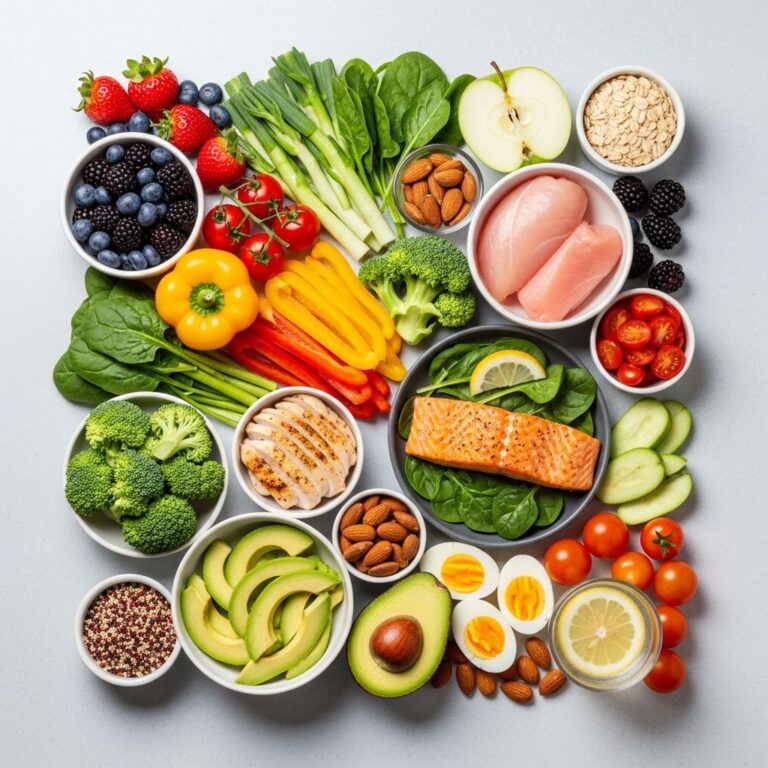
- Balanced diet: Focus on anti-inflammatory foods to counter allergies (e.g., fruits, veggies, omega-3s).
Therapies: Light therapy, effective for winter SAD, may help regulate patterns but consult for summer use. Cognitive behavioral therapy (CBT) addresses negative thoughts from social pressures. Onebright offers online CBT for anxiety/depression.
Medication: Antidepressants like SSRIs if recommended; NIMH suggests starting preventatively before peak season.
Social support: Connect virtually if crowds overwhelm. Mindfulness apps reduce anxiety.
For severe symptoms (suicidal thoughts), seek immediate help via crisis lines or ER.
Prevention for recurrent cases: Begin interventions pre-spring, per personalized plans.
Frequently Asked Questions (FAQs)
Q: Can depression really worsen in spring?
A: Yes, ‘reverse SAD’ or summer depression affects some, with symptoms like insomnia and irritability peaking due to heat, allergies, and social pressures.
Q: How is spring depression different from winter SAD?
A: Winter SAD features oversleeping and weight gain; spring version involves insomnia, weight loss, anxiety—tied to excess light/heat.
Q: What are warning signs I should watch for?
A: Persistent low mood, sleep/appetite changes, irritability, anhedonia over 2+ weeks signal need for help.
Q: Can allergies trigger spring mood dips?
A: Yes, inflammation from pollen (cytokines) links to brain mood changes.
Q: How to cope with post-lockdown spring blues?
A: Balance gradual re-entry with therapy; avoid pressure, prioritize self-care.
References
- Can spring make depression worse? — Patient.info. 2023. https://patient.info/features/mental-health/can-spring-make-depression-worse
- Seasonal affective disorder (SAD) — Patient.info. 2024-01-13. https://patient.info/doctor/mental-health/seasonal-affective-disorder-pro
- Seasonal Affective Disorder (SAD): Symptoms and Treatment — Patient.info. 2024. https://patient.info/mental-health/seasonal-affective-disorder-leaflet
- Seasonal affective disorder (SAD) – Symptoms & causes — Mayo Clinic. 2024-10-01. https://www.mayoclinic.org/diseases-conditions/seasonal-affective-disorder/symptoms-causes/syc-20364651
- Seasonal Affective Disorder — National Institute of Mental Health (NIMH). 2023-11-08. https://www.nimh.nih.gov/health/publications/seasonal-affective-disorder
Similar Articles








Read full bio of Sneha Tete