Can Stress Cause Heart Attacks? 5 Proven Biological Ways
Explore the link between chronic stress, anxiety, depression and increased heart attack risk, backed by recent research.
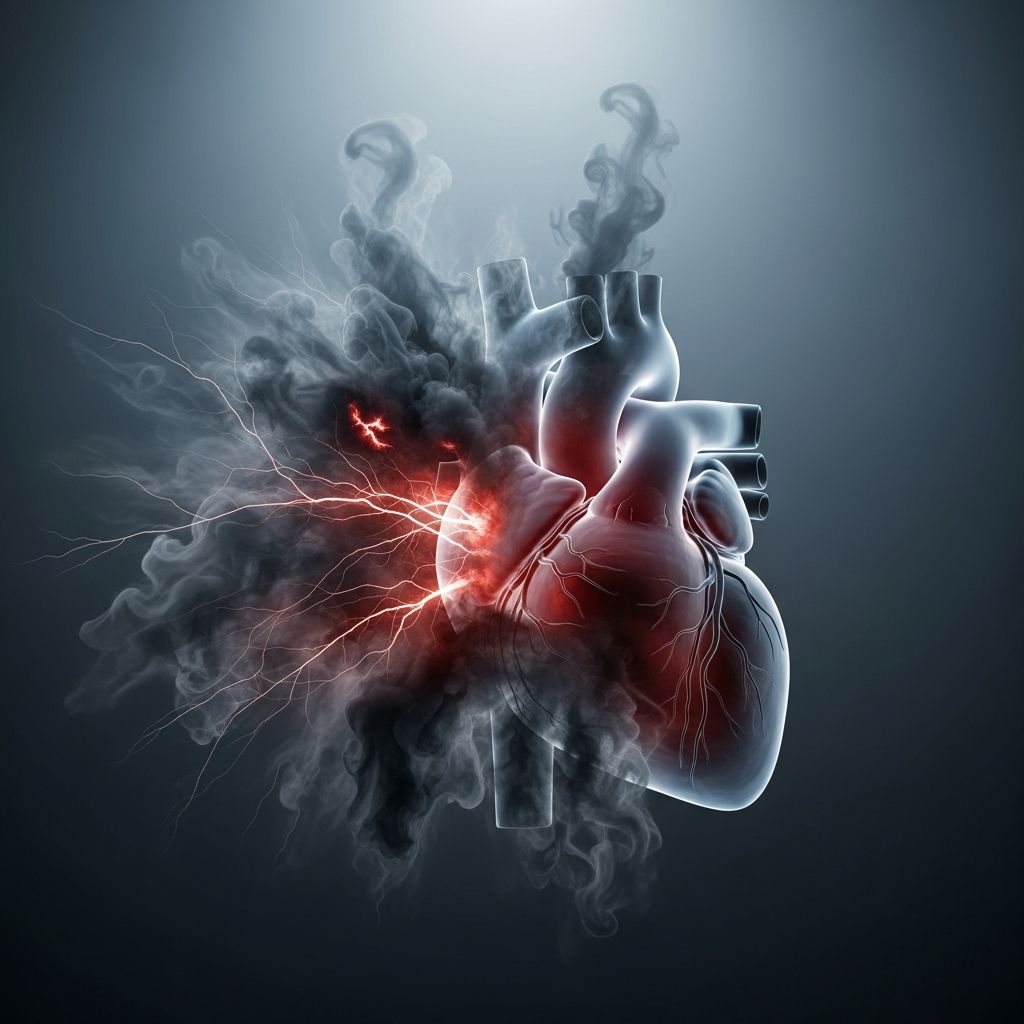
Chronic stress, anxiety, and depression significantly elevate the risk of heart attacks and other cardiovascular events through mechanisms like heightened inflammation, overactive stress responses, and nervous system dysregulation. Recent studies confirm these links, showing that individuals with both depression and anxiety face up to 32% higher risk compared to those with one condition alone.
Understanding the Stress-Heart Connection
Stress triggers the body’s ‘fight or flight’ response, releasing hormones like cortisol and adrenaline. While acute stress is adaptive, chronic stress leads to sustained high blood pressure, elevated heart rates, and plaque buildup in arteries, all precursors to heart attacks. Research from Harvard-affiliated Mass General Brigham analyzed 85,551 participants, finding that stress-related brain activity in the amygdala correlates with reduced heart rate variability and increased C-reactive protein (CRP) levels, markers of inflammation and cardiovascular risk.
Environmental and social stressors, such as noise or overcrowding, activate NLRP3 inflammasomes in heart cells, amplifying inflammation and altering molecular heart function even after just 10 days of exposure, as shown in UC Davis Health’s animal model studies published in the Journal of Molecular and Cellular Cardiology.
How Stress Contributes to Heart Disease
Chronic stress promotes several pathways to heart disease:
- High Blood Pressure: Persistent elevation damages artery walls, fostering atherosclerosis.
- Inflammation: Stress boosts proinflammatory cytokines and CRP, accelerating plaque formation.
- Hormonal Imbalance: Elevated cortisol raises cholesterol, triglycerides, blood sugar, and blood pressure.
- Behavioral Risks: Stress often leads to smoking, overeating, and inactivity, compounding dangers.
- Mental Stress Ischemia: Silent ischemia without chest pain increases recurrent event risks.
The American Heart Association notes that chronic stress from work or finances manifests physically as headaches, insomnia, and low energy, ultimately heightening heart attack odds.
Evidence from Recent Studies
Landmark research underscores the stress-heart link:
| Study/Source | Key Finding | Population/Method |
|---|---|---|
| Mass General Brigham (2025) | Depression + anxiety: 32% higher CVD risk; amygdala hyperactivity drives inflammation. | 85,551 participants; brain imaging, biomarkers. |
| UC Davis Health (2025) | Acute stress activates NLRP3 inflammasomes, causing heart inflammation. | Animal models; molecular analysis. |
| American Heart Association (2020, reaffirmed) | Chronic stress links to hypertension, plaque buildup via brain-bone marrow-artery axis. | Review of Lancet study; population data. |
| URMC (Ongoing) | Cortisol from stress increases lipids, glucose, BP, promoting arterial plaque. | Clinical observations. |
A Pakistani case-control study found psychological stress independently associates with CVD, even after controlling confounders, suggesting stress-induced ischemia as a trigger. Similarly, anger and acute emotional stressors provoke sympathetic surges, impairing endothelial function and vasodilation.
Broken Heart Syndrome: Stress-Induced Heart Attacks Without Blockages
Takotsubo cardiomyopathy, or ‘broken heart syndrome,’ mimics heart attacks with chest pain and ECG changes but stems from intense emotional stress like grief, without coronary blockages. Extreme stress surges catecholamines, stunning the heart muscle temporarily. Hartford Hospital cardiologists confirm: ‘You can have a heart attack from stress alone.’ Recovery is often full with supportive care, but recurrence risks persist with unmanaged stress.
Related Stories



Risk Factors Amplified by Stress
Stress exacerbates traditional risks:
- Pre-existing CVD: Mental stress tests reproduce ischemia in labs, predicting events.
- Type A Personality: Hostility and anger correlate with CV mortality since 1975 research.
- Workplace Stress: 2 in 3 employees report it, linking to insomnia and reduced productivity.
- Comorbid Mental Health: PTSD raises ischemia risk on treadmills.
Women and older adults may be particularly vulnerable due to prolonged stress responses.
Mental Health and Heart Health: The Dual Risk
Depression and anxiety independently predict CVD, but comorbidity amplifies danger. The 2025 Circulation study showed adjusted risks remain high post-lifestyle/socioeconomic controls, urging integrated mental-cardiac care. Overactive stress circuits chronically activate fight-or-flight, damaging vessels via inflammation.
Prevention and Management Strategies
Mitigate stress-heart risks with evidence-based approaches:
- Lifestyle Changes: Regular exercise, balanced diet, 7-9 hours sleep reduce cortisol.
- Stress Reduction: Mindfulness, yoga, meditation lower amygdala activity.
- Therapy: CBT addresses anxiety/depression; ongoing trials test stress interventions.
- Medication: Beta-blockers for sympathetic overdrive; anti-inflammatories under study.
- Workplace Interventions: Shorter hours, support programs cut chronic stress.
Clinicians should screen for mental health in CVD risk assessments, as emotional well-being protects the heart.
Frequently Asked Questions (FAQs)
Q: Can acute stress alone cause a heart attack?
A: Yes, via broken heart syndrome, where emotional shocks trigger heart stunning without blockages.
Q: How does chronic stress differ from acute stress in heart risk?
A: Acute is protective short-term; chronic sustains damage through hormones and inflammation.
Q: Are depression and anxiety bigger risks together?
A: Yes, 32% higher CVD risk with both versus one.
Q: What are early signs of stress-related heart trouble?
A: Headaches, insomnia, high BP, fatigue; monitor for chest pain.
Q: Can stress management prevent heart attacks?
A: Strongly indicated; therapies normalize brain/immune markers.
Conclusion
Stress undeniably contributes to heart attacks via biological chains from brain to vessels. Prioritizing mental health alongside physical checkups is crucial for prevention. Consult professionals for personalized advice.
References
- Depression and anxiety linked to increased risk of heart attack or stroke — Harvard Gazette / Mass General Brigham. 2025-12. https://news.harvard.edu/gazette/story/2025/12/depression-and-anxiety-linked-to-increased-risk-of-heart-attack-or-stroke/
- New study shows stress impacts the heart at a molecular level — UC Davis Health. 2025-08. https://health.ucdavis.edu/news/headlines/new-study-shows-stress-impacts-the-heart-at-a-molecular-level/2025/08
- Chronic stress can cause heart trouble — American Heart Association. 2020-02-04. https://www.heart.org/en/news/2020/02/04/chronic-stress-can-cause-heart-trouble
- Stress and Cardiovascular Disease — The Cardiology Advisor. N/A. https://www.thecardiologyadvisor.com/features/stress-and-cardiovascular-disease/
- Psychological Stress as a Risk Factor for Cardiovascular Disease — PMC / NIH. 2020. https://pmc.ncbi.nlm.nih.gov/articles/PMC7603890/
- Stress Can Increase Your Risk for Heart Disease — UR Medicine / URMC. N/A. https://www.urmc.rochester.edu/encyclopedia/content?ContentTypeID=1&ContentID=2171
- Does Stress Cause Heart Attacks? — Hartford Hospital. N/A. https://hartfordhospital.org/about-hh/news-center/news-detail?articleId=66185
Similar Articles








Read full bio of medha deb