Can Stress Cause Vertigo: 4 Key Mechanisms Explained
Explore the intricate link between stress, anxiety, and vertigo symptoms, and discover effective management strategies for better balance and well-being.
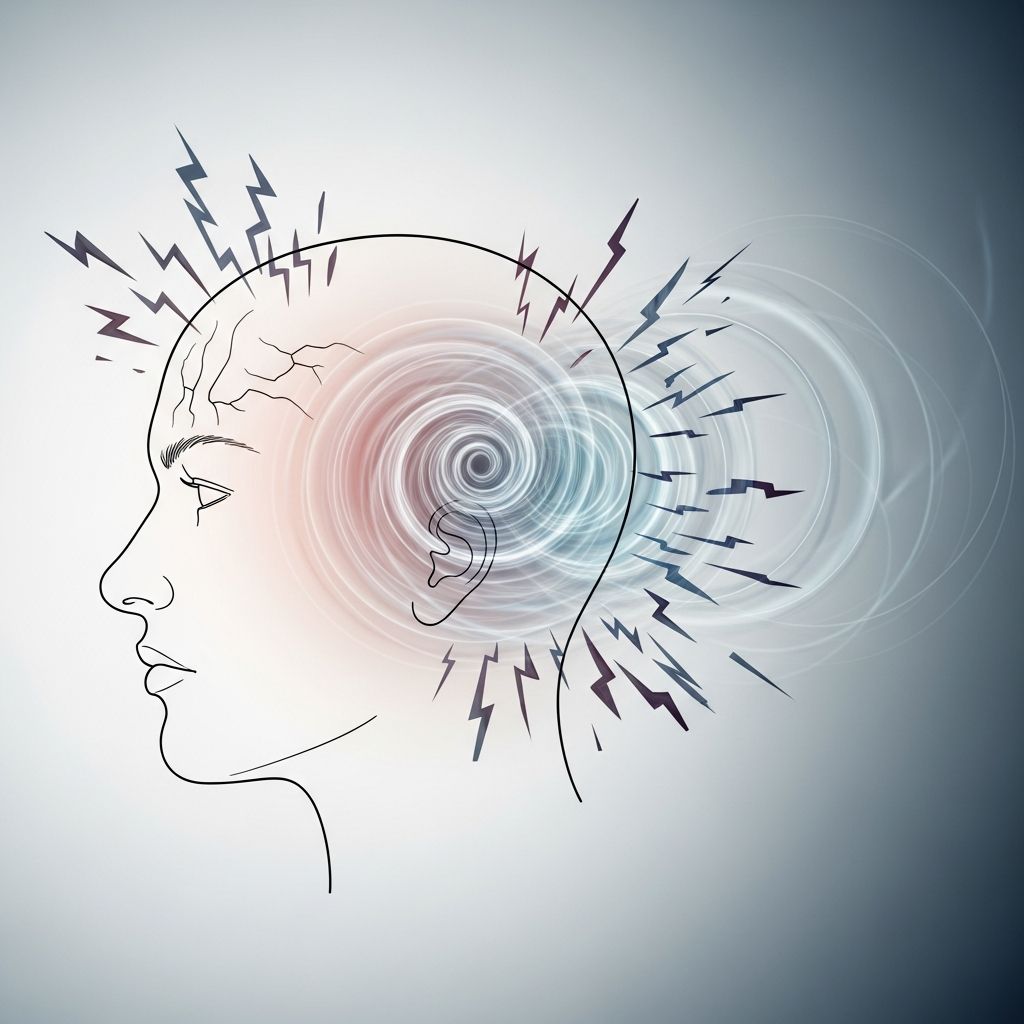
Vertigo is a debilitating sensation of spinning or whirling, often linked to inner ear issues, but emerging evidence shows stress plays a significant role in triggering or exacerbating it. While not the primary cause, chronic stress hormones like cortisol can disrupt the vestibular system, leading to dizziness episodes that impact daily life.
What is Vertigo?
Vertigo differs from general dizziness; it’s the false perception that you or your surroundings are moving, typically rotating. This stems from the vestibular system in the inner ear, which detects head position and motion to maintain balance. Common triggers include benign paroxysmal positional vertigo (BPPV), vestibular neuritis, and Meniere’s disease, but psychological factors like stress can amplify symptoms.
Symptoms include sudden spinning sensations, nausea, vomiting, balance loss, and nystagmus (involuntary eye movements). Episodes can last seconds to days, severely limiting activities like driving or working.
The Vestibular System Explained
The vestibular system comprises semicircular canals, otolith organs (utricle and saccule), and the vestibular nerve, sending signals to the brain via the brainstem and cerebellum for spatial orientation. Disruptions—such as inflammation from vestibular neuritis or crystal displacement in BPPV—cause mismatched signals, resulting in vertigo.
Stress influences this system indirectly. Elevated cortisol alters blood flow, heightens nervous system sensitivity, and promotes inflammation, mimicking or worsening vestibular dysfunction.
Can Stress Cause Vertigo?
Direct causation is rare, but stress is a well-documented risk factor. Research indicates stress may trigger vertigo onset or recurrence, particularly in BPPV cases where patients report high stress before episodes. Mechanisms include:
- Cortisol Surge: Stress releases cortisol, raising blood pressure and affecting inner ear fluid dynamics, disrupting balance signals.
- Nervous System Hypersensitivity: Chronic stress sensitizes the autonomic nervous system, amplifying dizziness from minor triggers.
- Immune Suppression: Stress weakens immunity, reactivating latent viruses like herpes that cause vestibular neuritis.
Studies show anxious patients have 4.65 times higher vertigo risk, and depressed patients 3.49 times, especially in episodic vestibular syndrome (EVS).
Stress and Anxiety’s Role in Vertigo
Anxiety disorders frequently coexist with vertigo, creating a vicious cycle. Heightened anxiety affects the vestibular system, causing psychophysiological dizziness—persistent non-spinning dizziness tied to stress. Stress-induced hyperventilation alters blood CO2 levels, leading to lightheadedness mistaken for vertigo.
| Condition | Stress Link | Prevalence |
|---|---|---|
| Anxiety Disorders | Triggers vestibular hypersensitivity | Common in EVS/CVS |
| Depression | Worsens vertigo via serotonin imbalance | 3.49x risk increase |
| Panic Attacks | Mimics vertigo with sudden dizziness | Often misdiagnosed |
How Stress Triggers Vertigo: Key Mechanisms
Cortisol and Blood Pressure
Related Stories



Stress elevates cortisol, increasing blood pressure and constricting inner ear vessels, impairing endolymph flow essential for balance.
Neck Tension and Muscle Strain
Stress causes upper cervical muscle tension, irritating proprioceptive nerves and contributing to cervicogenic dizziness.
Vestibular Migraine
Stress is a top trigger for vestibular migraines, combining headache with vertigo. Emotional strain lowers migraine thresholds.
Immune and Viral Factors
Prolonged stress suppresses immunity, allowing viral reactivation that inflames the vestibular nerve.
Psychological Impact of Vertigo
Vertigo induces fear of falling, anxiety, and avoidance behaviors, reducing quality of life. Recurrent episodes foster chronic worry, depression, and social isolation. Studies link pre-vertigo stress events to higher anxiety/depression rates.
This bidirectional relationship—vertigo worsening stress, stress aggravating vertigo—necessitates holistic management.
Other Causes of Vertigo
- BPPV: Loose canaliths cause brief spinning with head movement; stress hastens onset.
- Meniere’s Disease: Fluid buildup leads to episodic vertigo, tinnitus; stress exacerbates attacks.
- Vestibular Neuritis: Viral inflammation; stress via immunity links it.
- Central Causes: Strokes, MS; less stress-related but anxiety mimics.
When to See a Doctor
Seek immediate care for vertigo with headache, speech/vision issues, weakness, or chest pain—possible stroke signs. Persistent or worsening symptoms warrant GP/ENT evaluation, including Dix-Hallpike test for BPPV or MRI for central causes.
Mention stress/anxiety history for comprehensive assessment.
Managing Stress-Induced Vertigo
Combine vestibular rehab, stress reduction, and lifestyle changes:
- Breathing Exercises: Diaphragmatic breathing lowers cortisol, stabilizes autonomic function.
- Mindfulness/Meditation: Reduces anxiety, vestibular sensitivity.
- Progressive Muscle Relaxation: Eases neck tension.
- Physical Therapy: Epley maneuver for BPPV, vestibular exercises.
- Lifestyle: Sleep, diet, exercise; limit caffeine/alcohol.
- Therapy/Meds: CBT for anxiety; SSRIs if needed.
Frequently Asked Questions (FAQs)
Can stress directly cause vertigo?
No, but it triggers or worsens it via hormonal and nervous system effects.
How long does stress-induced vertigo last?
Seconds to days; managing stress shortens duration.
Is vertigo from stress dangerous?
Rarely, but fall risk exists; rule out serious causes.
Can meditation help vertigo?
Yes, by reducing stress triggers.
Does anxiety cause permanent vertigo?
No, symptoms improve with treatment.
This article synthesizes evidence showing stress’s profound vertigo influence. Proactive stress management restores balance and mental health. Consult professionals for personalized care.
References
- Can Stress Cause Vertigo? What You Need to Know — UCF Health. 2023. https://ucfhealth.com/our-services/primary-care/can-stress-cause-vertigo/
- Everything You Need to Know About Stress-Induced Vertigo — Barrett Chiropractic. 2023. https://www.barrettchiropractic.com/how-is-stress-associated-with-vertigo/
- Vertigo From Stress: Five Root Causes — Vertigo Detective. 2023. https://vertigodetective.com/vertigo-from-stress-five-root-causes/
- The effect of accompanying anxiety and depression on patients with vertigo — PMC (NCBI). 2023-08-01. https://pmc.ncbi.nlm.nih.gov/articles/PMC10427919/
- Vertigo: Symptoms, Causes, and Treatments — Patient.info. 2024. https://patient.info/signs-symptoms/dizziness/vertigo
- What causes dizziness and when should you worry? — Patient.info. 2024. https://patient.info/features/signs-symptoms/what-causes-dizziness-and-when-should-you-worry
- Psychophysiological dizziness — MedLink Neurology. 2023. https://www.medlink.com/articles/psychophysiological-dizziness
Similar Articles








Read full bio of medha deb