Can Supplements Save Your Sex Life? A Scientific Review
Explore the science behind sexual health supplements and discover what really works.

Can Supplements Save Your Sex Life?
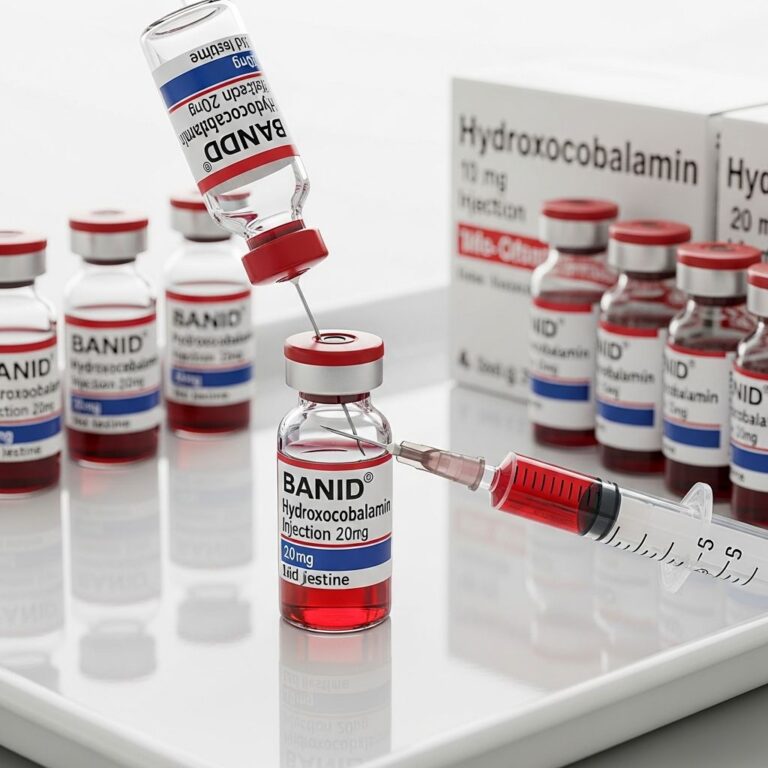
Sexual health is an important aspect of overall well-being, and many people turn to supplements hoping to enhance their intimate experiences. Walk into any drugstore, browse online retailers, or scroll through social media, and you’ll find countless products promising to boost libido, increase sexual pleasure, or restore erectile function. The global supplement industry capitalizes on these desires, with consumers spending millions annually on products marketed specifically for sexual enhancement. However, the reality behind these promises is far more complex than marketing claims suggest.
While supplements can be appealing solutions—offering discretion, convenience, and the possibility of avoiding difficult conversations—it’s crucial to understand what science actually tells us about their effectiveness and safety. This comprehensive guide explores the evidence behind popular sexual health supplements, identifies which ones have legitimate research support, and explains why professional medical guidance remains essential.
Understanding Sexual Health and Supplement Claims
Sexual dysfunction affects millions of people worldwide and can stem from various causes including cardiovascular health, psychological factors, hormonal imbalances, relationship dynamics, and lifestyle choices. Many sexual health challenges are not simply medical problems requiring a pill or supplement—they often reflect underlying health conditions or life circumstances that demand a more comprehensive approach.
Supplement manufacturers frequently make bold claims about their products’ abilities to enhance sexual performance. Yet when consumers examine these claims critically, they often discover that the evidence is considerably weaker than the marketing suggests. Many products making extraordinary claims have never been rigorously tested in human subjects, and some contain undisclosed ingredients that could pose serious health risks.
Popular Sexual Health Supplements and Their Evidence
Several supplements are frequently marketed for sexual health. Understanding what research says about each one helps consumers make informed decisions about whether they’re worth trying.
Vitamins and Micronutrients
Vitamin B3 (Niacin): Research published in the Journal of Sexual Medicine has shown promise for niacin in managing erectile dysfunction. A notable study found that men with erectile dysfunction and abnormal blood fat levels experienced improvements in erectile function after taking niacin for twelve weeks. Niacin supports healthy blood flow, which is essential for sexual function in both men and women. You can obtain niacin through supplements or food sources including chicken, turkey, tuna, and peanuts.
Vitamin B9 (Folate): A 2020 study noted a more direct connection between vitamin B9 and sexual health. Men with erectile dysfunction showed measurable improvements after taking a daily vitamin B9 supplement for three months. Interestingly, low folate levels have also been linked to premature ejaculation, another common male sexual performance concern. Folate-rich foods include leafy greens, legumes, asparagus, and fortified grains.
Vitamin C: This nutrient supports blood vessel health and circulation, both critical for sexual function. While the direct research on vitamin C and sexual performance remains limited, adequate vitamin C intake supports overall cardiovascular health, which influences sexual function. Fresh fruits, citrus, berries, and bell peppers provide abundant vitamin C, and most multivitamin supplements include it.
Related Stories



Vitamin D: Though research into vitamin D’s specific effects on sexual performance remains limited, some studies have linked vitamin D deficiency to erectile dysfunction. Given vitamin D’s broad role in overall health, maintaining adequate levels supports general wellness and may indirectly benefit sexual function. Many people obtain vitamin D through sun exposure, fatty fish, egg yolks, and fortified dairy products, though supplementation may be necessary in certain climates.
Amino Acids and Other Compounds
L-Arginine: This amino acid plays a crucial role in nitric oxide production, which promotes healthy blood flow—essential for erectile function. L-arginine may be moderately effective for erectile dysfunction, particularly when combined with FDA-approved ED medications like tadalafil (Cialis). However, as a standalone supplement, evidence of its effectiveness remains mixed.
DHEA (Dehydroepiandrosterone): This hormone functions as a precursor to testosterone, which regulates sex drive and libido. Some research suggests that DHEA supplementation may help individuals with low hormone levels, though effectiveness varies considerably among individuals.
Herbal and Botanical Supplements
Red Ginseng (Panax Ginseng): Sometimes called “herbal Viagra,” red ginseng is marketed as a natural sexual enhancement remedy. Some studies suggest it might produce improvements in erectile function and sexual satisfaction, but the overall quality of research remains low. Many claims about ginseng’s effectiveness exceed what current evidence actually supports.
Other Popular Ingredients: Products frequently contain tribulus terrestris, maca, fenugreek, horny goat weed, and yohimbine. However, sexual effects of these substances are not widely studied in humans. In fact, a comprehensive 2019 review of 413 studies on sexual enhancement supplements found that only 17% involved human subjects, raising serious questions about manufacturers’ effectiveness claims.
Critical Limitations of Supplement Research
Several significant gaps exist in our understanding of sexual health supplements’ true effectiveness. First, many supplements lack rigorous human studies. When researchers examined hundreds of studies on sexual enhancement supplements, the vast majority involved animal studies or laboratory research rather than human trials. This distinction matters enormously because results in animal models or test tubes often don’t translate to real-world human effectiveness.
Second, internet reviews present another major problem. Consumers researching supplements online frequently encounter glowing testimonials claiming miraculous results. However, research has exposed widespread deception in online reviews. Some companies pay reviewers to post positive feedback regardless of personal experience with the product. When researchers used software to filter out unreliable reviews from their analysis, the results were startling: positive effectiveness claims decreased by 77% to 90% across different categories. This dramatic decrease reveals how misleading online reviews can be for supplement shoppers.
Third, current understanding of how these supplements work remains weak. It isn’t clear whether vitamins and supplements help with sexual function if you don’t have an actual deficiency in those nutrients. In other words, if you’re healthy and consuming adequate amounts of vitamins B3, B9, C, and D through your diet, taking extra supplemental amounts may not enhance your sexual performance.
Hidden Dangers and Safety Concerns
Beyond ineffectiveness, some sexual health supplements pose genuine safety risks. One particularly troubling issue involves undeclared ingredients—substances not listed on product labels. There have been documented cases where sexual enhancement supplements contained prescription erectile dysfunction drugs like sildenafil and tadalafil without disclosure. While these medications are effective for many men, they’re not safe for everyone. They can be especially dangerous for men taking nitrates, a common heart medication. When people don’t know they’re consuming these drugs, they cannot make informed decisions about safety or potential interactions with other medications.
Additionally, excessive intake of certain vitamins can cause toxicity. Consuming more than recommended daily doses of vitamins like B3, C, and D can lead to adverse health effects. This underscores the principle that more isn’t always better when it comes to supplement consumption.
Sexual problems themselves may indicate underlying health conditions requiring medical attention. Erectile dysfunction frequently signals cardiovascular disease, diabetes, or other serious conditions. Similarly, changes in libido can reflect hormonal imbalances, depression, or relationship issues. Attempting to treat these with supplements while ignoring the root cause could delay diagnosis and treatment of genuinely concerning health problems.
The Role of Underlying Health Conditions
Sexual dysfunction often represents an early warning sign of underlying medical conditions. For instance, erectile dysfunction can be among the first symptoms of diabetes or heart disease. It’s also common in men with obesity. For many individuals, taking steps to manage blood sugar, control blood pressure, reduce weight, and address other health issues leads directly to better sexual function—without any supplements.
This reality highlights why consulting a healthcare provider about sexual concerns matters tremendously. A doctor can conduct a comprehensive evaluation to determine whether sexual difficulties reflect lifestyle factors, psychological issues, medication side effects, or underlying disease. Frequently, addressing the root cause resolves the sexual problem entirely while simultaneously improving overall health.
Lifestyle Factors and Natural Approaches
Beyond supplements, considerable evidence demonstrates that lifestyle modifications significantly impact sexual health and satisfaction. Regular physical exercise improves cardiovascular function, increases energy and confidence, and enhances sexual performance. Stress reduction through meditation, yoga, or counseling benefits both sexual function and overall well-being. Adequate sleep, healthy diet, maintaining healthy weight, limiting alcohol consumption, and avoiding smoking all support sexual health.
Many people report feeling more energetic, confident, and attractive when they prioritize their overall health through these foundational habits. These improvements often translate directly into better sexual experiences and satisfaction. In many cases, these lifestyle approaches prove more effective than supplements in improving sexual function.
Conventional Medical Treatments for Sexual Dysfunction
When lifestyle modifications and supplements prove insufficient, proven medical treatments exist. For erectile dysfunction specifically, PDE5 inhibitor medications such as sildenafil (Viagra), tadalafil (Cialis), and vardenafil represent the most effective oral treatments currently available. These medications work through well-understood mechanisms and have been rigorously tested in clinical trials. Other treatment options exist for different sexual health concerns and may be recommended based on individual circumstances.
Importantly, consulting with a healthcare provider allows access to these proven treatments when appropriate, along with personalized medical advice tailored to your specific situation.
Key Considerations Before Taking Sexual Health Supplements
If you’re considering sexual health supplements, keep several important points in mind:
Deficiency matters more than supplementation. If you’re deficient in vitamins B3, B9, C, or D, increasing your consumption through diet or appropriate supplementation might improve your overall wellness and sexual health. However, excessive supplementation beyond recommended daily doses offers no additional benefit and may cause harm.
Efficacy remains unproven for most products. While certain vitamins support overall health and may play a role in sexual function, more research is needed to determine whether natural supplements containing L-arginine, ginseng, and similar ingredients are as effective as manufacturers claim. Many lack sufficient human research to support bold marketing claims.
Supplements aren’t replacements for medical treatment. Sexual health supplements cannot replace FDA-approved medications or professional medical care. They also cannot substitute for healthy habits and lifestyle changes that genuinely make maintaining sexual function easier and more satisfying.
Potential interactions and safety concerns exist. Before starting any supplement, discuss it with your healthcare provider. They can identify potential interactions with medications you’re taking, assess whether hidden ingredients might pose risks, and determine whether supplements are appropriate for your individual health situation.
When to Consult a Healthcare Provider
Sexual health concerns warrant professional medical evaluation. A healthcare provider can:
– Conduct a thorough evaluation to identify underlying causes of sexual dysfunction- Rule out medical conditions like diabetes, heart disease, or hormonal imbalances- Review medications that might affect sexual function- Recommend appropriate treatments based on your specific situation- Provide personalized advice about which supplements, if any, might be beneficial- Monitor your health and adjust treatment as needed
Seeking professional help addresses not only the sexual issue but also potentially uncovers and treats serious underlying health conditions. This represents a genuine win-win situation where addressing the problem improves both sexual health and overall wellness.
The Bottom Line on Sexual Health Supplements
Sexual health supplements occupy a complex space between proven medical treatments and unsubstantiated marketing claims. While certain vitamins and nutrients genuinely support overall health and may indirectly benefit sexual function, most popular supplements lack robust human research proving their effectiveness. Some pose genuine safety risks through undisclosed ingredients or excessive doses.
Rather than relying primarily on supplements, a comprehensive approach to sexual health proves most effective: maintain a healthy lifestyle through regular exercise, stress management, adequate sleep, and good nutrition; address underlying health conditions with appropriate medical care; communicate openly with partners about sexual concerns; and consult healthcare providers about persistent sexual difficulties.
If you choose to use supplements alongside these approaches, do so thoughtfully—research products carefully, discuss them with your healthcare provider, purchase from reputable sources, and maintain realistic expectations about their potential benefits.
Frequently Asked Questions
Q: Can vitamins really improve sexual performance?
A: Certain vitamins like B3, B9, C, and D support overall health and may indirectly benefit sexual function, particularly if you have deficiencies. However, for people already consuming adequate amounts, additional supplementation beyond recommended daily doses typically provides no additional sexual performance benefits.
Q: Are sexual health supplements FDA-approved?
A: Most sexual health supplements are classified as dietary supplements, which face less rigorous FDA oversight than medications. This means many supplements on the market have not undergone the same extensive testing and approval process as prescription medications.
Q: Could sexual dysfunction indicate a serious health problem?
A: Yes, absolutely. Erectile dysfunction frequently serves as an early warning sign of cardiovascular disease, diabetes, or other serious conditions. Sexual changes can also reflect hormonal imbalances or psychological issues. Professional medical evaluation helps identify any underlying conditions requiring treatment.
Q: Are online reviews of sexual health supplements reliable?
A: No, online reviews are frequently unreliable. Research has shown that many positive reviews are paid endorsements unrelated to actual product experience. When researchers filtered out suspicious reviews, positive effectiveness claims decreased dramatically by 77% to 90%.
Q: What’s the safest approach to sexual health?
A: The safest approach combines lifestyle modifications (exercise, stress reduction, healthy diet, adequate sleep), professional medical evaluation of sexual concerns, addressing any underlying health conditions, and open communication with partners. For persistent issues, consult a healthcare provider about proven treatment options.
Q: Can I overdose on vitamins from supplements?
A: Yes, certain vitamins become toxic when consumed in excess. This is why taking more than the recommended daily dose can be harmful. Always follow label directions and discuss supplementation with your healthcare provider.
References
- Vitamins for ED: Erectile Dysfunction Supplement Guide — Hims Health. 2024. https://www.hims.com/blog/vitamins-for-ed
- Sexual Supplements: What Patients Should Know — HSA Deghi Medical Practice. 2024. https://www.hsadeghi.com/patient-education/sexual-supplements-what-patients-should-know/
- Niacin for Erectile Dysfunction in Men with Dyslipidemia: A Randomized Placebo-Controlled Study — Journal of Sexual Medicine, 2011.
- Vitamin B9 and Sexual Function in Men: A Clinical Review — Sexual Medicine Reviews, 2020.
- Systematic Review of Sexual Enhancement Supplements: Human Studies Analysis — Journal of Sexual Medicine, 2019.
Similar Articles








Read full bio of medha deb