Can the MIND Diet Help Keep Our Brains Healthy?
Discover how the MIND diet, blending Mediterranean and DASH principles, may slow cognitive decline and protect against dementia.
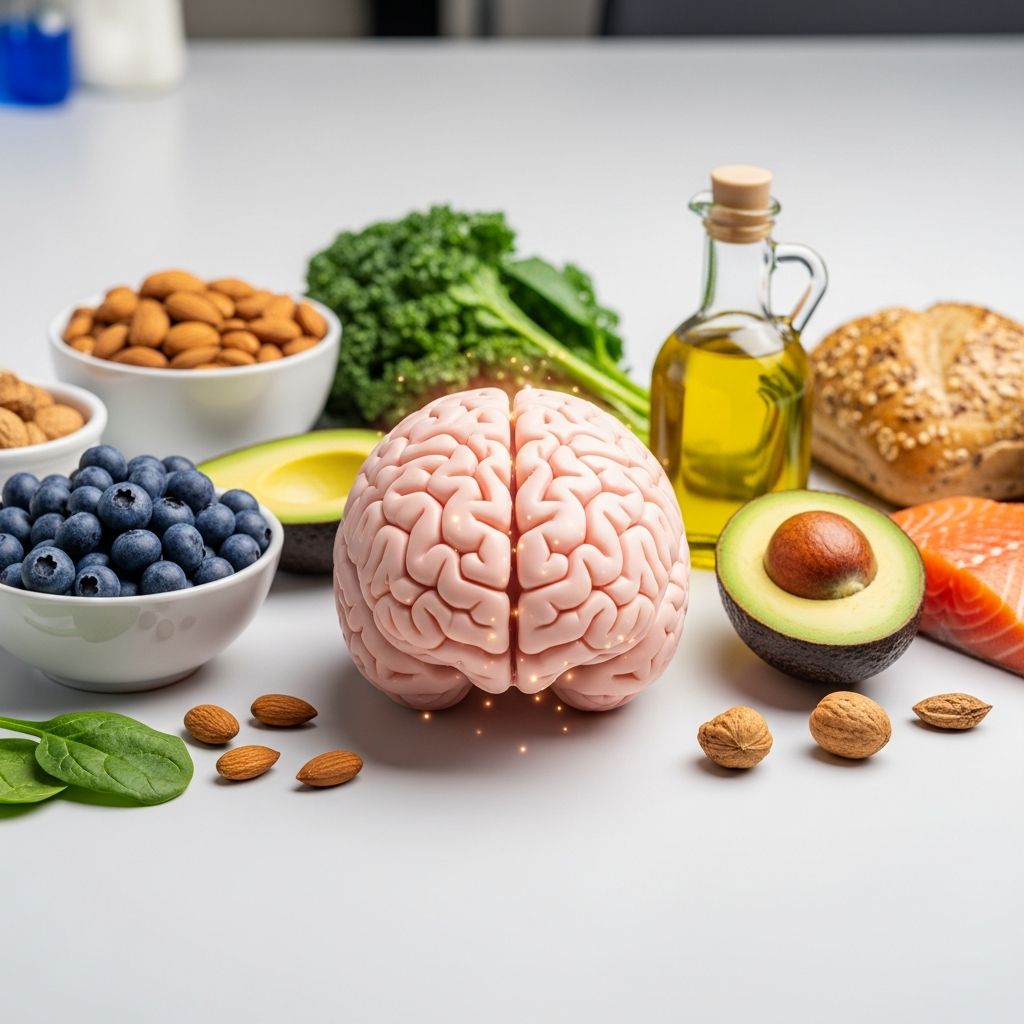
The MIND diet, short for Mediterranean-DASH Intervention for Neurodegenerative Delay, combines elements of the Mediterranean and DASH diets to target brain health specifically. Developed to combat cognitive decline and neurodegenerative diseases like Alzheimer’s, it emphasizes nutrient-dense foods that support neuronal function and reduce inflammation.
What is the MIND diet?
The
MIND diet
is a hybrid eating pattern designed to protect the brain from age-related decline. It draws from the Mediterranean diet, rich in fruits, vegetables, whole grains, and healthy fats, and the DASH diet, focused on lowering blood pressure through low-sodium, nutrient-packed foods. Unlike general diets, MIND prioritizes brain-boosting components like green leafy vegetables and berries while limiting detrimental items such as fried foods and sweets.Key principles include daily consumption of vegetables, berries, nuts, and whole grains; regular fish and poultry; and minimal red meat, butter, cheese, pastries, and fried foods. Adherence is scored from 0-15, with higher scores linked to better cognitive outcomes. Research shows even moderate adherence (scores of 6-9) can reduce Alzheimer’s risk by 35-53%, while strict adherence (10-15) offers up to 53% protection.
How does the MIND diet work for brain health?
The MIND diet supports brain health through antioxidants, anti-inflammatory compounds, and nutrients that enhance vascular function and neuroprotection. Green leafy vegetables provide folate, lutein, and vitamin K, which combat oxidative stress. Berries, especially blueberries, are rich in flavonoids that improve memory and delay cognitive aging.
Whole grains and nuts supply vitamin E, a potent antioxidant protecting brain cells. Fish offers omega-3 fatty acids like DHA, crucial for synaptic plasticity. By limiting unhealthy fats and sugars, the diet reduces insulin resistance and amyloid plaque buildup associated with Alzheimer’s.
Studies indicate these mechanisms slow global cognitive decline by up to 7.5 years’ worth in high adherers, with stronger effects on episodic memory, semantic memory, and perceptual speed.
What does the research say?
Multiple studies affirm the MIND diet’s benefits. A 2024 NIH study of over 4,000 adults found highest adherers had a 4% lower risk of cognitive impairment and slower decline rates, with pronounced effects in women (8% risk reduction) and Black participants.
The landmark 2015 Rush University Memory and Aging Project (MAP) followed 960 older adults, showing top MIND scorers experienced cognitive decline equivalent to being 7.5 years younger compared to lowest scorers. This held across five cognitive domains after adjusting for confounders like education and activity levels.
A 2024 randomized trial (MIND for Prevention of Cognitive Decline) with 604 overweight seniors showed short-term cognitive improvements in the MIND group over two years, though three-year results were similar to controls due to both groups’ dietary improvements and weight loss.
Meta-analyses from three cohorts (HRS, FOS, WII) linked higher adherence to lower dementia incidence, consistent across subgroups. Recent University of Hawaii research reinforces that starting the diet later in life still reduces Alzheimer’s risk significantly.
MIND diet food groups
The MIND diet features 15 components: 10 brain-healthy groups to prioritize and 5 to avoid. Here’s a breakdown:
- Green leafy vegetables (6+ servings/week): Spinach, kale, collards for vitamins and nitrates improving blood flow.
- Other vegetables (daily): Broccoli, carrots for fiber and antioxidants.
- Berries (2+ servings/week): Blueberries, strawberries over other fruits for anthocyanins.
- Whole grains (3+ servings/day): Oats, brown rice, quinoa for steady energy.
- Fish (1+ serving/week, not fried): Salmon for omega-3s.
- Poultry (2+ servings/week): Chicken, turkey as lean proteins.
- Beans/legumes (3+ servings/week): Lentils, chickpeas for plant protein.
- Nuts (5+ servings/week): Almonds, walnuts for healthy fats.
- Wine (optional, 1 glass/day): Red wine in moderation for resveratrol.
- Brain-unhealthy to limit: Red meat (<4/week), butter/margarine (<1 tbsp/day), cheese (<1/week), pastries/sweets (<5/week), fried food (<1/week).
Related Stories



| Food Group | Recommended Frequency | Brain Benefit |
|---|---|---|
| Green leafy veggies | 6+/week | Reduces oxidative stress |
| Berries | 2+/week | Boosts memory |
| Nuts | 5+/week | Protects neurons |
| Fried foods | <1/week | Avoids inflammation |
Sample MIND diet meal plan
A one-week plan illustrates practical application:
- Breakfast: Oatmeal with blueberries and walnuts; whole-grain toast with peanut butter.
- Lunch: Grilled chicken salad with spinach, chickpeas, olive oil dressing.
- Dinner: Baked salmon, quinoa, steamed broccoli and kale.
- Snacks: Handful of almonds, fresh berries, or hummus with carrots.
Adjust portions for calorie needs; aim for variety. Calorie restriction (e.g., 250 kcal/day reduction) enhances benefits via weight loss.
Benefits beyond the brain
Beyond cognition, MIND reduces cardiovascular risks like hypertension and stroke, which contribute to dementia. It aids weight management, diabetes control, and inflammation reduction. Observational data links it to lower Alzheimer’s risk even with moderate adherence.
Potential downsides and considerations
The diet is flexible and sustainable but requires planning for nuts and berries, which can be pricey. Those with allergies (e.g., nuts, fish) can substitute. It’s not a cure but a preventive tool; combine with exercise, sleep, and mental stimulation. Consult doctors for personalized advice, especially with conditions like kidney disease limiting certain foods.
Frequently Asked Questions (FAQs)
What is the MIND diet score?
The score (0-15) measures adherence: +1 for meeting each healthy group target, -1 for exceeding unhealthy limits. Scores ≥9 slow decline significantly.
Can I start the MIND diet at any age?
Yes, benefits accrue over time; even midlife or later adoption reduces dementia risk.
Is wine necessary?
No, it’s optional; non-drinkers see similar benefits without it.
How does MIND compare to Mediterranean or DASH?
MIND shows stronger brain protection; top adherers gain 7.5 extra cognitive years vs. 4.5 for Mediterranean.
Are there recipes for beginners?
Yes, focus on simple swaps: berries for desserts, olive oil for butter, fish for red meat.
References
- Healthful diet linked to reduced risk of cognitive decline — NIH Research Matters. 2024-09-18. https://www.nih.gov/news-events/nih-research-matters/healthful-diet-linked-reduced-risk-cognitive-decline
- MIND Diet Study Shows ‘Short-Term’ Impact on Cognition — Rush University Medical Center. 2025-01-01. https://www.rush.edu/news/mind-diet-study-shows-short-term-impact-cognition
- MIND diet slows cognitive decline with aging — PMC/NIH (Alzheimers Dement). 2015-11-01. https://pmc.ncbi.nlm.nih.gov/articles/PMC4581900/
- Association of the MIND Diet With the Risk of Dementia — JAMA Psychiatry. 2024-01-01. https://jamanetwork.com/journals/jamapsychiatry/fullarticle/2804268
- What is the MIND Diet? — Academy of Nutrition and Dietetics. 2023-01-01. https://www.eatrightpro.org/news-center/practice-trends/what-is-the-mind-diet
- It’s never too late to eat smarter to help your brain avoid dementia — University of Hawaii Cancer Center. 2023-11-23. https://www.uhcancercenter.org/about-us/newsroom/1123-new-uh-study-it-s-never-too-late-to-eat-smarter-to-help-your-brain-avoid-dementia
Similar Articles








Read full bio of medha deb