Tongue Scraping: 4 Benefits For Fresher Breath
Discover how tongue scraping can effectively eliminate bad breath and improve your oral hygiene routine.
Can Tongue Scraping Improve Bad Breath?
Bad breath, medically known as halitosis, affects millions of people worldwide and can significantly impact social interactions and self-confidence. While many people rely solely on brushing and flossing to maintain oral hygiene, an often-overlooked practice might offer substantial benefits: tongue scraping. The question of whether tongue scraping can improve bad breath has gained attention in recent years, with growing evidence suggesting that this ancient practice deserves a place in modern dental care routines.
Approximately 85 percent of bad breath cases originate in the mouth, and a significant portion of these cases are linked to residues and bacteria accumulated on the tongue’s surface. Understanding the relationship between tongue scraping and bad breath reduction can help individuals make informed decisions about their oral health practices.
Understanding the Source of Bad Breath
To appreciate how tongue scraping might help with bad breath, it’s important to understand where bad breath originates. The tongue is particularly susceptible to bacterial growth and the accumulation of debris because of its unique surface structure. Unlike the smooth surface of teeth, the tongue has numerous crevices, ridges, and taste buds that create ideal environments for bacteria to thrive.
The foul odor associated with bad breath is primarily caused by volatile sulfur compounds produced by anaerobic bacteria living in the mouth. These bacteria break down proteins and amino acids, releasing sulfur-containing gases that create the characteristic unpleasant smell. When these compounds accumulate on the tongue, they become increasingly difficult to eliminate through brushing alone, as toothbrush bristles are often unable to reach deep into the tongue’s crevices.
Additionally, dead skin cells, food particles, and a whitish coating called bacterial plaque naturally collect on the tongue throughout the day. This buildup not only contributes to bad breath but can also lead to other oral health issues, including gum disease and tooth decay. The tongue’s location at the back of the mouth makes it a particularly problematic area for maintaining cleanliness through conventional brushing techniques.
What Is Tongue Scraping?
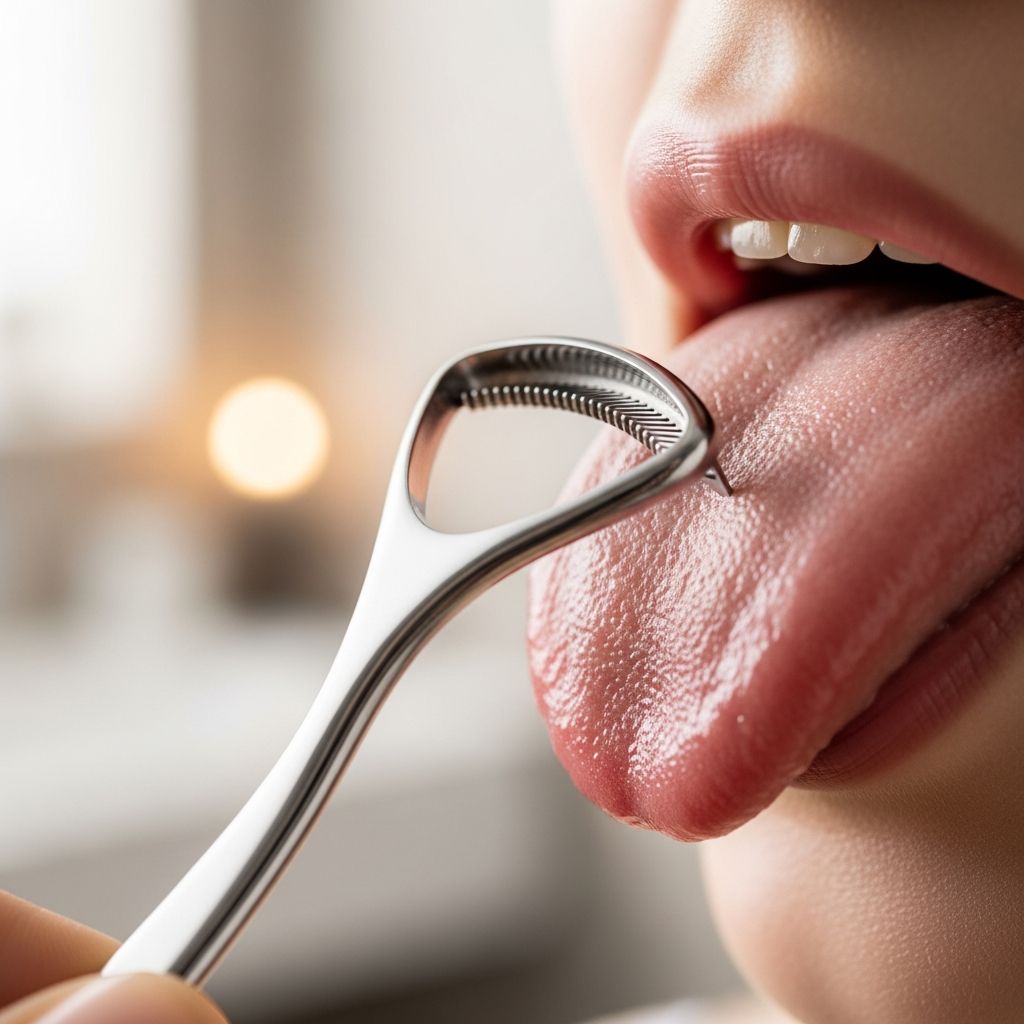
Tongue scraping is a mechanical process that involves using a specialized tool to remove bacteria, dead cells, and food debris from the tongue’s surface. The technique is not new; it has been practiced for centuries in Ayurvedic medicine and other traditional health systems. Modern tongue scrapers are typically U-shaped tools made from metal, silicone, or plastic materials.
The process involves gently drawing the scraper from the back of the tongue toward the tip, using smooth, deliberate motions. This action mechanically dislodges the buildup that has accumulated on the tongue surface. The tool is then rinsed, and the process is repeated several times until the tongue appears clean. Unlike mouthwash, which uses chemical agents, tongue scraping offers a purely mechanical solution to bacterial buildup.
Dental professionals note that while tongue scraping is not considered absolutely essential by major dental organizations, it can effectively complement existing oral hygiene practices when performed correctly. The American Dental Association recognizes tongue scraping as a safe practice when done properly, though they do not mandate it as part of standard dental care for all patients.
Related Stories



The Science Behind Tongue Scraping and Bad Breath
Clinical research has provided compelling evidence that tongue scraping significantly reduces the compounds responsible for bad breath. In a clinical trial involving ten healthy adults, participants using a dedicated tongue scraper achieved a 75 percent reduction in volatile sulfur compounds. By comparison, using a soft-bristled toothbrush to clean the tongue resulted in only a 45 percent reduction in these odor-causing compounds.
This substantial difference highlights an important distinction: while toothbrushes can provide some cleaning action, their bristles are not optimally designed to remove the compacted debris on the tongue’s surface. The mechanical action of a specialized scraper, with its flat or slightly curved edge, is considerably more effective at displacing buildup from the tongue’s crevices and ridges.
Research using genetic sequencing techniques has also demonstrated that tongue scraping effectively reduces the bacterial count on the tongue. By targeting and removing the bacterial colonies that produce sulfur compounds, tongue scraping addresses bad breath at its source rather than merely masking the odor with mint flavoring or other aromatic agents.
Key Benefits of Tongue Scraping
Beyond bad breath reduction, tongue scraping offers several important benefits for overall oral health and wellness:
Fresher Breath and Immediate Results
One of the most noticeable benefits of tongue scraping is the immediate improvement in breath freshness. Many individuals report noticeably fresher breath immediately after cleaning their tongue with a scraper. This makes tongue scraping particularly valuable before important social events, work meetings, or professional interactions where fresh breath is important.
Reduced Bacterial Buildup
By removing the physical accumulation of bacteria and dead cells, tongue scraping significantly reduces the overall bacterial load in the mouth. This reduction extends beyond bad breath prevention and can contribute to lower risks of oral infections and gum inflammation.
Enhanced Taste Perception
A clean tongue improves the ability to taste food and beverages properly. The coating that accumulates on the tongue can dull taste sensations, so removing this buildup allows taste buds to function more effectively. This enhancement in taste perception is a commonly reported benefit that many people find surprisingly significant.
Comprehensive Oral Hygiene
Tongue scraping complements brushing and flossing by targeting areas these other methods cannot reach effectively. When combined with brushing, flossing, and mouthwash, tongue scraping creates a more comprehensive approach to oral care that addresses all surfaces in the mouth.
Tongue Scraping Versus Brushing the Tongue
A common question is whether tongue scraping is truly superior to simply brushing the tongue with a toothbrush. The evidence clearly supports tongue scraping as the more effective method. While toothbrush bristles can remove some surface bacteria and debris, they do not penetrate as deeply into the tongue’s crevices as a dedicated scraper does. The flat or slightly curved edge of a tongue scraper is specifically designed to dislodge compacted buildup, whereas toothbrush bristles tend to brush over the surface.
Furthermore, the mechanical action of a scraper creates a different type of pressure and contact pattern compared to brushing. This difference in mechanism contributes to the significantly higher reduction in volatile sulfur compounds observed in research studies. For individuals specifically concerned with bad breath, using a tongue scraper in addition to brushing is more effective than relying on brushing alone.
How to Properly Scrape Your Tongue
To achieve maximum benefits from tongue scraping while ensuring safety, proper technique is essential. Following these steps can help you incorporate tongue scraping into your daily routine effectively:
Step-by-Step Instructions
Step 1: Begin at the Back Start by placing the tongue scraper at the back of your tongue, as far back as you can comfortably reach. This is where the greatest accumulation of bacteria typically occurs.
Step 2: Use Gentle Pressure Apply gentle, even pressure as you draw the scraper forward toward the tip of your tongue. Avoid scraping too aggressively, as excessive force can irritate the tongue tissue and potentially cause discomfort or injury.
Step 3: Repeat the Motion Repeat this raking motion several times, ensuring thorough coverage of the entire tongue surface. Most experts recommend three to five passes to adequately clean the tongue.
Step 4: Rinse the Scraper After each pass, rinse the scraper under running water to remove the dislodged debris. This prevents reintroduction of bacteria and particles back into your mouth.
Step 5: Final Rinse After completing the scraping process, rinse your mouth thoroughly with water to remove any remaining particles and leave your mouth feeling fresh.
Timing and Frequency
For optimal results, tongue scraping should be incorporated into your daily oral hygiene routine. Most dental professionals recommend scraping your tongue once daily, ideally in the morning after brushing your teeth. Some individuals find it beneficial to scrape in the evening as well, particularly if they have experienced problematic bad breath during the day.
Special Considerations for Different Populations
While tongue scraping is generally safe for most people, certain populations may have specific considerations:
Children and Pediatric Care
For children, gentle tongue cleaning using sterile gauze or a soft silicone tool can help prevent early bacterial buildup. Parents should supervise this activity to ensure appropriate technique and comfort. Many pediatric dental professionals recommend introducing gentle tongue cleaning habits early to establish good oral hygiene practices.
Older Adults
Seniors experiencing dry mouth or those who wear dentures may find tongue scraping particularly helpful for reducing odor and plaque accumulation. However, individuals with sensitive gums or bleeding concerns should consult with a dental professional before beginning a tongue scraping routine.
Those with Sensitive Gag Reflexes
Individuals with sensitive gag reflexes may find tongue scraping challenging. Starting with a shorter scraper or using gentle pressure toward the front of the tongue can help. Dental professionals can provide personalized instruction for managing this sensitivity.
Maintaining a Balanced Oral Microbiome
While removing excess bacteria through tongue scraping is beneficial, it is important to maintain balance in the oral microbiome. The mouth contains many beneficial bacteria that play important roles in oral health, including producing nitric oxide, which has protective properties. Excessively aggressive scraping or overuse of antiseptic mouthwashes could potentially disturb these beneficial bacterial communities.
Research has shown that overuse of harsh antiseptic mouthwash can alter the oral microbiome in ways that may have systemic effects, such as changes in blood pressure. Therefore, gentle and moderate tongue scraping is preferable to aggressive scraping, and combining it with antiseptic mouthwashes should be done judiciously.
When to Consult a Dental Professional
While tongue scraping is generally safe, certain situations warrant professional dental consultation:
If tongue scraping reveals persistent white patches on the tongue, this could indicate oral thrush or another condition requiring professional evaluation. Additionally, unexplained pain or bleeding during or after tongue scraping should be assessed by a dentist. Those experiencing severe gag reflexes, oral sensitivity, or concerns about proper technique should seek guidance from a dental professional who can provide personalized instruction and assessment.
Incorporating Tongue Scraping Into Your Oral Hygiene Routine
For maximum effectiveness, tongue scraping should be integrated into a comprehensive oral hygiene routine that includes brushing, flossing, and mouthwash. Each component targets different areas and functions:
Brushing removes plaque from tooth surfaces and gums. Flossing reaches between teeth where brushes cannot access. Tongue scraping targets the tongue’s crevices and removes bacterial buildup. Mouthwash can rinse away loosened particles and provide additional antimicrobial action.
By combining these practices, you create a thorough cleaning regimen that addresses all areas of the mouth. Many individuals find that this comprehensive approach leads to noticeably fresher breath, improved oral health, and longer intervals between professional dental cleanings.
Frequently Asked Questions
Q: Is tongue scraping safe?
A: Yes, tongue scraping is safe when performed gently with proper technique. Using a U-shaped tool and applying moderate pressure minimizes the risk of irritation or injury. If you experience pain or unusual symptoms, consult a dental professional.
Q: How often should I scrape my tongue?
A: Daily tongue scraping is recommended for most people, ideally once per day as part of your morning oral hygiene routine. Some individuals benefit from scraping twice daily, but this should not be done too aggressively.
Q: Can tongue scraping completely eliminate bad breath?
A: While tongue scraping significantly reduces bad breath caused by bacterial buildup on the tongue, persistent bad breath may indicate other underlying issues such as dental disease, dry mouth, or systemic conditions. If bad breath continues despite regular tongue scraping, consult a dentist.
Q: What type of tongue scraper is best?
A: Metal, silicone, and plastic scrapers are all effective options. Metal scrapers are durable and effective, while silicone options may be gentler for those with sensitive gums. Choose a scraper that feels comfortable in your hand and allows you to reach your entire tongue easily.
Q: Should I use mouthwash after tongue scraping?
A: Yes, rinsing with water or mouthwash after tongue scraping can help remove loosened debris and provide additional antimicrobial benefits. However, use mouthwash in moderation to preserve beneficial oral bacteria.
Q: Is tongue scraping recommended by dental professionals?
A: The American Dental Association considers tongue scraping safe when done properly. While not mandatory for all patients, many dental professionals recommend it as a helpful addition to standard brushing and flossing, especially for those prone to bad breath or coated tongues.
Conclusion
Tongue scraping represents a simple yet effective practice that can meaningfully improve bad breath and contribute to overall oral health. With scientific evidence supporting its effectiveness in reducing volatile sulfur compounds and bacterial counts, tongue scraping deserves consideration as part of a comprehensive oral hygiene routine. When performed gently using proper technique, it offers a safe, chemical-free method to address one of the most common oral health concerns.
For individuals struggling with persistent bad breath, incorporating daily tongue scraping alongside regular brushing and flossing may provide the additional benefits needed to achieve noticeably fresher breath and improved oral health. As with any health practice, consulting with a dental professional can provide personalized guidance and ensure that tongue scraping is appropriate for your individual circumstances and oral health status.
References
- Benefits of Tongue Scraping for Fresh Breath — Schwimmer Dental. 2024. https://www.schwimmerdental.com/blog/benefits-of-tongue-scraping
- Tongue Scraper vs Toothbrush: Effectiveness in Reducing Bad Breath — SNOW. 2024. https://www.trysnow.com/blogs/news/tongue-scraper-vs-toothbrush
- Frequency of Tongue Cleaning Impacts Oral Microbiome Composition and Systolic Blood Pressure — National Center for Biotechnology Information (NIH/PubMed Central). 2019. https://pmc.ncbi.nlm.nih.gov/articles/PMC6406172/
- Effective Tongue Cleaning Tips for a Healthier Mouth — Paynless Dental. 2024. https://paynlessdental.com.au/blog/tongue-cleaning-tips-healthier-mouth/
Similar Articles








Read full bio of medha deb