Can Viruses Lead to Skin Cancer? Understanding the Viral Connection
Explore the emerging link between viral infections and skin cancer development and what research reveals.
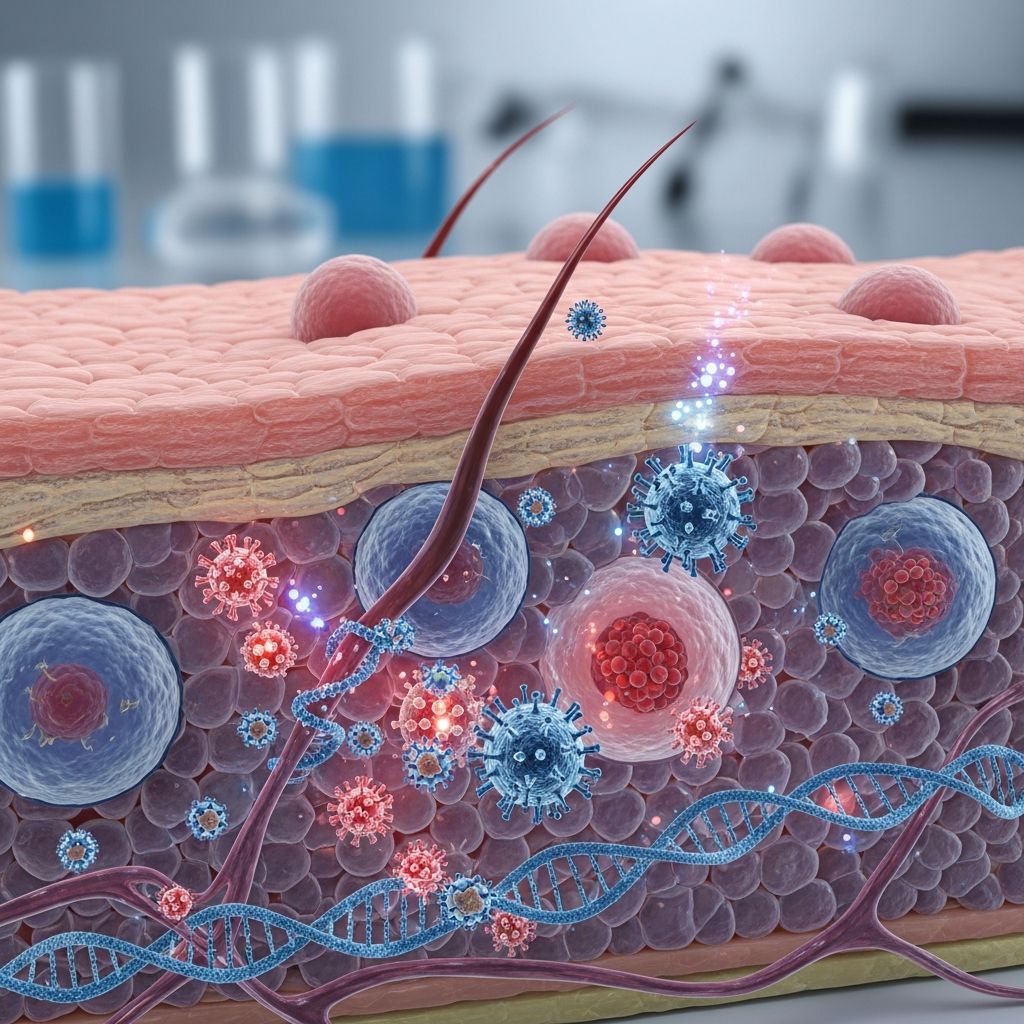
While ultraviolet (UV) radiation has long been recognized as the primary cause of most skin cancers, emerging scientific evidence suggests that viruses may also play a significant role in the development of certain types of skin cancer. This discovery has important implications for how we understand, prevent, and treat skin malignancies. Recent breakthroughs in virology and oncology have revealed that specific viral infections can directly contribute to skin cancer development, particularly in individuals with compromised immune systems.
The Role of Human Papillomavirus (HPV) in Skin Cancer
Human papillomavirus, commonly known as HPV, has emerged as a key player in skin cancer development. Beta-HPV, a specific strain of human papillomavirus, has been shown to have a direct connection to cutaneous squamous cell carcinoma (cSCC), one of the most common skin cancers globally. For decades, scientists believed that beta-HPV only facilitated UV-induced DNA mutations without directly causing cancer. However, groundbreaking research has challenged this assumption.
Recent studies published in The New England Journal of Medicine have demonstrated that beta-HPV can integrate directly into skin cell DNA and actively drive cancer growth. In one remarkable case study, researchers at the National Institutes of Health examined a 34-year-old woman with recurrent, aggressive squamous cell carcinoma on her forehead. Genetic analysis revealed that beta-HPV had integrated into her tumor’s DNA and was actively producing viral proteins that sustained the cancer.
What made this case particularly significant was that the patient’s cells were competent in repairing UV-induced DNA damage, which strongly suggested that the virus itself—rather than UV radiation—was the primary cause of her cancer. This discovery opened new avenues for understanding how viruses can directly oncogenesis, independent of solar exposure.
How Beta-HPV Causes Cancer in Immunocompromised Patients
The patient in the NIH study had an inherited immune disorder that impaired T-cell activation against beta-HPV infection. This immunological vulnerability proved crucial to cancer development. When the immune system cannot effectively target and eliminate viral infections, the virus can persist in skin cells and accumulate genetic changes that lead to malignancy.
Interestingly, the same patient’s immune system remained competent in repairing UV-induced DNA damage, yet she still developed aggressive skin cancer. This distinction was vital: it demonstrated that viral oncogenesis can occur independently of UV mutagenesis. The case highlighted how certain individuals with specific immune deficiencies may be at heightened risk for viral-driven skin cancers.
The breakthrough came when researchers developed a personalized treatment involving stem cell transplantation to restore healthy T-cell function. The transplant was successful, resulting in complete resolution of all HPV-related diseases, including the squamous cell carcinoma, with no recurrence after over three years of follow-up.
Merkel Cell Polyomavirus and Merkel Cell Carcinoma
Beyond HPV, another virus has been identified as a significant cause of skin cancer: Merkel cell polyomavirus (MCV). This virus causes Merkel cell carcinoma (MCC), a rare but highly aggressive form of skin cancer that begins in specialized nerve cells in the skin.
Merkel cell carcinoma presents a serious clinical challenge. If left untreated, it has a high risk of recurrence and spread to other parts of the body, with fewer treatment options available for advanced disease. Approximately 80% of Merkel cell carcinoma cases are caused by Merkel cell polyomavirus, making it the primary viral culprit in this cancer type.
Related Stories



Recent research has illuminated the mechanism by which Merkel cell polyomavirus promotes cancer growth. Unlike other similar skin viruses that infect the skin but do not cause cancer, Merkel cell polyomavirus “hijacks” a signaling pathway normally active in immune cells. The virus uses this pathway to promote its own growth and survival within infected cells, ultimately leading to uncontrolled cell proliferation and tumor formation.
This hijacking mechanism involves viral proteins that interfere with normal cellular regulation. By understanding these specific pathways, researchers have identified potential targets for future drug development. The same signaling pathway implicated in Merkel cell carcinoma is also critical in the development of other cancers, including multiple myeloma, chronic lymphocytic leukemia, and melanoma.
Understanding Viral DNA Replication in Cancer
A fundamental question in viral oncology is how cancer-causing viruses manage to override the host cell’s carefully regulated DNA replication system. Recent studies have provided surprising answers. Research published in the Proceedings of the National Academy of Sciences revealed that Merkel cell polyomavirus uses an ingenious strategy to outcompete normal cellular DNA replication.
The viral helicase—an enzyme that unwinds DNA—does not function as researchers initially expected. Instead of forming protective sleeves around DNA molecules, the viral helicase directly pries apart the DNA molecule repeatedly. Remarkably, this process occurs without consuming ATP, the cell’s primary energy currency. This efficiency allows the virus to outcompete normal cellular replication mechanisms and create hundreds of new viral copies.
Understanding these molecular mechanisms provides insights into why some viruses cause cancer while others do not. This knowledge could eventually lead to development of antiviral therapies and vaccines targeting cancer-causing viruses, offering new hope for prevention and treatment.
The Protective Hypothesis: When Viruses May Help
Interestingly, the relationship between HPV and skin cancer is not uniformly detrimental. Some research suggests a more nuanced picture. A provocative study published in Science indicated that beta-HPV may actually help protect skin against sun damage in some circumstances.
Researchers found that mice infected with a mouse version of beta-HPV were less likely than uninfected animals to develop skin cancer when exposed to UV radiation. The protective effect appeared to work by keeping mutant skin cells in check. This research hinted that the immune response to the virus might be instrumental in preventing certain precancerous changes from progressing to full malignancy.
Human evidence corroborated this finding. Facial skin, which receives substantial sun exposure, showed higher levels of beta-HPV compared with skin on the torso. Importantly, precancerous scaly patches contained less virus than surrounding healthy skin, suggesting that the viral presence—and the immune response it triggers—may limit cancer development.
This protective hypothesis does not diminish the documented cancer risks from certain viral strains. Rather, it suggests that different HPV strains may have different effects: some may contribute to cancer development while others may actually support the immune system’s ability to prevent malignancy.
Other Cancer-Causing Viruses and Skin Health
Beyond HPV and Merkel cell polyomavirus, several other human viruses are known to cause cancer. Human herpesvirus 8 (HHV-8) can be detected in nearly all tumors in patients with Kaposi sarcoma, a cancer that forms in cells lining blood and lymph vessels. This virus is particularly prevalent in individuals with weakened immune systems, such as those with HIV/AIDS.
The common thread among cancer-causing viruses is that they all share the ability to interfere with normal cellular regulation and evade immune surveillance. Understanding these mechanisms across different viral families may reveal common therapeutic targets applicable to multiple cancer types.
Implications for Vaccine Development and Prevention
Recent research published in Nature has revealed an important possibility: immunity to some HPV strains may actually protect against skin cancer. This finding has prompted consideration of vaccine development as a preventive strategy. Creating a vaccine that boosts antiviral immunity in the skin could potentially help prevent certain skin cancers before they develop.
However, experts emphasize that more research is needed to understand which specific HPV strains matter when it comes to skin cancer development. The skin hosts a complex community of viruses—what scientists call the skin “virome.” Further research into this viral ecosystem could illuminate prevention strategies and identify at-risk populations who might benefit from targeted interventions.
Future Research Directions
The convergence of virology, immunology, and oncology has created unprecedented opportunities for understanding viral-driven skin cancers. Key research priorities include:
- Identifying specific HPV strains that pose cancer risk versus those that may be protective
- Developing antiviral therapies targeting cancer-promoting viral mechanisms
- Creating vaccines to boost immune responses against oncogenic viruses
- Understanding why immunocompromised individuals are particularly vulnerable to viral skin cancers
- Exploring the shared pathways between different cancer-causing viruses to identify universal therapeutic targets
Key Takeaways
- Beta-HPV can directly integrate into skin cell DNA and drive squamous cell carcinoma, particularly in immunocompromised patients
- Merkel cell polyomavirus causes about 80% of Merkel cell carcinoma cases by hijacking cellular signaling pathways
- Some HPV strains may provide protective benefits against UV-induced skin damage
- Immune system function is critical in determining whether viral infections lead to cancer or are successfully controlled
- Understanding viral mechanisms may lead to new vaccines and antiviral treatments for skin cancer prevention
Frequently Asked Questions
Q: Can all HPV strains cause skin cancer?
A: No. While certain strains of beta-HPV are associated with squamous cell carcinoma, particularly in immunocompromised individuals, other HPV strains appear to have protective effects. Research indicates that immunity to some HPV strains may actually help prevent skin cancer.
Q: Is skin cancer from viruses common?
A: Viral-driven skin cancers are relatively rare compared to UV-induced cancers. However, about 80% of Merkel cell carcinoma cases are caused by Merkel cell polyomavirus, and emerging evidence shows HPV involvement in certain squamous cell carcinomas, particularly in patients with immune deficiencies.
Q: Can immune system improvement prevent viral skin cancer?
A: Yes. The remarkable case of the 34-year-old patient with HPV-driven squamous cell carcinoma demonstrated that restoring immune function through stem cell transplantation completely resolved her cancer. This suggests that strengthening immune responses against viruses may be an effective preventive and therapeutic strategy.
Q: What is the “skin virome”?
A: The skin virome refers to the complex community of all viruses that live on human skin. Researchers are studying this ecosystem to understand which viruses pose health risks and which may actually be beneficial.
Q: Could a vaccine prevent viral skin cancer?
A: Potentially. Research suggests that creating a vaccine to boost antiviral immunity in the skin could help prevent skin cancers caused by specific HPV strains. However, more research is needed to identify which strains should be targeted.
References
- NIH Study Reveals Beta-HPV Directly Causes Skin Cancer in Immunocompromised Patients — Clinical Laboratory Management Association. 2024. https://www.clinicallab.com/nih-study-reveals-beta-hpv-directly-causes-skin-cancer-in-immunocompromised-patients-28380
- Scientists Discover a Viral Cause of One of The Most Common Cancers — ScienceAlert. 2024. https://www.sciencealert.com/scientists-discover-a-viral-cause-of-one-of-the-most-common-cancers
- How a Virus Causes a Rare, Aggressive Skin Cancer May Help Lead to New Treatments — American Cancer Society. 2024. https://www.cancer.org/research/acs-research-highlights/skin-cancer-research-highlights/learning-how-a-virus-causes-a-rare-aggressive-skin-cancer-may-help-lead-to-new-treatments.html
- Common Virus May Help Protect Skin Against Sun Damage — Science Magazine. 2019. https://www.science.org/content/article/common-virus-may-help-protect-skin-against-sun-damage
- How Skin Cancer Virus Outcompetes Host Cell Replication — eCancer. 2024. https://ecancer.org/en/news/23365-how-skin-cancer-virus-outcompetes-host-cell-replication
- Can Viruses Lead to Skin Cancer? — American Academy of Dermatology (Skin Cancer Foundation). Accessed January 2026. https://www.skincancer.org/blog/can-viruses-lead-to-skin-cancer/
- Do Viruses Cause Cancer? — Dana-Farber Cancer Institute. December 2025. https://blog.dana-farber.org/insight/2025/12/do-viruses-cause-cancer/
Similar Articles








Read full bio of Sneha Tete