Can Vitamin D Supplements Prevent Autoimmune Disease?
New research reveals vitamin D supplements may reduce the risk of autoimmune diseases by up to 22%.
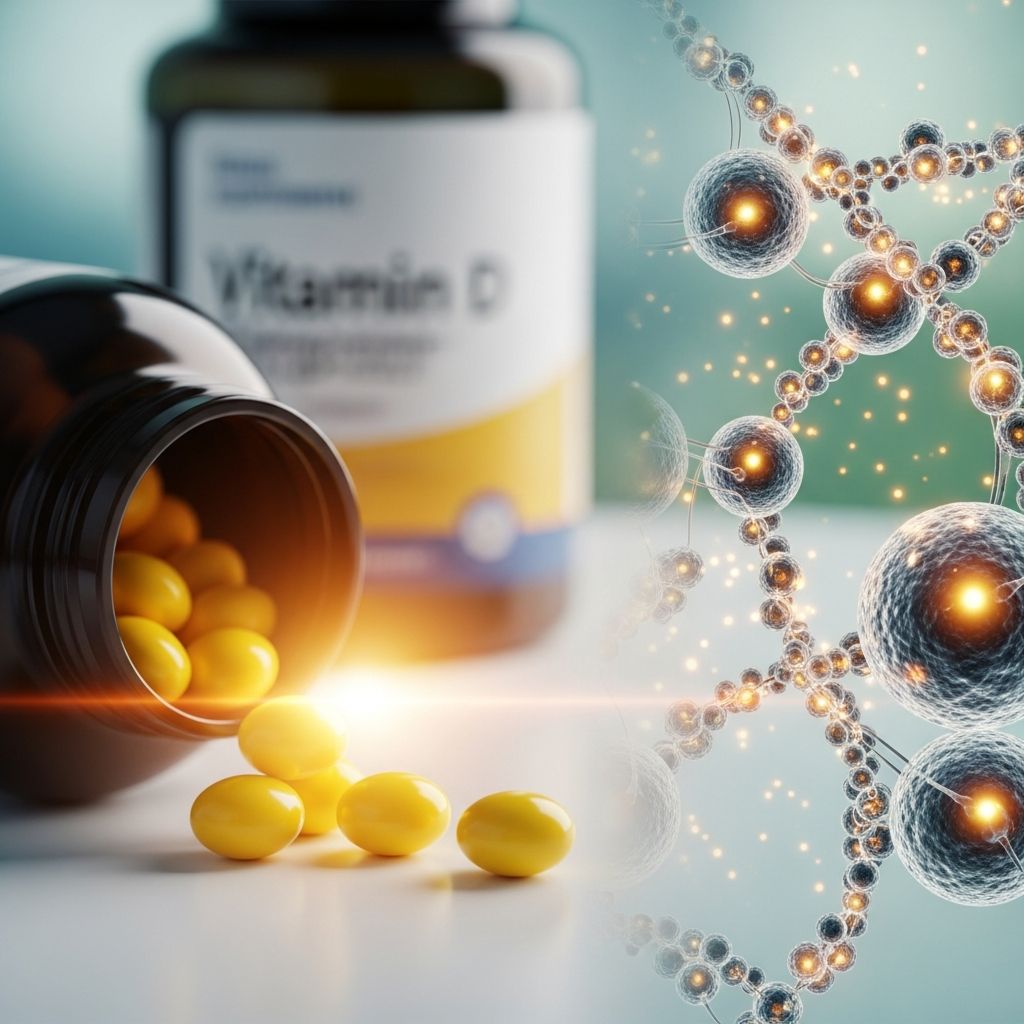
Autoimmune diseases affect millions of people worldwide, causing the immune system to mistakenly attack the body’s own tissues. Conditions such as rheumatoid arthritis, psoriasis, autoimmune thyroid disease, and inflammatory bowel disease are common and can significantly impact quality of life. Until recently, there was no proven way to prevent these diseases. However, groundbreaking research now suggests that vitamin D supplements may play a crucial role in reducing the risk of autoimmune disorders.
The VITAL Study: Key Findings
The Vitamin D and Omega-3 Trial (VITAL) is a large-scale, randomized, double-blind, placebo-controlled study that investigated the effects of vitamin D and omega-3 fatty acid supplements on the prevention of chronic diseases, including autoimmune disorders. The study followed over 25,000 men and women aged 50 and older for approximately five years.
Participants were randomly assigned to one of four groups:
- Vitamin D (2,000 IU/day) and omega-3 fatty acids (1,000 mg/day)
- Vitamin D (2,000 IU/day) and placebo
- Omega-3 fatty acids (1,000 mg/day) and placebo
- Placebo only
The results were striking. Those who took vitamin D supplements, with or without omega-3 fatty acids, had a 22% lower rate of autoimmune diseases compared to those who took a placebo. The effect was even more pronounced after two years of supplementation, with a 39% reduction in the rate of autoimmune diagnoses.
Which Autoimmune Diseases Were Studied?
The VITAL study focused on several common autoimmune diseases, including:
- Rheumatoid arthritis
- Polymyalgia rheumatica
- Autoimmune thyroid disease (Hashimoto’s thyroiditis, Graves’ disease)
- Psoriasis
- Inflammatory bowel disease
Participants reported new diagnoses of these conditions, and trained physicians reviewed medical records to confirm the diagnoses.
Omega-3 Fatty Acids: Limited Impact
While vitamin D supplementation showed a significant reduction in autoimmune disease risk, the impact of omega-3 fatty acids was less clear. The study found a 15% lower relative rate of autoimmune diagnoses in those who took omega-3 supplements, but this result was not statistically significant. This suggests that omega-3 fatty acids alone may not be as effective as vitamin D in preventing autoimmune diseases.
How Does Vitamin D Work?
Vitamin D plays a crucial role in regulating the immune system. Laboratory studies have shown that vitamin D can reduce cancer cell growth, help control infections, and reduce inflammation. Many of the body’s organs and tissues have vitamin D receptors, indicating its widespread influence on health.
The exact mechanisms by which vitamin D reduces the risk of autoimmune diseases are still being studied, but it is believed to help modulate the immune response and prevent the immune system from attacking the body’s own tissues.
Who Benefits Most?
The VITAL study included a large and diverse sample of participants, but all were older adults. The results may not be generalizable to younger individuals who experience autoimmune diseases earlier in life. The trial also only tested one dose and one formulation of each supplement. Longer follow-up may be more informative to assess whether the effects are long-lasting.
Related Stories



Experts recommend vitamin D supplementation for women aged 55 and older and men aged 50 and older. The recommended dose is 2,000 IU per day, which is higher than the Institute of Medicine’s recommendation of 600 IU per day for adults up to age 70 and 800 IU per day after age 70.
Are There Any Risks?
Vitamin D supplements are generally well tolerated and non-toxic at the doses used in the VITAL study. There were no significant differences in adverse effects between the intervention and placebo groups. However, it is important to consult with a healthcare provider before starting any new supplement regimen, especially if you have underlying health conditions or are taking other medications.
What Do Experts Say?
Dr. Karen Costenbader, senior author of the VITAL study, stated, “It is exciting to have these new and positive results for nontoxic vitamins and supplements preventing potentially highly morbid diseases. This is the first direct evidence we have that daily supplementation may reduce autoimmune disease incidence, and what looks like a more pronounced effect after two years of supplementation for vitamin D.”
Dr. JoAnn Manson, co-author and director of the parent VITAL trial, added, “Given the benefits of vitamin D and omega-3s for reducing inflammation, we were particularly interested in whether they could protect against autoimmune diseases.”
Future Research Directions
While the VITAL study provides strong evidence for the preventive effects of vitamin D supplements, more research is needed to confirm these findings in younger populations and to explore the long-term effects of supplementation. Future studies may also investigate the optimal dose and formulation of vitamin D for autoimmune disease prevention.
Practical Recommendations
Based on the VITAL study, here are some practical recommendations for reducing the risk of autoimmune diseases:
- Consider taking vitamin D supplements (2,000 IU/day) if you are 50 years or older.
- Discuss the potential benefits and risks with your healthcare provider.
- Monitor your vitamin D levels through regular blood tests.
- Maintain a healthy lifestyle, including a balanced diet and regular exercise.
Frequently Asked Questions (FAQs)
Q: Can vitamin D supplements prevent autoimmune diseases in younger people?
A: The VITAL study focused on older adults, so the results may not be generalizable to younger individuals. More research is needed to determine the effects in younger populations.
Q: Are there any side effects of taking vitamin D supplements?
A: Vitamin D supplements are generally well tolerated and non-toxic at the doses used in the VITAL study. However, it is important to consult with a healthcare provider before starting any new supplement regimen.
Q: How long does it take for vitamin D supplements to reduce the risk of autoimmune diseases?
A: The effect of vitamin D was not instantaneous. It took two to three years for the curves to separate, indicating that the benefits may take time to become apparent.
Q: Should I take omega-3 fatty acids along with vitamin D?
A: While omega-3 fatty acids may have some benefits, the VITAL study found that they did not significantly reduce the risk of autoimmune diseases. However, they may still be beneficial for overall health.
Q: What is the recommended dose of vitamin D for autoimmune disease prevention?
A: The VITAL study used a dose of 2,000 IU per day. This is higher than the Institute of Medicine’s recommendation, so it is important to discuss the appropriate dose with your healthcare provider.
References
- Vitamin D reduced rate of autoimmune diseases by 22% — Harvard Gazette. 2022-01-26. https://news.harvard.edu/gazette/story/2022/01/vitamin-d-reduced-rate-of-autoimmune-diseases-by-22/
- Vitamin D – The Nutrition Source — Harvard T.H. Chan School of Public Health. 2022-01-26. https://nutritionsource.hsph.harvard.edu/vitamin-d/
- VITAL study investigates vitamin D and fish oil effects on … — Council for Responsible Nutrition. 2022-01-26. https://www.crnusa.org/vitamin-D
Similar Articles








Read full bio of Sneha Tete