Can Watching Horror Films Reduce Stress?
Discover how horror movies might help manage stress and anxiety through fear, adrenaline, and psychological release.
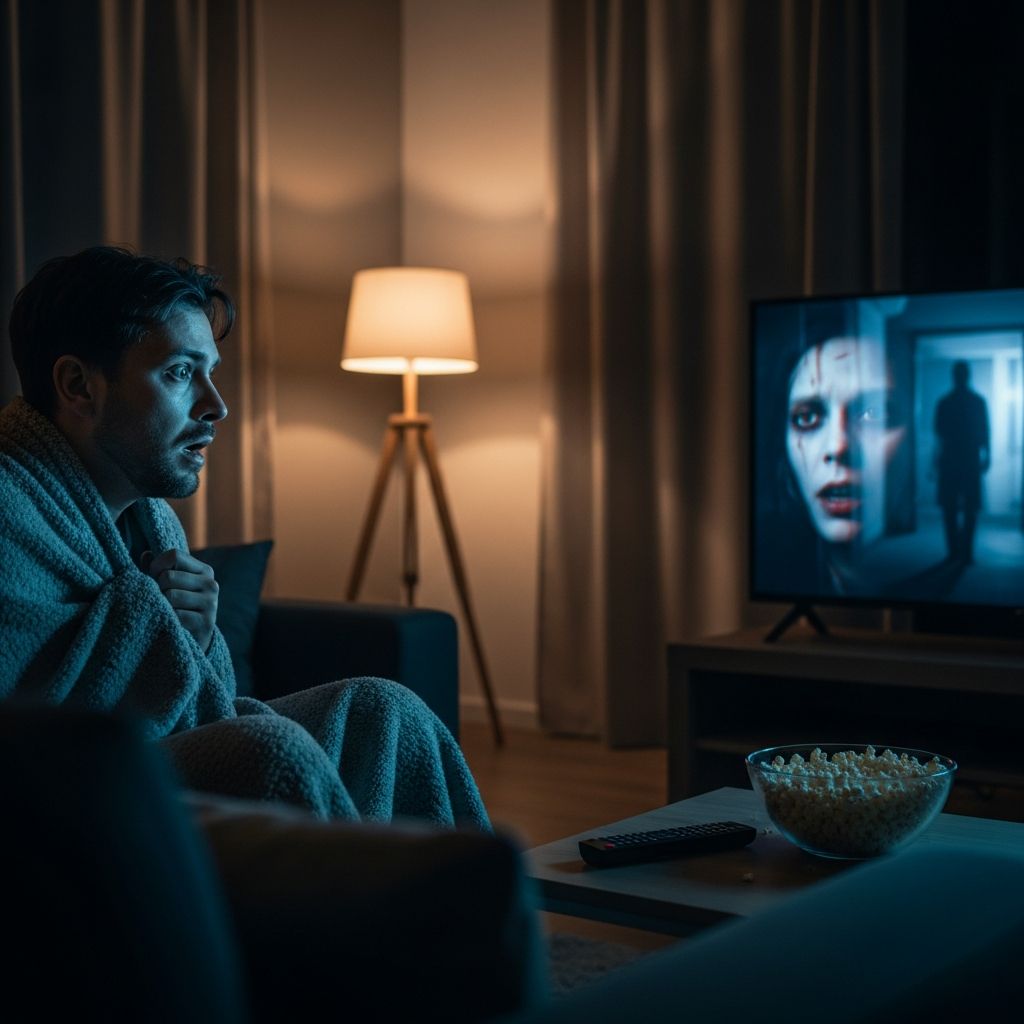
Horror films trigger intense fear responses that can paradoxically lower stress levels by releasing pent-up tension and providing a safe adrenaline rush. Research shows this ‘paradox of horror’ activates the sympathetic nervous system, mimicking exercise-like effects on the body while offering psychological benefits like exposure therapy.
Why Do People Enjoy Being Scared?
The appeal of horror lies in the ‘paradox of horror,’ where individuals seek discomfort for pleasure. Evolutionarily, this stems from ancient survival mechanisms: our brains are wired to respond to threats like saber-tooth tigers, activating fight-or-flight responses.
When watching films like The Exorcist, viewers experience increased heart rate, rapid breathing, sweating, and even nausea—symptoms akin to a panic attack. Yet, safely contained on screen, this becomes thrilling.
Psychologically, horror serves as coping mechanism. It allows confrontation of fears in a controlled environment, diminishing real-life anxieties over repeated exposure, much like exposure therapy used in treating phobias.
- Safe thrill: Experience danger without real risk.
- Emotional catharsis: Release suppressed emotions.
- Social bonding: Shared scares foster community discussions.
The Science Behind Horror and Stress Relief
Horror viewing impacts brain chemistry profoundly. Fear spikes adrenaline and cortisol, followed by a dopamine surge during the ‘rest-and-digest’ phase, creating euphoria and well-being.
This post-scare calm ‘resets the thermostat’ on perceived risks. After a horror marathon, everyday stressors like public speaking or work confrontations feel less daunting.
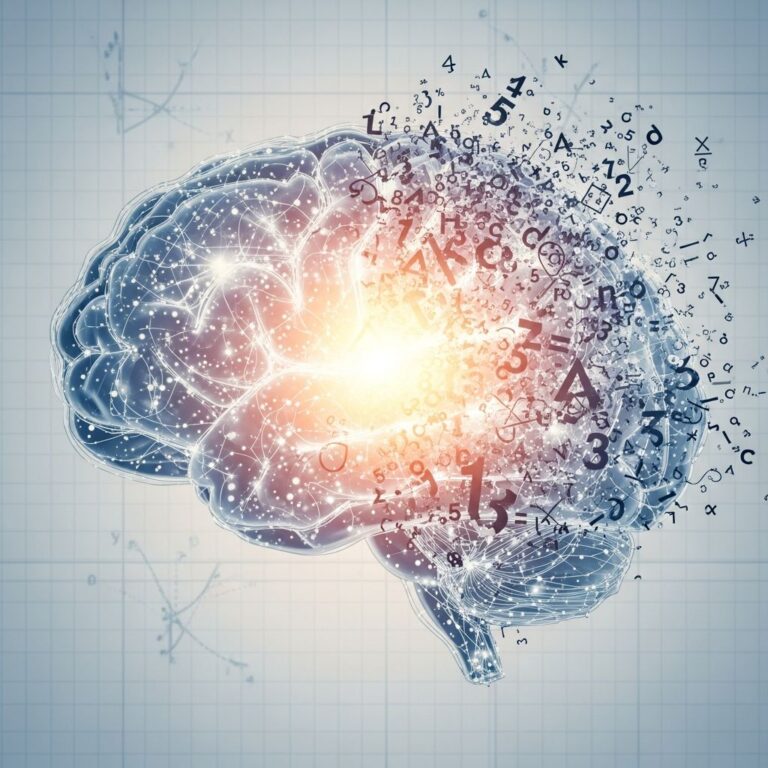
Neuroimaging studies confirm this: scary scenes activate the anterior cingulate cortex, insula, thalamus, and visual areas. Movie-induced anxiety correlates with dorsomedial prefrontal cortex (DMPFC) activity, central to fear processing.
Sensation-seeking personalities—those high on Zuckerman’s Sensation Seeking Scale—show heightened activation in visual cortex, thalamus, and insula during threats, explaining their affinity for horror.
| Brain Region | Role in Horror Response | Source |
|---|---|---|
| Anterior Cingulate Cortex (ACC) | Threat detection | |
| Insula & Thalamus | Arousal induction | |
| DMPFC | Subjective anxiety experience | |
| Visual Cortex | Enhanced processing of scares |
Physiological Effects on the Body
Scary movies mimic moderate exercise: heart rate surges, blood pressure rises, pupils dilate, breathing quickens, and muscles tense due to adrenaline.
For healthy people, these are temporary and harmless. Cardiologist Thriveni Sanagala, MD, notes effects parallel workout physiology without sustained harm.
Chronic stress from daily life elevates cortisol persistently, harming health more than fleeting movie frights. Occasional scares may even counter this by providing controlled stress release.
Horror as Exposure Therapy
Repeated exposure to fear stimuli reduces sensitivity. Medical student Hannah Nam compares horror to clinical exposure therapy: habitual scares lessen fear responses, applicable to real scenarios.
Related Stories



During COVID-19, horror viewership surged as a ‘release valve’ for pandemic tension, validating stress-relief role.
Who Benefits Most from Horror?
- Sensation seekers: Thrive on arousal, correlating with brain activation patterns.
- Stress accumulators: Use scares for catharsis during high-pressure times.
- Mental health explorers: Horror metaphors humanize struggles, offering empathy for ‘monstrous’ inner parts.
Potential Risks and Who Should Avoid Horror
Not universal: those with trauma history, low fear thresholds, anxiety disorders, paranoia, impulse issues, or cardiac/respiratory conditions risk exacerbation.
Children especially vulnerable; supervise closely. Pre-existing heart patients monitor for chest pain, breathlessness, dizziness.
Though unlikely to cause heart attacks—less intense than real shocks—caution advised.
Practical Tips for Stress-Reducing Horror Sessions
- Choose age-appropriate films; avoid gore shocks.
- Watch with friends for social support.
- Limit to 1-2 films; follow with relaxation.
- Pair with deep breathing post-viewing.
- Track mood: discontinue if anxiety worsens.
Frequently Asked Questions (FAQs)
Can horror movies cause heart attacks?
Not likely for healthy individuals; effects are temporary like exercise. Those with heart conditions should heed symptoms.
Why do some people love horror while others hate it?
Sensation-seeking traits drive enjoyment via heightened brain arousal. Low seekers find it overwhelming.
Is watching horror good for anxiety?
Yes, via exposure therapy and dopamine rewards, but avoid if prone to panic.
How does horror help during stressful times like pandemics?
Acts as tension release; viewership spiked in COVID-19 for catharsis.
What’s the best way to use horror for stress relief?
Moderation: controlled scares followed by safety reaffirmation boosts resilience.
During high-stress periods, horror offers a unique outlet. Psychologist Lee Chambers notes multiple anxiety-reduction pathways, aligning with community insights.
References
- The Medical Minute: Is Horror Healthy? — Penn State Health News. 2022-10-27. https://pennstatehealthnews.org/2022/10/the-monster-medical-minute-is-horror-healthy/
- What happens to your body when you get spooked? — Ohio State University Wexner Medical Center. Accessed 2026. https://health.osu.edu/health/mental-health/psychology-of-scary-movies
- Fright night: What scary movies do (and don’t do) to your heart — Endeavor Health. Accessed 2026. https://www.endeavorhealth.org/articles/how-scary-movies-affect-the-heart
- Neural Representation of Anxiety & Personality During Scenes — PMC (PubMed Central). 2008-10-15. https://pmc.ncbi.nlm.nih.gov/articles/PMC6870723/
- Does Watching Horror Movies Reduce Stress? — Patient.info Community. Accessed 2026. https://community.patient.info/t/does-watching-horror-movies-reduce-stress/812140
Similar Articles








Read full bio of Sneha Tete