Can White Wine Increase Your Risk for Skin Cancer?
Discover if white wine raises melanoma risk more than red wine, backed by studies on alcohol's role in skin cancer.
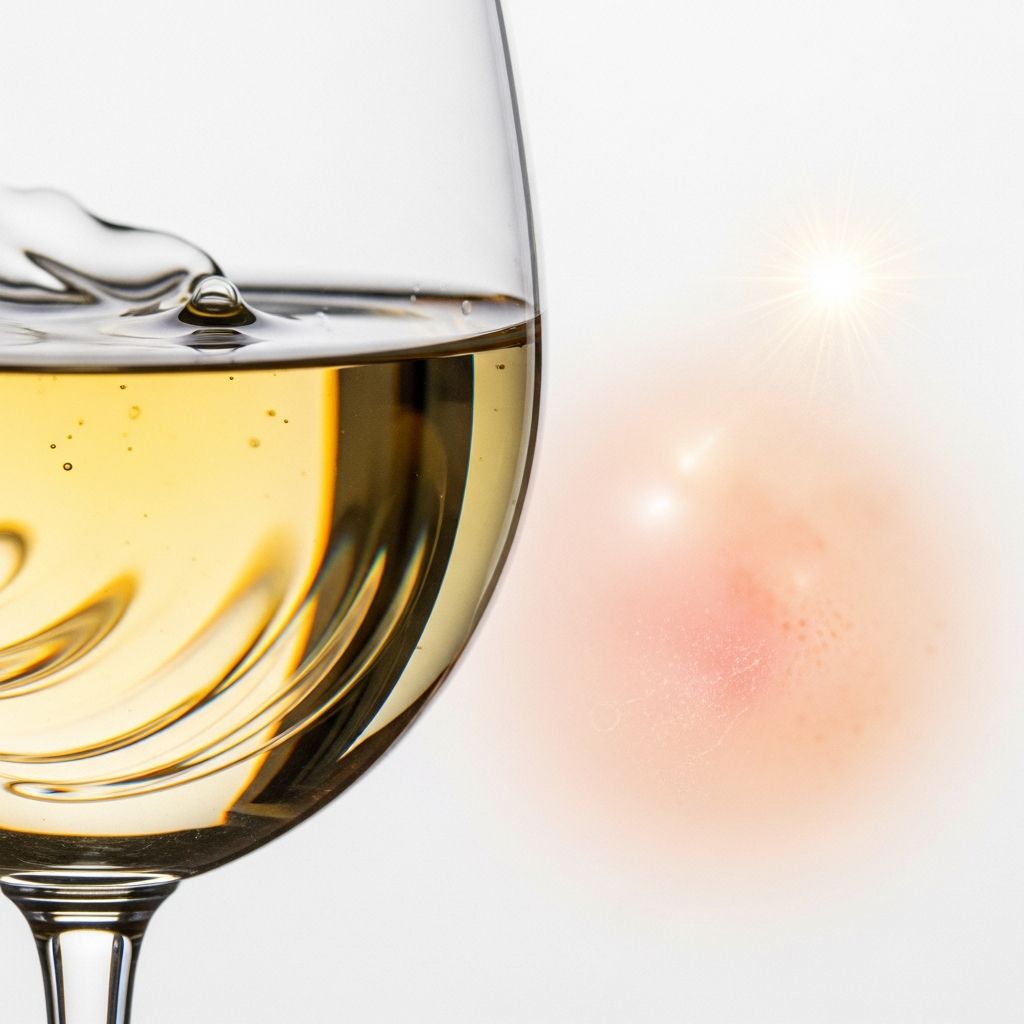
Studies suggest white wine consumption may modestly elevate melanoma risk, with one drink daily linked to a 13-22% increase, unlike red wine.
Skin cancer prevention typically focuses on ultraviolet (UV) radiation from sun exposure and tanning beds, but emerging research explores alcohol’s role. In early 2025, the U.S. Surgeon General issued an advisory confirming alcohol as a carcinogen, associating it with risks for cancers like breast, colorectal, and esophageal, though skin cancer was not explicitly listed. However, specific studies highlight white wine’s potential link to melanoma, the deadliest skin cancer form.
This article examines the evidence, mechanisms like acetaldehyde, comparisons between wine types, and practical advice. While UV remains the dominant factor, understanding these associations empowers informed choices, especially for high-risk individuals with fair skin, family history, or prior cancers.
What Else Increases Risk for Skin Cancer?
Beyond UV radiation, multiple factors contribute to skin cancer risk. Primary causes include:
- Indoor tanning: UV lamps mimic sunlight, proven to raise melanoma odds by 75% if used before age 35.
- Family or personal history: Genetic predispositions or prior melanomas significantly heighten recurrence.
- Immunosuppression: Organ transplant drugs suppress immunity, impairing skin’s cancer-fighting ability.
- Chemical exposures: Arsenic or certain pesticides link to non-melanoma skin cancers.
Alcohol enters this discussion via episodic studies grabbing headlines. Unlike proven risks, alcohol’s link is associative, not causal, urging caution in interpretation. Media often amplifies findings, but relative risks must contextualize absolute dangers—e.g., a 13% hike on a low baseline may not drastically alter lifetime odds.
What Is It About Wine?
A pivotal 2016 study in Cancer Epidemiology, Biomarkers & Prevention, analyzing over 200,000 participants from three U.S. cohorts, found white wine uniquely tied to invasive melanoma. Key findings:
- One glass daily (10g ethanol) raised risk 13% versus non-drinkers.
- High intake (>20g ethanol/day) correlated with 50%+ elevated risk.
- Red wine, beer, liquor showed no significant melanoma association.
This surprised researchers, as alcohol metabolizes similarly across beverages. Acetaldehyde, a Group 1 carcinogen per WHO, emerges during ethanol breakdown in the liver. It damages DNA, promotes inflammation, and exhibits photosensitizing effects, amplifying UV damage.
White wines often contain higher pre-existing acetaldehyde levels than beer/spirits. Red wine matches white in acetaldehyde but boasts antioxidants like resveratrol, potentially mitigating harm. A 2024 meta-analysis of 42 studies (2.8M participants) confirmed: white wine linked to 22% skin cancer risk increase (RR 1.22, 95% CI 1.14-1.30), red neutral (RR 1.02). Cohort subsets showed white wine’s 12% overall cancer risk bump, strongest in women (26% higher).
Why Might White Wine Be Worse Than Red?
Differences stem from composition:
| Factor | White Wine | Red Wine |
|---|---|---|
| Acetaldehyde Levels | High pre-existing; photosensitizes skin to UV | Similar, but antioxidants counter |
| Antioxidants (e.g., Resveratrol) | Low (no skins contact) | High (fermented with skins) |
| Skin Cancer RR per Drink | 1.22 (22% increase) | 1.02 (no increase) |
| Overall Cancer Risk (Women) | 1.26 (26% increase) | 0.91 (protective trend) |
Photosensitization explains skin specificity: acetaldehyde heightens UV vulnerability, relevant for melanoma originating in UV-exposed areas. No similar link for internal cancers like liver, where alcohol broadly risks via folate interference, hormone modulation. Limitations: self-reported intake, confounding (sun exposure, smoking), Western cohorts limiting generalizability.
Should You Worry About Wine and Melanoma?
Absolute risks remain modest. Melanoma incidence is ~20/100,000 annually; a 13-22% relative increase translates to small absolute changes (e.g., 2-4 extra cases/100,000). High-risk groups (blond/red hair, many moles, sunburn history) benefit most from moderation.
Surgeon General’s 2025 advisory reinforces no safe alcohol threshold for cancer; even light drinking elevates risks. NCI long noted alcohol-cancer ties, excluding melanoma until recent data. Balance: moderate wine (1/day women, 2/men) may offer cardiovascular perks, but skin cancer weighs differently.
Consult physicians if high-risk: personalized advice trumps generalizations. Emerging data challenges red wine’s ‘health halo.’
Steps to Reduce Your Risk
Prioritize proven prevention:
- UV Protection: Seek shade 10am-4pm, wear UPF clothing, broad-spectrum SPF 30+ reapplied every 2 hours.
- Avoid Tanning: No beds; spray tans safer alternative.
- Self-Exams: Monthly ABCDE checks (Asymmetry, Border, Color, Diameter >6mm, Evolving).
- Annual Dermatologist: Especially fair-skinned or family history.
- Alcohol Moderation: Limit white wine; opt red if indulging. Hydrate, alternate non-alcoholic.
Lifestyle synergy: antioxidants from fruits/veggies may counter some effects. No supplement substitutes sunscreen.
Frequently Asked Questions (FAQs)
Does red wine increase skin cancer risk?
No significant association in major studies; antioxidants likely protective versus white wine’s neutral-to-elevated risk.
How much white wine is risky for melanoma?
One daily glass: 13% risk hike; >20g ethanol/day: 50%+. Absolute risk low unless other factors present.
Is alcohol a proven skin cancer cause?
Associative, not causal; UV primary. Surgeon General links alcohol to 7 cancers, data building for melanoma.
Why white wine specifically?
Higher acetaldehyde, fewer antioxidants; photosensitizes skin to UV damage.
Should I quit wine for skin health?
Moderation key; high-risk individuals discuss with doctor. Focus UV protection first.
Research evolves; more trials needed on mechanisms, diverse populations. Stay vigilant: skin cancer ~1M U.S. diagnoses yearly, 99% preventable via sun safety.
References
- Can White Wine Increase Your Risk for Skin Cancer? — Skin Cancer Foundation (Jen Singer). 2025-approx. https://www.skincancer.org/blog/can-white-wine-increase-risk-skin-cancer/
- Red vs. white wine: New study finds little difference in overall cancer risk. — News-Medical.net. 2025-02-03. https://www.news-medical.net/news/20250203/Red-vs-white-wine-New-study-finds-little-difference-in-overall-cancer-risk.aspx
- Could White Wine Increase Your Melanoma Risk? — American Association for Cancer Research (AACR). 2016-approx (updated context). https://www.aacr.org/patients-caregivers/progress-against-cancer/could-white-wine-increase-melanoma-risk/
- Consumption of Red Versus White Wine and Cancer Risk: A Meta-Analysis. — PubMed (PMID: 39940392). 2024. https://pubmed.ncbi.nlm.nih.gov/39940392/
Similar Articles




Read full bio of medha deb